A menudo me pregunto sobre el impacto de atenuar mis bombillas LED en su vida útil. Es una elección común para muchos de nosotros que buscamos eficiencia energética y ambiente en nuestros hogares. Pero, ¿la atenuación frecuente realmente las desgasta más rápido?
La atenuación frecuente de las bombillas LED generalmente prolonga su vida útil, ya que reduce el estrés térmico. Sin embargo, factores como la calidad de los drivers de LED y la frecuencia de los ciclos de encendido/apagado también desempeñan roles importantes en la determinación de la longevidad.
Si bien es tranquilizador saber que la atenuación puede beneficiar realmente a las bombillas LED al reducir el desgaste, otros aspectos como la frecuencia de ciclos y la calidad del driver son cruciales a considerar. Exploremos estos factores en detalle para optimizar su configuración de iluminación.
[claim claim=”La regulación frecuente reduce la vida útil de las bombillas LED.” istrue=”false” explanation=”La regulación generalmente prolonga la vida útil del LED al reducir el estrés térmico.”]
¿Cómo afecta el estrés térmico a la vida útil de los LED?
El estrés térmico es un factor crucial que afecta la vida útil de las bombillas LED. Comprender cómo funciona puede ayudar a optimizar su rendimiento.
El estrés térmico afecta significativamente la vida útil de los LED al causar degradación del material con el tiempo. Gestionar el calor de manera eficiente mediante componentes de calidad y un diseño adecuado es esencial para prolongar su longevidad.
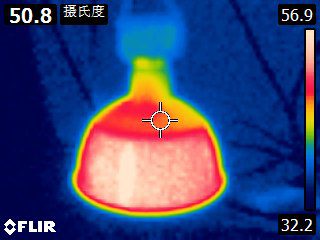
Conceptos básicos del estrés térmico
El estrés térmico ocurre cuando hay un cambio significativo en la temperatura que afecta las propiedades físicas de un material. Para los LED, que son semiconductores, la exposición constante a altas temperaturas puede provocar fallos tempranos debido a la degradación del material y la reducción de la eficiencia.
Los LED generan calor como subproducto de la emisión de luz. Si este calor no se gestiona eficazmente, puede acumularse y provocar el deterioro de los componentes. Esto gestión térmica1 es crucial para mantener el rendimiento de los LED a lo largo del tiempo.
Por qué el calor es una preocupación importante
Aunque los LED son generalmente más eficientes que las bombillas tradicionales, también son más sensibles al calor. El estrés térmico excesivo puede provocar problemas como:
- Eficacia luminosa reducida (brillo)
- Cambio de color o variaciones en la salida de luz
- Daño físico a los componentes del LED
A continuación se muestra una tabla que ilustra la relación entre la temperatura y la vida útil del LED:
| Tj del LED (°C) | Vida útil esperada (horas) |
|---|---|
| 75 | 50,000 |
| 85 | 40,000 |
| 95 | 30,000 |
Mitigación del estrés térmico
La clave para reducir el estrés térmico radica en estrategias efectivas de disipación de calor:
- Disipadores de calor: Utilice materiales con alta conductividad térmica para alejar el calor del LED.
- Diseño de carcasa mejorado: Asegúrese de que la carcasa de la bombilla permita un flujo de aire adecuado para dispersar el calor.
- Componentes de calidad: Invierta en drivers de LED de alta calidad que puedan manejar fluctuaciones térmicas.
Al centrarse en estos aspectos, los usuarios pueden prolongar significativamente la vida útil de sus bombillas LED.
Aplicaciones y consideraciones en el mundo real
En la práctica, controlar la temperatura ambiente donde se utilizan los LED también puede desempeñar un papel en la reducción del estrés térmico. Por ejemplo, usando LED2 en un entorno más fresco o emplear sistemas de refrigeración adicionales puede ayudar a mantener condiciones operativas óptimas.
Además, comprender los requisitos específicos de cada configuración de LED es vital. Las soluciones personalizadas basadas en la aplicación—ya sea en iluminación residencial o entornos industriales—pueden adaptarse para gestionar la producción térmica de manera eficiente.
[claim claim=”El estrés térmico causa la degradación del material del LED.” istrue=”true” explanation=”El estrés térmico conduce a la degradación del material, reduciendo la vida útil del LED.”]
[claim claim=”Los LED son menos sensibles al calor que las bombillas tradicionales.” istrue=”false” explanation=”Los LED son más sensibles al calor, lo que afecta su rendimiento y vida útil.”]
¿Qué papel desempeñan los controladores de LED en la longevidad?
Los drivers de LED son componentes cruciales que afectan la vida útil de las bombillas LED, pero ¿cómo contribuyen exactamente a la longevidad?
Los drivers de LED son vitales para la longevidad de las bombillas LED, ya que garantizan un suministro de energía estable y minimizan el estrés en los componentes.
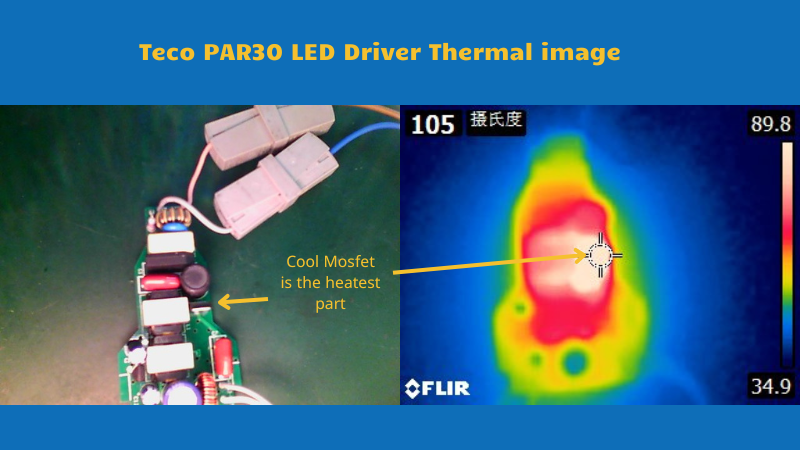
Comprendiendo los Controladores de LED
Los controladores de LED actúan como reguladores eléctricos que gestionan el flujo de energía hacia las bombillas LED. Convierten la corriente alterna de alto voltaje de la fuente de alimentación en una corriente continua de bajo voltaje adecuada para los LED. Este proceso de conversión es esencial, ya que los LED están diseñados para funcionar a un nivel de corriente y voltaje específicos. Sin un controlador eficiente, los LED pueden recibir energía inconsistente, lo que lleva a un fallo prematuro.
Importancia de la calidad del controlador
La calidad de un controlador de LED impacta significativamente en la vida útil de la bombilla. Los controladores de alta calidad garantizan una corriente estable y constante, reduciendo el estrés térmico en los LED. Cuando un LED opera en condiciones estables, sus componentes sufren menos desgaste, prolongando así su vida útil. Por el contrario, los controladores de baja calidad pueden provocar fluctuaciones en el suministro eléctrico, aumentando el riesgo de quemaduras.
Impacto en el rendimiento del atenuado
Los sistemas de LED regulables dependen en gran medida de la capacidad del controlador para manejar niveles variables de corriente. Un buen controlador acomoda estos cambios sin problemas sin causar parpadeo o ruido, ambos factores que pueden degradar el LED con el tiempo. Los controladores inadecuados pueden tener dificultades con la regulación, provocando una iluminación inconsistente y acortando potencialmente la vida útil del LED.
Papel en la gestión térmica
Drivers also contribute to managing the thermal output of LEDs. Excess heat is a primary factor in reducing LED lifespan. Efficient drivers help dissipate heat effectively, maintaining optimal operating temperatures and preventing damage to LED components. This thermal regulation is crucial in prolonging the life of the bulb.
Evaluating Different Driver Types
There are various types of LED drivers, including constant current and constant voltage drivers. Constant current drivers are preferred for most applications as they maintain a steady current output regardless of changes in voltage, which is crucial for maintaining longevity. However, the choice between these types depends on specific application needs and compatibility with the LED system.
In summary, choosing high-quality LED drivers3 is paramount for ensuring the longevity of your LED bulbs. They not only provide necessary electrical regulation but also enhance dimming capabilities and thermal management, all of which contribute to extending the life of your lighting systems.
[claim claim=”LED drivers convert AC to DC current for LEDs.” istrue=”true” explanation=”LED drivers convert high voltage AC to low voltage DC suitable for LEDs.”]
[claim claim=”Poor-quality drivers increase LED lifespan.” istrue=”false” explanation=”Poor-quality drivers cause power fluctuations, reducing LED lifespan.”]
Are Frequent On/Off Cycles Detrimental to LEDs?
Frequent on/off cycles are common in daily use, but how do they affect the lifespan of LED bulbs?
Frequent on/off cycles can negatively impact LED longevity by causing thermal stress and affecting the drivers. However, high-quality LED drivers can mitigate these effects, ensuring that the bulbs last longer despite frequent cycling.
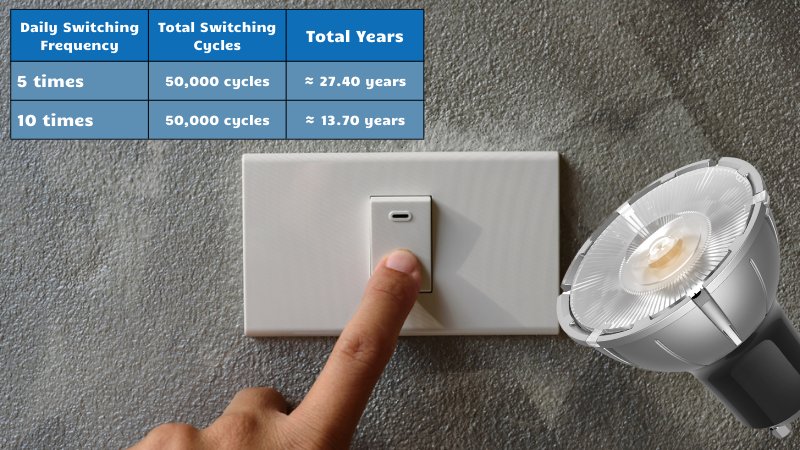
Understanding Thermal Stress and Its Impact
LEDs generate heat during operation, which can lead to thermal stress4 if the bulbs are switched on and off frequently. This stress results from rapid temperature changes that occur each time the bulb is cycled. While LEDs are generally more resilient to thermal stress compared to traditional incandescent bulbs, excessive cycling can still shorten their lifespan.
For instance, consider a workspace where lights are frequently turned on and off throughout the day. Each cycle subjects the LEDs to a quick change in temperature, potentially leading to microcracks or degradation in the bulb’s components over time. This constant thermal expansion and contraction can wear down the materials used in LEDs, reducing their effective life.
The Role of LED Drivers in Managing Cycles
El LED driver is crucial in regulating power supply to the bulb, ensuring it operates efficiently. High-quality drivers can handle frequent on/off cycles better than lower-quality alternatives.
A robust driver will manage the electrical load smoothly, reducing the strain on the LED components during cycling. In contrast, a subpar driver might allow voltage spikes or drops when the bulb is turned on or off, which can exacerbate wear and tear.
Balancing Energy Efficiency with Longevity
While it’s tempting to turn off lights to save energy, it’s important to balance this with potential impacts on bulb longevity. In environments where frequent cycling is unavoidable, investing in LED bulbs with superior drivers can help mitigate potential damage.
For homeowners or businesses looking to optimize their lighting setup, understanding these dynamics is crucial. Implementing smart lighting systems that gradually adjust brightness rather than abrupt cycling can also be an effective strategy for prolonging LED lifespan.
[claim claim=”Frequent cycling shortens LED lifespan due to thermal stress.” istrue=”true” explanation=”Thermal stress from frequent on/off cycles can degrade LED components.”]
[claim claim=”High-quality LED drivers don’t affect bulb longevity during cycles.” istrue=”false” explanation=”High-quality drivers reduce damage from cycling but can’t eliminate it.”]
Can Dimmed LEDs Save More Energy?
Explore how dimming LED bulbs can lead to significant energy savings.
Dimmed LEDs consume less power by reducing their light output, leading to substantial energy savings. This simple yet effective method not only lowers electricity bills but also contributes to a sustainable environment. However, the exact savings depend on several factors, including the type of LED and its usage patterns.

Understanding LED Dimming
When you dim an LED bulb, you essentially reduce the power it consumes. Unlike incandescent bulbs, which waste a lot of energy as heat, LEDs are designed to be more efficient. When dimmed, LEDs decrease their light output by lowering the current flowing through them. This results in less energy consumption and subsequently lower electricity bills.
The Mechanics Behind Energy Savings
To truly grasp how dimming saves energy, consider the basic principle: power consumption is directly proportional to light output. For instance, if you dim your LED to 50% of its maximum brightness, it typically uses about 50% of the energy compared to when it is fully lit. This linear relationship is key to understanding how dimming can lead to energy efficiency.
| Brightness Level | Consumo de energía |
|---|---|
| 100% | 100% |
| 75% | 75% |
| 50% | 50% |
| 25% | 25% |
Factors Influencing Energy Savings
However, not all LEDs are created equal. The quality of the LED driver significantly affects energy savings. High-quality drivers ensure that the bulb dims smoothly without flickering or losing efficiency. Additionally, the environment in which the LED is used also plays a role. For example, dimming lights in areas that don’t require full brightness, such as hallways or during nighttime, maximizes savings.
Environmental and Economic Benefits
Dimming LEDs contributes not only to economic savings but also environmental benefits. Reduced energy consumption lowers carbon footprints and supports sustainable energy practices. Households and businesses can significantly cut their electricity expenses by integrating dimmable LEDs into their lighting systems.
Ultimately, while dimming provides immediate benefits in terms of reduced power consumption and costs, it’s essential to consider the quality and suitability of the LED for your specific needs to fully capitalize on these advantages. To explore more about these benefits, check out our section on The Role of LED Drivers5 in ensuring efficiency and longevity.
[claim claim=”Dimming LEDs to 50% saves 50% energy.” istrue=”true” explanation=”LEDs consume less power when dimmed, directly reducing energy use.”]
[claim claim=”All LED drivers ensure smooth dimming.” istrue=”false” explanation=”Only high-quality drivers provide efficient, flicker-free dimming.”]
Conclusión
By understanding how dimming impacts LED lifespan, I can make smarter choices about my lighting that not only enhance my home environment but also save energy.
Explore techniques for optimizing LED performance through effective heat management.: The first solution may be to select an enclosure with a material composition rated for high thermal conductivity. If enough heat can escape though the enclosure … ↩
Learn how environmental control can extend LED bulb lifespan.: However, LED lights are designed to work much better in colder temperatures compared to traditional lighting. You can use these luminaires in cold storage … ↩
Learn how to select efficient LED drivers for better bulb longevity.: It is important to know your LED’s specs so you know the recommended drive currents and heat sink requirements so you don’t burn the LED out … ↩
Learn how thermal stress affects LED longevity and how to minimize it.: Inefficient drivers generate extra heat, compounding overall thermal stress on LED components and potentially reducing the device’s lifespan. ↩
Descubre cómo los drivers LED mejoran el ahorro energético y la longevidad de la bombilla.: La capacidad de los drivers LED para entregar energía precisa a los LED reduce significativamente el consumo energético en comparación con las tecnologías de iluminación tradicionales. Los LED consumen hasta …↩