La Guía Definitiva para Bombillas LED GU10 Regulables: Todo lo que los Propietarios Deben Saber
Las bombillas LED GU10 son no universalmente regulables. Solo los modelos diseñados explícitamente para atenuación—y emparejados con interruptores reguladores compatibles—pueden funcionar sin problemas sin parpadeos, zumbidos o reducción de la vida útil.
Tanto para propietarios como para compradores de proyectos, el malentendido sobre la compatibilidad de regulación de los LED GU10 es una de las causas más comunes de quejas sobre iluminación. Esta guía explica cómo funciona la atenuación LED GU10, por qué ocurren problemas y cómo elegir los componentes correctos para un rendimiento confiable.
¿Son todas las bombillas LED GU10 regulables?
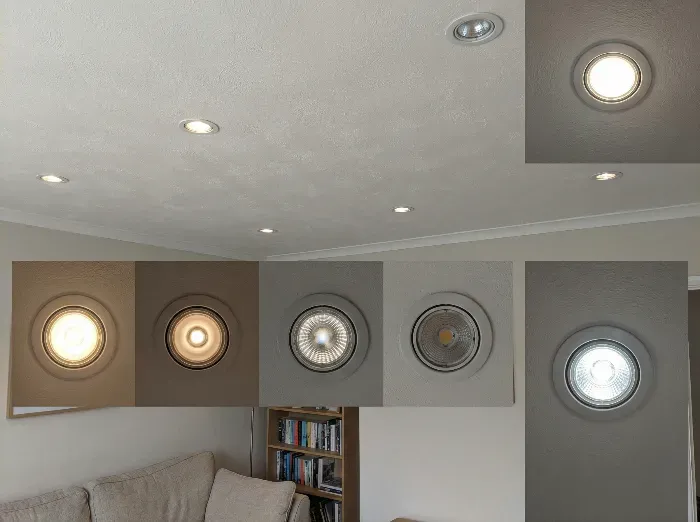
No. Solo las bombillas LED GU10 etiquetadas como “regulables” pueden regularse, e incluso entonces, el regulado exitoso depende de la compatibilidad del sistema.
A diferencia de las lámparas halógenas GU10—que se atenúan naturalmente cuando baja el voltaje—las bombillas LED requieren un driver electrónico interno para regular la corriente. Si ese driver no está diseñado para atenuación, reducir el voltaje causará funcionamiento inestable o fallo completo.
Cómo identificar una bombilla LED GU10 regulable
Una bombilla LED GU10 suele ser regulable solo si:
- El embalaje o la hoja de datos indica explícitamente “Regulable”
- Se especifica un tipo de regulador compatible (de borde delantero o de borde trasero)
- El producto cumple con los estándares de regulación IEC o EN
Considere esta comparación:
| Característica | Halógeno GU10 | LED GU10 No Regulable | LED GU10 regulable |
|---|---|---|---|
| Capacidad de atenuación | Sí | No | Sí |
| Riesgo de parpadeo | Bajo | Alta | Bajo (con regulador correcto) |
| Eficiencia energética | Bajo | Alta | Alta |
| Se requiere driver | No | Sí | Sí (controlador regulable) |
Entendiendo la Compatibilidad de Reguladores para LED GU10
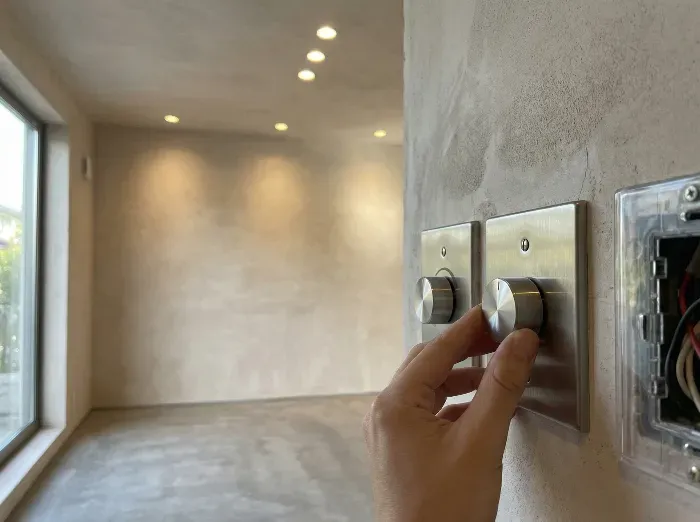
Incluso con una bombilla regulable, la compatibilidad del regulador sigue siendo el factor más crítico.
Reguladores leading-edge vs trailing-edge
| Tipo de regulador | Uso típico | Compatibilidad con LED GU10 |
|---|---|---|
| Borde delantero (Triac) | Instalaciones antiguas | Limitado, depende del driver |
| Trailing-edge (ELV) | Sistemas LED modernos | Altamente compatible |
Según las directrices de la UK Energy Saving Trust, los reguladores de borde posterior generalmente ofrecen una atenuación LED más suave con menos parpadeo y ruido en comparación con los reguladores tradicionales de borde anterior¹.
Requisitos de carga mínima
Muchos reguladores antiguos fueron diseñados para cargas incandescentes de Mínimo 40–60W. Las bombillas LED GU10 suelen consumir 4–7W, que puede caer por debajo del umbral operativo del regulador, causando:
- Parpadeo a bajo brillo
- Sonidos de zumbido
- Rango de atenuación inconsistente
Why Do GU10 LED Bulbs Flicker or Buzz When Dimmed?
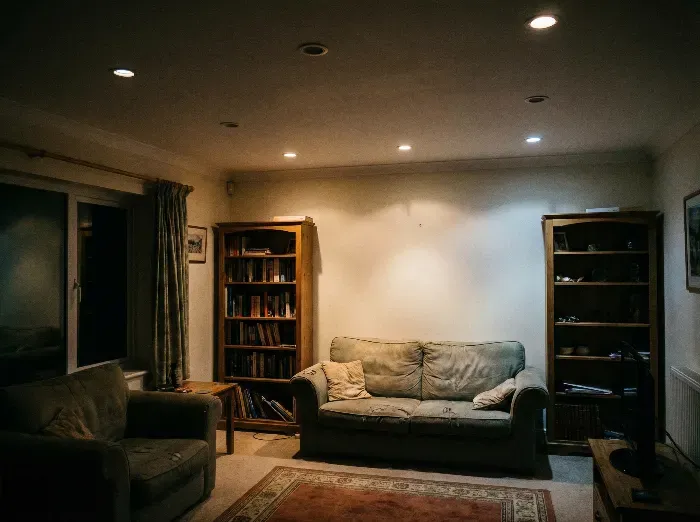
Flicker and noise are system-level issues, not isolated bulb defects. The most common causes include:
Common causes of GU10 LED dimming problems
| Problema | Root cause |
|---|---|
| Flicker at low levels | Dimmer minimum load not met |
| Buzzing sound | Incompatible leading-edge dimmer |
| Sudden shut-off | Driver protection circuit |
| Rango de regulación limitado | Diseño deficiente del controlador |
El Departamento de Energía de EE. UU. (DOE) notes that flicker in LED lighting is primarily caused by incompatible control electronics rather than the LED chips themselves¹.
What Makes a High-Quality Dimmable GU10 LED Bulb?
Not all dimmable GU10 LED bulbs are engineered to the same standard. Key technical factors include:
1. Driver design quality
Premium GU10 LED bulbs use constant-current drivers with optimized phase-cut compatibility.
2. Dimming curve stability
Better drivers maintain smooth output between 10–100% brightness, avoiding sudden jumps.
3. Thermal management
Poor heat dissipation shortens driver lifespan and worsens flicker over time.
Según Philips Lighting technical documentation, LED driver quality directly affects dimming smoothness and long-term reliability.
GU10 LED Dimming FAQs for Home Users
Can I dim GU10 LED bulbs with any dimmer?
No. You must use a compatible dimmer, preferably trailing-edge, and ensure the dimmer’s load range matches the LED wattage.
Why do my GU10 LEDs dim unevenly?
Uneven dimming often occurs when multiple bulbs with different drivers are connected to the same dimmer.
Are dimmable GU10 LEDs less energy efficient?
No. Dimmable GU10 LED bulbs maintain high efficiency and typically consume 70–85% less energy than halogen GU10 lamps².
Do smart dimmers solve flicker issues?
In many cases, yes—provided the smart dimmer is designed for low-wattage LED loads.
Best Practices for Choosing Dimmable GU10 LED Bulbs

To minimize compatibility issues:
- Choose bulbs clearly marked dimerizable
- Verify supported dimmer types in the datasheet
- Use the same bulb model on one dimming circuit
- Avoid mixing halogen and LED lamps on the same dimmer
- When in doubt, consult the supplier’s compatibility list
Conclusion: Are GU10 LED Bulbs Dimmable?
GU10 LED bulbs can be dimmable, but successful dimming depends on three equally important factors:
- A dimmable LED driver
- A compatible dimmer switch
- Proper system matching
Understanding these elements helps avoid flicker, noise, and premature failures—especially in residential and hospitality applications where lighting comfort matters.
If you are selecting GU10 LED bulbs for residential projects, hotels, or commercial spaces, working with a supplier that understands driver–dimmer compatibility can significantly reduce after-sales issues.
👉 Consult a professional LED manufacturer or request a compatibility list before purchasing to ensure smooth, flicker-free dimming performance.
Footnotes & Data Sources
U.S. Department of Energy – Flicker in LED Lighting
https://www.energy.gov/eere/ssl/flickerInternational Energy Agency (IEA) – Energy Efficiency of Lighting
https://www.iea.org/reports/lighting