Glass vs Aluminum LED Housing: Thermal Performance, Lifespan & Failure Risks Explained
Introduction: Why LED Housing Material Matters More Than You Think
When sourcing LED bulbs for commercial or large-scale projects, many buyers focus on lumen output, color temperature, or price. However, one critical factor is often overlooked:
The housing material — glass or aluminum — directly determines thermal performance, lifespan, and long-term reliability.
In real-world applications such as hotels, retail stores, and office lighting, poor heat dissipation can lead to:
- Rapid lumen depreciation
- Driver failure
- Shortened product lifespan
This article provides a technical yet practical comparison between glass and aluminum LED housing, helping B2B buyers make informed procurement decisions.
Understanding LED Heat Generation and Thermal Path
Unlike traditional lighting, LEDs convert most electrical energy into heat rather than visible light. This heat must be efficiently dissipated.
Typical LED Thermal Path:
LED Chip → PCB → Driver → Potting Material → Housing → Air
If any part of this chain restricts heat flow, junction temperature (Tj) increases — the primary cause of LED degradation.
Junction Temperature (Tj): The Hidden Factor Buyers Ignore
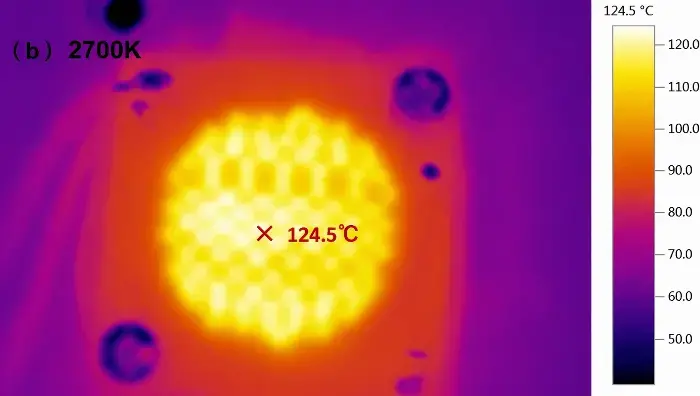
Most LED specifications highlight lifespan (e.g., 25,000–50,000 hours), but few mention junction temperature (Tj) — the real determinant of longevity.
Key Insight:
- Every +10°C increase in Tj can significantly reduce LED lifespan
High Tj accelerates:
- Phosphor degradation
- Solder joint fatigue
- Driver component aging
According to U.S. Department of Energy and International Energy Agency, thermal management is one of the most critical factors in LED system reliability.
Glass LED Housing: Advantages and Limitations
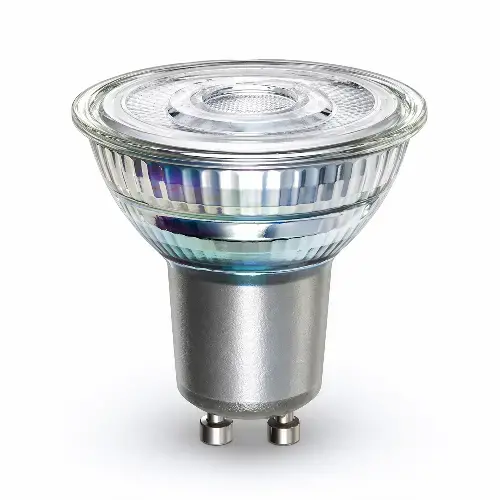
Advantages:
- Lower material cost
- Clean aesthetic appearance
- Lightweight structure
Critical Limitations:
Glass is a thermal insulator, not a conductor.
- Poor heat dissipation capability
- Heat accumulation inside enclosed fixtures
- Increased junction temperature
- Reduced lifespan under continuous operation
In practical use, glass housing is typically suitable for:
- Iluminación decorativa
- Low-power applications
- Short-duration usage environments
Aluminum LED Housing: Why It Dominates Commercial Applications
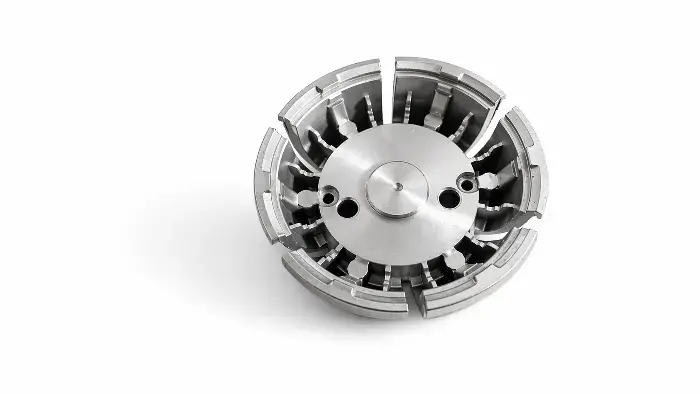
Aluminum is widely used in professional lighting due to its superior thermal conductivity.
Key Advantages:
- Excellent heat dissipation (≈200 W/m·K)
- Stable junction temperature control
- Extended LED lifespan
- Better performance in enclosed fixtures
Resultado:
- Menor tasa de fallos
- Consistent lumen output over time
Higher reliability in demanding environments
Real-World Failure Cases: What Actually Happens
In real commercial projects, thermal issues lead to common failures:
Typical Problems:
- LED flickering due to driver overheating
- Rapid lumen depreciation (L70 reached too early)
- Complete lamp failure within months
High-Risk Scenarios:
- Enclosed fixtures
- High ambient temperatures
- Continuous operation (retail, hospitality)
These failures are significantly more common in glass housing designs.
Enclosed Fixture Risk: Why Aluminum Becomes Mandatory
Many LED installations use enclosed luminaires for design or protection purposes.
However:
- Enclosed fixtures trap heat
- Internal temperature rises quickly
- Poor heat dissipation leads to overheating
Key Recommendation:
For enclosed fixtures, always choose:
- Aluminum housing
- Certified “enclosed fixture rated” products
How Potting (Encapsulation) Affects Heat Dissipation
Potting materials (silicone or resin) are commonly used to protect LED drivers.
But there’s a trade-off:
- Typical thermal conductivity: ~0.8 W/m·K
- Aluminum: ~200 W/m·K
This means potting can become a thermal bottleneck, especially in:
- Glass housing designs
- Compact bulb structures
Perspectiva de Ingeniería:
- Poor potting design = trapped heat
- Combined with glass housing → severe thermal accumulation
Lifespan Modeling: LM-80 and TM-21 Explained
Professional LED lifespan claims are based on:
- LM-80: Measures lumen maintenance over time
- TM-21: Projects long-term lifespan
Key Metric:
- L70 = time when brightness drops to 70%
Without proper thermal control, real-world performance often falls short of lab-tested results.
Glass vs Aluminum: Quick Comparison for Buyers
| Factor | Glass Housing | Aluminum Housing |
|---|---|---|
| Thermal Conductivity | Bajo | Very High |
| Disipación del calor | Deficiente | Excelente |
| Lifespan Stability | Bajo | Alta |
| Enclosed Fixture Use | Not recommended | Highly recommended |
| Tipo de aplicación | Decorative | Commercial / Industrial |
How to Choose the Right LED Housing for Your Project
When evaluating suppliers, avoid relying only on price.
Ask These Critical Questions:
- What is the junction temperature (Tj) under load?
- Is the product tested in enclosed fixtures?
- What is the thermal path design?
- Is there LM-80 / TM-21 data available?
- How is the driver cooled (potting design)?
For Project Buyers: Reduce Risk Before You Order
To ensure long-term reliability, request:
- Thermal test reports (Tc / Tj data)
- Enclosure compatibility confirmation
- Lifespan simulation under real conditions
- Certification (CE, CB, RoHS)
These steps can significantly reduce:
- Warranty claims
- Maintenance costs
- Project risk
FAQ Section
What is junction temperature in LED lighting?
Junction temperature (Tj) is the internal temperature of the LED chip. It directly affects lifespan, efficiency, and light quality.
Can LED bulbs be used in enclosed fixtures?
Yes, but only if they are specifically rated for enclosed fixtures. Otherwise, overheating may occur.
Does aluminum housing improve LED lifespan?
Yes. Aluminum improves heat dissipation, reducing junction temperature and extending lifespan.
Does potting affect LED performance?
Yes. Poor thermal conductivity of potting materials can trap heat and reduce overall performance.
Conclusion: Aluminum Is the Safer Long-Term Choice
While glass LED housing may offer cost advantages, it falls short in thermal performance and long-term reliability.
For B2B buyers, contractors, and project engineers:
Aluminum housing is the preferred choice for durability, safety, and consistent performance.
If you are sourcing LED lighting for projects:
Request detailed thermal data before purchasing
Verify enclosed fixture compatibility
Work with manufacturers that provide transparent engineering specifications
This is the difference between short-term savings and long-term reliability.