Updated: September 4, 2026
Do not use a non-dimmable LED bulb on a dimmer unless the lamp and control system are explicitly rated as compatible. The common results are flicker, buzzing, unstable low-end output, overheating, driver stress and early failure. For retrofit projects, match the lamp type, socket, voltage, dimmer type and load range before approving samples or bulk orders.
| Symptom | Likely cause | Buyer action |
|---|---|---|
| Parpadeo a bajo brillo | Driver and dimmer mismatch | Use a tested dimmable LED and compatible dimmer |
| Buzzing or humming | Control waveform instability | Check leading-edge or trailing-edge requirements |
| Short lamp life | Thermal or electrical stress | Replace with a properly rated dimmable lamp |
For installers and distributors, this is also a warranty and callback risk. Send Tecolite the existing lamp type, dimmer model, socket, voltage and target quantity before approving replacements.
¿Es seguro usar bombillas LED no regulables con un interruptor regulador?
Lighting is not just about visibility; it’s about creating an atmosphere that feels like home. But what happens when you mix the wrong components?
Using non-dimmable LED bulbs with a dimmer switch is generally not safe. It can cause flickering, buzzing, and even damage the bulbs due to incompatible circuitry. Always use dimmable LEDs with dimmer switches to ensure proper functionality and safety.
While you may have received a direct answer, understanding why non-dimmable LEDs react this way and exploring safe alternatives can save you time and money. Dive deeper into this guide to uncover essential insights for your home lighting solutions.
✔ Verdadero
Non-dimmable LEDs lack the circuitry to handle voltage variations, causing flickering.
What Happens When You Use Non-Dimmable LEDs on a Dimmer?
Discover the potential pitfalls of using non-dimmable LEDs with dimmers and how to avoid them.
Using non-dimmable LEDs on a dimmer switch leads to flickering and buzzing due to incompatible circuitry, potentially causing bulb damage. Always match dimmable LEDs with dimmer switches to maintain function and safety.

Comprendiendo la compatibilidad entre LED y reguladores
LED bulbs, whether dimmable or non-dimmable, are designed with specific circuitry that dictates their operation. Non-dimmable LEDs lack the necessary components to adjust light output, which is a fundamental feature required when interfaced with a dimmer switch. When these non-compatible bulbs are used with dimmers, several issues can arise.
Common Issues with Non-Dimmable LEDs on Dimmer Switches
Flickering and Inconsistent Light Output
- Non-dimmable LEDs often flicker because they can’t regulate the power fluctuations induced by dimmer switches. Unlike incandescent bulbs, LEDs need a constant current to function properly. When paired with a dimmer, they receive inconsistent voltage levels, leading to erratic light output.
Audible Buzzing Sounds
- Another common issue is a buzzing noise emanating from the bulb or fixture. This sound occurs because the electronic components in non-dimmable LEDs aren’t equipped to handle the dimming signal. The noise is not only disruptive but also an indication of strain on the bulb.
Potential Bulb Damage
- Prolonged use of non-dimmable LEDs on a dimmer can cause damage to the bulb’s internal components. This damage results from the constant fluctuation in current, which the bulb isn’t designed to handle. Understanding LED Circuitry1 can provide further insights into why this happens.
Alternatives and Solutions
Switch to Dimmable LEDs: Opt for LED bulbs specifically labeled as dimmable when using dimmer switches. These bulbs have built-in circuitry to handle varying voltage inputs smoothly.
Check Dimmer Compatibility: Even with dimmable LEDs, ensure your dimmer switch is compatible. Not all dimmers work well with every type of LED, so checking specifications is essential.
Consider Smart Lighting Options: Smart bulbs offer an innovative solution, allowing control through apps and smart home devices without traditional dimmers.
By understanding these aspects, homeowners can make informed decisions about their lighting setup and avoid the common pitfalls of using incompatible components.
❌ Falso
Non-dimmable LEDs are not compatible with dimmers and may flicker.
✔ Verdadero
Dimmable LEDs have circuitry to handle dimming signals, reducing noise.
Why Do Non-Dimmable LEDs Flicker or Buzz on a Dimmer?
When non-dimmable LEDs flicker or buzz, it disrupts the ambiance and could indicate potential issues.
Non-dimmable LEDs flicker or buzz on dimmers because their circuitry isn’t designed for fluctuating power levels, unlike dimmable LEDs. This mismatch leads to inconsistent power delivery, causing the bulb to flicker or buzz.

The Circuitry Difference
Non-dimmable LEDs are designed to operate at a consistent voltage. When paired with a dimmer, which varies the voltage to control brightness, the non-dimmable LED’s circuitry cannot process these changes effectively. This results in flickering as the LED tries to cope with the fluctuating power levels.
Dimmable LEDs, on the other hand, have built-in circuitry that can handle variations in voltage, allowing them to smoothly transition through different brightness levels without flickering or buzzing.
The Buzzing Phenomenon
Buzzing occurs when the incompatible voltage causes vibrations within the LED’s components or in the dimmer switch itself. This can be particularly noticeable in silent environments, becoming a source of irritation. The materials and construction of non-dimmable LEDs aren’t equipped to handle these vibrations, unlike their dimmable counterparts.
Potential Risks Involved
Using non-dimmable LEDs with dimmers not only affects performance but also poses risks. Prolonged use can lead to overheating, significantly reducing the bulb’s lifespan and potentially damaging the fixture or switch.
Moreover, consistent flickering and buzzing can indicate stress on electrical components, which might eventually lead to failure. Therefore, it’s crucial to understand how dimming technology works2 y garantizar compatibilidad para seguridad y eficiencia.
Soluciones para Compatibilidad
Para evitar estos problemas, considere cambiar a LEDs dimmables, que están diseñados para compatibilidad con varios tipos de dimmers. Busque etiquetas como "dimmable" en el empaque o consulte a un experto en iluminación para elegir bombillas apropiadas. Además, los interruptores dimmer modernos suelen estar etiquetados con listas de compatibilidad, facilitando emparejarlos con sus bombillas. Verifique Compatibilidad de bombillas LED con reguladores3 antes de realizar una compra.
✔ Verdadero
Los LEDs no dimmables no están diseñados para manejar niveles de potencia fluctuantes.
❌ Falso
Los LEDs dimmables tienen circuitos para gestionar cambios de voltaje eficientemente.
¿Puede el Uso de LEDs No Dimmables con un Dimmer Causar Daño a Largo Plazo?
Los LED no regulables y los interruptores reguladores pueden parecer una incompatibilidad inofensiva, pero las implicaciones a largo plazo pueden ser significativas.
Sí, usar LED no regulables con un regulador puede causar daños a largo plazo. La circuitería incompatible puede provocar sobrecalentamiento y reducir la vida útil de las bombillas, así como posibles daños al regulador mismo. Asegure la compatibilidad usando LED regulables con reguladores.

Cómo la Incompatibilidad Conduce a Daños
Los LEDs no dimmables están diseñados para operar a voltaje y corriente constantes. Cuando se conectan a un interruptor dimmer, que reduce el voltaje y flujo de corriente para controlar el brillo, estas bombillas luchan por adaptarse. Esta discrepancia en requisitos eléctricos conduce a un excesivo generación de calor4 dentro de la bombilla.
Cuando un LED se somete a calor más allá de su umbral, surgen varios problemas:
- Sobrecalentamiento: Una fuente de alimentación no regulable puede ajustar el ciclo de trabajo dentro de un cierto rango de fluctuación de voltaje para garantizar que la bombilla funcione correctamente, pero un voltaje de entrada demasiado bajo puede hacer que el ciclo de trabajo del chip de control supere el 90% o incluso el 100%, lo que puede dañar rápidamente el chip.
- Estrés del Circuito: El circuito interno del LED, no diseñado para potencia fluctuante, puede quemarse prematuramente.
- Vida útil reducida: El estrés constante reduce la vida útil general de la bombilla.
Interruptor Dimmer en Riesgo
No solo las bombillas están en riesgo. El interruptor dimmer en sí puede sufrir:
- Desgaste aumentado: Manejar cargas inconsistentes puede desgastar los componentes internos más rápido.
- Posibles Fallos: Con el tiempo, el regulador podría no funcionar correctamente incluso con bombillas compatibles.
¿Por qué apegarse a LED regulables?
Los LEDs dimmables están específicamente diseñados para manejar niveles variables de voltaje y corriente sin comprometer el rendimiento. Contienen circuitos especializados que se ajustan a entradas de atenuación, previniendo sobrecalentamiento y otros problemas potenciales. Esto adaptabilidad5 garantiza tanto la longevidad como el rendimiento óptimo del sistema de iluminación.
| Característica | LEDs No Dimmables | LEDs Dimmables |
|---|---|---|
| Circuitería | Estándar | Avanzado |
| Gestión del calor | Deficiente | Excelente |
| Vida Útil con Dimmer | Reducida | Mantenido |
| Compatibilidad con reguladores | No | Sí |
Medidas preventivas
Para evitar errores costosos:
- Siempre verifique el empaque de la bombilla para la compatibilidad de regulación.
- Consulte con un electricista si no está seguro sobre su instalación existente.
- Invierta en LED de alta calidad regulables de fabricantes de renombre.
Al comprender estas dinámicas, los propietarios pueden tomar decisiones informadas que mejoren tanto la seguridad como la eficiencia en sus sistemas de iluminación.
✔ Verdadero
La incompatibilidad en los requisitos eléctricos causa sobrecalentamiento en LED no regulables.
❌ Falso
Dimmable LEDs are designed to maintain lifespan with dimming.
How to Choose the Right LED Bulbs for Your Dimmer Switch?
Selecting the right LED bulbs for your dimmer switch ensures both efficiency and longevity. Here’s how to make the right choice.
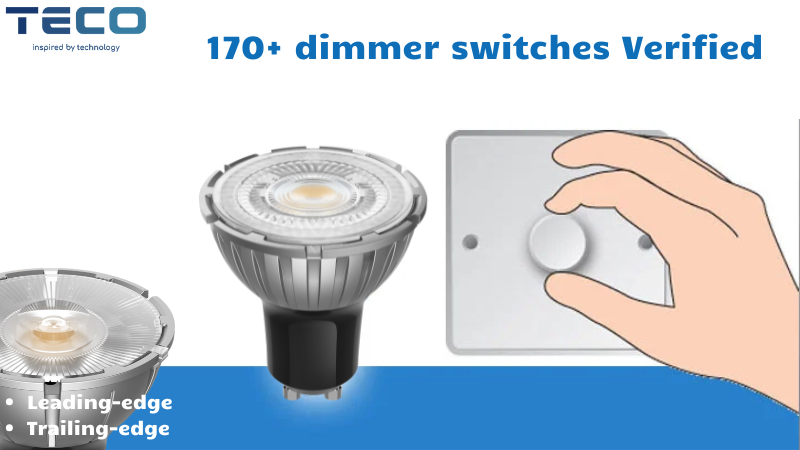
To choose the right LED bulbs for your dimmer switch, opt for bulbs labeled as ‘dimmable’ and ensure compatibility with your specific dimmer model. Check manufacturer guidelines for optimal performance.
Understanding LED Compatibility
Not all LED bulbs are created equal, especially when it comes to dimming. Dimmable LED bulbs are specifically designed with a circuitry that interacts seamlessly with dimmer switches, unlike their non-dimmable counterparts.
Steps to Selecting the Right LED Bulbs
Identify Your Dimmer Type: First, check the type of dimmer switch you have. There are various types, such as trailing edge and leading edge dimmers, each compatible with different LEDs.
Look for Dimmable Labels: Always choose LED bulbs explicitly labeled as ‘dimmable’. This ensures that the bulb’s internal components are compatible with dimming controls.
Check Manufacturer Compatibility: Many manufacturers provide lists or charts indicating which of their bulbs work best with certain dimmers. This compatibility chart6 can help prevent issues like flickering or buzzing.
Consider Bulb Wattage: Ensure that the total wattage of your LED bulbs does not exceed the maximum wattage rating of your dimmer switch. Exceeding this limit can lead to overheating and damage.
Test Before Finalizing: Once you’ve selected a bulb, test it with your dimmer to ensure smooth dimming capabilities without flickering or buzzing.
Benefits of Using Compatible LED Bulbs
Utilizing compatible LEDs ensures that your lighting system operates efficiently, prolongs the life of both the bulbs and the dimmer switch, and maintains the desired ambiance in your home. Moreover, you reduce the risk of electrical issues that could lead to costly repairs or replacements.
Common Pitfalls to Avoid
- Avoid purchasing cheap, non-branded LEDs as they often lack proper dimming technology.
- Do not mix different types of LEDs on the same circuit, as this can lead to inconsistent performance.
- Keep abreast of energy-saving tips7 to maximize efficiency without compromising lighting quality.
❌ Falso
Only LED bulbs labeled ‘dimmable’ are compatible with dimmers.
✔ Verdadero
Non-dimmable LEDs lack circuitry for smooth dimming, causing flicker.
Conclusión
Always pair dimmable LEDs with compatible dimmers to avoid flickering and damage. Ensure your lighting setup is both safe and efficient by choosing the right components for your system.
Recommended Dimmable LED Lighting Solutions
To ensure safe and stable dimming performance, always choose high-quality dimmable LED lighting designed for compatibility with modern dimmer systems. This helps eliminate flickering, buzzing, and potential compatibility issues.
Instead of focusing on a single bulb type, it is better to select lighting based on application and fixture requirements.
Explore Our LED Lighting Collection
Our full range of LED lighting solutions includes dimmable options designed for residential, commercial, and architectural applications.
Key benefits across our product range:
- Flicker-free dimming performance
- Compatible with leading and trailing-edge dimmers
- High CRI options for better color accuracy
- Energy-efficient LED technology
- Multiple beam angles and color temperatures available
Choosing the Right Solution
Different lighting environments require different solutions:
- Accent lighting → precise beam control and stable dimming performance
- General lighting → smooth dimming with wide beam distribution
- Proyectos comerciales → requisitos de alta fiabilidad y larga vida útil
Todas las categorías de productos están diseñadas para soportar aplicaciones regulables cuando se combinan con sistemas de regulación compatibles.
Explora los focos LED GU10 regulables
Este enlace explica el parpadeo y zumbido en LEDs no regulables.: Hay interferencia entre el interruptor regulador y la bombilla, ya que los dos dispositivos no están diseñados para trabajar juntos, y al menos uno de los elementos necesita...↩
Obtén información sobre cómo opera la tecnología de regulación para elegir bombillas con conocimiento.: Hay dos formas principales de regular LEDs. Está la regulación por modulación de ancho de pulso (PWM) y la reducción de corriente constante (CCR). Cada tipo tiene sus propias ventajas...↩
Asegúrate de que tus bombillas LED y reguladores sean compatibles para evitar parpadeos.: Una advertencia: si vas a usar una bombilla con capacidades de regulación integradas, asegúrate de no usarla con un interruptor regulador existente en la pared.↩
Descubre cómo los requisitos eléctricos incompatibles provocan problemas de sobrecalentamiento.: Lo obvio es que no fue diseñada para regulación y eso haría que se quemara.↩
Aprende sobre circuitos especializados en LEDs regulables para una regulación segura.: El voltaje puede ajustarse libremente a lo que sea necesario para que el LED funcione correctamente. De hecho, se estabilizará a un voltaje constante (más o menos). – ...↩
Garantiza que seleccionas la bombilla correcta para tu regulador.: Este programa de pruebas está diseñado para cumplir o superar los últimos criterios de evaluación del rendimiento de bombillas LED con reguladores Leviton. Medimos varios...↩
Aprende formas de ahorrar energía con iluminación eficiente.: En este artículo, cubriremos 10 formas en que la iluminación LED puede ayudarte a ahorrar dinero y aumentar tus ahorros.↩