
What Does 60W Equivalent Mean? understanding LED Light Brightness
Last updated on February 2, 2026
The transition to LED bulbs represents a major step toward energy efficiency and sustainability in modern lighting. For both homeowners and businesses, understanding what “60W equivalent” really means is essential to maintaining the same brightness while significantly reducing energy consumption.
In simple terms: a 9W LED bulb is equivalent to a traditional 60W incandescent bulb.
60W Equivalent = 9W LED Bulb

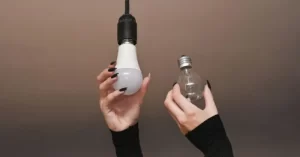
Suspended LED bulb glowing intensely, casting a focused beam of illumination onto a plain wooden floor in a simple, modern indoor setting.
The Essence of LED Brightness and “60W Equivalent”
LED bulbs are widely recognized for their efficiency and long lifespan, but the term “60W equivalent” can still be confusing.
This label does not mean the LED consumes 60 watts. Instead, it refers to light output, not power consumption.
- A traditional 60W incandescent bulb produces about 800 lumens
- A 9W LED bulb that produces around 800 lumens is therefore considered a 60W equivalent
The key metric here is lumens, which measure the total visible light emitted by a bulb. When switching to LEDs, lumens—not watts—should guide your purchasing decision.
Understanding Lumens in LED Lighting
Different activities require different lighting levels. Choosing the right lumen output ensures comfort, visibility, and efficiency.
-
Studying / Working
- Recommended illumination: 300–500 lux
- Temperatura de color: below 4000K
- CRI: ≥90 for accurate color rendering
-
Dining Areas
- Recommended illumination: 75–100 lux
- Softer lighting helps create a relaxed atmosphere
-
Bedrooms
- Around 300 lux is generally sufficient
- Personal preference may vary depending on activities
Choosing the Right Color Temperature
Color temperature has a direct impact on both mood and functionality. Measured in Kelvin (K), it ranges from warm to cool tones.
-
Warm White (2700K–3500K)
Ideal for living rooms and bedrooms where comfort and relaxation are priorities. -
Neutral White (4000K)
A balanced option for home offices, classrooms, and areas requiring focus. -
Cool White (5000K–6500K)
Bright and energizing light suited for task lighting, offices, workshops, and outdoor areas.

Cozy interior scene divided into three views, illustrating how different light color temperatures—from cool daylight to neutral and warm tones—affect the mood and appearance of furniture and décor.
Choosing High-Quality LED Bulbs
Investing in high-quality LED bulbs from reputable manufacturers ensures:
- Longer lifespan
- Stable and consistent light output
- Accurate color rendering
- Fewer replacements over time
Quality LEDs deliver better performance and offer superior long-term cost savings and sustainability.
Compatibility Considerations
Before purchasing LED bulbs, always verify compatibility with your existing fixtures and dimmers.
Poor compatibility can lead to:
- Parpadeo
- Reduced lifespan
- Inconsistent dimming performance
Checking compatibility in advance helps you avoid unnecessary issues and ensures optimal lighting performance.
Conclusión
Understanding LED brightness and the meaning of “60W equivalent” goes beyond technical knowledge—it empowers smarter, more sustainable lighting choices.
By focusing on:
- Lumens instead of watts
- Appropriate color temperature
- High-quality products
- System compatibility
you can create lighting environments that are comfortable, efficient, and environmentally responsible. As the world moves toward greener living, informed LED lighting decisions help reduce energy bills while contributing to a more sustainable future.



 English
  French
  German
  Italian
  Spanish
  Portuguese
  Arabic
  Russian
  Japanese
  Chinese