Dimmeraggio TRIAC vs Dimmeraggio 0–10V: Differenze Chiave, Compatibilità e Applicazioni
Introduzione
Nei progetti di illuminazione commerciale e alberghiera, i problemi di dimmeraggio raramente compaiono durante la selezione del prodotto. Si manifestano durante la messa in servizio—quando i corpi illuminanti a LED sfarfallano, ronzano, non si attenuano uniformemente o si spengono inaspettatamente. In quella fase, il costo non è più teorico. Sostituire dimmer incompatibili, ricablare i circuiti di controllo o cambiare i driver spesso significa ritardi nella consegna, manodopera aggiuntiva e rischi reputazionali per appaltatori e fornitori.
Per gli acquirenti B2B, i specificatori e gli appaltatori di progetti, la decisione tra dimmeraggio TRIAC e dimmeraggio 0–10V non è una questione di preferenza. È una scelta a livello di sistema che influisce direttamente sulla compatibilità, scalabilità, manutenzione a lungo termine e costo totale del progetto.
Questa guida spiega come Dimmeraggio TRIAC vs 0–10V funziona davvero con i sistemi LED, dove ogni metodo si comporta bene, dove si verificano tipicamente i problemi e come selezionare l'approccio di dimmeraggio corretto per applicazioni commerciali moderne.
Sintesi Esecutiva
- Dimmeraggio TRIAC è ampiamente utilizzato nei sistemi legacy e nelle semplici retrofit, ma è sensibile al design dell'alimentatore LED, al carico minimo e alla distorsione della forma d'onda.
- Dimmeraggio 0–10V offre un controllo stabile e senza sfarfallii per le installazioni commerciali a LED, specialmente dove sono richieste zonizzazione, scalabilità e integrazione con i sistemi dell'edificio.
- La maggior parte dei fallimenti nella regolazione sono causati da incompatibilità del sistema, non difetti del prodotto.
- Una selezione corretta richiede la comprensione del comportamento del carico, del cablaggio di controllo e della compatibilità dell'alimentatore — prima dell'acquisto.
Come Funziona Realmente la Regolazione dei LED (e Perché Fallisce)
I metodi di dimmeraggio tradizionali erano progettati per lampade a incandescenza e alogene, che si comportano come carichi lineari e resistivi. I LED sono fondamentalmente diversi.
I corpi illuminanti a LED contengono alimentatori elettronici che convertono la potenza CA in corrente CC controllata. Questi alimentatori reagiscono diversamente alle variazioni di tensione, alle forme d'onda troncate e ai segnali di controllo. Quando il dimmer e l'alimentatore non sono progettati per lavorare insieme, compaiono sintomi comuni:
- Sfarfallio a bassi livelli di dimmeraggio
- Rumore udibile (ronzio o brusio)
- Gamma di regolazione limitata
- Caduta o spegnimento improvviso
- Prestazioni incoerenti tra i lotti
Comprendere questi comportamenti è essenziale quando si confrontano Dimmeraggio TRIAC vs dimmeraggio 0–10V per sistemi LED.
Cos'è la Regolazione TRIAC?

La regolazione TRIAC è una dimmeraggio a taglio di fase metodo che controlla la luminosità tagliando parte della forma d'onda CA. È comunemente utilizzato nei dimmer da parete e nelle installazioni legacy.
Perché il TRIAC è Ancora Ampiamente Utilizzato
- Compatibile con l'impianto elettrico esistente
- Installazione semplice per retrofit
- Costo iniziale basso
- Familiare per elettricisti e installatori
Questi vantaggi spiegano perché la regolazione TRIAC rimane comune negli spazi commerciali di tipo residenziale e nei progetti di ristrutturazione.
Perché il dimmeraggio TRIAC ha difficoltà con i LED
Gli alimentatori LED assorbono corrente in brevi impulsi piuttosto che in modo continuo. Se abbinati a dimmer TRIAC, ciò può causare:
- Accensione errata a carichi bassi
- Corrente di spunto eccessiva
- Stress termico sui componenti del dimmer
- Regolazione instabile al di sotto di determinate soglie
Per mitigare questi problemi, gli alimentatori LED compatibili con TRIAC spesso includono:
- Resistori di scarica
- Rilevamento di fase attivo
- Regolazione di fine corsa inferiore
Anche con queste misure, le prestazioni variano ampiamente a seconda della qualità dell'alimentatore e del design del sistema.
Cos'è il dimmeraggio 0–10V?
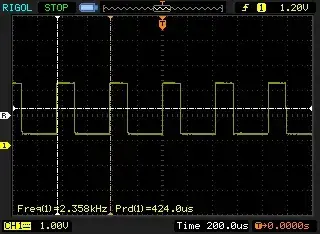
La regolazione 0–10V utilizza un segnale di controllo a bassa tensione per regolare l'uscita luminosa indipendentemente dall'alimentazione di rete. L'alimentazione CA rimane costante mentre la luminosità è controllata da una coppia di segnali separata.
Nota: le implementazioni variano. Alcuni sistemi utilizzano 0–10V (0V = minimo), altri 1–10V (1V = minimo). Il comportamento in stato di spegnimento dipende dalla progettazione del driver e dalla strategia di commutazione.
Perché lo 0-10V è Preferito nei Progetti Commerciali
- Dimmeraggio stabile e senza sfarfallio
- Ampia e prevedibile gamma di regolazione
- Interazione minima con la forma d'onda CA
- Facile zonizzazione e scalabilità
- Compatibile con i sistemi di gestione degli edifici
Poiché controllo e alimentazione sono separati, Sistemi di dimmeraggio 0–10V per LED sono molto meno sensibili alla dimensione del carico e alla non linearità del driver.
Differenze chiave tra la regolazione TRIAC e 0–10V
| Aspetto | Dimmeraggio TRIAC | Dimmeraggio 0-10V |
|---|---|---|
| Metodo di controllo | Taglio di fase CA | Segnale analogico a bassa tensione |
| Utilizzo tipico | Ristrutturazioni, zone semplici | Progetti commerciali e architettonici |
| Rischio di sfarfallio | Maggiore a bassi livelli | Molto basso se cablato correttamente |
| Sensibilità del carico minimo | Sì | No (basato su segnale) |
| Complessità del cablaggio | Basso | Moderata (coppia di controllo aggiuntiva) |
| Scalabilità | Limitata | Eccellente |
| Integrazione con BMS | Limitata | Forte |
Questo confronto evidenzia perché selezione del sistema di dimmeraggio commerciale preferisce sempre più lo 0-10V nelle nuove costruzioni.
Compatibilità: Il Fattore di Rischio Reale nei Progetti di Dimmeraggio

La maggior parte dei fallimenti di progetto non è causata solo da dimmer o apparecchi di illuminazione, ma dalla loro interazione.
Insidie comuni di compatibilità
- Regolatori TRIAC abbinati a driver non progettati per ingressi a taglio di fase
- Carico minimo non raggiunto sui circuiti TRIAC
- Lunghi percorsi di controllo 0-10V senza una corretta gestione del segnale
- Linee di controllo flottanti o terminate in modo errato
- Modelli di driver misti all'interno della stessa zona
La compatibilità deve essere convalidata a livello di sistema, non a livello di prodotto.
Perché i test sono importanti
Gli standard di settore enfatizzano i test di sistema:
- IEEE 1789 per considerazioni sullo sfarfallio
- IEC 62386 for digital lighting interfaces
- UL 8750 for LED driver safety
- IEC 61000-3-2 for harmonic limits
Requesting dimmer compatibility lists or test reports is a best practice for B2B buyers.
When to Choose TRIAC Dimming
TRIAC dimming makes sense when:
- Retrofitting existing halogen or incandescent systems
- Wall-box dimmers must be reused
- Zones are small and simple
- Budget constraints limit control wiring changes
Recommended applications:
- Small commercial renovations
- Residential-style hospitality spaces
- Limited-zone lighting without future expansion plans
When to Choose 0–10V Dimming
0–10V dimming is the better choice when:
- Designing new commercial or hospitality projects
- Multiple zones or large fixture counts are required
- Flicker-free low-level dimming is critical
- Integration with BMS or smart controls is planned
Recommended applications:
- Offices and conference centers
- Hotels and hospitality projects
- Retail and architectural lighting
- Long-term installations requiring stability
Common Problems and How to Avoid Them
Problem 1: Flicker at Low Levels
Cause: Incompatible driver or control method
Solution: Match dimming protocol and verify minimum dimming performance
Problem 2: Audible Noise
Cause: Phase-cut stress on driver components
Solution: Use trailing-edge TRIAC or switch to 0–10V
Problem 3: Limited Dimming Range
Cause: Conservative driver design
Solution: Specify required minimum dimming level during procurement
Problem 4: Zone Inconsistency (0–10V)
Cause: Signal voltage drop or wiring errors
Solution: Follow Class 2 wiring practices and proper termination
Buyer Decision Checklist (Before Quoting or Ordering)
Before selecting Dimmeraggio TRIAC vs 0–10V, confirm:
- Dimmer brand and model
- Number of fixtures per circuit
- Driver dimming interface
- Required minimum dimming level
- Control wiring distance
- Future expansion or zoning needs
This checklist alone prevents most commissioning failures.
Domande frequenti
Can TRIAC dimming work reliably with LEDs?
Yes, but only with compatible drivers and correct load conditions.
Is 0–10V always better?
Not always. It offers better stability but requires additional wiring and planning.
Do I need separate switching with 0–10V?
Often yes. Many systems require a switched hot in addition to the control signal.
Conclusion: Business Value
Choosing the right dimming method is not about technology preference—it is about risk management, scalability, and lifecycle cost. TRIAC dimming remains useful for simple retrofits, but 0–10V dimming delivers superior reliability and control for modern commercial LED projects.
Well-matched dimming systems reduce commissioning delays, minimize maintenance, and protect long-term project value.
Teco supports B2B buyers, contractors, and specifiers with dimmable LED solutions designed for real-world compatibility.
We help with:
- TRIAC and 0–10V dimming selection
- Driver and dimmer compatibility review
- Pre-project system validation
- Stable supply for long-term programs
Email: [email protected]
Sito web: https://www.tecolite.com
Share your dimmer type, fixture count, and project requirements.
We’ll help you select a dimming solution that works on site—not just on paper.
Footnotes & References
- IEEE 1789 – Recommended Practices for Modulating Current in LEDs
https://standards.ieee.org/standard/1789-2015.html - IEC 62386 – Digital Addressable Lighting Interface
https://webstore.iec.ch/en/publication/63177 - IEC 61000-3-2 – Limits for Harmonic Current Emissions
https://webstore.iec.ch/en/publication/413