Lighting can make or break a room’s vibe. Choosing the right color temperature is your secret weapon for transforming any space!
To choose the right color temperature for your room, consider the room’s purpose and desired ambiance. Use warm whites (2700K-3000K) for cozy, relaxing environments like living rooms and bedrooms, and cooler whites (3000K-5000K) for functional areas such as kitchens and workspaces.
While this quick guideline offers a starting point, delving deeper into specific room needs and lighting technologies can further refine your choices. Explore how different color temperatures impact your daily life and discover tips tailored for each room.
[claim claim=”Warm white light is best for kitchens.” istrue=”false” explanation=”Cooler whites (3000K-5000K) are recommended for kitchens to enhance functionality.”]
What Is Color Temperature and Why Does It Matter?
Understanding color temperature is crucial for creating comfortable and functional living spaces.
Color temperature measures the hue emitted by a light source, expressed in Kelvin (K). It matters because it affects mood, productivity, and the overall atmosphere of a space, guiding us in selecting the appropriate lighting for different environments.
Defining Color Temperature
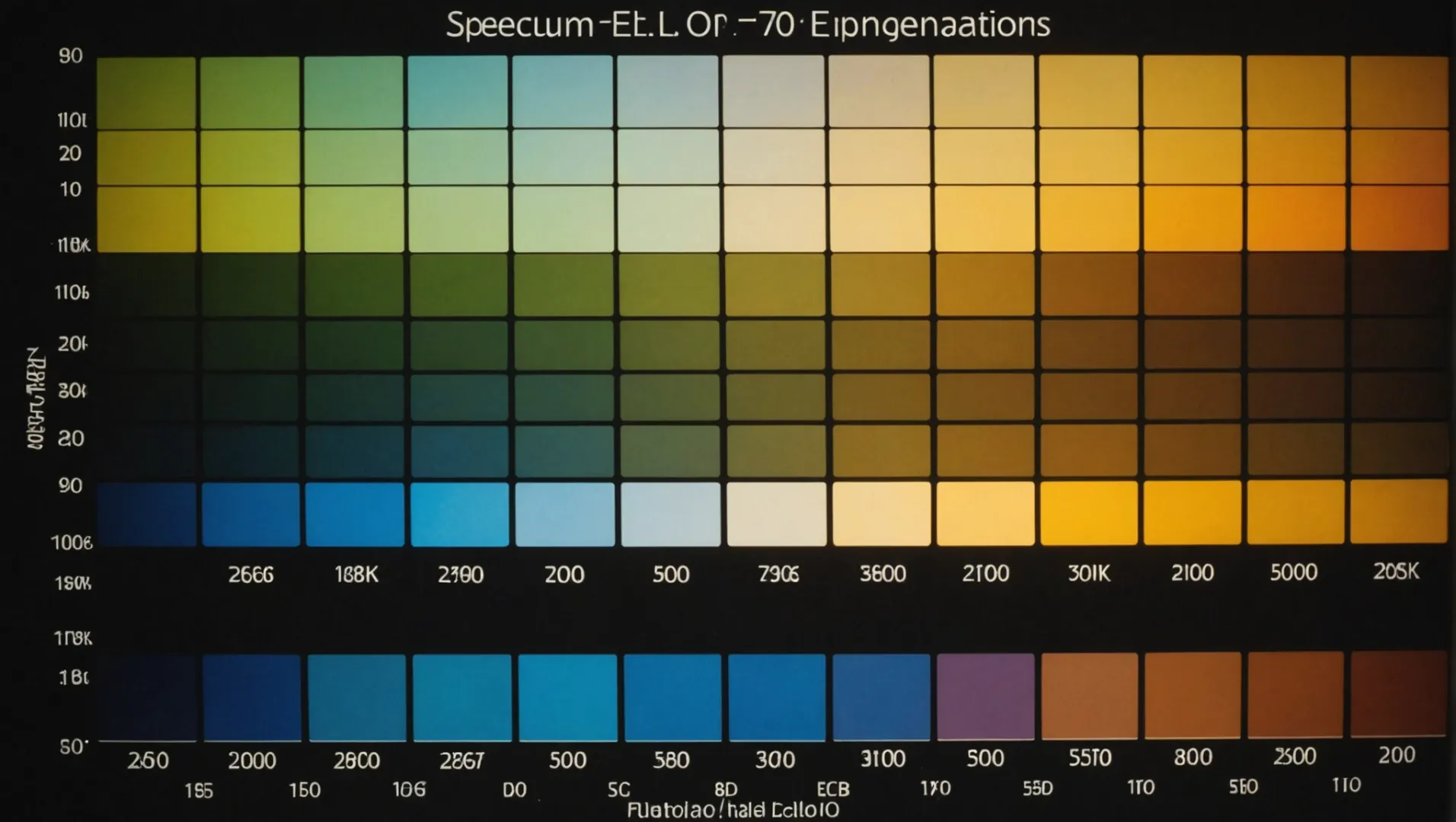
Color temperature is a concept that quantifies the hue or tint1 of light emitted by a source, measured in Kelvin (K). Lower Kelvin numbers, like 2700K, indicate warm, yellowish light similar to candlelight, while higher numbers, such as 5000K, represent cool, bluish light akin to daylight. Understanding this spectrum helps in choosing the right light for various settings.
Perché è importante
The importance of color temperature lies in its profound impact on our emotions and activities. For instance:
Mood Enhancement: Warm lights can create a cozy, relaxing ambiance ideal for spaces like living rooms and bedrooms. In contrast, cooler lights enhance alertness and concentration, making them suitable for offices and kitchens.
Visual Clarity: Different tasks require varying levels of visual clarity. In workspaces, cooler temperatures provide better clarity and reduce eye strain.
Circadian Rhythm: Exposure to certain color temperatures affects our body’s internal clock. Cool light can stimulate energy and wakefulness during the day, while warm light is preferable as the evening approaches to prepare the body for rest.
Selecting the Right Temperature for Different Spaces
Here’s a simplified table for quick reference:
| Room Type | Suggested Color Temperature |
|---|---|
| Soggiorno | 2700K – 3000K |
| Cucina | 3000K – 4000K |
| Office | 4000K – 5000K |
| Camera da letto | 2700K – 3000K |
| Bagno | 2700K – 3000K |
Each room has its own lighting requirements based on its purpose and the activities conducted within. Using this table, you can start experimenting with lighting setups that suit your lifestyle.
By acknowledging how color temperature influences our daily life, we can make informed decisions that enhance comfort and functionality in our homes.
[claim claim=”Color temperature is measured in Celsius.” istrue=”false” explanation=”Color temperature is measured in Kelvin, not Celsius.”]
[claim claim=”Warm light is ideal for living rooms.” istrue=”true” explanation=”Warm light creates a cozy ambiance, perfect for relaxing spaces.”]
How Does Color Temperature Affect Mood and Functionality?
Discover how varying color temperatures can influence your mood and productivity in different spaces.
Color temperature influences mood by creating different ambiances; warmer tones promote relaxation, while cooler tones enhance focus. Adjusting color temperature in various rooms can optimize both emotional comfort and functional efficiency.
La scienza dietro la temperatura del colore
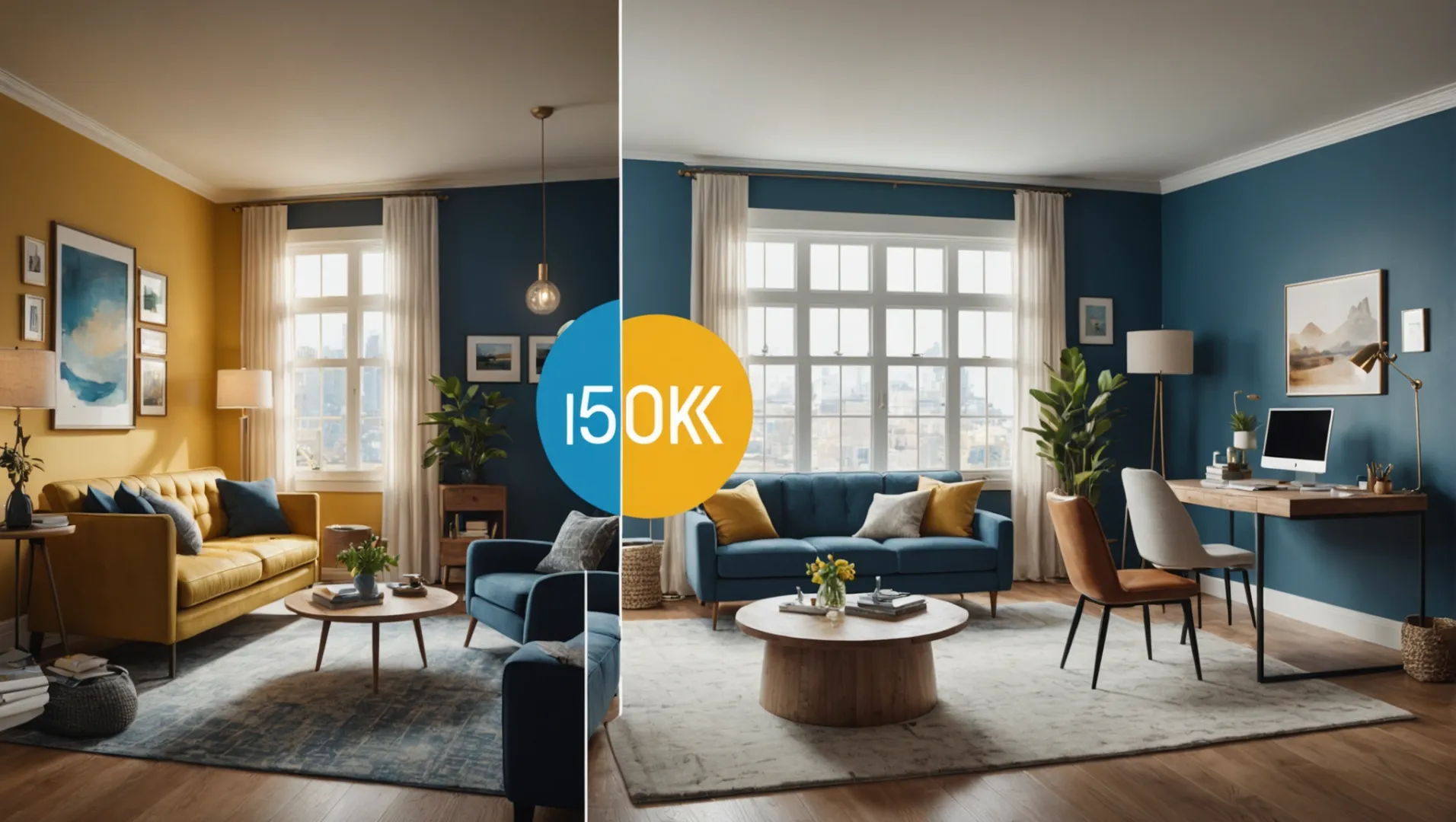
Color temperature, measured in Kelvin (K), describes the hue of a light source. Lower temperatures (2000K-3000K) emit warm, yellowish light, akin to candlelight or a sunset. Higher temperatures (4000K-6500K) produce cooler, bluish light similar to daylight. Understanding these nuances is crucial for tailoring the atmosphere of your space.
Psychological Effects of Color Temperature
Warm Tones (2700K-3000K): These hues are comforting and inviting, ideal for spaces designed for relaxation, such as living rooms and bedrooms. They help reduce stress levels and encourage a cozy environment. When used in areas like the front desk2, they create a welcoming first impression.
Cool Tones (3500K-5000K): These shades boost concentration and alertness, making them perfect for workspaces, kitchens, and bathrooms. Cooler lights can help invigorate and enhance focus, thus improving task efficiency.
Functional Implications of Color Temperature
| Room Type | Temperatura di colore consigliata | Impact |
|---|---|---|
| Soggiorno | 2700K-3000K | Promotes relaxation and unwinding |
| Cucina | 3000K-4000K | Enhances visibility for meal preparation |
| Camera da letto | 2700K | Favorisce un sonno riposante |
| Spazio di lavoro | 3500K-5000K | Aumenta la produttività e la concentrazione |
Personalizzare l'illuminazione in base alle proprie esigenze
Per massimizzare veramente i benefici della temperatura del colore, considera gli scopi unici di ogni stanza. Ad esempio, in una soggiorno3, potresti optare per una soluzione dimmerabile che ti consenta di regolare la calore in base alle attività, dalla lettura all'intrattenimento degli ospiti.
Inoltre, tecnologie di illuminazione avanzate come le lampadine intelligenti consentono cambiamenti dinamici durante la giornata, simulando i modelli di luce naturale e aiutando a regolare il ritmo circadiano.
Comprendendo come la temperatura del colore influisce sull'umore e sulla funzionalità, puoi prendere decisioni informate che migliorano sia gli aspetti estetici che pratici dei tuoi spazi abitativi.
[claim claim=”Le tonalità calde riducono lo stress nei soggiorni.” istrue=”true” explanation=”Le tonalità calde promuovono il rilassamento, riducendo i livelli di stress in ambienti accoglienti.”]
[claim claim=”Le tonalità fredde sono le migliori per le camere da letto per migliorare il sonno.” istrue=”false” explanation=”Le camere da letto beneficiano di tonalità calde, che favoriscono un sonno riposante.”]
Quali sono le migliori temperature di colore per le diverse stanze?
Scegliere la giusta temperatura di colore per ogni stanza può migliorare significativamente l'ambiente domestico.
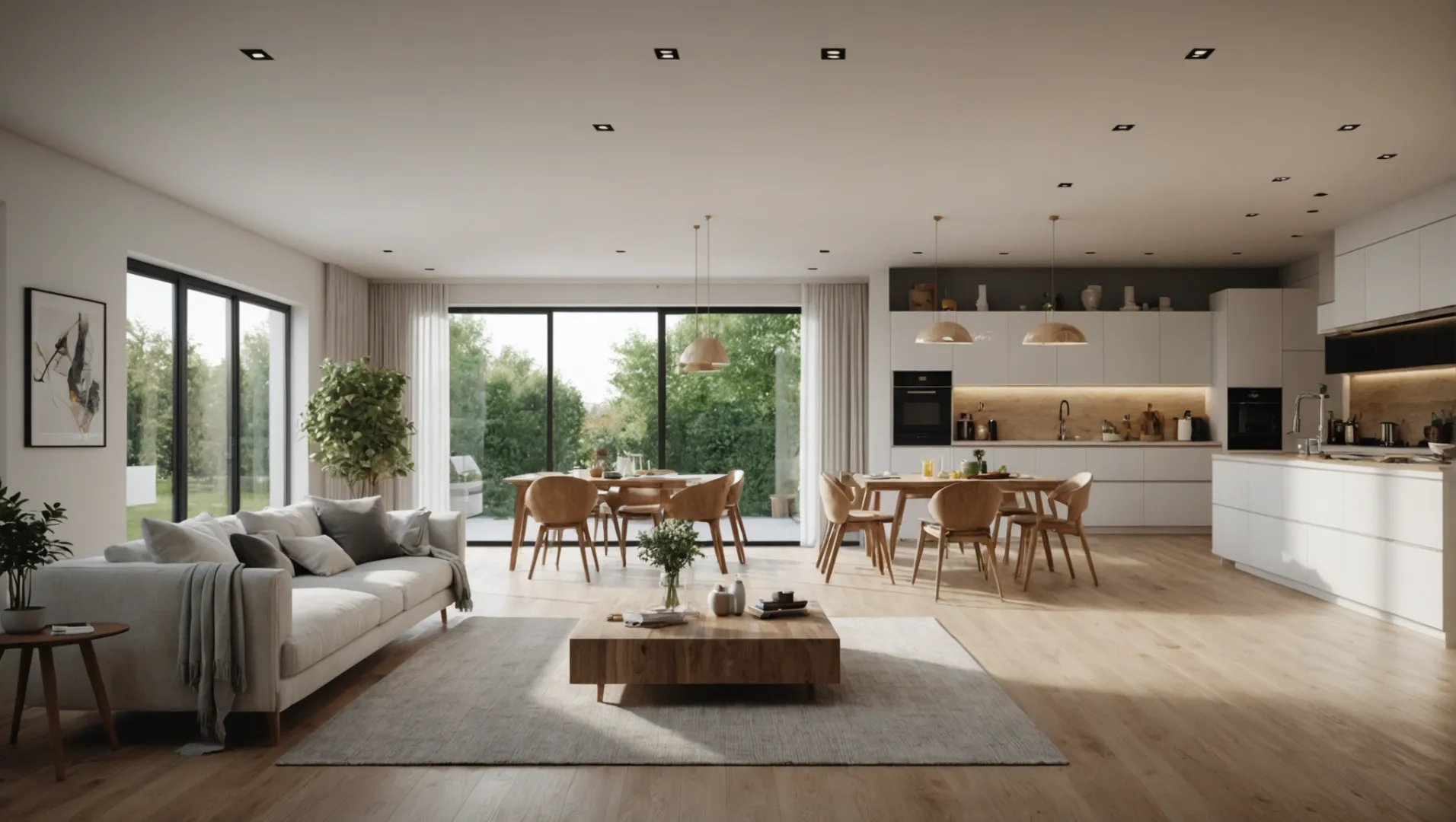
Per ogni stanza, seleziona temperature di colore che si adattino al suo utilizzo: bianco molto caldo (1800K-2700K) per ambienti accoglienti come soggiorni e sale da pranzo, bianco caldo (2700K-3000K) per le camere da letto e bianchi più freddi (3000K-5000K) per cucine e spazi di lavoro.
Comprendere le basi della temperatura di colore
La temperatura di colore è misurata in Kelvin (K) e indica la tonalità di un particolare tipo di sorgente luminosa. Numeri Kelvin più bassi significano che la luce appare più gialla, mentre numeri più alti indicano una luce più blu. Questo è cruciale perché il colore della luce può influenzare come percepiamo gli spazi e la loro atmosfera.
Temperature di colore ideali per tipo di stanza
Scegliere la migliore temperatura di colore per ogni stanza implica considerare sia la funzione che la sensazione desiderata dello spazio:
Soggiorni e Sale da Pranzo: Utilizza un'illuminazione bianca molto calda compresa tra 1800K e 2700K. Questa tonalità morbida crea un'atmosfera accogliente e intima perfetta per il relax e le riunioni sociali. Scegli opzioni con regolazione fino al caldo se desideri flessibilità nell'intensità luminosa.
Cucine e mense: Le cucine beneficiano di toni leggermente più freddi, con bianco caldo intorno a 3000K o soluzioni dim-to-warm (2200-2700K). Queste temperature migliorano la visibilità senza perdere calore, rendendo la preparazione del cibo più sicura e piacevole.
Camere da letto: Per ambienti riposanti, il bianco molto caldo a 2700K o 3000K è ideale. Le luci dim-to-warm (2200-3000K) possono aiutare nella transizione dalla luminosità diurna a una luce più soffusa, favorendo il rilassamento prima del sonno.
Bagni e servizi igienici: Opta per bianco molto caldo (2700K) o bianco caldo (3000K). Queste temperature offrono chiarezza per le attività quotidiane di cura personale mantenendo un ambiente confortevole.
| Room Type | Temperatura di colore consigliata |
|---|---|
| Soggiorno/Sale da pranzo | 1800K – 2700K |
| Cucine/Mense | 3000K o 2200-2700K |
| Camere da letto | 2700K o 2200-3000K |
| Bagni/Toilette | 2700K – 3000K |
Adattamento alle preferenze personali
Sebbene queste linee guida offrano una direzione generale, la preferenza personale gioca un ruolo chiave nelle scelte di illuminazione. Testare diverse temperature di colore può rivelare ciò che si sente meglio nel tuo spazio unico. Considera l'uso di soluzioni di illuminazione intelligenti che ti consentono di regolare la temperatura del colore durante il giorno in base alla disponibilità di luce naturale e ai livelli di attività.
Per maggiori dettagli sulla creazione dell'atmosfera, esplora come sperimentare con l'illuminazione4 per adattare il tuo ambiente al tuo stile di vita.
[claim claim=”I soggiorni dovrebbero utilizzare una temperatura di colore di 1800K-2700K.” istrue=”true” explanation=”L'illuminazione bianca molto calda crea un'atmosfera accogliente per le aree living.”]
[claim claim=”Le camere da letto necessitano di luce bianca più fredda a 3000K-5000K.” istrue=”false” explanation=”Le camere da letto beneficiano di luce bianca calda, idealmente 2700K o 3000K.”]
Come sperimentare con l'illuminazione per ottenere l'ambientazione perfetta?
Sperimentare con l'illuminazione può alterare drasticamente l'ambientazione di una stanza, creando un ambiente su misura che si adatta alle tue esigenze.
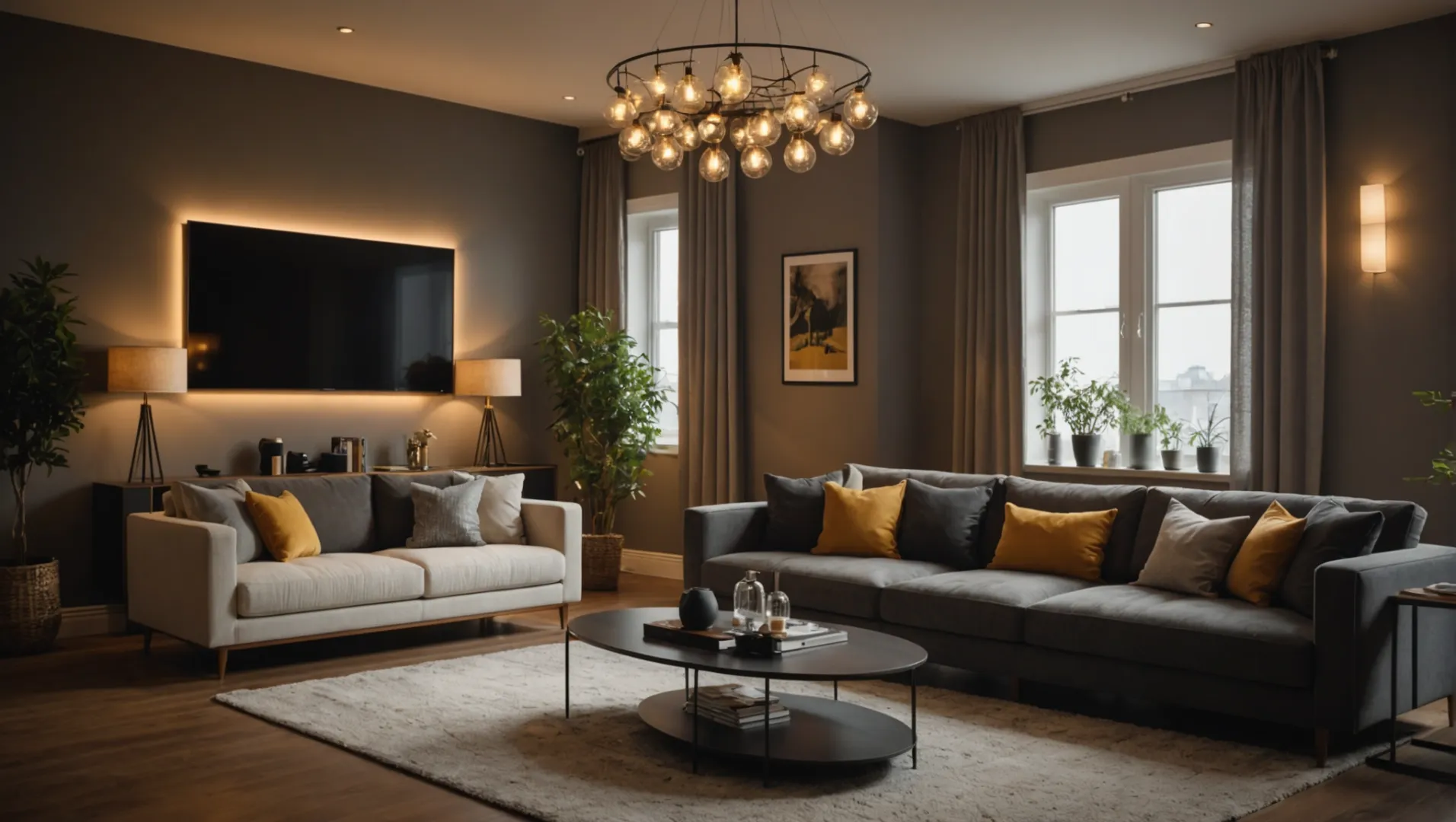
Per ottenere l'ambientazione perfetta attraverso l'illuminazione, sperimenta con diversi tipi di lampadine, temperature di colore e capacità di dimmerazione. Regola il posizionamento e la stratificazione delle luci per trovare un equilibrio armonioso che rifletta l'atmosfera desiderata.
Comprendere i tipi di lampadine
Diverse lampadine offrono effetti variabili. Le lampadine a incandescenza forniscono una luce calda, ideale per creare un'atmosfera accogliente. Lampadine LED5 are versatile, offering a range of color temperatures from warm to cool. Compact fluorescent lamps (CFLs) are energy-efficient but often emit a cooler light. Each type can influence your room’s mood differently.
Exploring Color Temperature Options
Color temperature is measured in Kelvin (K) and affects how warm or cool a light appears. For instance:
| La camera | Suggested Color Temperature |
|---|---|
| Soggiorno | 2700K – 3000K (Warm White) |
| Cucina | 3000K – 5000K (Cool White) |
| Camera da letto | 2200K – 2700K (Very Warm White) |
| Bagno | 2700K – 3000K (Warm White) |
Experiment by adjusting these temperatures to suit specific activities or moods in each room.
The Art of Layering Light
Create depth and interest by layering different types of lighting:
- Illuminazione Ambientale: Provides overall illumination. Think overhead fixtures or chandeliers.
- Task Lighting: Focuses on specific areas. Perfect for reading nooks or kitchen counters.
- Illuminazione d'Accento: Highlights architectural features or art pieces. Use spotlights or wall sconces.
Combining these layers helps establish a dynamic and functional space.
Dimming Capabilities for Versatility
Incorporate dimmable lights to adjust brightness based on the time of day or occasion. Sistemi di illuminazione intelligenti6 allow easy control over dimming and color temperature through apps, offering greater flexibility to experiment with settings until you find the perfect balance.
Testing and Tweaking
Once you have your setup, test it during different times of the day. Observe how natural light interacts with artificial lighting and adjust as needed. Sometimes, small changes like repositioning a lamp or switching to a different bulb can make a significant difference in achieving the desired ambiance.
[claim claim=”Incandescent bulbs emit cooler light than CFLs.” istrue=”false” explanation=”Incandescent bulbs emit a warm glow, while CFLs often emit cooler light.”]
[claim claim=”Dimmable lights offer more versatility for ambiance.” istrue=”true” explanation=”Dimmable lights allow brightness adjustments for different moods or times.”]
Conclusione
Choosing the right color temperature enhances both the atmosphere and functionality of your spaces. Experiment with different temperatures to find what best suits your needs.
This link explains how color temperature impacts lighting hue.: Use the Kelvin color temperature scale below to help identify the approximate hue certain bulbs will provide. Kelvin Color Temperature Chart. ↩
Learn how warm lighting enhances hospitality and first impressions.: Natural light from both the morning and evening has been found to decrease depression and improve mood, energy, alertness and productivity. ↩
Explore adjustable lighting options for versatile living room ambiance.: Get free shipping on qualified Dimmable Flush Mount Ceiling Lights products or Buy Online Pick Up in Store today in the Lighting Department. ↩
Discover innovative lighting techniques for customizing room ambiance.: There are various ways to achieve good mood lighting, such as using color temperature, dimmers, and accent lighting. ↩
Learn how various LED bulbs can impact ambiance and efficiency.: This guide outlines the features and benefits of various types of LED lights so you can find the best LED lights for your home. ↩
Discover smart systems that simplify light control for perfect ambiance.: We have the best picks for LED smart bulbs, wall panels, strip lights, smart switches, Bluetooth bulb options and accessories you’re after — we’ve tested … ↩