Излучают ли светодиодные лампы слишком много синего света?
Many people worry about blue light from LED bulbs after spending hours under artificial lighting. The concern grows as LED technology becomes standard in homes and offices worldwide.
LED lights do emit blue light, but the amount varies significantly by bulb type and color temperature. Most residential LED bulbs produce less blue light than natural sunlight, though some high-intensity LEDs can exceed recommended exposure levels for extended close-range use.
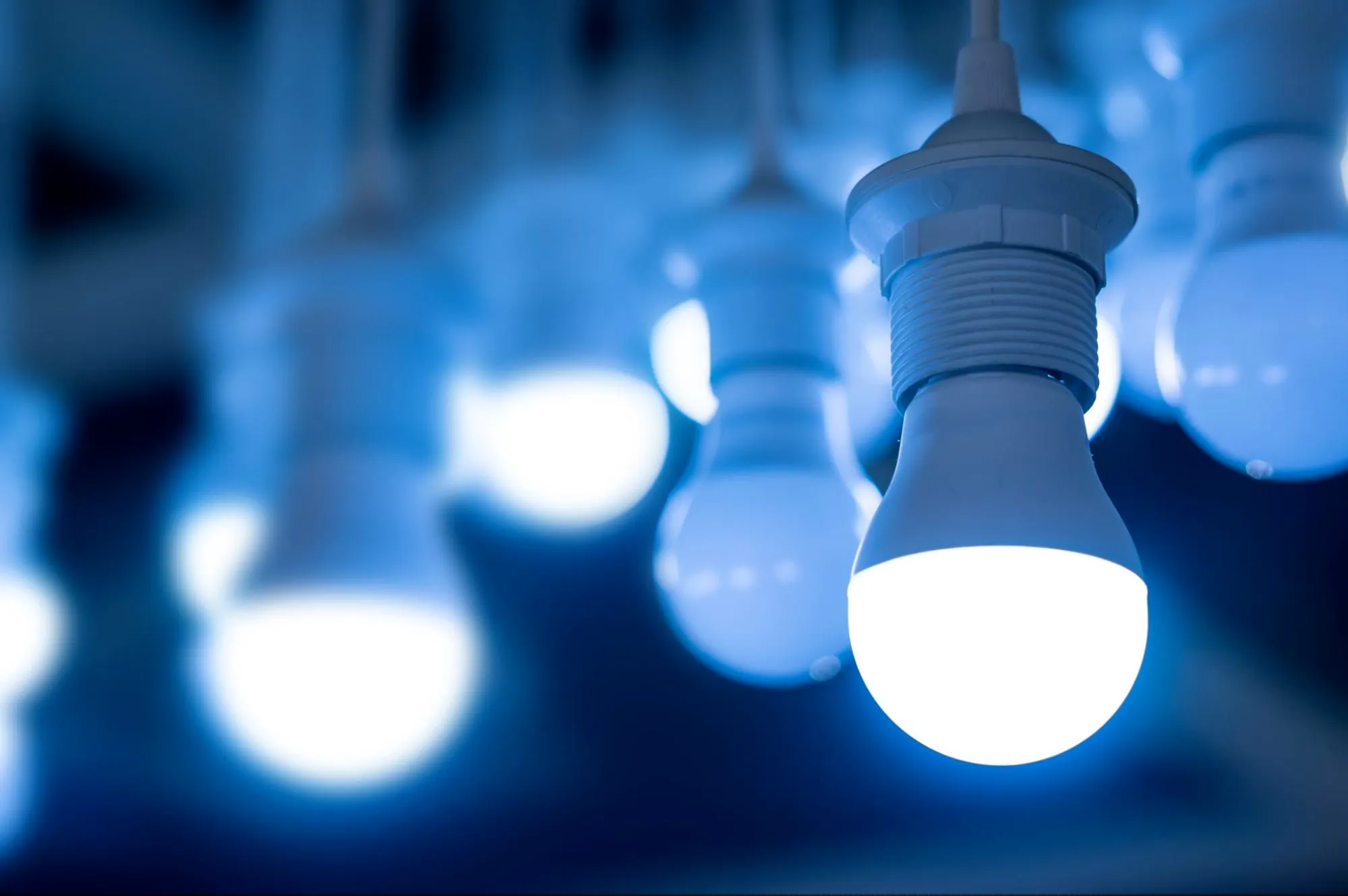
Understanding blue light exposure from LEDs helps consumers make informed choices about their lighting environment and daily routines.
What Is Blue Light and Why Does It Matter?
Blue light concerns have exploded across social media and health discussions. People question every screen and bulb in their environment.
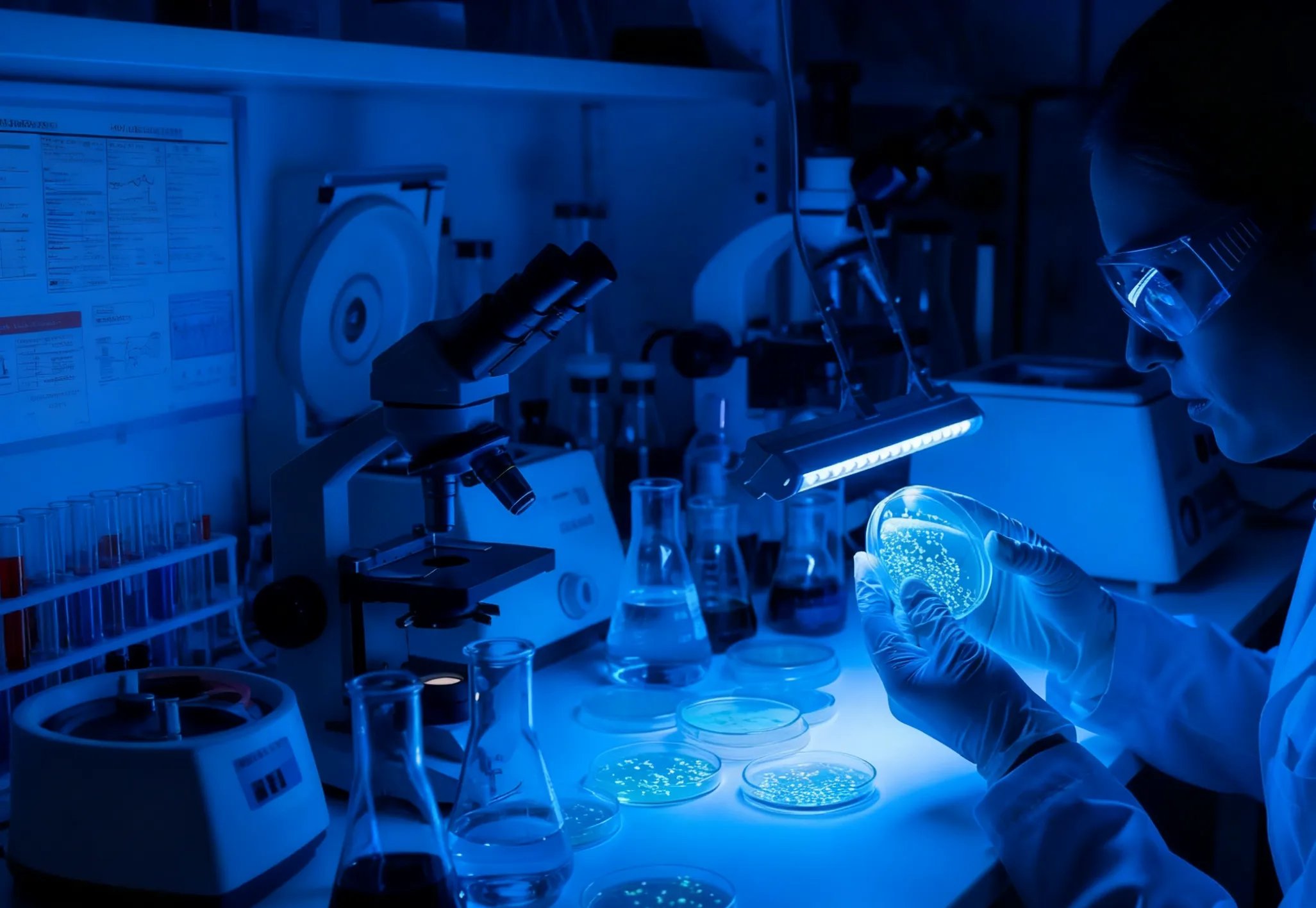
Blue light has shorter wavelengths and higher energy compared to other visible colors, allowing it to penetrate materials differently. This makes it useful for optical applications, fluorescence detection, and various industrial processes requiring precise light wavelengths
Understanding Blue Light Sources and Intensity
Blue light exists everywhere in our environment, but intensity levels vary dramatically between sources. Natural sunlight contains the highest concentration of blue light wavelengths, measuring approximately 100,000 lux on a bright day. Indoor LED lighting typically ranges from 100-1,000 lux, while computer screens emit roughly 15-60 lux at normal viewing distances.
| Light Source | Blue Light Intensity (lux) | Exposure Duration | Health Impact Level |
|---|---|---|---|
| Direct Sunlight | 80,000-100,000 | 30 minutes-8 hours | Beneficial (natural) |
| LED Ceiling Lights | 200-1,000 | 8-12 hours | Low risk |
| Computer Screens | 15-60 | 4-10 hours | Moderate concern |
| Smartphone Screens | 10-25 | 2-6 hours | Low-moderate risk |
The human eye evolved to handle significant blue light exposure during daylight hours. Blue photoreceptors in our retinas use this wavelength to signal the brain about time of day and environmental conditions. These same receptors can become overstimulated when exposed to artificial blue light during evening hours.
Biological Functions of Blue Light
Blue light serves essential biological functions beyond simple vision. Specialized ganglion cells in the retina respond specifically to blue wavelengths, sending signals directly to the hypothalamus where our master circadian clock resides. This mechanism helps maintain proper sleep-wake cycles, hormone production, and metabolic processes.
Research demonstrates that blue light exposure increases cortisol production and suppresses melatonin synthesis. During morning and afternoon hours, this response enhances alertness, cognitive performance, and mood regulation. The same mechanism becomes problematic when blue light exposure continues into evening hours.
Is Blue LED Light Good or Bad for You?
Health experts debate LED blue light effects while consumers search for clear guidance. The answer depends heavily on timing and exposure patterns.
Blue LED light provides benefits during daytime hours by supporting alertness and circadian rhythm regulation. Problems arise mainly from excessive evening exposure or high-intensity sources used at close distances for extended periods.
Daytime Benefits of Blue LED Exposure
Morning and afternoon blue light exposure offers measurable health advantages. Studies show that blue-enriched LED lighting in office environments improves worker alertness, reduces fatigue, and enhances cognitive performance. Healthcare facilities use blue light therapy to treat seasonal affective disorder and certain types of depression.
Blue LED exposure during the first half of the day helps synchronize circadian rhythms with natural light cycles. This synchronization improves sleep quality at night, even when blue light exposure occurs from artificial sources. Workers in windowless environments particularly benefit from blue-enriched LED lighting systems.
Potential Risks and Concerns
Extended close-range exposure to high-intensity blue LEDs may contribute to digital eye strain and retinal stress. Some research suggests that chronic high-level blue light exposure could accelerate macular degeneration, though this connection remains under investigation. Most studies showing retinal damage involve intensity levels far exceeding typical LED household lighting.
| Risk Factor | Low Risk | Moderate Risk | High Risk |
|---|---|---|---|
| Distance from Source | >24 inches | 12-24 inches | <12 inches |
| Daily Exposure Duration | <4 hours | 4-8 hours | >8 hours |
| Light Intensity | <500 lux | 500-2000 lux | >2000 lux |
| Time of Day | Morning/Afternoon | Evening | Late Night |
Age affects blue light sensitivity significantly. Children’s eyes transmit more blue light to the retina than adult eyes, potentially increasing their vulnerability to high-intensity sources. Adults over 50 show reduced blue light transmission, which may actually protect against some negative effects while reducing circadian response benefits.
Individual Sensitivity Variations
Personal sensitivity to blue light varies based on genetics, age, and existing eye conditions. Some individuals experience headaches, eye strain, or mood changes from LED exposure that others tolerate easily. People with certain genetic variants show stronger circadian responses to blue light, making them more susceptible to evening exposure effects.
How Blue LED Light Affects Sleep, Performance, and Wellbeing
Evening LED exposure creates the most significant health concerns for most people. The timing of blue light exposure matters more than total daily amounts.
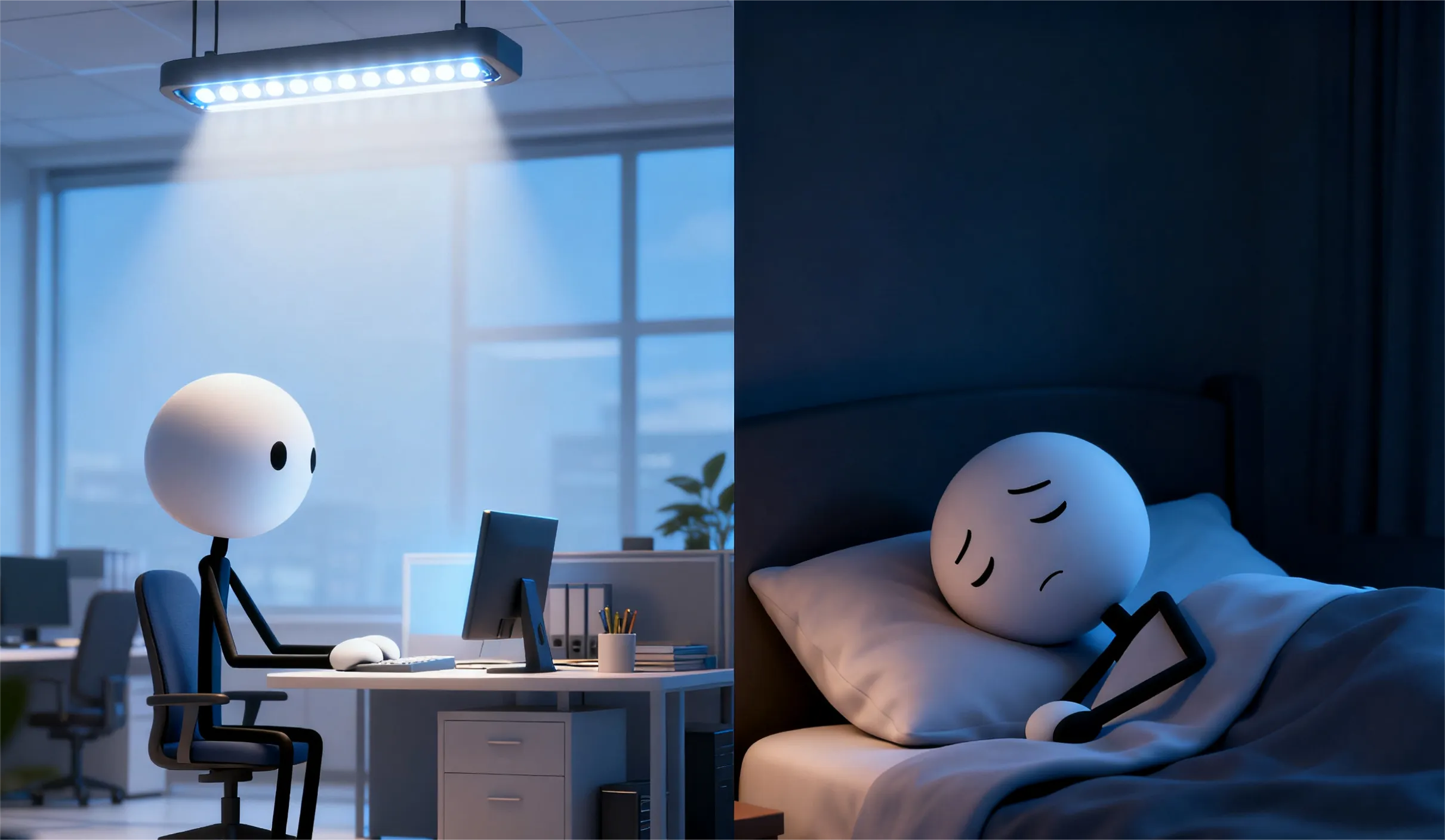
Blue LED light exposure within 2-3 hours of bedtime can delay sleep onset, reduce sleep quality, and shift circadian rhythms. However, strategic daytime LED use enhances alertness, mood, and cognitive function without negative effects.
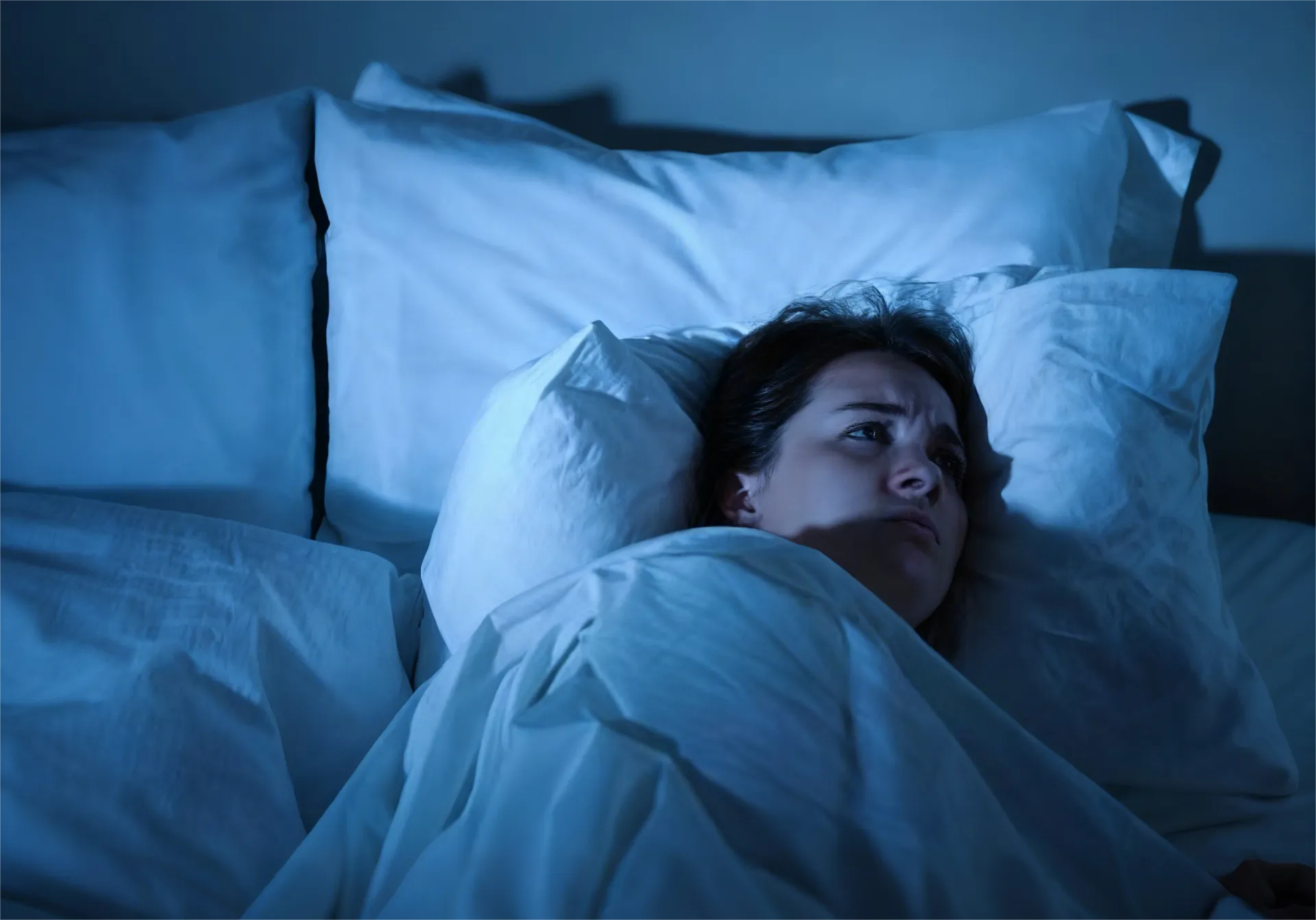
Sleep Pattern Disruption Mechanisms
Blue light suppresses melatonin production through a dose-dependent relationship. Even relatively low-intensity LED sources can reduce melatonin by 50% or more when exposure occurs during evening hours. This suppression delays sleep onset and reduces overall sleep quality.
The circadian timing system responds most strongly to blue light between 460-480 nanometers. Many LED bulbs emit peak energy in this exact range, making them particularly effective at shifting sleep schedules. A two-hour delay in sleep timing can occur from just 30 minutes of bright LED exposure before bedtime.
Performance and Cognitive Effects
Strategic blue LED lighting improves workplace performance through multiple mechanisms. Blue light increases core body temperature, elevates heart rate slightly, and enhances reaction times. These physiological changes translate to improved focus, faster decision-making, and reduced error rates in cognitive tasks.
| Performance Metric | Improvement with Blue LED | Study Duration | Sample Size |
|---|---|---|---|
| Reaction Time | 12-18% faster | 4 weeks | 156 participants |
| Sustained Attention | 23% improvement | 6 weeks | 89 participants |
| Memory Recall | 15% better performance | 3 weeks | 134 participants |
| Mood Ratings | 31% positive increase | 8 weeks | 203 participants |
Educational environments show particular benefits from blue-enriched LED systems. Students demonstrate improved test scores, better classroom behavior, and reduced fatigue when learning under optimized LED lighting. These benefits appear strongest during morning hours when natural circadian alertness peaks.
Long-term Wellbeing Considerations
Chronic circadian disruption from inappropriate LED timing links to various health issues including metabolic disorders, immune dysfunction, and mood problems. However, proper LED use supports long-term health by reinforcing natural circadian rhythms and improving sleep quality.
Seasonal variations affect optimal LED strategies. Winter months may require increased blue LED exposure during daytime hours to compensate for reduced natural sunlight. Summer periods might benefit from warmer LED color temperatures to avoid excessive blue light accumulation.
Заключение
LED blue light effects depend entirely on timing, intensity, and individual sensitivity rather than being inherently harmful or beneficial.