هل وجدت نفسك تغفو خلال جلسة عمل طويلة؟ قد لا يكون الأمر متعلقًا بك فقط؛ فقد تلعب الإضاءة دورًا! دعنا نتعمق في كيف يمكن لدرجة حرارة اللون المناسبة أن تحول مساحة عملك إلى مركز للإنتاجية.
أفضل درجة حرارة لون لمساحات العمل المنزلية والمكاتب هي الضوء الأبيض البارد، حوالي 4000K. هذه الدرجة تحافظ على انتباهك وتركيزك، وتعزز الإنتاجية والراحة من خلال محاكاة ضوء النهار الطبيعي، مما يجعلها مثالية لبيئات العمل.
بينما يوصى بـ 4000K، فإن فهم الفروق الدقيقة لخيارات الإضاءة المختلفة يمكن أن يعزز مساحة عملك أكثر. تعمق في دليلنا التفصيلي لمعرفة أفضل إعدادات الإضاءة للحفاظ على التركيز وتقليل إجهاد العين.
[claim claim=”الضوء الأبيض البارد (4000 كلفن) مثالي لإنتاجية المكتب.” istrue=”true” explanation=”الضوء الأبيض البارد يحاكي ضوء النهار، مما يعزز التركيز والطاقة.”]
كيف تؤثر درجة حرارة اللون على الإنتاجية؟
اكتشف الرابط المثير للاهتمام بين درجة حرارة اللون وكفاءة مكان العمل.
تؤثر درجة حرارة اللون على الإنتاجية من خلال التأثير على المزاج والانتباه والتركيز. يُنصح باستخدام الضوء الأبيض البارد (4000 كلفن) في أماكن العمل لأنه يحاكي ضوء النهار الطبيعي، مما يعزز التركيز ومستويات الطاقة. يمكن للإنارة المناسبة أن تقلل التعب وتعزز كفاءة العمل.
العلم وراء درجة حرارة اللون
درجة حرارة اللون، المقاسة بالكلفن (K)، تحدد اللون المنبعث من مصدر الضوء. درجات الحرارة المنخفضة (أقل من 3000K) تميل إلى إعطاء توهج دافئ مصفر، بينما درجات الحرارة الأعلى (أعلى من 5000K) تعطي لونًا باردًا مزرقًا.
تشير دراسة إلى أن درجات الحرارة الباردة، مثل تلك الموجودة حول 4000 كلفن، تحاكي ضوء النهار الطبيعي بشكل أقرب. هذا لا يعزز التركيز فحسب، بل يرفع أيضًا من الحالة المزاجية، مما يخلق بيئة مثالية للإنتاجية. غالبًا ما يرتبط إدراك الدماغ للضوء البارد باليقظة والانتباه.
الإضاءة المثالية للمهام المختلفة
تتطلب بيئات العمل ظروف إضاءة مختلفة بناءً على المهام المنفذة. إليك تفصيلاً:
| المهمة | درجة حرارة اللون الموصى بها | الوصف |
|---|---|---|
| عمل عام | 4000 كلفن | يعزز اليقظة ويقلل التعب |
| المهام التفصيلية | 5000-6500K | يحسن الوضوح البصري والدقة |
| استرخاء | 2700-3000 كلفن | يخلق جوًا مهدئًا |
بينما إضاءة الضوء الأبيض البارد1 يساعد على التركيز، من المهم موازنته بألوان دافئة أثناء فترات الراحة لتجنب الإفراط في التحفيز.
معالجة الوهج وإجهاد العين
يمكن أن يؤدي الوهج المفرط من الإضاءة إلى عدم الراحة وإجهاد العين، مما يؤثر سلبًا على الإنتاجية. اختر ألواح LED ذات تقييم موحد للوهج (UGR) أقل من 19 لتقليل الوهج. تقوم هذه الألواح بتوزيع الضوء بشكل متساوٍ، مما يمنع الظلال القاسية والانعكاسات.
بالإضافة إلى ذلك، استخدام تركيبات مثل اللمبات المدمجة LED ذات الضوء الأبيض البارد2 زاوية 90 درجة تضمن توجيه الضوء للأسفل، مما يقلل إجهاد العين مع الحفاظ على الإضاءة الفعالة.
التأثيرات النفسية للضوء
تؤثر الإضاءة بشكل كبير على الصحة النفسية. يمكن لمساحة العمل التي تتضمن إضاءة أكثر برودة أن تعزز الوظيفة الإدراكية من خلال دعم الإيقاع اليومي الطبيعي للجسم. يساعد هذا التوافق مع أنماط ضوء النهار الطبيعي في الحفاظ على مستويات الطاقة طوال اليوم، مما يحافظ على ارتفاع الإنتاجية.
من خلال الاختيار الدقيق لدرجة حرارة اللون المناسبة وتقليل الوهج، يمكنك إنشاء مساحة عمل لا تعزز الإنتاجية فحسب، بل تدعم أيضًا الرفاهية العامة.
[claim claim=”الضوء الأبيض البارد يعزز الإنتاجية.” istrue=”true” explanation=”يحاكي الضوء الأبيض البارد ضوء النهار، مما يعزز التركيز والانتباه.”]
[claim claim=”الضوء الدافئ هو الأفضل للمهام التفصيلية.” istrue=”false” explanation=”المهام التفصيلية تستفيد من الضوء البارد (5000-6500K) من أجل الوضوح.”]
ما هي أفضل خيارات الإضاءة للمكاتب؟
يمكن للإنارة المثالية أن تعزز كفاءة المكتب ورضا الموظفين.
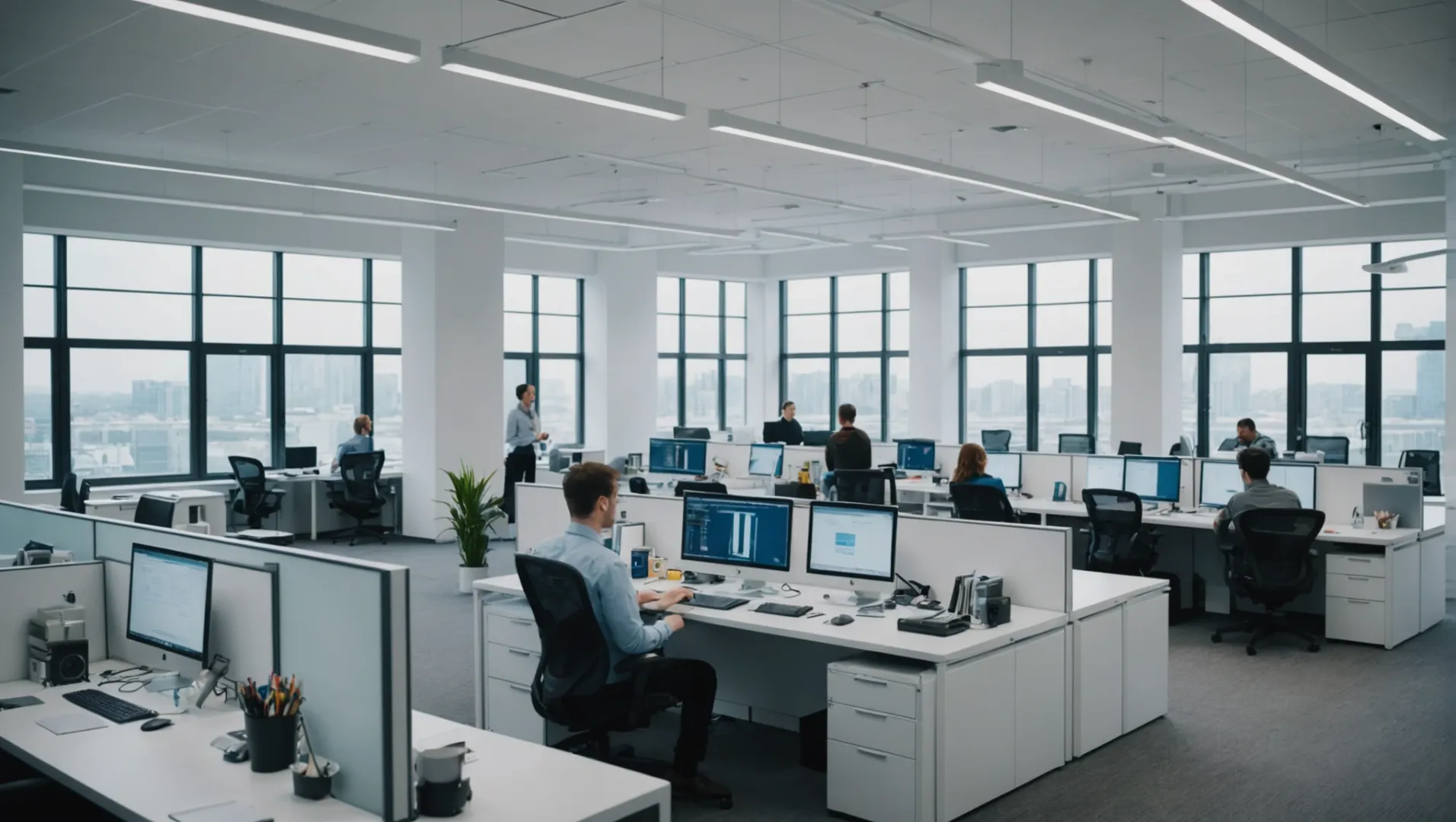
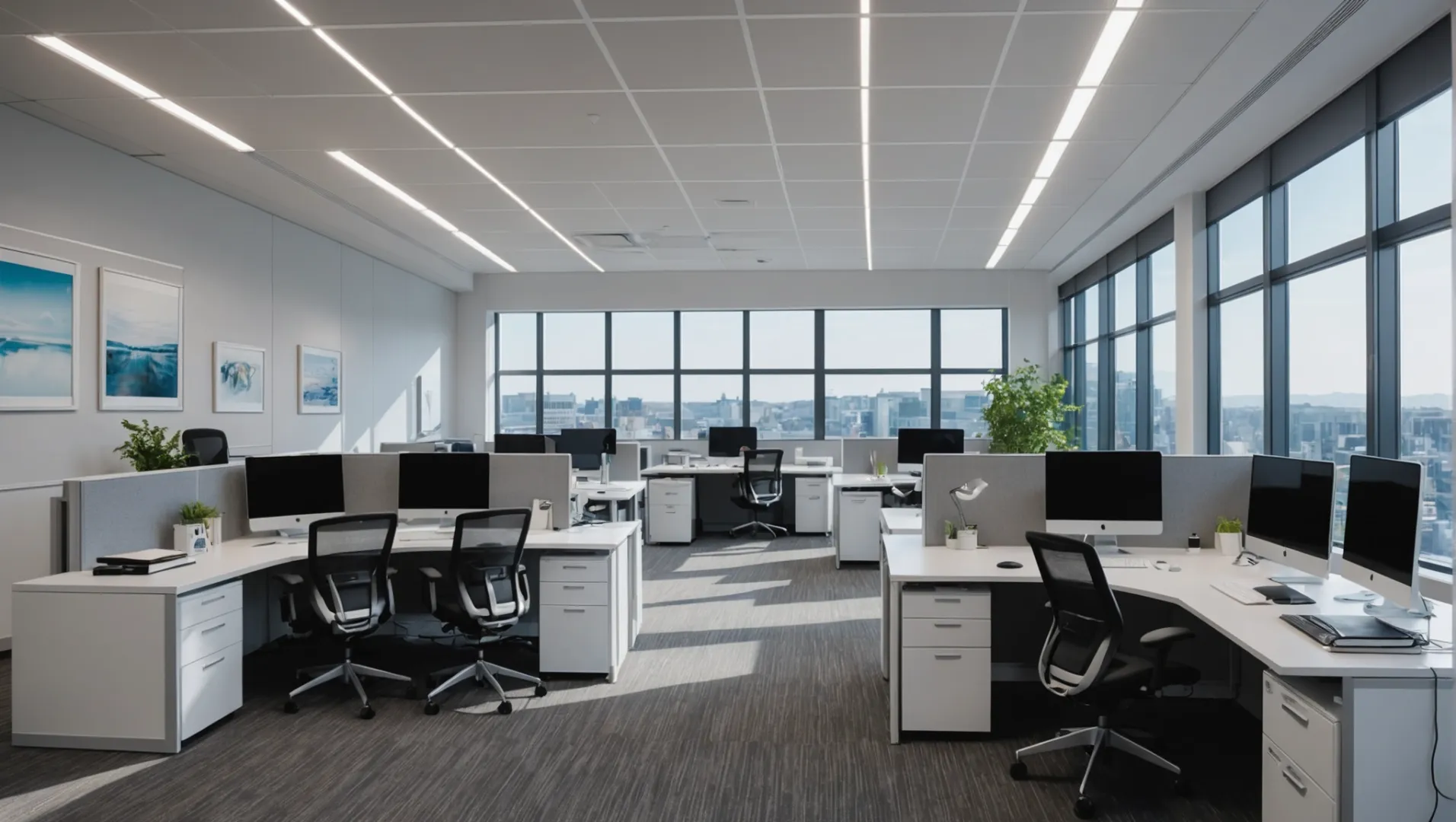
أفضل خيارات الإضاءة للمكاتب تشمل ألواح LED باللون الأبيض البارد بدرجة حرارة لون 4000K و UGR (تقييم الوهاء الموحد) أقل من 19. توفر هذه الأضواء بيئة مشرقة وخالية من الوهاء تساعد على الإنتاجية والتركيز، حيث تحاكي ضوء النهار الطبيعي بفعالية.
أهمية إضاءة المكتب
الإضاءة في بيئة المكتب ليست مجرد رؤية؛ فهي تؤثر على كل شيء من الإنتاجية إلى رفاهية الموظفين. أظهرت الإضاءة البيضاء الباردة، عادة عند 4000 كلفن، أنها تعزز اليقظة والتركيز، مما يجعلها مثالية لبيئات العمل.
أنواع إضاءة المكتب
ألواح LED
- درجة حرارة اللون: 4000K (أبيض بارد)
- UGR <19: يضمن الحد الأدنى من الوهج، مما يقلل من إجهاد العين والتشتيت.
- الكفاءة: These panels are energy-efficient, reducing electricity costs while providing optimal light quality.
Linear Light Fixtures
- زاوية الشعاع: 36 degrees for focused lighting
- Provides targeted illumination, ideal for specific workstations or tasks.
الأنوار السفلية
- Light Angle: 90 degrees for broad coverage
- Ideal for general lighting, ensuring even light distribution across the workspace.
Reducing Glare and Light Nuisance
Glare can be a significant issue in offices, leading to discomfort and decreased productivity. Opt for lighting solutions like LED panels with UGR<19 to minimize glare. Additionally, consider light diffusers3 or indirect lighting options to soften the intensity of light sources.
Customizing with Accent Lighting
While functional lighting is crucial, accent lighting can enhance office aesthetics and ambiance. Consider adjustable desk lamps or ambient strip lights4 to add a personal touch to your workspace without compromising the primary lighting setup.
A well-lit office is a blend of functionality and comfort. By choosing the right combination of lighting options, you can create a workspace that not only boosts productivity but also enhances the overall work experience.
[claim claim=”Cool white LED panels are ideal for office lighting.” istrue=”true” explanation=”Cool white LED panels at 4000K enhance focus and productivity.”]
[claim claim=”UGR above 19 is recommended for office lighting.” istrue=”false” explanation=”A UGR below 19 is recommended to minimize glare in offices.”]
How Can You Reduce Glare in Workspaces?
Are your workspace lights causing discomfort or fatigue? Here’s how to minimize glare effectively.
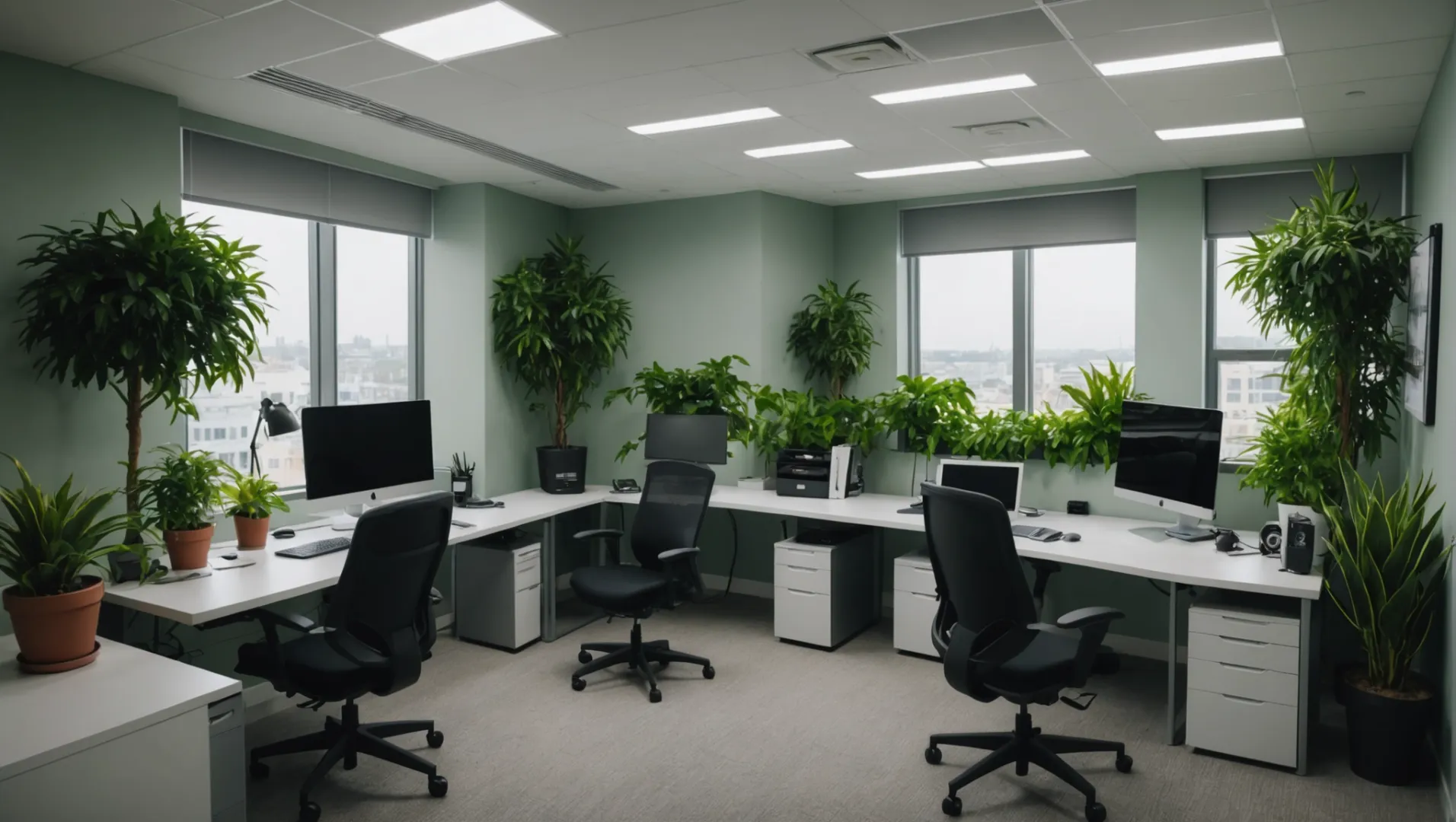
To reduce glare in workspaces, opt for LED panels with UGR<19 and a 36° beam angle. This combination minimizes light nuisance and enhances productivity by providing comfortable illumination, suitable for both office and home environments.
Understanding Glare and Its Impact
Glare is a common issue in workspaces that can lead to eye strain, headaches, and reduced productivity. It occurs when there is excessive contrast between light and dark areas or when light is too intense. Understanding the sources of glare can help you choose the right solutions to mitigate its effects.
Selecting the Right LED Panels
One of the most effective ways to reduce glare is by using LED panels designed for comfort. Look for panels with a Unified Glare Rating (UGR) of less than 19. These are specifically engineered to minimize glare, ensuring that the light is evenly distributed without causing discomfort.
In addition, selecting LED panels with a narrow beam angle, such as 36 degrees, can help focus light where it’s needed without creating hotspots or reflections that contribute to glare.
Choosing the Correct Light Direction
For both office and home workspaces, directing light downwards can significantly reduce glare. Lighting fixtures like cool white LED downlights with a 90-degree light angle are excellent choices. They illuminate the workspace without shining directly into your eyes.
Incorporating Accent Lighting
Accent lighting can be a valuable addition to your workspace. It provides targeted illumination that complements the general lighting, reducing the reliance on overhead lights that might cause glare. Consider using adjustable lamps or track lighting to create a balanced lighting environment.
Implementing Layered Lighting Design
A layered approach to lighting combines ambient, task, and accent lighting to create a harmonious workspace. By adjusting each layer independently, you can tailor the illumination to specific tasks or times of day, ensuring that no single light source dominates the space.
| Type of Lighting | الغرض | Example Fixtures |
|---|---|---|
| Ambient | Overall illumination | LED panels with UGR<19 |
| المهمة | Focused light for specific tasks | Desk lamps, under-cabinet lights |
| إضاءة مركزة | Highlighting features or objects | Spotlights, track lights |
By implementing these strategies, you can create a comfortable and efficient workspace that minimizes glare and enhances overall productivity. For more tips on optimizing your workspace lighting, explore our comprehensive guide5.
[claim claim=”LED panels with UGR<19 reduce workspace glare." istrue="true" explanation="UGR<19 ensures even light distribution, minimizing glare."]
[claim claim=”A 90° beam angle is ideal for focused task lighting.” istrue=”false” explanation=”A 36° beam angle is recommended for focused task lighting.”]
Should You Use Accent Lighting in Your Office?
Accent lighting can transform your office, adding style and boosting productivity.
Accent lighting in offices enhances aesthetics, reduces eye strain, and highlights key areas, creating a more engaging and comfortable work environment.

Understanding Accent Lighting in Office Spaces
Accent lighting serves as the layer of light that adds depth and dimension to your office environment. Unlike ambient or task lighting, accent lighting is used to highlight specific areas or objects, such as artwork or architectural features. This can create focal points that draw attention and break the monotony of a typical workspace.
Benefits of Using Accent Lighting
Enhances Aesthetic Appeal: إضاءة زخرفية6 can transform an ordinary office into a visually stimulating environment. By highlighting unique elements, it adds character and sophistication to your space.
Reduces Eye Strain: By creating contrasts and reducing the harshness of overhead lights, accent lighting can help alleviate eye fatigue, making it easier for employees to focus.
Boosts Productivity: A well-lit workspace can positively impact productivity levels. The additional layers of light ensure that the workspace is not only functional but also comfortable for prolonged periods.
Types of Accent Lighting Suitable for Offices
LED Strip Lights: These can be placed under shelves or along the edges of furniture to subtly illuminate and define space without overwhelming the room.
Spotlights: Ideal for drawing attention to specific items or areas, such as company awards or inspirational artwork, enhancing motivation and pride.
Wall Washers: These lights can be used to illuminate walls evenly, creating a spacious feel that can boost creativity and collaboration.
Integrating Accent Lighting with Existing Office Setup
To effectively incorporate accent lighting, consider your current layout and the natural light available. Combining accent lights with cool white LED panels7 can optimize both aesthetic and functional aspects. This blend helps maintain a balanced light environment while allowing for personal touches that align with your office culture and branding.
[claim claim=”Accent lighting reduces eye strain in office settings.” istrue=”true” explanation=”Accent lighting minimizes harsh overhead light, easing eye fatigue.”]
[claim claim=”Spotlights are unsuitable for highlighting office artwork.” istrue=”false” explanation=”Spotlights are ideal for emphasizing specific items like artwork.”]
الخلاصة
Choosing the right color temperature not only boosts productivity but also enhances comfort. Experiment with different lighting setups to find what works best for you.
Explore how cool white lighting enhances focus and reduces fatigue.: White light tends to give a sense of modernity and cleanliness, while yellow light can create a cozier and more traditional ambiance. ↩
Learn how LED downlights can optimize lighting efficiency.: Lesson #1: Lighting Designers Have Different Specialties. Choose yours wisely. · CENTRALIZED CONTROLS. · CLUSTER TRACK POWERED FIXTURES AROUND ACTIVE CORE AREAS. ↩
Discover how light diffusers reduce glare in offices.: Frosted diffusers scatter light rays to create a soft glow, while opal diffusers produce a smooth, uniform illumination that works well with LED … ↩
Explore top ambient strip lights to enhance office atmosphere.: For versatile smart lighting, Nanoleaf is your best option. You can mix and match hexagon, triangle, and mini-triangle shapes with this modular … ↩
Discover strategies for effective workspace lighting to boost comfort and productivity.: In general, warmer yellow or orange lights tend to be better for relaxing, whereas cooler blue and white lights are good for working, waking up, … ↩
Learn how accent lighting enhances office aesthetics and functionality.: Accent lighting, like track lights or spotlights, highlights specific areas or objects. They add depth and make spaces feel more dynamic. If there’s an art … ↩
Discover why cool white LED panels complement accent lighting in offices.: We offer several different shapes, sizes, wattages, color temperatures of flat panel lights to fit a variety of different needs and applications. ↩