Last updated on March 17, 2026
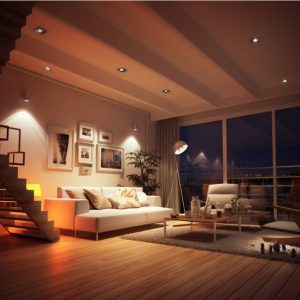
مصباح LED بقاعدة GU10 القابل للتوهين المستخدم في إضاءة غرفة المعيشة السكنية
مقدمة
Dimmable LED light bulbs are widely used in residential, hospitality, and commercial lighting systems because they allow flexible brightness control while maintaining high energy efficiency.
However, one of the most common issues reported by users and contractors is:
- LED bulbs flickering when dimmed
- limited dimming range
- lights not responding to dimmer switches
These problems are rarely caused by the LED bulb itself. In most cases, they result from incompatible dimmers, incorrect driver design, or improper system configuration.
This guide explains how dimmable LED bulbs work, how to ensure dimmer compatibility, and how to achieve stable, flicker-free lighting performance in real-world applications.
Quick Answer: Why Dimmable LED Bulbs Don’t Work Properly
Most dimming problems are caused by system mismatch rather than product failure.
Common causes include:
- incompatible dimmer switches
- insufficient electrical load
- low-quality LED drivers
- incorrect dimming method (TRIAC vs PWM vs 0–10V)
To achieve stable dimming:
- use trailing-edge LED dimmers
- select high-quality dimmable LED bulbs
- verify dimmer compatibility before installation
What Are Dimmable LED Light Bulbs?
Dimmable LED light bulbs are designed with integrated electronic drivers that allow brightness adjustment when connected to a compatible dimmer switch.
Unlike incandescent lamps, LEDs do not dim simply by reducing voltage. Instead, they rely on driver-controlled current regulation, making compatibility between components essential.
Typical applications include:
- أضواء LED سبوت GU10
- MR16 LED spotlights
- E26 / E27 bulbs
- recessed lighting
- track lighting systems
Benefits of Dimmable LED Light Bulbs
كفاءة الطاقة
LED bulbs already consume significantly less energy than traditional lighting. Dimming further reduces power consumption.
- up to 80% energy savings vs incandescent
- reduced operating cost
- lower thermal output
Adjustable Lighting Atmosphere
Dimmable lighting allows flexible control:
- high brightness for work
- medium brightness for dining
- low brightness for relaxation
This is especially valuable in hospitality and retail environments.
Improved Visual Comfort
Proper dimming reduces glare and balances light levels, improving comfort in offices, homes, and commercial spaces.
Extended Lifespan
Typical LED lifespan:
- 25,000 – 40,000 hours
Lower operating stress during dimming can further extend useful life.
How Dimmable LED Bulbs Work
LED bulbs use internal drivers to interpret dimming signals and regulate output.
TRIAC (Phase-Cut) Dimming
Most common in residential systems.
- modifies AC waveform
- includes leading-edge and trailing-edge dimming
- trailing-edge offers better LED compatibility
👉 Learn more:
https://tecolite.com/triac-dimming-vs-0-10v-dimming-key-differences-compatibility-applications/
تعتيم PWM
- high-frequency on/off switching
- adjusts duty cycle
- widely used in smart and professional systems
👉 دليل ذو صلة:
https://tecolite.com/pwm-frequency-led-flicker/
التعتيم 0-10 فولت
- analog control signal
- stable and widely used in commercial lighting
Smart Lighting Control
- WiFi / Zigbee / Bluetooth
- integrated building automation
Why LED Bulbs Flicker When Dimming
LED flicker is one of the most common field issues.
Main causes:
- incompatible dimmer
- low load conditions
- unstable driver design
👉 Detailed explanation:
https://tecolite.com/led-gu10-bulb-flickering/
Dimmer Compatibility Explained
| Dimmer Type | الاستخدام النموذجي | Compatibility |
|---|---|---|
| Leading-edge TRIAC | Old residential | متوسط |
| Trailing-edge | Modern LED | عالية |
| 0–10V | Commercial | عالية |
| DALI | Smart buildings | عالية جدًا |
👉 Best practice: always use LED-compatible dimmers
How to Fix Dimmable LED Bulb Problems
Step 1: Check Dimmer Compatibility
Ensure the dimmer is designed for LED loads.
Step 2: Verify Minimum Load
Traditional dimmers may require 20–40W load.
Step 3: Replace with Trailing-Edge Dimmer
Improves stability and reduces flicker.
Step 4: Use High-Quality LED Drivers
Low-cost drivers often cause instability.
Applications of Dimmable LED Light Bulbs

إضاءة سكنية
- living rooms
- bedrooms
- kitchens
Retail Lighting
- product highlighting
- adjustable display lighting
Hospitality Lighting
- hotels
- restaurants
- ambient lighting scenes
Office Lighting
- glare reduction
- task-based lighting
👉 Related comparison:
https://tecolite.com/mr16-vs-gu10-comparison/
Procurement Checklist for B2B Buyers
When sourcing dimmable LED bulbs, verify:
- dimmer compatibility list
- driver type (TRIAC / PWM / 0–10V)
- flicker percentage (<10% recommended)
- certifications (CE, RoHS)
- lifespan and warranty
This is critical for avoiding project delays and installation issues.
Example Product Specification
| معامل | المواصفات |
|---|---|
| القدرة بالواط | 5.5 واط |
| الجهد الكهربائي | 230V |
| CRI | Ra90 |
| زاوية الشعاع | 38° / 60° |
| درجة حرارة اللون | 2700K / 3000K / 4000K |
| العمر الافتراضي | 40,000 hrs |
| التعتيم | TRIAC |
الأسئلة الشائعة
Do all LED bulbs work with dimmers?
No. Only dimmable LED bulbs are compatible with dimmer switches.
What dimmer is best for LED bulbs?
Trailing-edge dimmers provide the best compatibility and smooth dimming.
Why do LED bulbs flicker when dimmed?
Usually due to incompatible dimmers or insufficient electrical load.
What is the minimum load for LED dimmers?
Typically 20–40W for traditional dimmers.
الخلاصة
Dimmable LED bulbs provide flexible lighting control, energy savings, and improved comfort. However, achieving stable performance requires careful selection of dimmers, drivers, and system design.
For both residential and commercial projects, understanding compatibility is essential to avoid flicker and ensure long-term reliability.
Need Help Choosing the Right Dimmable LED Bulbs?
Our engineering team supports:
- distributors
- contractors
- lighting designers
We provide:
- compatibility guidance
- product selection support
- customized LED solutions
Feel free to contact us for technical assistance.