
Warum dimmbare LED-Spots die Energieeffizienz verbessern und nachhaltige Beleuchtung unterstützen
Zuletzt aktualisiert am 2. Februar 2026
Ein Weg zu Energieeffizienz und Umweltverantwortung
LED-Beleuchtung hat sich als Eckpfeiler moderner, nachhaltiger Beleuchtung etabliert. Neben beeindruckender Lichtausbeute stehen LEDs für einen bedeutenden Wandel hin zu Energieeinsparung, Umweltschutz und langfristige Kosteneinsparungen. verbrauchen. Dieser Artikel untersucht die wichtigsten Vorteile der LED-Beleuchtung und erklärt, warum sie eine so entscheidende Rolle für Energieeffizienz und ökologische Nachhaltigkeit spielt.
Die Effizienz von LED-Lichtern enthüllt
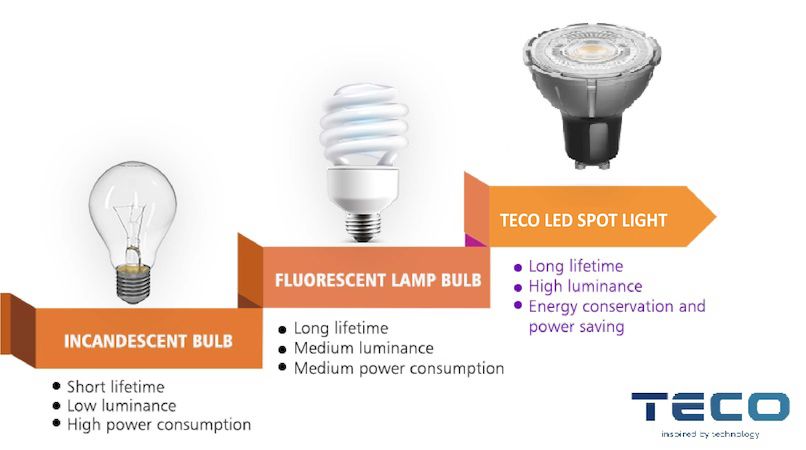
LEDs (Licht emittierende Dioden) haben grundlegend verändert, wie wir Wohnungen, Arbeitsplätze und öffentliche Räume beleuchten. Im Gegensatz zu Glühlampen, die auf erhitzten Glühfäden basieren, erzeugen LEDs Licht, wenn ein elektrischer Strom durch einen Halbleiter-Mikrochip fließt. Dieser Prozess erzeugt weit weniger Abwärme, was zu einer hocheffiziente und langlebige Lichtquelle.
Energieverbrauch: Eine vergleichende Perspektive
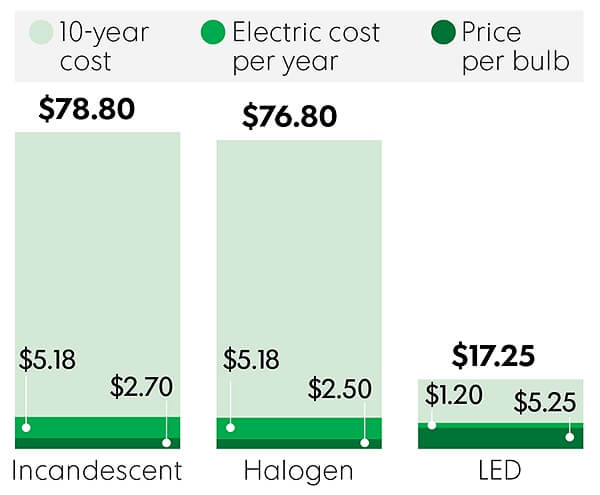
Einer der überzeugendsten Vorteile der LED-Beleuchtung ist ihre außergewöhnliche Energieeffizienz. Im Vergleich zu herkömmlichen Beleuchtungstechnologien können LEDs bis zu 80{TP3T} weniger Strom bei gleicher – oder sogar höherer – Lichtausbeute.
Dieser reduzierte Stromverbrauch führt direkt zu:
- Niedrigere Stromrechnungen
- Reduzierte Belastung der Stromnetze
- Verbesserte Gesamtenergieeffizienz
Sowohl im Wohn- als auch im Gewerbebereich erweisen sich LEDs langfristig durchweg als die wirtschaftlichste Beleuchtungsoption.
Haltbarkeit und Langlebigkeit: Langfristige Vorteile
LEDs sind für Langlebigkeit konzipiert. Mit einer durchschnittlichen Lebensdauer bis zu 50-mal länger als Glühbirnen reduzieren LEDs den Bedarf an häufigen Austauschen erheblich.
Diese Langlebigkeit bietet mehrere Vorteile:
- Geringere Wartungs- und Ersatzkosten
- Reduzierter Materialverbrauch
- Weniger Abfall auf Deponien
Über ihre Lebensdauer hinweg bieten LEDs sowohl finanzielle als auch ökologische Vorteile, die herkömmliche Beleuchtung einfach nicht erreichen kann.
Die Umweltauswirkungen der LED-Beleuchtung
Die Umweltvorteile der LED-Beleuchtung sind ebenso bedeutend wie ihre Energieeinsparungen.
-
Geringere Treibhausgasemissionen
Reduzierter Stromverbrauch bedeutet weniger Emissionen von Kraftwerken. -
Reduzierte Lichtverschmutzung
LEDs emittieren gerichtetes Licht, was verschwendete Beleuchtung minimiert und die Störung von Ökosystemen und Nachthimmel begrenzt.
Zusammen machen diese Vorteile LEDs zu einem wirksamen Instrument zur Eindämmung des Klimawandels und zur Verringerung der Umweltauswirkungen.
Recycling und Abfallvermeidung: Den Kreislauf schließen
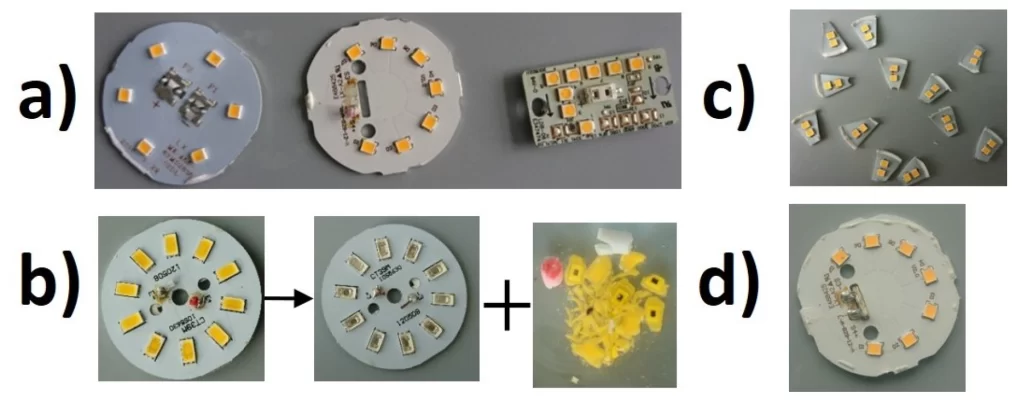
Ungefähr 95% der Komponenten einer LED-Lampe sind recycelbar, wodurch LEDs zu einer der umweltfreundlichsten Beleuchtungsoptionen gehören.
Der Recyclingprozess konzentriert sich auf die Rückgewinnung wertvoller Materialien – wie Metalle und elektronische Komponenten – und hilft so, den Bedarf an neuen Ressourcen zu reduzieren und eine Kreislaufwirtschaft zu unterstützen.
Die Abwesenheit gefährlicher Materialien
Im Gegensatz zu Leuchtstofflampen enthalten LEDs kein Quecksilber oder andere gefährliche Substanzen. Dadurch werden Risiken im Zusammenhang mit unsachgemäßer Entsorgung beseitigt und das Recycling vereinfacht, was Umwelt- und Gesundheitsbedenken weiter verringert.
Die wirtschaftliche und ökologische Argumentation für LEDs
Der wirtschaftliche Wert der LED-Beleuchtung ist eng mit ihren ökologischen Vorteilen verbunden:
- Geringere Energiekosten über die Zeit
- Reduzierter Herstellungsbedarf aufgrund langer Lebensdauer
- Verringerter Umweltauswirkung durch Produktion und Transport
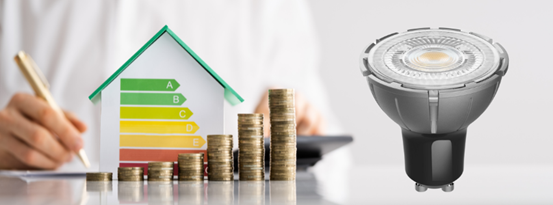
Für Hausbesitzer, Unternehmen und Kommunen bieten LEDs eine starke Rendite der Investition während Nachhaltigkeitsziele unterstützt werden.
Die Rolle von LEDs in der nachhaltigen Entwicklung
LED-Beleuchtung spielt eine Schlüsselrolle in globalen Nachhaltigkeitsbemühungen. Durch die Reduzierung des Energieverbrauchs, die Minimierung von Abfall und die Unterstützung recycelbarer Materialien stehen LEDs im engen Einklang mit Initiativen, die sich auf verantwortungsvoller Konsum und Umweltverantwortung.
LED-Technologie annehmen: Eine nachhaltige und kosteneffiziente Zukunft
Der Wechsel zu LED-Beleuchtung ist mehr als ein einfaches Upgrade – es ist ein Bekenntnis zu einer saubereren, intelligenteren und kosteneffizienteren Zukunft. LEDs bieten eine praktische Antwort auf Herausforderungen wie Klimawandel, steigende Energiekosten und Ressourcenknappheit.
Der Weg nach vorn: Innovation und Verantwortung
Die LED-Branche setzt ihre Innovationskraft fort, mit Fortschritten in Effizienz, optischer Leistung und Recyclingtechnologien. Mit zunehmender Verbreitung helfen LEDs, eine Zukunft zu gestalten, in der wirtschaftliche Effizienz und Umweltverantwortung Hand in Hand gehen.
Fazit: Den Weg zur Nachhaltigkeit erhellen
LED-Beleuchtung ist mehr als ein technologischer Fortschritt – sie ist ein Beleg dafür, wie Innovation sowohl menschliche Bedürfnisse als auch die Gesundheit des Planeten unterstützen kann. Mit herausragender Energieeffizienz, langer Lebensdauer und starker Recyclingfähigkeit bieten LEDs einen klaren Weg in eine nachhaltigere Beleuchtungszukunft.
Mit der Wahl von LED-Beleuchtung gehen Privatpersonen und Unternehmen einen bedeutenden Schritt in Richtung Energieeinsparungen, reduzierte Umweltauswirkungen und eine hellere, nachhaltigere Welt.





 English
  French
  German
  Italian
  Spanish
  Portuguese
  Arabic
  Russian
  Japanese
  Chinese