¿Son regulables las bombillas LED GU10? Compatibilidad, parpadeo y guía de reguladores
Última actualización el 4 de marzo de 2026
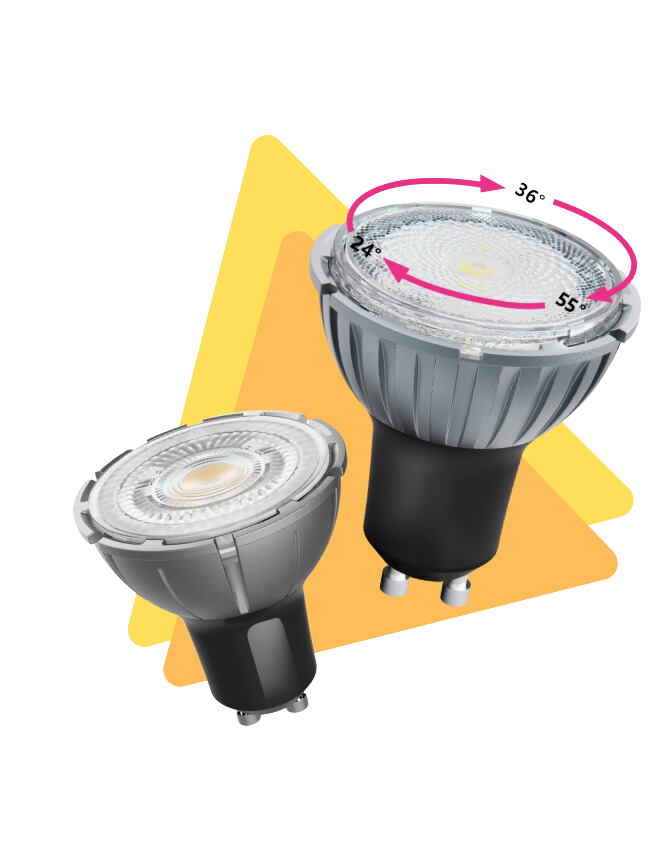
Las bombillas LED GU10 se utilizan ampliamente en iluminación residencial, minorista, hotelera y comercial. Muchos usuarios hacen la misma pregunta al actualizar desde iluminación halógena:
¿Son regulables las bombillas LED GU10?
La respuesta es sí, pero solo si la lámpara, el controlador y el regulador son compatibles.
A diferencia de las lámparas halógenas tradicionales, las bombillas LED dependen de controladores electrónicos para regular la corriente. Esto significa que el rendimiento de la atenuación depende no solo de la bombilla en sí, sino también del tipo de regulador, carga eléctrica y entorno de instalación.
En esta guía, explicamos cómo funcionan las bombillas LED GU10 regulables, cómo elegir el producto adecuado y cómo evitar problemas comunes de atenuación como parpadeo, zumbido o brillo inestable.
¿Qué son las bombillas LED GU10?
Las bombillas LED GU10 son lámparas direccionales de foco diseñadas para iluminación de acento y tareas. La base GU10 presenta un conexión de giro y bloqueo con dos pines espaciados a 10 mm, permitiendo una instalación rápida en accesorios compatibles.
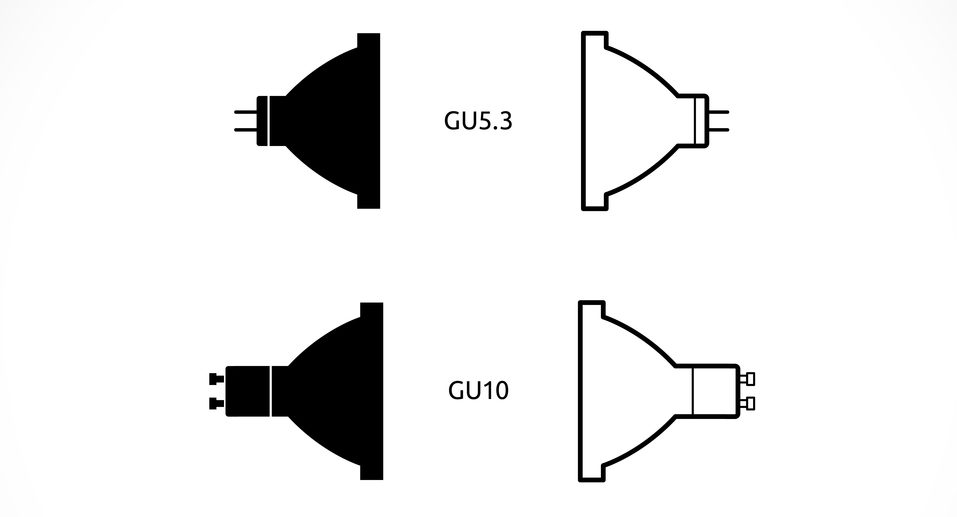
En comparación con las lámparas halógenas GU10 tradicionales, las versiones LED ofrecen varias ventajas:
- Menor consumo de energía
- Mayor vida útil
- Reducción de la emisión de calor
- Rendimiento de color más consistente
Las bombillas LED GU10 típicas funcionan entre 3 W y 7 W, mientras produce un brillo comparable a Focos halógenos de 35W–75W, dependiendo del diseño óptico y la eficiencia.
¿Son todas las bombillas LED GU10 regulables?
No. No todas las bombillas LED GU10 admiten regulación.
Una lámpara GU10 solo puede atenuarse suavemente cuando incluye un circuito de controlador regulable diseñadas para interpretar señales de reguladores compatibles.
Intentar atenuar una bombilla LED no regulable puede causar:
- Salida de luz parpadeante
- Zumbido audible
- Sobrecalentamiento del controlador
- Vida útil reducida
- Fallo inmediato de la lámpara
Al seleccionar lámparas GU10, confirme siempre que el embalaje o la hoja de datos del producto indique claramente “regulable”.
Para una explicación más profunda de cómo funcionan los sistemas de atenuación LED, consulte:
[Regulación LED explicada: Compatibilidad, problemas de parpadeo y tipos de reguladores]
¿Por qué elegir bombillas LED GU10 regulables?
Los LED GU10 regulables ofrecen un control mucho mayor sobre los entornos de iluminación.
En lugar de funcionar a pleno brillo todo el tiempo, la atenuación permite ajustar la iluminación según las necesidades del espacio.
Las ventajas comunes incluyen:
Ambiente de iluminación flexible
Ajuste el brillo para relajación, comedor, exhibiciones minoristas o espacios de trabajo.
Consumo de energía reducido
Los niveles de brillo más bajos reducen el consumo de energía eléctrica.
Mayor vida útil de la lámpara
La temperatura de funcionamiento reducida y el estrés eléctrico pueden prolongar la vida útil de los componentes.
Mayor confort visual
Los niveles de brillo más bajos reducen el deslumbramiento y la fatiga ocular.
In commercial projects such as hotels and restaurants, dimming is often essential for creating layered lighting scenes.
Key Features of Dimmable GU10 LED Bulbs
Dimmable GU10 LEDs offer multiple specification options that influence lighting performance.
Typical Specifications
| Característica | Typical Range |
|---|---|
| Vatios | 3W – 7W |
| Equivalente Halógeno | 35W – 75W |
| Luminosidad | 250 – 700 lumens |
| Temperatura de Color | 2700K – 6500K |
| Ángulo del haz | 15° – 60° |
| Vida útil | Up to 40,000 hours |
Color Temperature Options
- 2700K–3000K: Warm residential lighting
- 3500K–4000K: Neutral retail or office lighting
- 5000K–6500K: Bright task lighting or commercial environments
Beam Angle Selection
| Ángulo del haz | Aplicación |
|---|---|
| 15°–24° | Iluminación de acento |
| 36° | General spotlighting |
| 60° | Wide ambient lighting |
Choosing the correct beam angle ensures proper light distribution without hotspots.
GU10 LED Dimmer Compatibility
One of the most important factors in dimming performance is dimmer compatibility.
Most GU10 dimming issues are caused by mismatched dimmers rather than defective lamps.
Common Dimmer Types
| Tipo de atenuador | Compatibilidad | Notas |
|---|---|---|
| Trailing Edge | Best | Diseñado para cargas electrónicas |
| Leading Edge | Moderado | May cause flicker |
| TRIAC | Común | Works with compatible drivers |
| Smart Dimmer | Depende | Requires system compatibility |
Trailing-edge dimmers generally provide smoother dimming curves and lower electrical noise for LED lighting.
For a detailed technical explanation, see:
[Leading Edge vs Trailing Edge Dimming Explained]
Why GU10 LED Bulbs Flicker on Dimmers
Flicker is one of the most common issues in LED dimming systems.
Typical causes include:
Regulador incompatible
Older dimmers designed for incandescent loads often perform poorly with LEDs.
Carga mínima no alcanzada
Many dimmers require a minimum electrical load to function correctly.
Driver limitations
Low-quality drivers may not properly interpret phase-cut waveforms.
Mixed lamp models
Using different LED lamps on the same circuit can cause unstable behavior.
For a deeper technical explanation of flicker mechanisms, see:
[Why Do LED Lights Flicker and How to Stop It]
Installation Tips for Dimmable GU10 LEDs
Correct installation improves both performance and lifespan.
Turn off power before installation
Always switch off the circuit breaker before replacing lamps.
Use compatible dimmers
Choose LED-rated dimmers whenever possible.
Check total load
Ensure the total wattage on the dimmer falls within its operating range.
Install correctly
Push the GU10 bulb into the socket and twist to lock it in place.
Choosing the Right Dimmable GU10 LED Bulb
Selecting the correct lamp requires evaluating several technical parameters.
Brightness (Lumens)
Always compare lamps by lumens rather than wattage.
Índice de reproducción cromática (CRI)
- CRI 80+ for general lighting
- CRI 90+ for retail, hospitality, and display lighting
Ángulo del haz
Match beam angle to ceiling height and fixture spacing.
Compatibilidad con reguladores
Confirm compatibility with the dimmers used in the project.
Thermal Design
Well-designed heat management improves reliability and lifespan.
For comparison between GU10 and other spotlight formats, see:
[MR16 vs GU10 LED Bulbs: A Comprehensive Comparison]
GU10 LED Lighting in Commercial Applications
Dimmable GU10 LEDs are widely used in commercial environments.
Hospitality lighting
Hotels use GU10 dimming to create comfortable nighttime atmospheres.
Retail display lighting
Spotlights highlight products while allowing brightness adjustment.
Iluminación residencial
Living rooms, kitchens, and bedrooms benefit from adjustable lighting scenes.
Museos y galerías
Precise dimming helps protect sensitive materials while maintaining visibility.
These applications require stable dimming performance and consistent color quality.
FAQ: Dimmable GU10 LED Bulbs
¿Son regulables las bombillas LED GU10?
Some GU10 LED bulbs are dimmable, but not all. Always verify that the product specifically states dimming compatibility.
Why do GU10 LED bulbs flicker on dimmers?
Flicker typically occurs when the dimmer is incompatible with the LED driver or when the minimum load requirement is not met.
What dimmer works best with GU10 LEDs?
Trailing-edge dimmers generally provide the most stable dimming performance.
Can GU10 LEDs replace halogen GU10 lamps?
Yes. Most GU10 LED bulbs are designed as direct replacements for halogen lamps while consuming significantly less power.
Conclusión
Dimmable GU10 LED bulbs provide an efficient and flexible lighting solution for both residential and commercial environments.
However, stable dimming performance depends on correct compatibility between the lamp, driver, and dimmer. By selecting the right bulb specifications and ensuring proper installation, GU10 LEDs can deliver reliable, flicker-free lighting with long service life.
For more guidance on LED dimming technology and compatibility, explore our complete dimming guide:
[Regulación LED explicada: Compatibilidad, problemas de parpadeo y tipos de reguladores]