As Lâmpadas LED GU10 São Reguláveis? Guia de Compatibilidade, Cintilação e Reguladores
Última atualização em 4 de março de 2026
As lâmpadas LED GU10 são amplamente utilizadas em iluminação residencial, de retalho, hoteleira e comercial. Muitos utilizadores fazem a mesma pergunta ao atualizar da iluminação halogénea:
As lâmpadas LED GU10 são dimmeráveis?
A resposta é sim—mas apenas se a lâmpada, o driver e o dimmer forem compatíveis.
Ao contrário das lâmpadas halogéneas tradicionais, as lâmpadas LED dependem de acionadores eletrónicos para regular a corrente. Isto significa que o desempenho da regulação depende não só da própria lâmpada, mas também do tipo de dimmer, carga elétrica e ambiente de instalação.
Neste guia, explicamos como funcionam as lâmpadas LED GU10 reguláveis, como escolher o produto certo e como evitar problemas comuns de regulação, como cintilação, zumbido ou brilho instável.
O Que São Lâmpadas LED GU10?
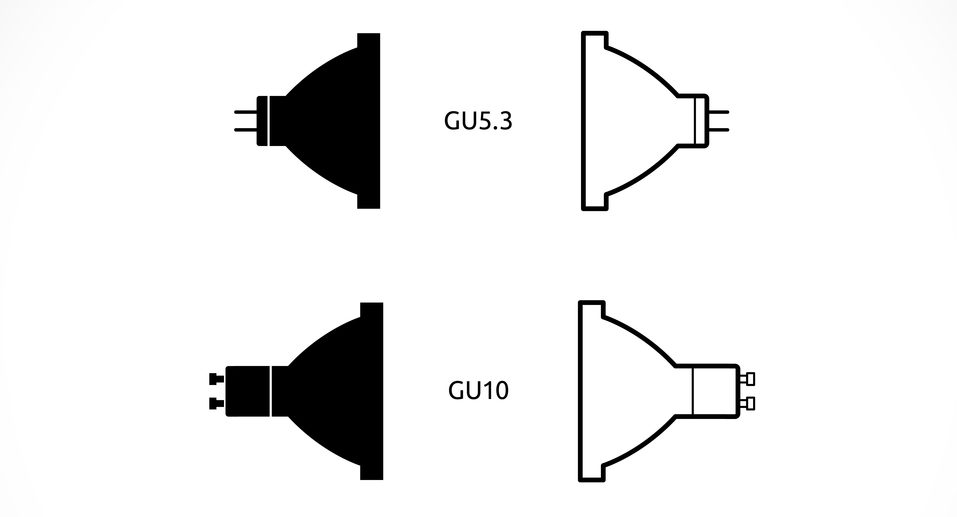
As lâmpadas LED GU10 são lâmpadas de foco direcional concebidas para iluminação de destaque e tarefa. A base GU10 apresenta um ligação de rotação e bloqueio com dois pinos espaçados a 10 mm, permitindo uma instalação rápida em luminárias compatíveis.
Em comparação com as lâmpadas halógenas GU10 tradicionais, as versões LED oferecem várias vantagens:
- Menor consumo de energia
- Vida útil mais longa
- Redução da produção de calor
- Desempenho de cor mais consistente
As lâmpadas LED GU10 típicas operam entre 3W e 7W, enquanto produz um brilho comparável a Holofotes halogéneos de 35W–75W, dependendo do design ótico e da eficiência.
Todas as Lâmpadas LED GU10 São Dimmeráveis?
Não. Nem todas as lâmpadas LED GU10 suportam dimerização.
Uma lâmpada GU10 só pode dimerizar suavemente quando inclui um circuito de acionamento regulável concebido para interpretar sinais de dimerizadores compatíveis.
Tentar dimerizar uma lâmpada LED não dimerizável pode causar:
- Saída de luz cintilante
- Zumbido audível
- Sobreaquecimento do acionador
- Vida útil reduzida
- Falha imediata da lâmpada
Ao selecionar lâmpadas GU10, confirme sempre que a embalagem ou a folha de dados do produto indica claramente “regulável”.
Para uma explicação mais aprofundada de como funcionam os sistemas de regulação de LED, consulte:
[Regulação de LED Explicada: Compatibilidade, Problemas de Cintilação e Tipos de Reguladores]
Por que Escolher Lâmpadas LED GU10 Reguláveis?
Os LEDs GU10 reguláveis oferecem um controlo muito maior sobre os ambientes de iluminação.
Em vez de funcionar sempre com brilho total, a regulação permite ajustar a iluminação com base nas necessidades do espaço.
As vantagens comuns incluem:
Atmosfera de iluminação flexível
Ajuste o brilho para relaxamento, refeições, exposições de retalho ou espaços de trabalho.
Redução do consumo de energia
Níveis de brilho mais baixos reduzem o consumo de energia elétrica.
Maior vida útil da lâmpada
A redução da temperatura de operação e do stress elétrico pode prolongar a vida útil dos componentes.
Conforto visual melhorado
Níveis de brilho mais baixos reduzem o encandeamento e a fadiga ocular.
Em projetos comerciais, como hotéis e restaurantes, a regulação é frequentemente essencial para criar layered lighting scenes.
Key Features of Dimmable GU10 LED Bulbs
Dimmable GU10 LEDs offer multiple specification options that influence lighting performance.
Typical Specifications
| Caraterística | Typical Range |
|---|---|
| Potência | 3W – 7W |
| Halogen Equivalent | 35W – 75W |
| Brilho | 250 – 700 lumens |
| Temperatura de Cor | 2700K – 6500K |
| Ângulo do feixe | 15° – 60° |
| Tempo de vida | Up to 40,000 hours |
Color Temperature Options
- 2700K–3000K: Warm residential lighting
- 3500K–4000K: Neutral retail or office lighting
- 5000K–6500K: Bright task lighting or commercial environments
Beam Angle Selection
| Ângulo do feixe | Aplicação |
|---|---|
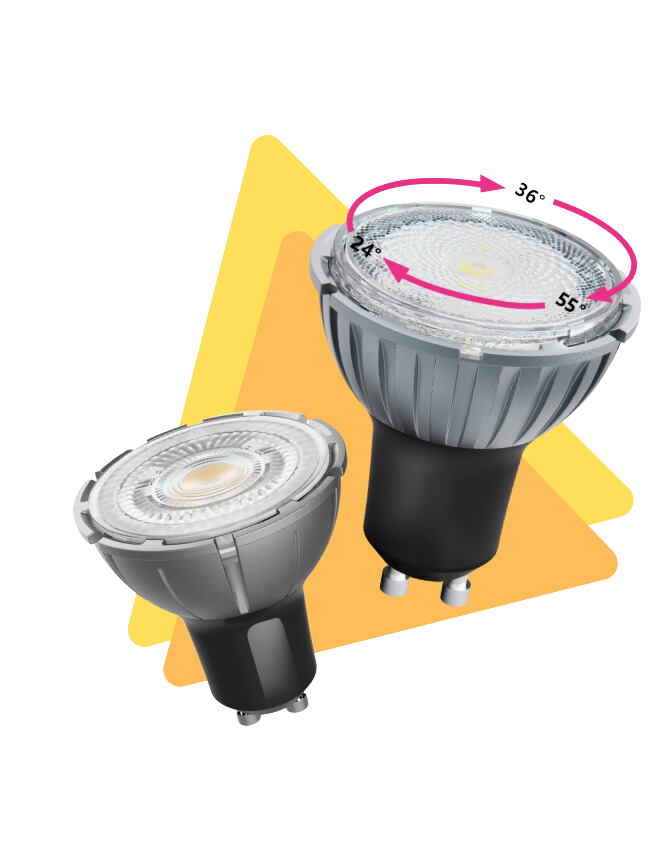
| 15°–24° | Iluminação de destaque |
| 36° | General spotlighting |
| 60° | Wide ambient lighting |
Choosing the correct beam angle ensures proper light distribution without hotspots.
GU10 LED Dimmer Compatibility
One of the most important factors in dimming performance is dimmer compatibility.
Most GU10 dimming issues are caused by mismatched dimmers rather than defective lamps.
Common Dimmer Types
| Tipo de Dimerizador | Compatibilidade | Notas |
|---|---|---|
| Trailing Edge | Best | Designed for electronic loads |
| Leading Edge | Moderado | May cause flicker |
| TRIAC | Comum | Works with compatible drivers |
| Smart Dimmer | Depends | Requires system compatibility |
Trailing-edge dimmers generally provide smoother dimming curves and lower electrical noise for LED lighting.
For a detailed technical explanation, see:
[Leading Edge vs Trailing Edge Dimming Explained]
Why GU10 LED Bulbs Flicker on Dimmers
Flicker is one of the most common issues in LED dimming systems.
Typical causes include:
Dimmer incompatível
Older dimmers designed for incandescent loads often perform poorly with LEDs.
Minimum load not met
Many dimmers require a minimum electrical load to function correctly.
Driver limitations
Low-quality drivers may not properly interpret phase-cut waveforms.
Mixed lamp models
Using different LED lamps on the same circuit can cause unstable behavior.
For a deeper technical explanation of flicker mechanisms, see:
[Why Do LED Lights Flicker and How to Stop It]
Installation Tips for Dimmable GU10 LEDs
Correct installation improves both performance and lifespan.
Turn off power before installation
Always switch off the circuit breaker before replacing lamps.
Use compatible dimmers
Choose LED-rated dimmers whenever possible.
Check total load
Ensure the total wattage on the dimmer falls within its operating range.
Install correctly
Push the GU10 bulb into the socket and twist to lock it in place.
Choosing the Right Dimmable GU10 LED Bulb
Selecting the correct lamp requires evaluating several technical parameters.
Brightness (Lumens)
Always compare lamps by lumens rather than wattage.
Color Rendering Index (CRI)
- CRI 80+ for general lighting
- CRI 90+ for retail, hospitality, and display lighting
Ângulo do feixe
Match beam angle to ceiling height and fixture spacing.
Dimmer Compatibility
Confirm compatibility with the dimmers used in the project.
Thermal Design
Well-designed heat management improves reliability and lifespan.
For comparison between GU10 and other spotlight formats, see:
[MR16 vs GU10 LED Bulbs: A Comprehensive Comparison]
GU10 LED Lighting in Commercial Applications
Dimmable GU10 LEDs are widely used in commercial environments.
Iluminação para hotelaria
Hotels use GU10 dimming to create comfortable nighttime atmospheres.
Retail display lighting
Spotlights highlight products while allowing brightness adjustment.
Iluminação residencial
Living rooms, kitchens, and bedrooms benefit from adjustable lighting scenes.
Museums and galleries
Precise dimming helps protect sensitive materials while maintaining visibility.
These applications require stable dimming performance and consistent color quality.
FAQ: Dimmable GU10 LED Bulbs
As lâmpadas LED GU10 são dimmeráveis?
Some GU10 LED bulbs are dimmable, but not all. Always verify that the product specifically states dimming compatibility.
Why do GU10 LED bulbs flicker on dimmers?
Flicker typically occurs when the dimmer is incompatible with the LED driver or when the minimum load requirement is not met.
What dimmer works best with GU10 LEDs?
Trailing-edge dimmers generally provide the most stable dimming performance.
Can GU10 LEDs replace halogen GU10 lamps?
Yes. Most GU10 LED bulbs are designed as direct replacements for halogen lamps while consuming significantly less power.
Conclusão
Dimmable GU10 LED bulbs provide an efficient and flexible lighting solution for both residential and commercial environments.
However, stable dimming performance depends on correct compatibility between the lamp, driver, and dimmer. By selecting the right bulb specifications and ensuring proper installation, GU10 LEDs can deliver reliable, flicker-free lighting with long service life.
For more guidance on LED dimming technology and compatibility, explore our complete dimming guide:
[Regulação de LED Explicada: Compatibilidade, Problemas de Cintilação e Tipos de Reguladores]