
Ever found yourself adjusting the brightness of your lights to match your mood? That simple act does wonders beyond just ambiance—it can lead to significant energy savings!
Dimming LED lights reduces energy consumption proportionally to the level of dimness, leading to potential savings on electricity bills and reduced environmental impact. Using compatible dimmer switches can further optimize these benefits, making it a smart choice for both homes and businesses.
But that’s just the tip of the iceberg! Let’s dive deeper into how dimming really affects LED efficiency, explore modern dimmer technology, and uncover tips that can maximize both your savings and the lifespan of your lighting fixtures.
[claim claim=”Dimming LED lights reduces energy consumption.” istrue=”true” explanation=”Dimming decreases power usage proportionally, saving energy.”]
What Are the Benefits of Dimmable LED Lights?
Dimmable LED lights offer more than just flexibility in lighting—they bring significant energy savings and enhanced ambiance.
Dimmable LED lights allow users to control light intensity, reducing energy consumption and extending bulb life. They also enhance ambiance and comfort by adjusting brightness levels to suit different moods and settings.
Efficacité énergétique
One of the primary benefits of dimmable LED lights is their ability to reduce energy consumption. Unlike traditional incandescent bulbs, which consume the same amount of energy regardless of brightness, dimmable LEDs use less power as the light output is decreased. This proportional reduction in power usage means that even small adjustments in brightness can lead to noticeable savings on electricity bills.
Durée de vie prolongée
Lowering the brightness of LED lights can also extend their lifespan. By reducing the electrical stress on the LED components, dimming helps mitigate wear and tear, potentially prolonging the life of the bulb. This means fewer replacements over time, saving both money and resources.
Enhanced Ambiance and Comfort
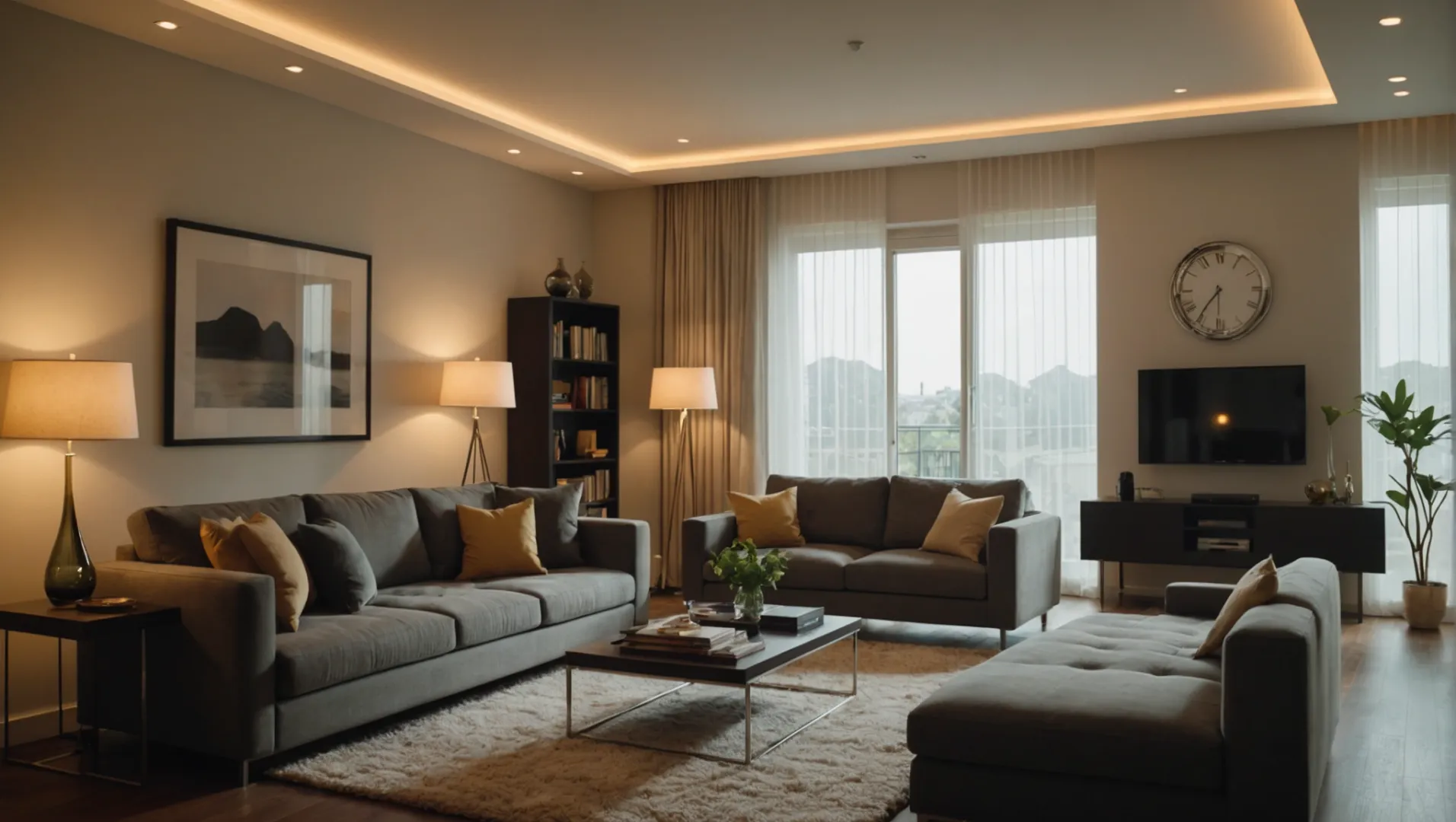
Dimmable LEDs provide the flexibility to create the perfect lighting environment for any occasion. Whether you’re hosting a dinner party or settling in for a quiet evening at home, adjusting the light levels can transform a room’s atmosphere, enhancing both aesthetic appeal and comfort.
Réduction de la chaleur
When LED lights are dimmed, they produce less heat. This not only makes the environment more comfortable but also contributes to the overall efficiency of the lighting system. Less heat generation can help reduce cooling costs, especially in warmer climates.
Compatibility with Modern Dimmer Switches
Modern dimmer switches are designed to optimize energy savings when used with dimmable LED lights. They offer smoother transitions between brightness levels and prevent flickering or buzzing, common issues with older dimming systems. However, it is crucial to ensure compatibility between the dimmer switch and the LED lights to maximize these benefits.
A comparison table can help visualize some of these advantages:
| Bénéfice | Description |
|---|---|
| Économies d'énergie | Lower brightness equals lower energy use and reduced electricity bills. |
| Longer Bulb Life | Reduced electrical stress prolongs LED life. |
| Enhanced Atmosphere | Adjust light levels for different moods and settings. |
| Réduction de la chaleur | Dimming decreases heat production, improving comfort and efficiency. |
| Modern Dimmer Compatibility | Ensures optimal performance without flickering or buzzing issues. |
For a deeper understanding of how modern dimmers1 work with LED lights, explore the advantages they bring to energy management and home comfort.
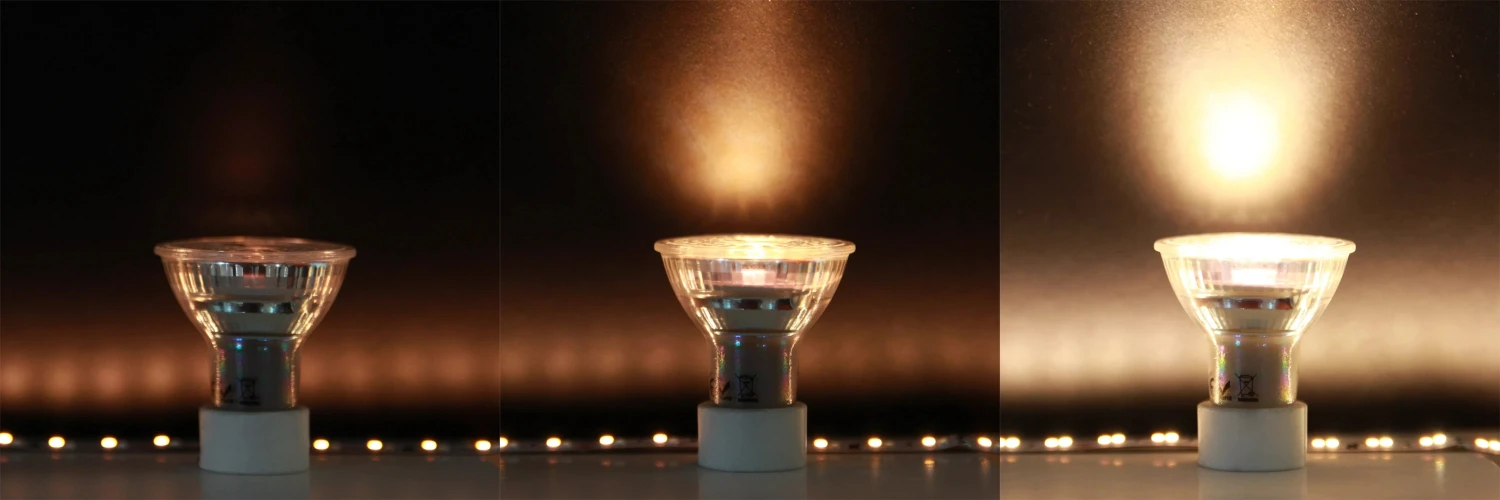
Teco GU10 5.5W dim to warm LED spotlight dimmed color temperature change.
Teco GU10 5.5W dim to warm LED spotlight dimmed color temperature change.
[claim claim=”Dimmable LEDs reduce energy consumption.” istrue=”true” explanation=”Dimming decreases power usage, leading to energy savings.”]
[claim claim=”All dimmer switches are compatible with LEDs.” istrue=”false” explanation=”Compatibility varies; not all dimmers work with LED lights.”]
How Do Modern Dimmer Switches Optimize Energy Use?
Explore the science behind dimmer switches and their role in reducing energy consumption efficiently.
Modern dimmer switches optimize energy use by adjusting the voltage waveform, reducing power consumption without compromising light quality. They are designed to work efficiently with LED lights, ensuring compatibility and maximizing energy savings.
The Science of Dimming: Voltage Waveform Adjustments
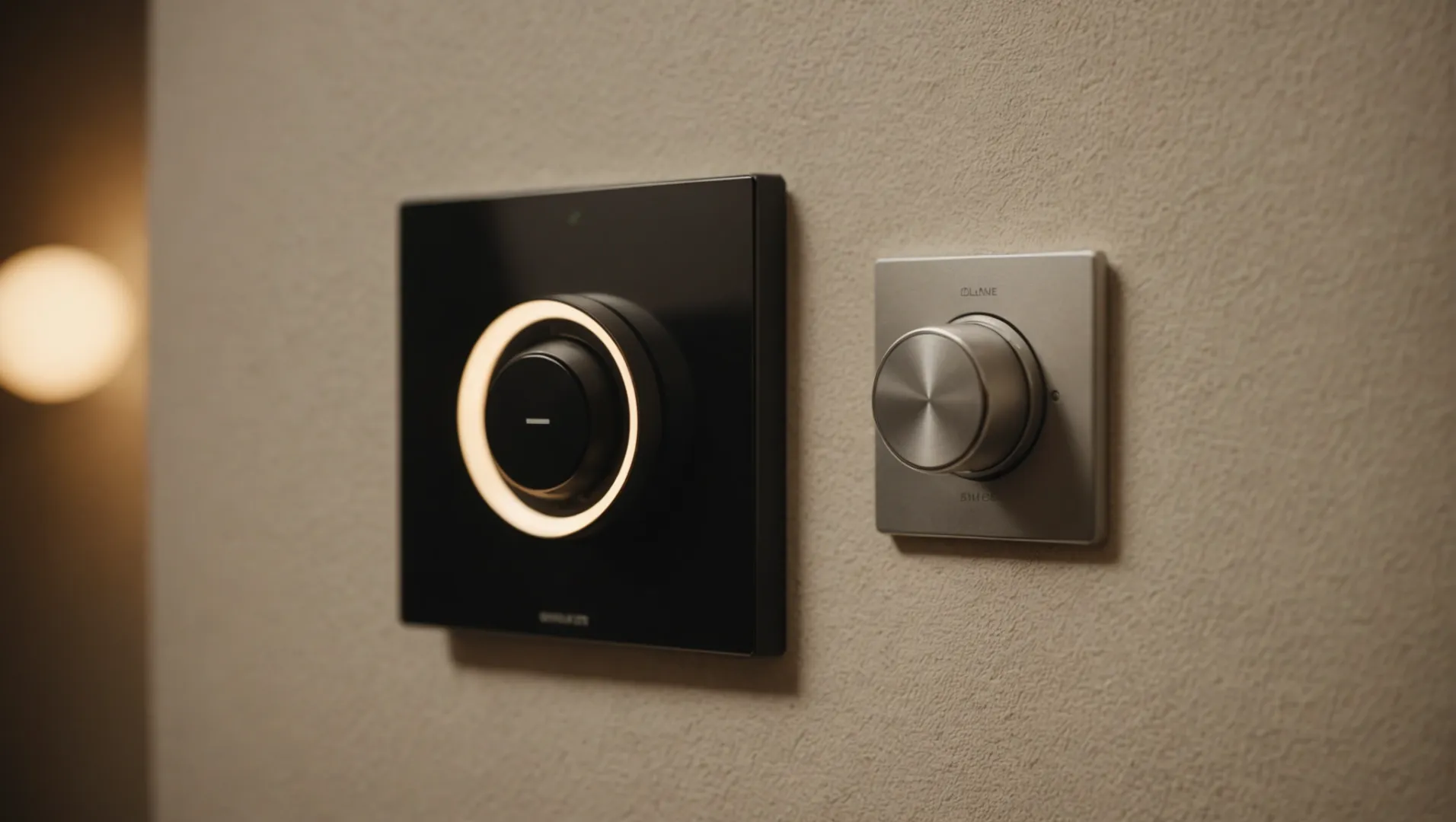
Modern dimmer switches operate by modifying the voltage waveform supplied to the light bulb. Unlike traditional dimmers that function through variable resistors, these advanced switches use techniques like pulse-width modulation2 to control the intensity of the light. By slicing off parts of the AC waveform, they effectively reduce the power sent to the LED, which lowers energy consumption.
This method not only conserves energy but also maintains light quality and reduces flicker—a common issue in earlier dimming technologies.
Enhanced Compatibility with LED Technology
LEDs are inherently efficient, but their performance can vary with different dimmers. Modern dimmer switches are specifically designed to be compatible with LEDs, ensuring optimal efficiency. They can adjust to low current levels without compromising light output, which is vital for achieving precise energy savings.
Benefits Beyond Energy Savings
In addition to energy savings, using modern dimmer switches can reduce heat output, which can contribute to longer fixture life and lower cooling costs in your home or business. For example, by reducing heat, these systems can lower the strain on your HVAC systems during warmer months, further enhancing overall energy efficiency.
| Fonctionnalité | Traditional Dimmer | Modern Dimmer |
|---|---|---|
| Efficacité énergétique | Modéré | Haut |
| Compatibilité LED | Variable | Excellent |
| Réduction de la chaleur | Minimal | Significatif |
Choisir le bon gradateur selon vos besoins
Pour maximiser les économies d'énergie et assurer un fonctionnement fluide, il est crucial de choisir un gradateur compatible avec vos luminaires LED. Recherchez des gradateurs étiquetés "compatibles LED" ou ceux qui spécifient leur prise en charge des applications à faible puissance. Comprendre les spécifications techniques peut vous aider à prendre une décision éclairée, maximisant ainsi votre l'efficacité énergétique3 potentiel.
[claim claim=”Les gradateurs modernes utilisent la modulation de largeur d'impulsion.” istrue=”true” explanation=”La modulation de largeur d'impulsion ajuste la forme d'onde de tension pour contrôler l'intensité lumineuse.”]
[claim claim=”Les gradateurs traditionnels sont plus efficaces que les modernes.” istrue=”false” explanation=”Les gradateurs modernes sont plus efficaces, notamment grâce à leur compatibilité avec les LED.”]
L'atténuation des lumières LED affecte-t-elle leur durée de vie ?
Découvrez comment l'atténuation des lumières LED pourrait potentiellement prolonger ou réduire leur durée de vie.
L'atténuation des lumières LED peut avoir un impact positif sur leur durée de vie en réduisant la génération de chaleur et le stress sur les composants, à condition que les lumières et les gradateurs soient compatibles. Des systèmes correctement appariés peuvent prolonger la durée de vie et améliorer l'efficacité, tandis que l'incompatibilité peut provoquer des scintillements ou même des dommages.
Comprendre la mécanique du gradation des LED
Les LED, contrairement aux ampoules à incandescence, reposent sur des circuits électroniques pour fonctionner. Lorsque vous atténuez une lumière LED, vous réduisez en fait la quantité de courant traversant la LED, ce qui peut réduire la production de chaleur. Une chaleur réduite est bénéfique car elle diminue le stress sur les composants internes de la LED, prolongeant potentiellement sa durée de vie4.
Cependant, cet avantage est conditionné par la compatibilité de la lumière LED avec l'interrupteur gradateur. Des systèmes incompatibles peuvent entraîner un scintillement ou une sortie lumineuse incohérente, ce qui pourrait user prématurément les composants LED.
Explorer les avantages de la réduction de la chaleur
La chaleur est l'un des principaux facteurs qui peuvent raccourcir la durée de vie d'une LED. En gradant, vous réduisez la température de fonctionnement de l'ampoule, ce qui peut aider à maintenir son efficacité au fil du temps. En substance, moins de chaleur signifie moins de contrainte sur les composants électriques, ce qui conduit à une ampoule plus durable. Par conséquent, utiliser des LED gradables avec des interrupteurs variateurs appropriés ne se limite pas à économiser de l'énergie, mais aussi à préserver la longévité des lumières.
Compatibilité : la clé de la longévité
Bien que l'atténuation puisse être bénéfique, il est crucial de s'assurer que vos LED sont étiquetées comme dimmables et que vous utilisez un gradateur compatible. Une incompatibilité peut entraîner des inefficacités et même des dommages. Vérifier la compatibilité aide à éviter des problèmes comme les scintillements ou les bourdonnements qui indiquent une configuration problématique.
Voici un tableau comparatif simple qui présente les avantages et les inconvénients potentiels :
| Facteur | Bénéfice | Inconvénient potentiel |
|---|---|---|
| Réduction de la chaleur | Prolonge la durée de vie | Peut ne pas se produire si le gradateur est incompatible |
| Économies d'énergie | Réduction des coûts d'électricité | Aucun si correctement configuré |
| Compatibilité | Assure un fonctionnement efficace | L'incompatibilité entraîne des inefficacités |
Conseils pour maximiser la durée de vie des LED
- Choisir des LED gradables : Optez toujours pour des LED spécifiquement marquées comme dimmables.
- Utiliser des gradateurs compatibles : Associez votre LED à un gradateur compatible.
- Consulter les recommandations du fabricant : Suivez les instructions pour une utilisation optimale.
En conclusion, comprendre et appliquer ces facteurs peut avoir un impact significatif sur la longévité et les performances de votre système d'éclairage LED. Pour plus de détails sur la garantie de compatibilité et la maximisation des avantages, envisagez d'explorer d'autres ressources.
[claim claim=”Grader les LED réduit la chaleur et prolonge la durée de vie.” istrue=”true” explanation=”La gradation réduit le courant, diminuant ainsi la chaleur et la contrainte sur les composants.”]
[claim claim=”Les gradateurs incompatibles peuvent endommager les lumières LED.” istrue=”true” explanation=”Les systèmes mal appariés provoquent des scintillements, entraînant une usure des composants.”]
Toutes les lampes LED sont-elles compatibles avec les gradateurs ?
La compatibilité des lampes LED avec les gradateurs peut considérablement affecter leurs performances et leur efficacité énergétique.
Toutes les lumières LED ne sont pas compatibles avec les gradateurs. La compatibilité dépend de la conception des ampoules LED et de l'interrupteur gradateur. Il est crucial de choisir des LED dimmables et des gradateurs compatibles pour garantir des performances optimales sans scintillement ni bourdonnement.
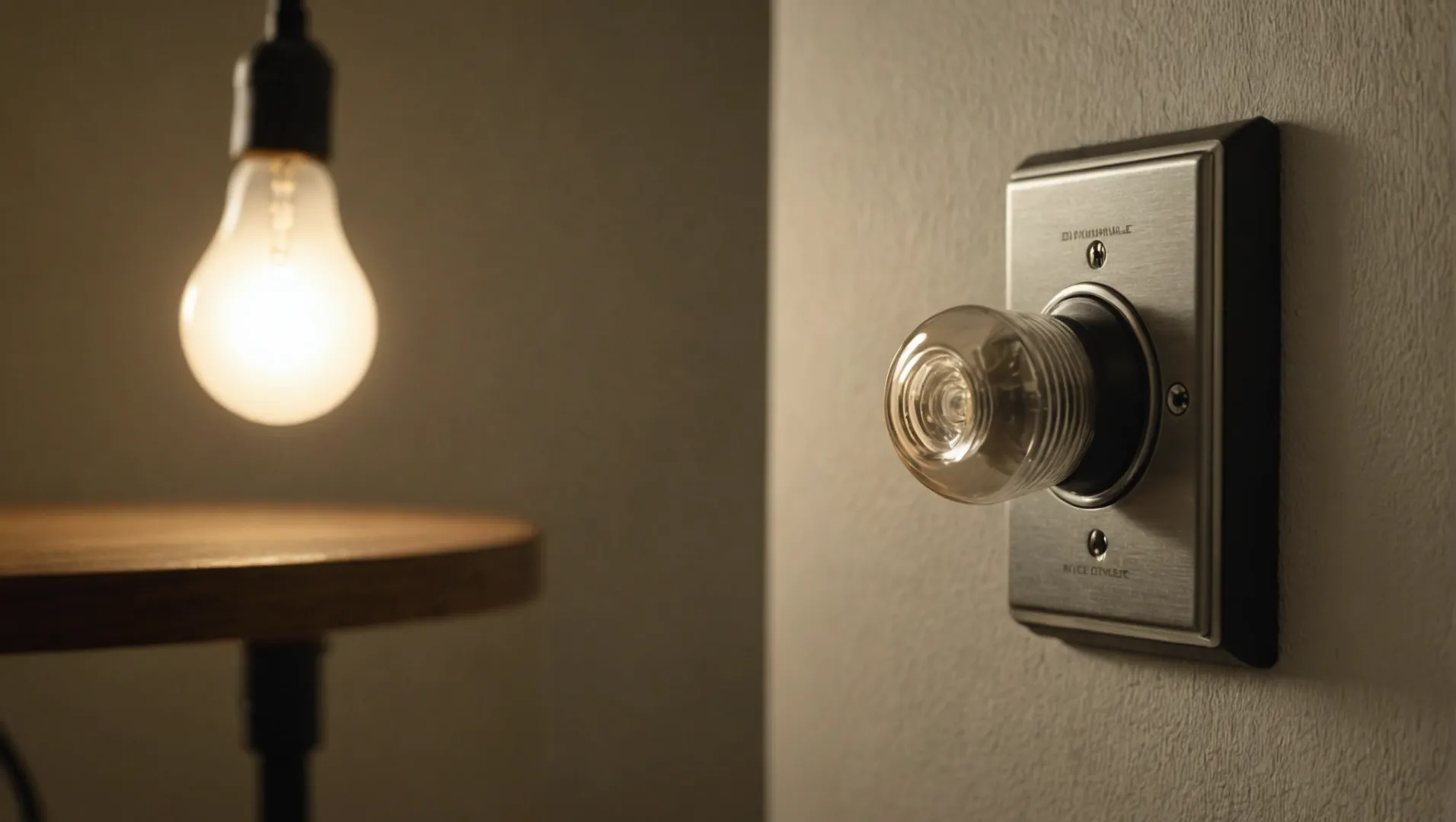
Comprendre la compatibilité entre LED et gradateur
Les lumières LED et les gradateurs fonctionnent différemment des ampoules à incandescence traditionnelles, ce qui explique pourquoi la compatibilité est cruciale. Contrairement aux ampoules à incandescence, qui s'atténuent en réduisant la tension, les LED nécessitent un circuit spécifique pour gérer le gradation. Ainsi, toutes les LED ne sont pas intrinsèquement dimmables.
Vérifier la compatibilité
Pour garantir la compatibilité, recherchez des ampoules LED explicitement étiquetées comme ‘dimmables’. Ces ampoules sont conçues pour fonctionner avec des gradateurs. De plus, assurez-vous que le gradateur lui-même est conçu pour une utilisation avec LED. Les anciens gradateurs ne peuvent souvent pas gérer la faible puissance des LED, ce qui provoque des scintillements ou des bourdonnements.
Technologies modernes de gradateurs
Les gradateurs modernes sont conçus pour être plus compatibles avec diverses technologies d'éclairage. Par exemple, gradateurs à front descendant sont souvent recommandés pour les LED car ils offrent un contrôle plus fluide et moins de bruit par rapport aux anciens leading-edge gradateurs. Explorez différents types de gradateurs5 pour trouver la bonne correspondance à vos besoins d'éclairage.
Problèmes d'incompatibilité
If an LED is not compatible with a dimmer, it might not dim smoothly, or at all. Common issues include flickering, limited dimming range, or complete failure to light. To avoid these problems, consult compatibility lists provided by manufacturers or test the combination before full installation.
Practical Steps for Ensuring Compatibility
- Choisir des LED gradables : Ensure that your LED bulbs are labeled as dimmable.
- Select Compatible Dimmer: Opt for a modern dimmer compatible with LED technology.
- Consult Manufacturer Guides: Check compatibility charts or seek expert advice when uncertain.
- Test Before Installation: If possible, test the setup in a small area before fully committing to ensure smooth operation.
Understanding the nuances of LED and dimmer compatibility can help you avoid common pitfalls and fully leverage the energy-saving potential of your lighting setup.
[claim claim=”All LED lights work with any dimmer switch.” istrue=”false” explanation=”Not all LEDs are compatible with dimmers; specific ones are needed.”]
[claim claim=”Trailing-edge dimmers are better for LEDs than leading-edge.” istrue=”true” explanation=”Trailing-edge dimmers offer smoother control and less noise for LEDs.”]
Conclusion
In summary, dimming LED lights is a smart way to save energy and money. By understanding the intricacies of LED efficiency and ensuring compatibility with your dimmers, you can create an inviting atmosphere while benefiting both your budget and the environment.
Learn how modern dimmers enhance energy savings with LED compatibility.: Not all dimmers are compatible with LED lights, and using an incompatible one could cause flickering, reduced lifespan of your LEDs, or they … ↩
Learn how pulse-width modulation aids efficient light dimming.: Pulse width modulation (PWM) dimming is adjusting the current in LED drivers using the PWM technique or mechanism. Hence the LED driver becomes … ↩
Discover tips for enhancing energy efficiency with lighting solutions.: In addition to saving energy by using more energy-efficient lamps, you can also save by leaving the lights on for a shorter period of time or dimming them. ↩
Understand how reduced heat from dimming extends LED lifespan.: A good quality LED dimmer might allow the LED to last longer, a cheap LED dimmer might cause premature failure… depending on the breadth of the … ↩
Learn about modern dimmer switches suitable for LED compatibility.: The four main types of toggle switches are single-pole single throw (SPST), single-pole double throw (SPDT), double-pole single throw (DPST) and double-pole … ↩