
你是否曾为了匹配心情而调整灯光亮度?这个简单的行为除了营造氛围外,还能带来显著的节能效果!
调暗LED灯可按调暗程度比例减少能耗,从而可能节省电费并降低环境影响。使用兼容的调光开关可以进一步优化这些效益,使其成为家庭和企业的明智选择。.
但这只是冰山一角!让我们深入探讨调光如何真正影响LED效率,探索现代调光技术,并揭示能最大化节省能源和延长照明设备寿命的实用技巧。.
[claim claim=”调暗LED灯可降低能耗。” istrue=”true” explanation=”调光按比例减少电力使用,从而节省能源。”]
可调光LED灯有哪些好处?
可调光LED灯提供的不仅仅是照明的灵活性——它们带来显著的节能效果和增强的氛围。.
可调光LED灯允许用户控制光线强度,减少能耗并延长灯泡寿命。通过调整亮度水平以适应不同的情绪和场景,它们还能提升氛围和舒适度。.
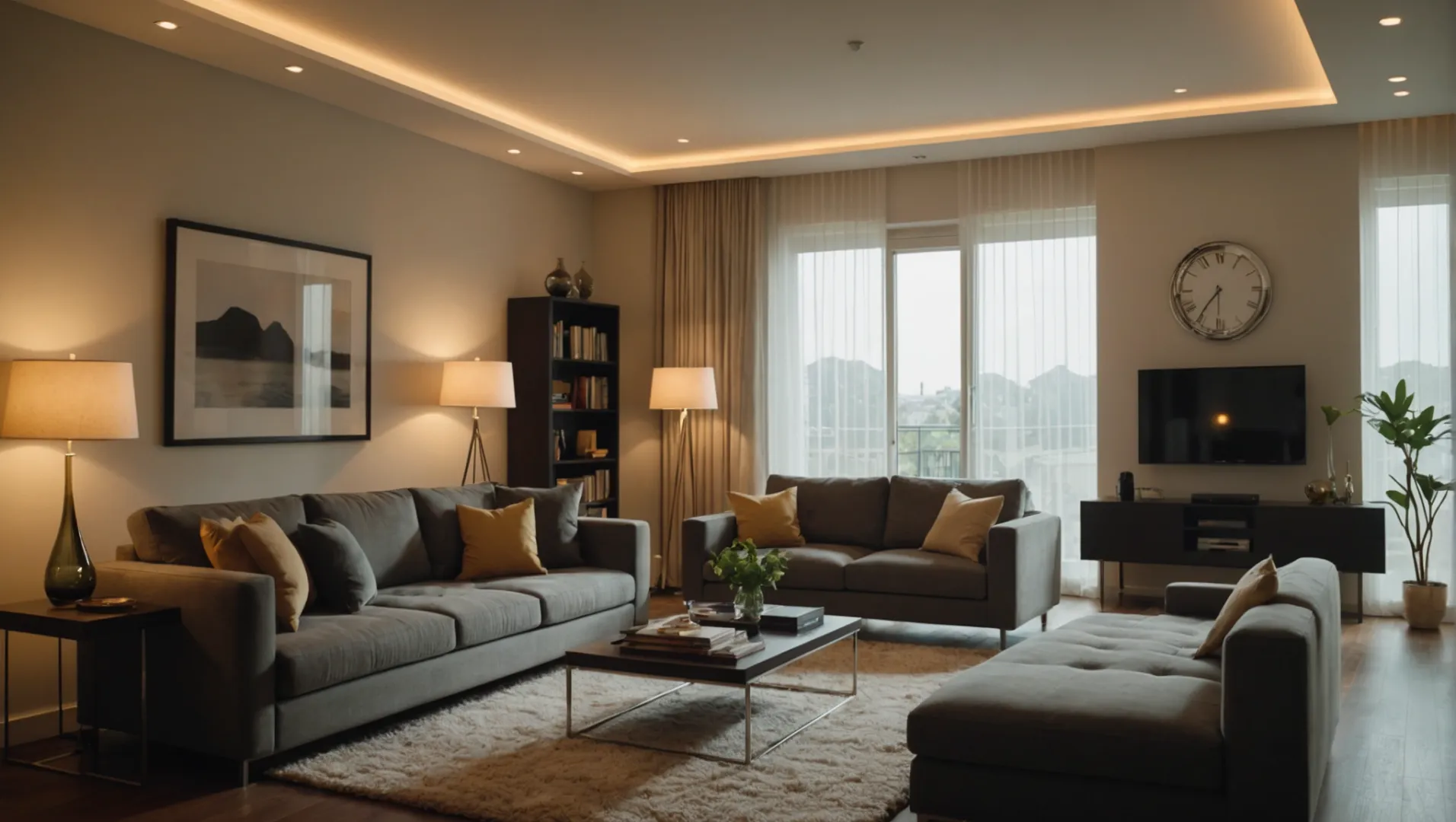
能源效率
可调光LED灯的主要优势之一在于其降低能耗的能力。与传统白炽灯泡不同,后者无论亮度如何都消耗相同能量,而可调光LED灯随着光输出降低而减少功率使用。这种功率消耗的比例性减少意味着,即使亮度的微小调整也能带来电费账单上的显著节省。.
延长使用寿命
降低LED灯的亮度也能延长其使用寿命。通过减少LED元件上的电气应力,调光有助于减轻磨损,可能延长灯泡的寿命。这意味着长期来看更换次数减少,既省钱又节约资源。.
提升氛围与舒适度
可调光LED提供了灵活性,可为任何场合创造完美的照明环境。无论是举办晚宴还是在家享受宁静夜晚,调整光线水平都能改变房间的氛围,提升美学吸引力和舒适度。.
热量减少
当LED灯被调暗时,它们产生的热量更少。这不仅使环境更加舒适,还有助于提升照明系统的整体效率。减少热量产生有助于降低冷却成本,在温暖气候中尤其如此。.
与现代调光开关的兼容性
现代调光开关专为与可调光LED灯配合使用以优化节能而设计。它们提供亮度级别间更平滑的过渡,并防止闪烁或嗡嗡声——这些是老式调光系统的常见问题。然而,为确保调光开关与LED灯之间的兼容性以最大化这些效益至关重要。.
A 对比表 有助于可视化其中一些优势:
| 益处 | 说明 |
|---|---|
| 节能 | 亮度越低,能耗越少,电费也越低。. |
| 更长灯泡寿命 | 减少电气应力可延长LED寿命。. |
| 增强氛围 | 根据不同心情和场景调整光线水平。. |
| 热量减少 | 调光减少热量产生,提升舒适度与效率。. |
| 现代调光器兼容性 | 确保最佳性能,无闪烁或嗡嗡声问题。. |
为了更深入地理解 现代调光器1 与LED灯配合使用,探索它们在能源管理和家居舒适度方面带来的优势。.
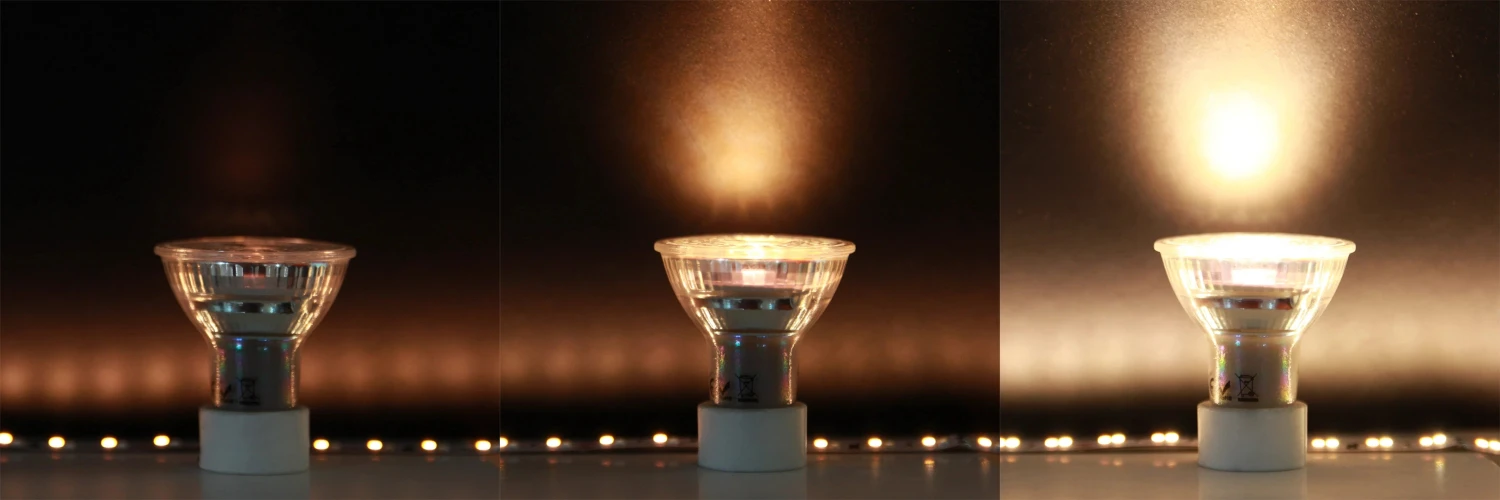
Teco GU10 5.5W可调光至暖光LED射灯,可调光色温变化。.
Teco GU10 5.5W可调光至暖光LED射灯,可调光色温变化。.
[claim claim=”可调光LED灯能减少能耗。” istrue=”true” explanation=”调光可降低电力使用,实现节能效果。”]
[claim claim=”所有调光开关都与LED灯兼容。” istrue=”false” explanation=”兼容性因产品而异;并非所有调光器都适用于LED灯。”]
现代调光开关如何优化能源使用?
探索调光开关背后的科学及其在高效降低能耗中的作用。.
现代调光开关通过调整电压波形来优化能源使用,在不影响光线质量的前提下降低功耗。它们专为与LED灯高效配合而设计,确保兼容性并最大化节能效果。.
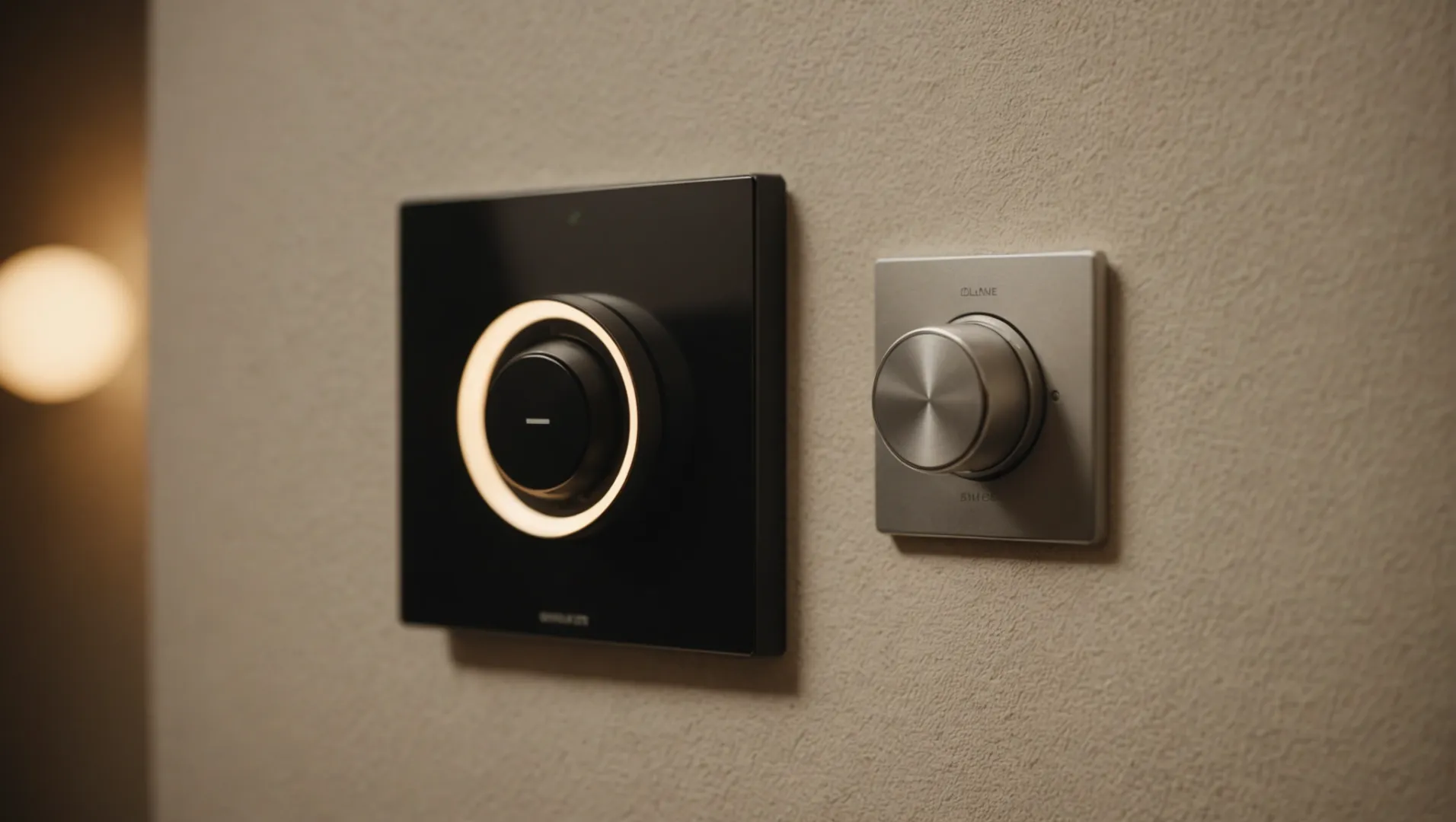
调光科学:电压波形调整
现代调光开关通过修改供应给灯泡的电压波形来工作。与通过可变电阻运作的传统调光器不同,这些先进开关采用诸如 脉宽调制2 控制光线强度。通过切割交流电波形的一部分,它们有效减少输送到LED的功率,从而降低能耗。.
这种方法不仅节能,还能保持光质并减少闪烁——这是早期调光技术中的常见问题。.
增强与LED技术的兼容性
LED本身高效,但其性能可能因不同调光器而异。现代调光开关专门设计为与LED兼容,确保最佳效率。它们可以调整至低电流水平而不影响光输出,这对于实现精确节能至关重要。.
超越节能的额外益处
除了节能,使用现代调光开关还能减少热量输出,这有助于延长灯具寿命并降低家庭或企业的冷却成本。例如,通过减少热量,这些系统可以减轻对 暖通空调 系统在温暖月份进一步降低能耗,从而全面提升整体能源效率。.
| 特点 | 传统调光器 | 现代调光器 |
|---|---|---|
| 能源效率 | 中等 | 高 |
| LED兼容性 | 可变 | 优秀 |
| 热量减少 | 最小 | 显著 |
根据需求选择合适的调光器
为最大化节能并确保平稳运行,选择与LED灯具兼容的调光器至关重要。寻找标有"LED兼容"或注明支持低瓦数应用的调光器。了解技术规格能帮助您做出明智决定,最大化您的 能效3 潜力。.
[claim claim=”现代调光器使用脉宽调制。” istrue=”true” explanation=”脉宽调制通过调整电压波形来控制光强度。”]
[claim claim=”传统调光器比现代调光器更高效。” istrue=”false” explanation=”现代调光器更高效,尤其是在LED兼容性方面。”]
调光LED灯会影响其寿命吗?
揭示调暗LED灯可能如何延长或缩短其寿命。.
调光LED灯可以通过减少热量产生和组件压力对其寿命产生积极影响,前提是灯具和调光器兼容。正确匹配的系统可以延长寿命并提高效率,而不兼容可能导致闪烁甚至损坏。.
理解LED调光的机制
与白炽灯泡不同,LED依靠电子电路工作。当调暗LED灯时,实际上是减少了流过LED的电流量,从而降低热量输出。减少热量是有益的,因为它减轻了LED内部元件的压力,可能延长其 寿命4.
然而,这一好处取决于LED灯与调光开关的兼容性。不兼容的系统可能导致闪烁或光线输出不稳定,从而可能过早磨损LED元件。.
探索减少热量的好处
热量是缩短LED寿命的主要因素之一。通过调光,您可以降低灯泡的工作温度,这有助于长期保持其效率。本质上,热量越少,电气组件承受的压力越小,从而延长灯泡的使用寿命。因此,使用可调光LED与适当的调光开关不仅是为了节能,也是为了保持灯具的耐用性。.
兼容性:长寿的关键
虽然调光可能有益,但确保您的LED标为可调光且使用兼容的调光开关至关重要。不匹配可能导致效率低下甚至损坏。检查兼容性有助于避免闪烁或嗡嗡声等问题,这些表明设置存在问题。.
以下是一个简单的对比表,概述了优点和潜在缺点:
| 系数 | 益处 | 潜在缺点 |
|---|---|---|
| 热量减少 | 延长寿命 | 如果调光器不兼容,可能不会发生 |
| 节能 | 降低电费成本 | 若设置得当则无 |
| 兼容性 | 确保高效运行 | 不兼容导致效率低下 |
最大化LED寿命的技巧
- 选择可调光LED: 始终选择明确标记为可调光的LED灯。.
- 使用兼容的调光器: 将您的LED灯与兼容的调光开关匹配。.
- 参考制造商指南: 遵循说明以获得最佳使用效果。.
总之,理解并应用这些因素能显著影响LED照明系统的寿命和性能。欲了解更多关于确保兼容性和最大化效益的详细信息,请考虑探索更多资源。.
[claim claim=”调暗LED灯可减少热量并延长寿命。” istrue=”true” explanation=”调光降低电流,减少热量和元件压力。”]
[claim claim=”不兼容的调光器可能损坏LED灯。” istrue=”true” explanation=”系统不匹配会导致闪烁,从而造成组件磨损。”]
所有LED灯都兼容调光器吗?
LED灯与调光器的兼容性会显著影响其性能和能效。.
并非所有LED灯都兼容调光器。兼容性取决于LED灯泡和调光开关的设计。选择可调光LED和兼容的调光器至关重要,以确保最佳性能,避免闪烁或嗡嗡声问题。.
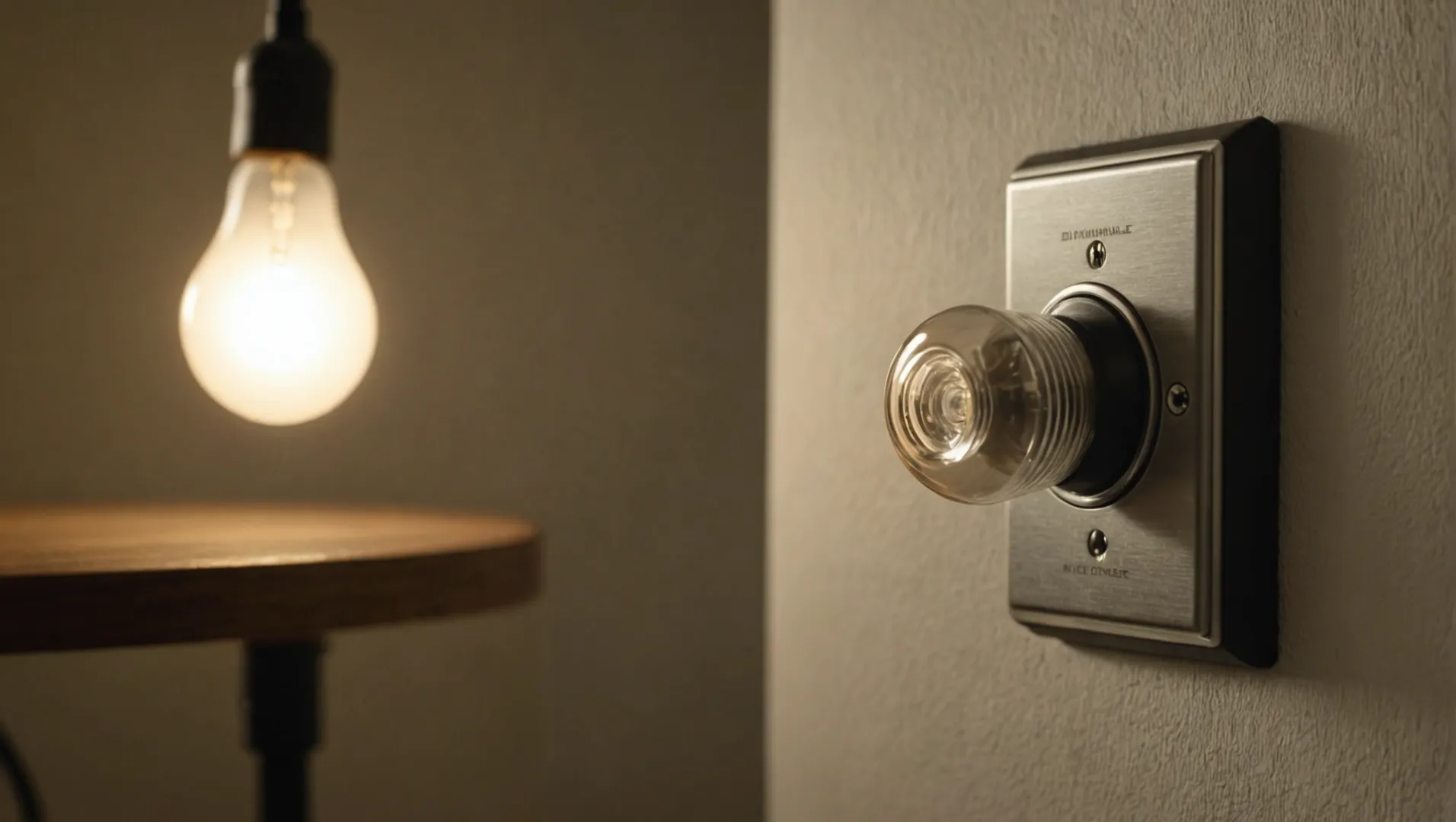
理解LED与调光器的兼容性
与传统白炽灯泡相比,LED灯和调光器的工作方式不同,因此兼容性至关重要。白炽灯泡通过降低电压来调光,而LED需要特定的电路来处理调光,因此并非所有LED天生可调光。.
检查兼容性
为确保兼容性,请寻找明确标注为‘可调光’的LED灯泡。这些灯泡专为与调光开关配合使用而设计。此外,请确保调光开关本身适用于LED。老式调光开关通常无法处理LED的低功耗,会导致闪烁或嗡嗡声。.
现代调光技术
现代调光器设计得与各种照明技术更兼容。例如,, 后沿调光器 通常推荐用于LED灯,因为它们提供更平滑的控制,并且比旧式调光器噪音更小 前沿 调光器。. Explore different types of dimmer switches5 to find the right match for your lighting needs.
Issues with Incompatibility
If an LED is not compatible with a dimmer, it might not dim smoothly, or at all. Common issues include flickering, limited dimming range, or complete failure to light. To avoid these problems, consult compatibility lists provided by manufacturers or test the combination before full installation.
Practical Steps for Ensuring Compatibility
- 选择可调光LED: Ensure that your LED bulbs are labeled as dimmable.
- Select Compatible Dimmer: Opt for a modern dimmer compatible with LED technology.
- Consult Manufacturer Guides: Check compatibility charts or seek expert advice when uncertain.
- Test Before Installation: If possible, test the setup in a small area before fully committing to ensure smooth operation.
Understanding the nuances of LED and dimmer compatibility can help you avoid common pitfalls and fully leverage the energy-saving potential of your lighting setup.
[claim claim=”All LED lights work with any dimmer switch.” istrue=”false” explanation=”Not all LEDs are compatible with dimmers; specific ones are needed.”]
[claim claim=”Trailing-edge dimmers are better for LEDs than leading-edge.” istrue=”true” explanation=”Trailing-edge dimmers offer smoother control and less noise for LEDs.”]
结论
In summary, dimming LED lights is a smart way to save energy and money. By understanding the intricacies of LED efficiency and ensuring compatibility with your dimmers, you can create an inviting atmosphere while benefiting both your budget and the environment.
Learn how modern dimmers enhance energy savings with LED compatibility.: Not all dimmers are compatible with LED lights, and using an incompatible one could cause flickering, reduced lifespan of your LEDs, or they … ↩
Learn how pulse-width modulation aids efficient light dimming.: Pulse width modulation (PWM) dimming is adjusting the current in LED drivers using the PWM technique or mechanism. Hence the LED driver becomes … ↩
Discover tips for enhancing energy efficiency with lighting solutions.: In addition to saving energy by using more energy-efficient lamps, you can also save by leaving the lights on for a shorter period of time or dimming them. ↩
Understand how reduced heat from dimming extends LED lifespan.: A good quality LED dimmer might allow the LED to last longer, a cheap LED dimmer might cause premature failure… depending on the breadth of the … ↩
Learn about modern dimmer switches suitable for LED compatibility.: The four main types of toggle switches are single-pole single throw (SPST), single-pole double throw (SPDT), double-pole single throw (DPST) and double-pole … ↩