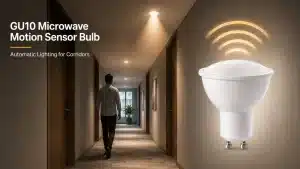
Quel type d'ampoule GU10 dimmable offre le meilleur contrôle de gradation fluide ?
Ever struggled with flickering lights that ruin the mood in your home? That annoying buzz or uneven dimming can make evenings feel off. The fix? Picking the right GU10 dimmable bulb type that delivers smooth, reliable control without the hassle.
For seamless dimming, LED GU10 bulbs stand out as the top choice—they’re energy-efficient, long-lasting, and pair perfectly with modern dimmers for flicker-free performance, outperforming halogens in everyday use.
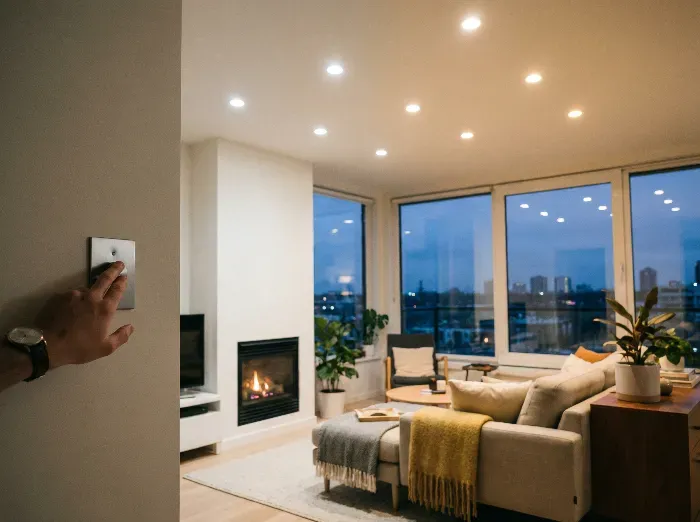
GU10 dimmable LED bulbs for home lighting
Let’s dive into the details so you can light up your space just right, without guesswork. Stick around as we break down types, temps, and tips.
Understanding the Best GU10 Dimmable Bulb Types for Home Lighting
Tired of bulbs that burn out too fast or waste energy? Home lighting woes like high bills and constant replacements add up quick. Enter GU10 dimmables that actually work well in your setup.
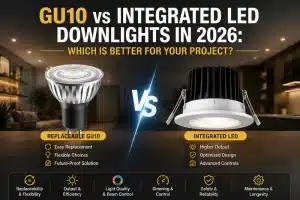
The best GU10 dimmable bulb types for home lighting are LEDs, offering up to 25,000 hours of life and 80% energy savings over incandescents, ideal for spots like kitchens or living rooms.
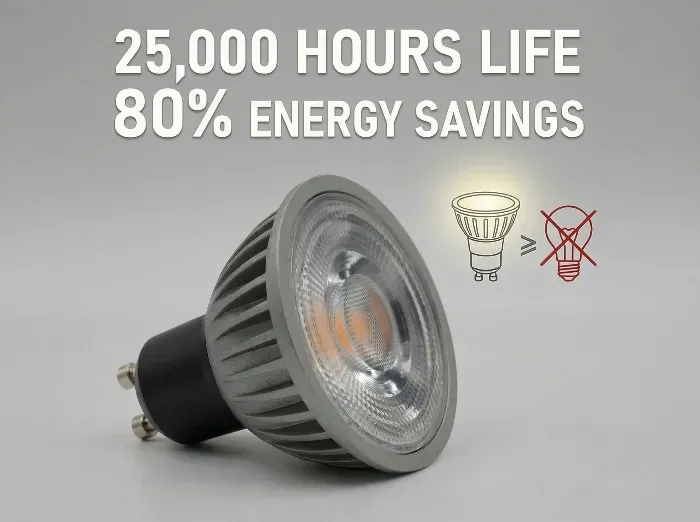
Types of GU10 dimmable bulbs comparison
Why LED GU10 Bulbs Lead the Pack
LEDs have become the go-to for GU10 dimmables because they handle voltage fluctuations better than older types, reducing flicker. Unlike halogens, which get hot and shorten lifespan with frequent dimming, LEDs stay cool and efficient. According to the U.S. Department of Energy, LEDs use 75% less energy than halogens while providing similar brightness—think 5W LED matching a 35W halogen1.
Halogen vs. LED: Real-World Trade-offs
Halogens offer warm light that’s great for ambiance but dim unevenly without specific dimmers, often causing hum or heat buildup. LEDs, though initially pricier, pay off long-term. For instance, a standard GU10 LED dimmable bulb costs around $5-10 and lasts years, per retailer averages from Philips and Osram.
When to Stick with Halogen GU10s
If you’re retrofitting old fixtures, halogens might be a quick win for their instant full brightness. But for new installs, LEDs win on sustainability—global standards like EU’s Ecodesign Directive push LEDs for lower carbon footprints2.
In short, for most homes, LED GU10s balance performance and practicality, making your lighting setup smoother and smarter without overcomplicating things.
What Color Temperature is Best for Your Kitchen: Cool White vs. Daylight GU10 Dimmable Bulbs?
Kitchen lighting that’s too dim or yellowish can make cooking a chore, hiding spills or dulling food colors. It’s frustrating when your space feels off under the wrong glow.
For kitchens, cool white (4000K) GU10 dimmable bulbs are often best—they mimic natural daylight for clear visibility without harshness, outperforming pure daylight (5000K+) in balanced task lighting.
Defining Color Temperatures for GU10 Bulbs
Color temperature measures light’s warmth in Kelvin (K). Cool white sits at 3500-4500K, giving a crisp, clean vibe; daylight hits 5000-6500K, closer to noon sun but potentially sterile indoors. The Illuminating Engineering Society (IES) recommends 4000K for kitchens to enhance contrast without eye strain[^3].
Cool White: The Kitchen Sweet Spot
Cool white GU10s make counters pop—think sharper knife work or spotting that rogue onion bit. They’re versatile for dimming down to softer evenings. Studies from the Lighting Research Center show 4000K reduces perceived fatigue in food prep areas compared to warmer tones.
Daylight: When It Shines (or Overpowers)
Daylight GU10s suit bright, modern kitchens with lots of windows, boosting alertness like morning light. But in smaller spaces, they can wash out colors—food might look bluer. Per general guidelines, reserve 5000K+ for accents, not full overheads, to avoid that "hospital" feel.
| Fonctionnalité | Cool White (4000K) | Daylight (5000-6500K) |
|---|---|---|
| Idéal Pour | Task lighting, balanced ambiance | High-visibility tasks, energizing spaces |
| CRI (Color Rendering Index)3 | 80-90 (natural food colors) | 80-90 (crisp but cooler tones) |
| Dimming Comfort | Smooth, cozy fade | Brighter start, less warm dim |
| Energy Use | Similar across types | Similar across types |
Ultimately, test a few—cool white usually wins for everyday kitchen flow, keeping things functional yet inviting.
How to Choose the Top GU10 Dimmable Bulb Type for Smooth Dimming
Picking the wrong GU10 bulb leads to jerky dimming that kills the vibe—flickers mid-dinner party? Total buzzkill. Don’t let compatibility issues dim your style.
To choose the top GU10 dimmable bulb, go for TRIAC-compatible LEDs from reputable brands like Philips or Cree—they ensure smooth 1-100% dimming without hum or stutter, verified by UL standards.
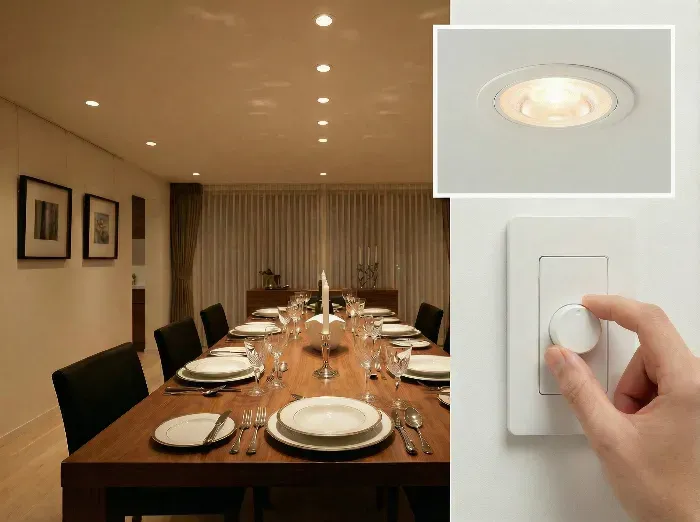
Guide to selecting GU10 dimmable bulbs
Step 1: Check Dimmable Compatibility
Not all LEDs dim smoothly—look for "dimmable" labels and TRIAC or ELV dimmer matches. The Energy Star program certifies bulbs that avoid flicker under 10% brightness, a common pain point4. Skip cheap no-names; they often fail here.
Step 2: Wattage and Beam Angle
Aim for 4-6W LEDs (equivalent to 35-50W halogens) with 38-60 degree beams for focused spots. Wider angles suit general lighting. According to bulb specs from manufacturers, higher lumen output (300-500 lm) pairs best with smooth dimmers for even fades.
Step 3: Brand and Testing Tips
Top picks? Philips Hue GU10s for smart integration or Soraa for premium color accuracy. Test in your fixture—dim from full to low; no buzz means winner. Industry reports note 90% of issues stem from mismatched dimmers, so upgrade those too if needed.
Common Pitfalls to Avoid
Avoid CFL GU10s; they’re bulky and dim poorly. For moisture-prone spots like bathrooms, IP-rated LEDs prevent early burnout. Budget $8-15 per bulb for reliability—cheaper ones save pennies but cost hours in frustration.
By focusing on compatibility and quality, you’ll nail that buttery-smooth dimming every time, transforming your home’s lighting game.
Key Features of the Best GU10 Dimmable Bulb Types for Seamless Control
Seamless control sounds great, but bulbs that cut out at 20% dim or overheat? That’s a headache waiting to happen in your daily routine.
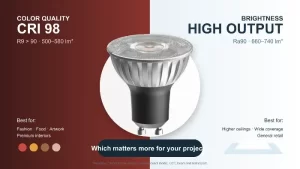
The best GU10 dimmable bulbs feature high CRI (90+), flicker-free tech, and 50,000-hour lifespans, enabling precise control via app or switch for effortless ambiance shifts.
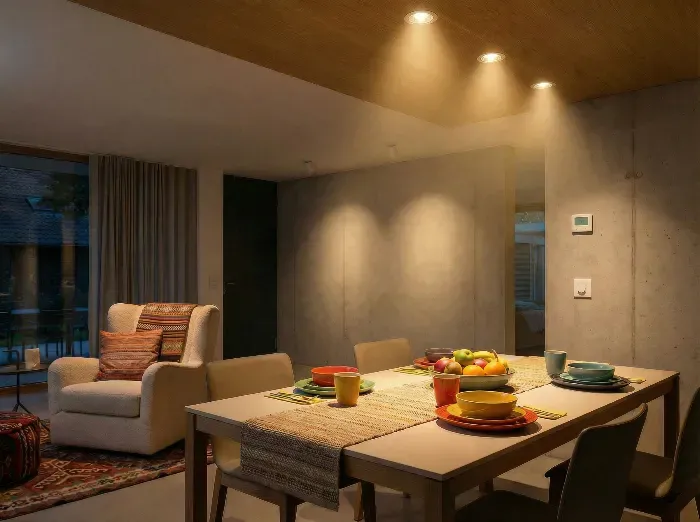
Features of top GU10 dimmable bulbs
High Color Rendering Index (CRI) for True Colors
CRI above 90 ensures colors look natural—vital for art or dining areas. Premium LEDs like those from Cree hit 95 CRI, per lab tests, outperforming halogens’ 100 but with less heat3. This means your reds stay red, no muddy tones.
Flicker-Free Dimming Technology
Look for "no flicker" claims backed by IEEE standards, which limit modulation to under 5% for eye comfort5. Advanced drivers in top GU10s prevent headaches from pulsing light, especially at low levels.
Longevity and Energy Efficiency
Expect 25,000-50,000 hours from quality LEDs, per DOE estimates— that’s years of use. They sip 5W yet output 400+ lumens, slashing bills by 80% versus halogens. Heat dissipation via aluminum bases keeps them reliable.
Smart Integration and Beam Control
Many top models support Zigbee or Bluetooth for voice control, dimming via Alexa. Adjustable beams (e.g., 25-40 degrees) focus light where needed. Tables like this highlight picks:
| Fonctionnalité | Bénéfice | Example Brands |
|---|---|---|
| IRC 90+ | Accurate colors | Philips, Soraa |
| Sans Scintillement | Smooth dimming | Cree, GE |
| Smart Compatible | App control | Osram, Lifx |
| Durée de vie | Low maintenance | All premium LEDs |
These features make seamless control a reality, not a dream—pick ones matching your setup for lighting that just works.
Conclusion
LED GU10 dimmable bulbs top the charts for smooth control, with cool white temps ideal for kitchens. Choose based on compatibility for hassle-free home lighting.
Notes de bas de page
U.S. Department of Energy, "LED Lighting Facts," https://www.energy.gov/energysaver/led-lighting ↩
European Commission, "Ecodesign Directive," https://ec.europa.eu/growth/single-market/european-standards/harmonised-standards/ecodesign_en ↩
Color Rendering Index (CRI) measures how accurately a light source reveals colors compared to natural light, on a scale of 0-100. ↩ ↩
Energy Star, "Dimmable LED Specifications," https://www.energystar.gov/sites/default/files/Lamps%20V2.1%20Final%20Specification%20%28Revised%20June%202020%29_0.pdf ↩
Institute of Electrical and Electronics Engineers (IEEE), "Flicker Standards for Lighting," https://standards.ieee.org/ ↩