Guida allo stile Edison delle lampadine LED: come scegliere lampadine a filamento con tonalità oro per progetti decorativi
Quando gli acquirenti cercano Lampadina LED Edison prodotti, di solito non cercano la lampadina più luminosa del catalogo. Cercano una lampada decorativa visibile che possa creare un'atmosfera calda, adattarsi ad apparecchi esposti, ridurre il consumo energetico rispetto alle lampade a incandescenza e comportarsi comunque in modo affidabile in progetti reali di hospitality, retail o residenziali.
Questo rende le lampadine a LED a filamento in stile Edison diverse dalle normali lampadine di ricambio. La forma del vetro, la tonalità, la disposizione del filamento, la temperatura di colore, il comportamento di attenuazione e l'abbagliamento visivo diventano tutti parte del risultato di design. Una lampadina può sembrare attraente in una foto del prodotto, ma risultare troppo fioca, troppo ambrata, troppo abbagliante o incoerente una volta installata in un ristorante, corridoio d'hotel, salotto, lampadario o vetrina.
Questa guida spiega come scegliere lampadine a LED a filamento in stile Edison per uso in progetti, con un focus su lampade decorative color oro, atmosfera calda, aspettative di attenuazione e controlli di acquisto B2B.
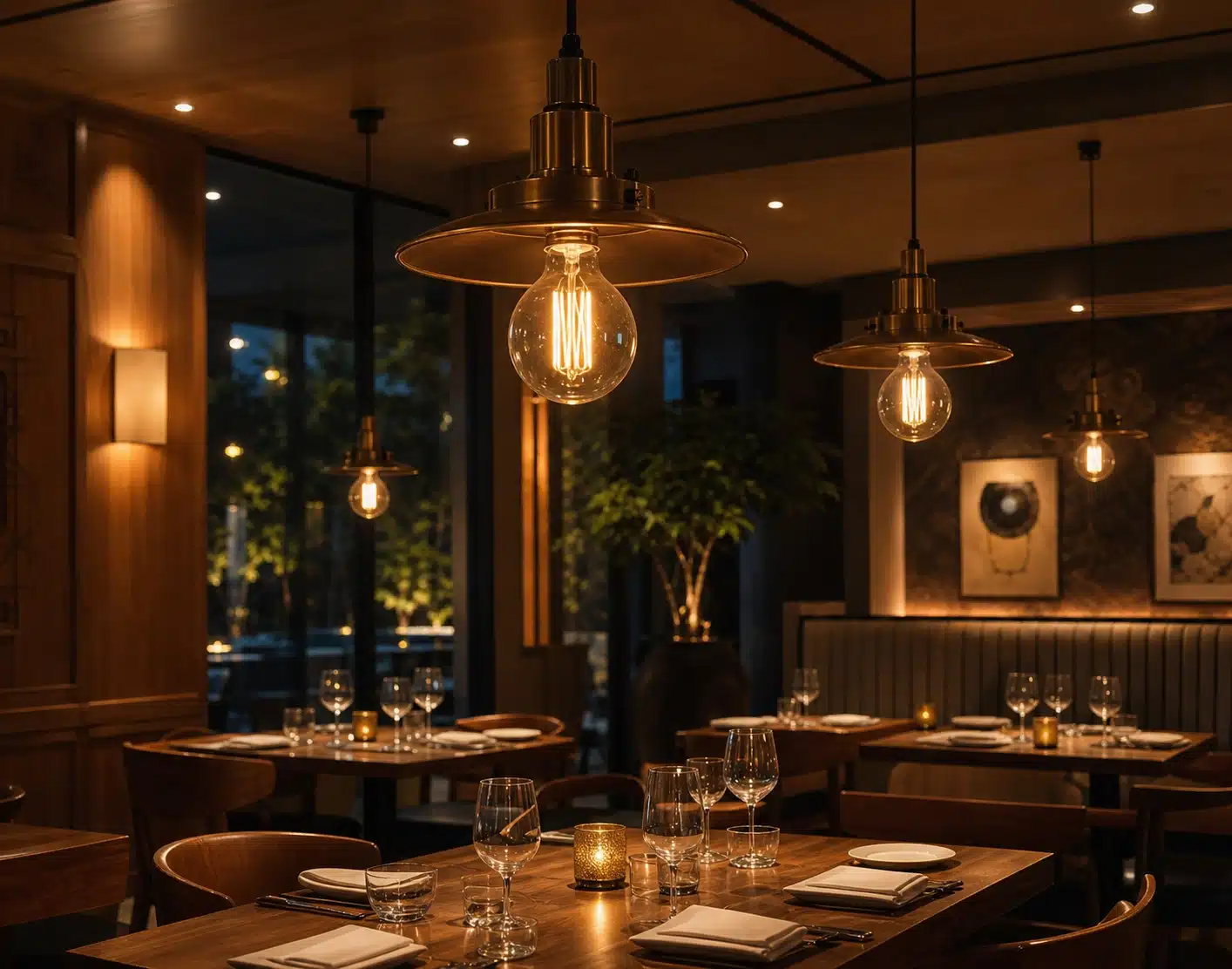
lampadina a led stile edison bulbi a filamento tinto oro per illuminazione hospitality
Cosa significa la lampadina LED stile Edison nei progetti moderni?
"Edison bulb" viene spesso utilizzato sul mercato per descrivere una lampada in stile vintage con filamenti visibili e vetro decorativo. Nei prodotti LED moderni, ciò non significa che la lampada utilizzi la vecchia tecnologia a incandescenza. Di solito significa che la lampada utilizza strisce di filamento LED all'interno di un involucro di vetro per riprodurre l'aspetto visivo delle tradizionali lampade a filamento esposto.
Per gli acquirenti di progetti, la parola "Edison" è solo il punto di partenza. La vera specifica dipende ancora dal tipo di attacco, tensione, forma della lampadina, finitura del vetro, emissione luminosa, temperatura di colore, metodo di regolazione e condizioni dell'apparecchio.
| Punto di Specifica | Perché è importante nei progetti |
|---|---|
| Forma della lampadina | Determina la proporzione visiva in sospensioni, applique, lampadari e apparecchi aperti |
| Tipo di base | Deve corrispondere al portalampada, come E26, E27, E12 o E14 |
| Finitura in vetro | Il vetro trasparente appare più luminoso; il vetro color oro appare più caldo e decorativo |
| Temperatura di colore | Determina se lo spazio sembra intimo, neutro o visivamente nitido |
| Flusso luminoso | Determina la luminosità utile, non solo il bagliore decorativo |
| Compatibilità con la regolazione | Una lampadina dimmerabile richiede ancora un dimmer compatibile e condizioni di carico adeguate |
| Coerenza del lotto | Importante quando vengono installate insieme dozzine o centinaia di bulbi visibili |
Questo è il motivo per cui le lampadine a filamento decorativo dovrebbero essere selezionate come parte di un sistema di illuminazione, non solo come accessorio di stile.
Vetro Tinta Oro, Luce Calda 2200K e Atmosfera Reale
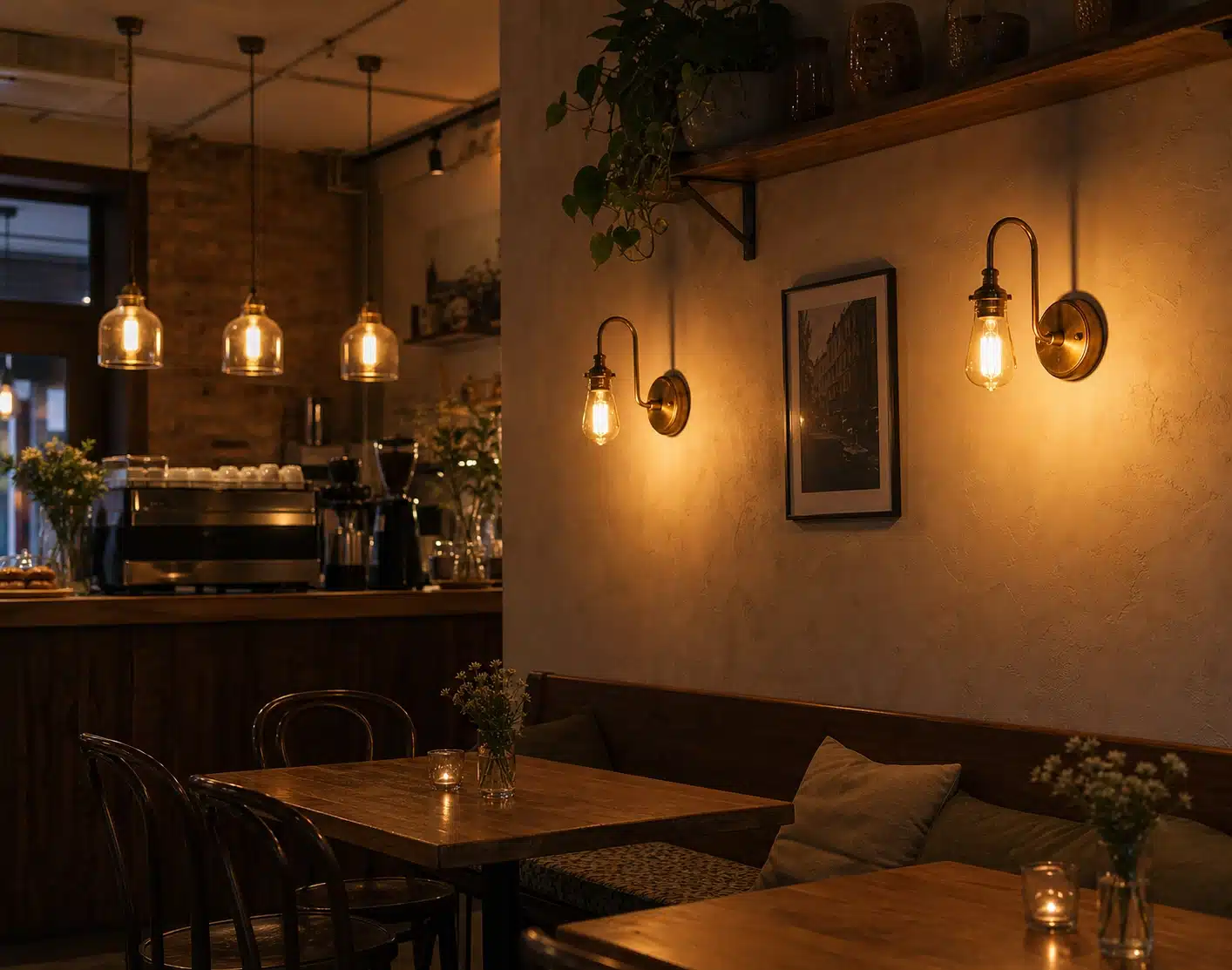
Le lampadine LED Edison con tinta oro sono popolari perché la lampada appare calda anche prima di essere accesa. Nei ristoranti, bar, hotel boutique e aree lounge, quel calore visivo può supportare un tono interno più intimo rispetto alle lampade in vetro trasparente o ad alta temperatura di colore.
Tuttavia, il vetro tinto oro non è solo un dettaglio estetico. Può influenzare il colore percepito della luce e la luminosità apparente della lampada. Una lampada molto calda intorno a 2200K-2300K può apparire confortevole in un bar o nel salotto di un hotel, ma potrebbe non essere la scelta migliore per attività d'ufficio, ispezione prodotti o aree commerciali dove è importante un giudizio neutro del colore.
Per questo motivo, gli acquirenti non dovrebbero scegliere una lampadina Edison calda solo in base ai watt. L'output di lumen, la temperatura di colore, l'altezza del dispositivo, il materiale della lampada, il colore della parete e il livello di attenuazione influiscono tutti sul risultato finale dell'illuminazione.1
| Applicazione | Direzione pratica della CCT | Nota del progetto |
|---|---|---|
| Tavoli da ristorante | 2200K-2700K | Calda e intima, ma evita l'abbagliamento eccessivo a livello degli occhi |
| Salotto dell'hotel | 2200K-2700K | Si abbina bene a legno, ottone, pelle e finiture morbide |
| Bancone del caffè | 2700K-3000K | Leggermente più chiara ma comunque calda |
| Vendita al dettaglio boutique | 2700K-3000K | Usare con cautela se l'accuratezza del colore del prodotto è importante |
| Lampadario decorativo | 2200K-2700K | L'aspetto visivo della lampada stessa è spesso importante quanto l'emissione luminosa |
Negli interni commerciali, le lampadine Edison dovrebbero spesso essere utilizzate come uno strato di luce piuttosto che come unica fonte luminosa. Potrebbero essere ancora necessari faretti, spot, lavaggi a parete o illuminazione funzionale per fornire luminosità funzionale.
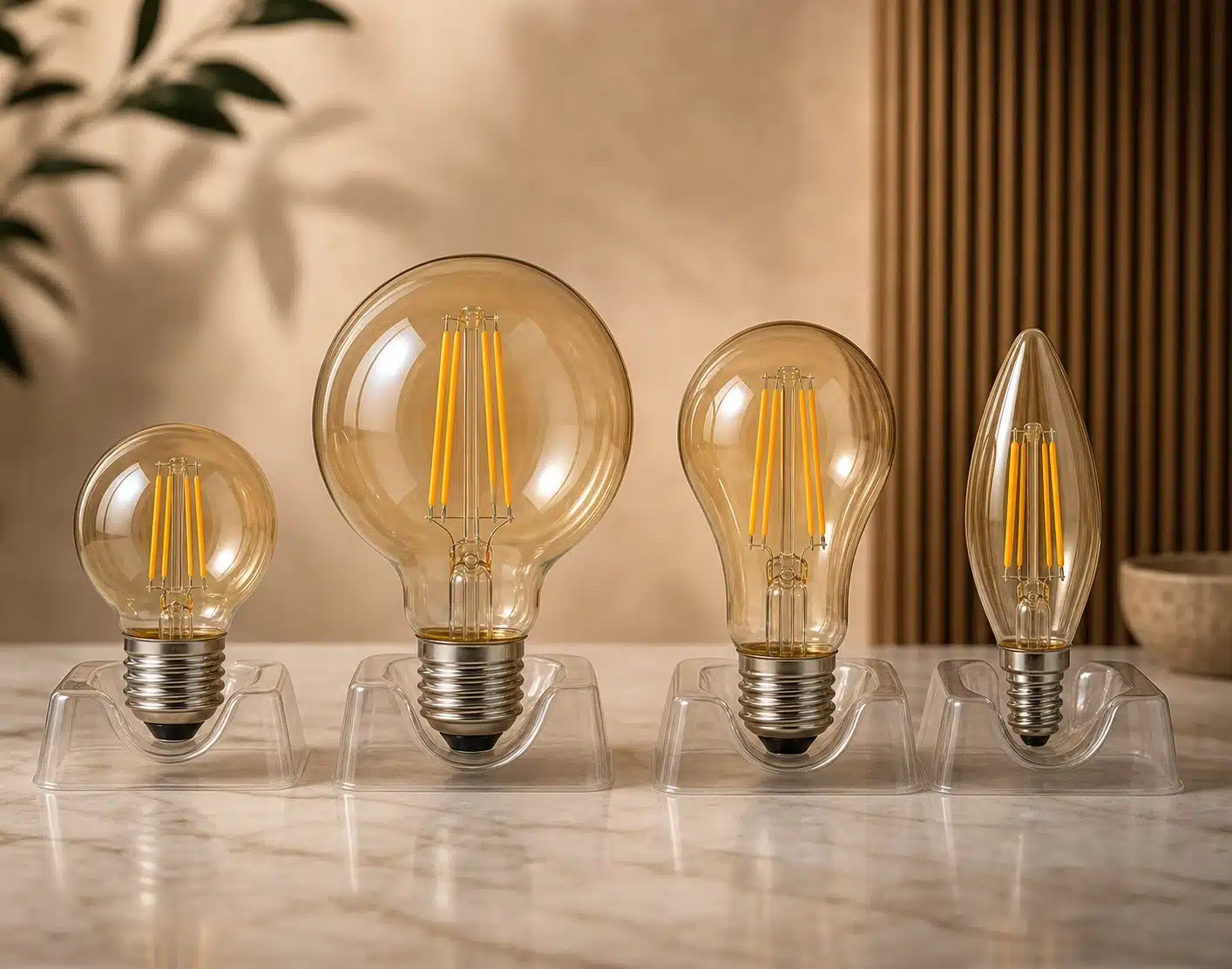
lampadine LED a filamento Edison tinta oro per un'atmosfera calda in ristoranti e hotel
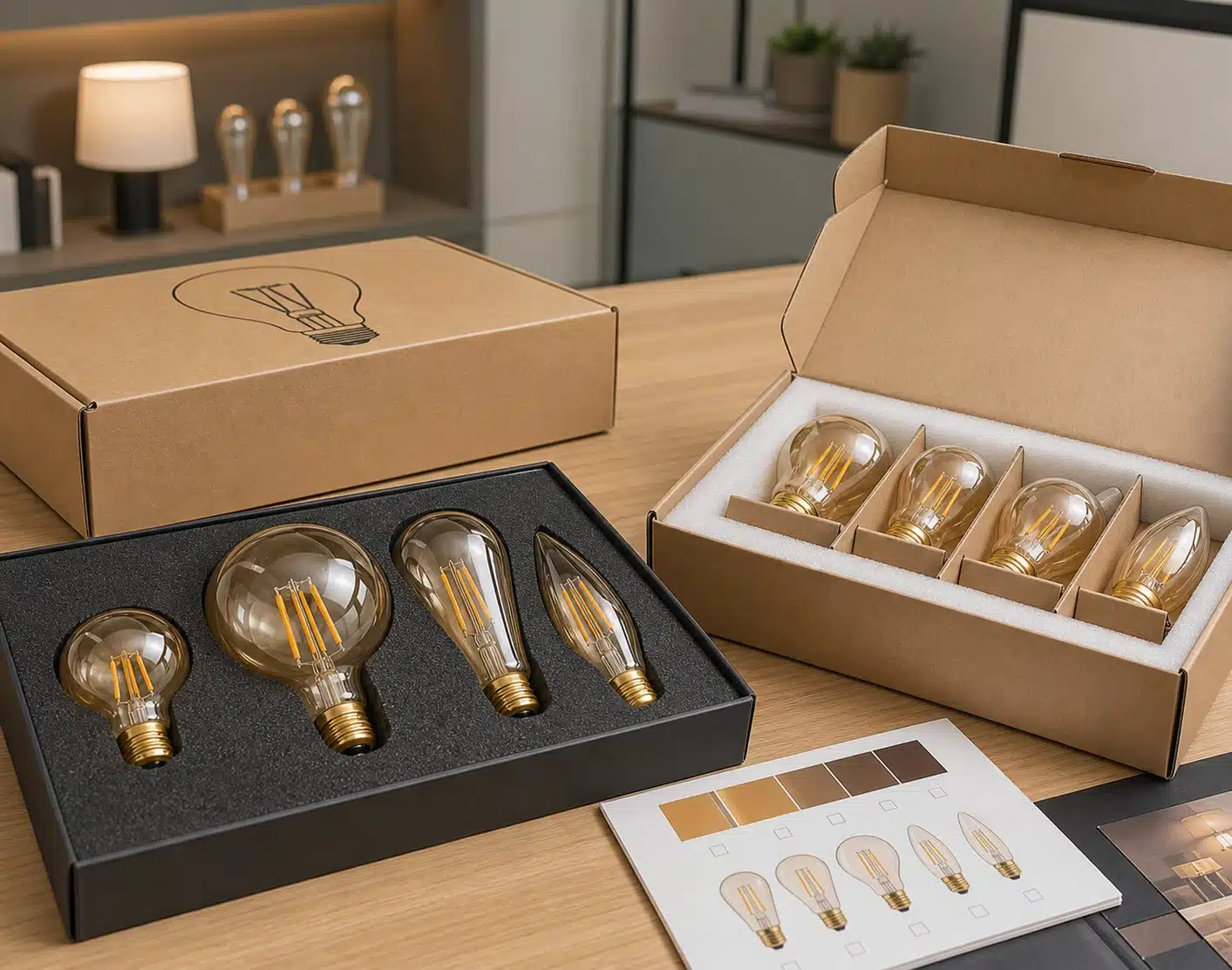
Scegliere le forme di bulbo a filamento G45, G95, A60 e B35
Le lampadine LED in stile Edison non hanno una sola forma. La forma corretta dipende dall'apparecchio, dalla distanza di visualizzazione e dal ruolo progettuale della lampada.
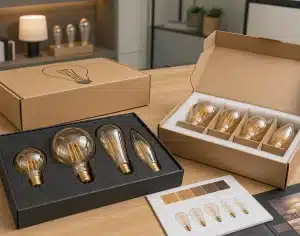
La gamma di filamenti decorativi TECO include formati globo compatto, globo grande, lampadina classica e stile candela per diverse applicazioni decorative. Ad esempio, la Bulbo LED a filamento E26 G45 con finitura oro premium è più adatta a piccole sospensioni, applique da parete e apparecchi decorativi compatti. La Bulbo LED a filamento E26 G95 con finitura oro premium crea un effetto globo visibile più ampio per sospensioni aperte, lounge e apparecchi di design.
Per una silhouette della lampada più familiare, la Lampadina LED a filamento A60 E26 con tonalità oro premium è adatto dove gli acquirenti desiderano la classica forma a bulbo con un aspetto filamentoso decorativo. Per lampadari e apparecchi decorativi stretti, il Lampadina LED Filamento Dimmerabile Grado Specifica B35 è più appropriato di un formato globo rotondo.
| Forma | Miglior utilizzo | Cosa controllare prima di ordinare |
|---|---|---|
| G45 | Piccole sospensioni, lampade da parete, apparecchi decorativi compatti | Assicurarsi che la lampada non sembri troppo piccola all'interno di paralumi sovradimensionati |
| G95 | Sospensioni aperte, lounge di hotel, bar, apparecchi di design | Confermare la spaziatura dell'apparecchio e il controllo dell'abbagliamento perché la lampadina è più visibile |
| A60 | Lampade da tavolo, semplici sospensioni, apparecchi a parete | Buono quando si preferisce un profilo classico familiare |
| B35 | Lampadari, lampade a parete stile candela, apparecchi decorativi a più lampade | Confermare il tipo di base, la lunghezza della lampada e il comportamento di dimmeraggio su più lampade |
I modelli selezionati di filamento TECO con tonalità oro sono elencati con opzioni di stile caldo 2200K/2300K, resa cromatica di livello Ra90, versioni dimmerabili, ampia distribuzione della luce e formati di vetro decorativo orientati al progetto. La potenza finale, l'output di lumen, la tensione, la base e le specifiche di dimmeraggio devono sempre essere confermate dal codice SKU prima del campionamento o dell'ordine all'ingrosso.2
Per progetti di ristoranti, hotel, caffetterie o negozi decorativi, gli acquirenti possono contattare TECO per confrontare campioni di lampadine LED a filamento Edison G45, G95, A60 e B35 prima di ordinare in grandi quantità.
Confronto delle forme delle lampadine LED a filamento Edison G45, G95, A60 e B35 per l'illuminazione decorativa
Luminosità, regolazione e abbagliamento: i tre rischi del progetto
L'errore più comune con le lampadine LED stile Edison è presumere che un bellissimo filamento visibile crei automaticamente un risultato di illuminazione confortevole. In realtà, le lampadine decorative possono fallire un progetto in tre modi: luminosità utile insufficiente, abbagliamento scomodo o comportamento di dimmeraggio scadente.
La luminosità dovrebbe essere valutata in lumen piuttosto che in watt. Le lampade a filamento LED consumano molta meno energia delle lampade a incandescenza, quindi il wattaggio da solo non descrive l'effettiva emissione luminosa. Una lampada decorativa a basso wattaggio può essere perfetta per l'atmosfera, mentre potrebbe essere necessaria una versione a maggiore emissione se la lampada contribuisce anche all'illuminazione utile della stanza.1
L'abbagliamento è particolarmente importante perché le lampadine Edison sono spesso installate in apparecchi esposti. In un ristorante o bar, il cliente potrebbe vedere direttamente la lampada da una posizione seduta. Se la lampadina è troppo luminosa, montata troppo in basso o installata senza paralume, l'effetto visivo può diventare aggressivo anche quando la temperatura di colore è calda.
Il dimmeraggio è un altro rischio del progetto. Una lampada indicata come dimmerabile non significa che si oscurerà dolcemente su ogni dimmer. I dimmer a taglio di fase, i requisiti di carico minimo, i carichi di lampade misti e i circuiti multi-lampada possono tutti influenzare le prestazioni. Prima di un ordine all'ingrosso, gli acquirenti dovrebbero testare la lampadina effettiva con il dimmer previsto, il dispositivo e le condizioni del circuito.
Per progetti di ospitalità e decorativi, un buon mock-up dovrebbe verificare:
- Se la lampadina appare troppo luminosa se vista direttamente
- Se la tonalità calda del vetro si abbina ai materiali interni
- Se la regolazione a bassa intensità è stabile e priva di sfarfallio visibile
- Se più lampadine si attenuano in modo coerente insieme
- Se l'output della lampada è sufficiente dopo l'installazione di paralumi o vetro decorativo
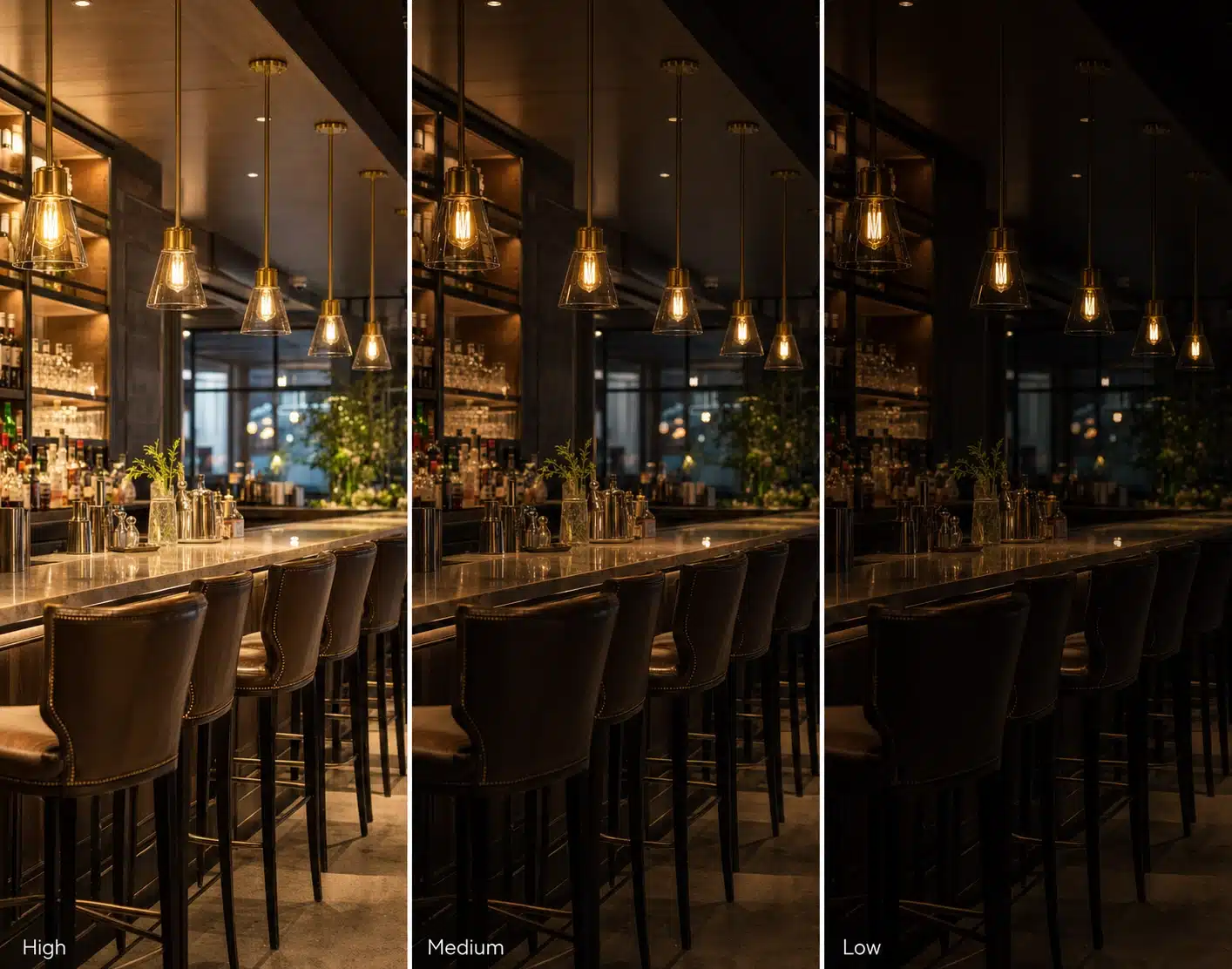
lampadine LED Edison dimmerabili in apparecchi a sospensione esposti con atmosfera calda
Dove le lampadine LED Edison funzionano meglio e dove non lo fanno
Le lampadine LED a filamento stile Edison funzionano meglio dove la lampada è destinata a essere vista. Sono scelte forti per ristoranti, caffè, bar, hotel boutique, aree pranzo residenziali, applique decorative, lampadari, sospensioni per lounge e interni di vendita in stile vintage.
Non sono sempre la scelta migliore per spazi che richiedono alta precisione visiva o un'illuminazione intensa per i compiti. Una lampadina Edison con tonalità dorata può sembrare bellissima sopra un tavolo da pranzo, ma un banco di cosmetici, un'area di lavoro tecnica o una zona di ispezione prodotti di solito necessitano anche di uno strato di illuminazione funzionale più chiaro.
Anche le condizioni dell'apparecchio sono importanti. Le lampadine LED a filamento decorativo non devono essere installate in apparecchi chiusi, umidi, esterni o ad alta temperatura non idonei, a meno che la classificazione del prodotto e le condizioni dell'apparecchio lo consentano. L'accumulo di calore può ridurre la durata dei LED e le lampade decorative in vetro potrebbero non essere progettate per ogni condizione ambientale.
| Buona applicazione | Perché funziona |
|---|---|
| Illuminazione a sospensione per ristoranti | Comfort visivo caldo e filamento decorativo visibile |
| Illuminazione per lounge di hotel | Supporta un'atmosfera premium con un consumo energetico inferiore rispetto alle lampade a incandescenza |
| Interni di bar e caffetterie | Il vetro con tonalità oro rafforza l'atmosfera decorativa calda |
| Lampadari e applique | L'aspetto del filamento rimane visibile e intenzionale |
| Aree di accento per negozi boutique | Utile per l'illuminazione d'atmosfera quando non utilizzata come unica fonte di valutazione del colore |
Nei progetti reali, le lampadine Edison di solito creano l'atmosfera. Altri apparecchi luminosi possono comunque fornire l'illuminazione principale, l'evidenziazione dei prodotti o la luminosità per i compiti dove necessario.
Lista di controllo per acquisti B2B di lampadine LED a filamento Edison
Per i distributori, i marchi di illuminazione, i contraenti e gli acquirenti di progetti, le lampadine a LED Edison dovrebbero essere acquistate con una lista di controllo del progetto piuttosto che solo in base all'aspetto.
| Controllo di acquisto | Perché è importante |
|---|---|
| Base e tensione | Previene l'incompatibilità con il portalampada e il sistema elettrico del progetto |
| Forma della lampadina | Garantisce che le proporzioni della lampada si adattino all'apparecchio e all'intento progettuale |
| Tinta del vetro | Influisce sia sull'aspetto da spento che sull'atmosfera illuminata |
| CCT | Determina se il progetto risulta caldo, neutro o troppo ambrato |
| Flusso luminoso | Determina se la lampadina è solo decorativa o anche utile per l'illuminazione ambientale |
| CRI / Ra | Aiuta a mantenere un aspetto cromatico accettabile per interni e materiali |
| Test di regolazione luminosa | Conferma la compatibilità con il dimmer prima dell'installazione in blocco |
| Temperatura dell'apparecchio | Riduce il rischio di durata in dispositivi chiusi o scarsamente ventilati |
| Coerenza del lotto | Mantiene le lampade visibili coerenti in un progetto |
| Imballaggio | Importante per la protezione del bulbo di vetro durante l'esportazione e la distribuzione |
Per grandi progetti decorativi, gli acquirenti possono inviare a TECO foto del dispositivo, tipo di base, CCT target, modello di dimmer, quantità, requisito di tensione e forma preferita della lampadina prima dell'approvazione del campione. Ciò consente di verificare la lampadina a filamento G45, G95, A60 o B35 selezionata rispetto alle condizioni reali del progetto, invece di essere scelta solo da una foto del catalogo.
Lista di controllo per l'acquisto B2B di lampadine LED a filamento Edison e progetti di illuminazione decorativa
Perché i Buyer di Progetto Scegliono le Lampadine a LED a Filamento Edison TECO
Per importatori, marchi di illuminazione, distributori e fornitori di progetti per l'ospitalità, le lampadine a LED a filamento Edison non sono solo articoli decorativi. Sono prodotti a ordinazione ripetuta dove l'aspetto, l'imballaggio, il comportamento di regolazione e la coerenza dei lotti influiscono tutti sulle reclami dei clienti dopo l'installazione.
Il valore di TECO è più forte quando gli acquirenti necessitano di più di una singola lampadina vintage standard. I buyer di progetto possono esaminare globi compatti G45, globi più grandi G95, lampadine classiche A60 e lampade a filamento stile candela B35 all'interno di una stessa famiglia di lampadine decorative. Questo rende più semplice abbinare diversi tipi di apparecchi in una catena di ristoranti, ristrutturazione alberghiera, gruppo di caffetterie o programma di vendita al dettaglio decorativo.
Per i progetti di produttori OEM di lampadine Edison o fornitori all'ingrosso di lampadine Edison, i controlli importanti sono generalmente pratici piuttosto che promozionali: consistenza della tonalità del vetro, selezione della temperatura colore calda, resa cromatica di livello Ra90 sui modelli selezionati, test di campioni di regolazione luminosa, requisiti di etichettatura e imballaggio, protezione durante la spedizione per le lampadine in vetro e lotti di produzione stabili. Questi dettagli sono importanti perché le lampade decorative sono altamente visibili. Se un lotto appare più ambrato, più luminoso o leggermente diverso nell'aspetto del filamento, il problema può essere evidente dopo l'installazione.
TECO può supportare la revisione dei campioni prima degli ordini in blocco, in modo che gli acquirenti possano testare la lampada all'interno dell'apparecchio reale, con il dimmer previsto e i materiali interni. Per progetti personalizzati di lampadine a LED a filamento, gli acquirenti dovrebbero confermare forma disponibile, base, tensione, wattaggio, flusso luminoso, finitura del vetro, temperatura di colore e requisiti di imballaggio prima della produzione.
FAQ sulle Lampadine a LED Edison a Filamento
Le lampadine LED Edison sono dimmerabili?
Alcune lampadine a LED a filamento Edison sono regolabili, ma la regolazione dipende sia dalla lampadina che dal dimmer. Una lampadina Edison regolabile triac dovrebbe comunque essere testata con il dimmer da parete reale, la quantità di apparecchi e il carico del circuito prima dell'installazione in blocco.
Quale temperatura di colore è migliore per le lampadine Edison dei ristoranti?
Per ristoranti, bar, caffè e lounge di hotel, da 2200K a 2700K è comunemente usato per un'atmosfera decorativa calda. Se lo spazio necessita anche di compiti visivi più chiari, potrebbe essere necessario un livello separato di illuminazione funzionale neutra.
Qual è la differenza tra le lampadine Edison G45 e G95?
G45 è una forma globo compatta per plafoniere più piccole, lampade da parete e dispositivi decorativi. G95 è una forma globo più grande che crea un impatto visivo più forte in plafoniere aperte, lounge di hotel, bar e aree di illuminazione di carattere.
Le lampadine LED Edison possono sostituire le lampadine a incandescenza?
In molti apparecchi decorativi, le lampadine a LED a filamento possono sostituire le lampade stile incandescente se la base, la tensione, le dimensioni, il metodo di regolazione luminosa, le condizioni dell'apparecchio e il flusso luminoso sono adeguati. Gli acquirenti non dovrebbero confrontare solo il wattaggio perché la luminosità dei LED dovrebbe essere confrontata in lumen.
Le lampadine Edison con tinta oro sono buone per tutti gli spazi?
No. Le lampadine Edison con tinta oro sono eccellenti per l'atmosfera, ma non sono ideali come unica fonte di luce per la vendita al dettaglio critica per il colore, le attività d'ufficio o le aree di lavoro tecniche. Funzionano meglio come livello decorativo in un design di illuminazione più ampio.
Conclusione
Una lampadina LED stile Edison è sia un prodotto di illuminazione che un elemento di design visibile. Per progetti decorativi, gli acquirenti non dovrebbero scegliere solo in base all'aspetto vintage. Il risultato finale dipende dalla forma della lampadina, dalla tinta del vetro, dalla temperatura di colore, dall'output di lumen, dal controllo dell'abbagliamento, dalla compatibilità con il dimmer, dalle condizioni del dispositivo e dalla coerenza del lotto.
Le lampadine a filamento con tonalità oro possono essere eccellenti per ristoranti, hotel, bar, caffetterie, lounge, lampadari e progetti di interni decorativi quando utilizzate nel ruolo appropriato. I risultati di progetto migliori di solito derivano dal trattare le lampadine Edison come uno strato di atmosfera, combinandole poi con l'illuminazione funzionale dove è richiesta maggiore luminosità, controllo più preciso del fascio luminoso o una valutazione cromatica più accurata.
Per gli acquirenti B2B, il miglior passo successivo non è indovinare da una singola foto del prodotto. Inviate a TECO il tipo di dispositivo, la base, la tensione, la CCT target, il modello di dimmer, la forma preferita della lampadina e la quantità stimata dell'ordine, quindi testate la lampadina LED Edison prevista nel dispositivo reale prima dell'acquisto all'ingrosso. Questa è la differenza pratica tra una lampada decorativa che sembra bella solo online e una che funziona bene in un intero progetto commerciale.
Note a piè di pagina
ENERGY STAR spiega che la luminosità dei LED dovrebbe essere confrontata in lumen piuttosto che in wattaggio, il che è importante quando si sostituiscono lampadine decorative stile incandescente con lampade a LED a filamento. Luminosità e lumen ENERGY STAR ↩ ↩
Riferimenti di prodotto TECO utilizzati per contesto di forma e famiglia di prodotto: Bulbo LED a filamento E26 G45 con finitura oro premium, Bulbo LED a filamento E26 G95 con finitura oro premium, Lampadina LED a filamento A60 E26 con tonalità oro premium, e Lampadina LED Filamento Dimmerabile Grado Specifica B35. ↩