TRIAC調光 vs 0–10V調光:主な違い、互換性、応用
はじめに
商業施設やホスピタリティ照明プロジェクトでは、調光の問題は製品選定時にほとんど現れません。それらは、LED器具がちらつき、ブーンという音を立て、スムーズに調光できなかったり、予期せずシャットダウンしたりする試運転時に表面化します。その段階では、コストはもはや理論上のものではありません。互換性のない調光器の交換、制御回路の配線変更、またはドライバーの変更は、引き渡しの遅延、追加の労力、および請負業者やサプライヤーの評判リスクを意味することが多いです。.
B2Bバイヤー、仕様担当者、プロジェクト請負業者にとって、 TRIAC調光と0–10V調光 好みの問題ではありません。互換性、拡張性、長期的なメンテナンス、プロジェクト総コストに直接影響するシステムレベルの選択です。.
このガイドでは、次の方法を説明します TRIAC調光 vs 0–10V調光 LEDシステムで実際に機能する場所、各方式が良好に動作する場所、問題が典型的に発生する場所、そして現代の商業用途に適した調光方式を選択する方法。.
エグゼクティブサマリー
- TRIAC調光 は従来システムやシンプルな改造で広く使用されていますが、LEDドライバーの設計、最小負荷、波形歪みに敏感です。.
- 0–10V調光 商業用LED設置において、特にゾーニング、拡張性、ビルシステムとの統合が必要な場合に、安定したちらつきのない制御を提供します。.
- ほとんどの調光障害は、以下の原因によって引き起こされます: システムの非互換性, であり、製品欠陥ではありません。.
- 適切な選択には、調達前に負荷の動作、制御配線、およびドライバーの互換性を理解することが必要です。.
LED調光の実際の仕組み(そして失敗する理由)
従来の調光方法は、白熱灯やハロゲンランプ用に設計されており、線形の抵抗負荷として動作します。LEDは根本的に異なります。.
LED照明器具には、交流電力を制御された直流電流に変換する電子ドライバーが含まれています。これらのドライバーは、電圧変化、波形のチョッピング、制御信号に対して異なる反応を示します。調光器とドライバーが連携して動作するように設計されていない場合、以下のような一般的な症状が現れます:
- 低調光レベルでのちらつき
- 可聴ノイズ(ブーンまたはハム音)
- 調光範囲が限られている
- ドロップアウトまたは突然のシャットオフ
- ロット間の性能不一致
これらの動作を理解することは比較する際に不可欠です LEDシステムにおけるTRIAC調光と0–10V調光の比較.
TRIAC調光とは?
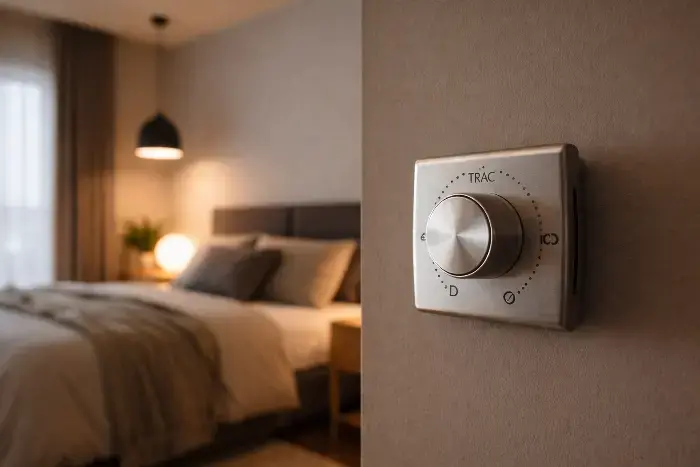
TRIAC調光は 位相制御調光 AC波形の一部をチョッピングして明るさを制御する方法を使用します。壁面ボックス調光器や従来の設置で一般的に使用されます。.
TRIACが依然として広く使用される理由
- 既存の電源配線と互換性あり
- 改修工事での簡単な設置
- 初期コストが低い
- 電気技師や設置業者にとって馴染み深い
これらの利点は、TRIAC調光が住宅風の商業空間や改修プロジェクトで一般的であり続ける理由を説明しています。.
TRIAC調光がLEDに苦戦する理由
LEDドライバーは連続的ではなく短いパルスで電流を引きます。TRIAC調光器と組み合わせると、これにより以下が発生する可能性があります:
- 低負荷時の誤発光
- 過剰な突入電流
- 調光器部品への熱ストレス
- 特定の閾値以下での不安定な調光
これらの問題を軽減するため、TRIAC互換LEDドライバーには以下が含まれることが多いです:
- ブリード抵抗
- アクティブ位相検出
- 低端トリム調整
これらの対策を講じても、ドライバーの品質とシステム設計によって性能は大きく異なります。.
0–10V調光とは何ですか?
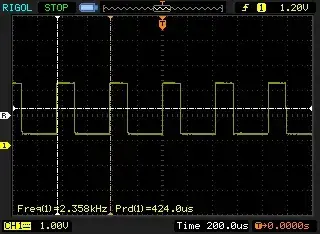
0–10V調光は、 低電圧制御信号 主電源とは独立して光出力を調整します。AC供給は一定のままで、輝度は別の信号ペアによって制御されます。.
注:実装は様々です。一部のシステムでは 0–10V(0V = 最小), others 1–10V (1V = minimum). Off-state behavior depends on driver design and switching strategy.
Why 0–10V Is Preferred in Commercial Projects
- Stable, flicker-free dimming
- Wide and predictable dimming range
- Minimal interaction with AC waveform
- Easy zoning and scalability
- Compatible with building management systems
Because control and power are separated, 0–10V dimming systems for LED are far less sensitive to load size and driver non-linearity.
Key Differences Between TRIAC and 0–10V Dimming
| 側面 | TRIAC調光 | 0–10V調光 |
|---|---|---|
| Control method | AC phase-cut | Low-voltage analog signal |
| 代表的な使用例 | Retrofits, simple zones | Commercial & architectural projects |
| Flicker risk | Higher at low levels | Very low when properly wired |
| Minimum load sensitivity | はい | No (signal-based) |
| Wiring complexity | 低 | Moderate (extra control pair) |
| Scalability | 限定的 | 優れている |
| Integration with BMS | 限定的 | 強い |
This comparison highlights why commercial dimming system selection increasingly favors 0–10V in new builds.
Compatibility: The Real Risk Factor in Dimming Projects

Most project failures are not caused by dimmers or luminaires alone—but by their interaction.
Common Compatibility Pitfalls
- TRIAC dimmers paired with drivers not designed for phase-cut input
- Minimum load not met on TRIAC circuits
- Long 0–10V control runs without proper signal management
- Floating or incorrectly terminated control lines
- Mixed driver models within the same zone
Compatibility must be validated at system level, not product level.
Why Testing Matters
Industry standards emphasize system testing:
- IEEE 1789 for flicker considerations
- IEC 62386 for digital lighting interfaces
- UL 8750 for LED driver safety
- IEC 61000-3-2 for harmonic limits
Requesting dimmer compatibility lists or test reports is a best practice for B2B buyers.
When to Choose TRIAC Dimming
TRIAC dimming makes sense when:
- Retrofitting existing halogen or incandescent systems
- Wall-box dimmers must be reused
- Zones are small and simple
- Budget constraints limit control wiring changes
Recommended applications:
- Small commercial renovations
- Residential-style hospitality spaces
- Limited-zone lighting without future expansion plans
When to Choose 0–10V Dimming
0–10V dimming is the better choice when:
- Designing new commercial or hospitality projects
- Multiple zones or large fixture counts are required
- Flicker-free low-level dimming is critical
- Integration with BMS or smart controls is planned
Recommended applications:
- Offices and conference centers
- Hotels and hospitality projects
- Retail and architectural lighting
- Long-term installations requiring stability
Common Problems and How to Avoid Them
Problem 1: Flicker at Low Levels
Cause: Incompatible driver or control method
Solution: Match dimming protocol and verify minimum dimming performance
Problem 2: Audible Noise
Cause: Phase-cut stress on driver components
Solution: Use trailing-edge TRIAC or switch to 0–10V
Problem 3: Limited Dimming Range
Cause: Conservative driver design
Solution: Specify required minimum dimming level during procurement
Problem 4: Zone Inconsistency (0–10V)
Cause: Signal voltage drop or wiring errors
Solution: Follow Class 2 wiring practices and proper termination
Buyer Decision Checklist (Before Quoting or Ordering)
Before selecting TRIAC調光 vs 0–10V調光, confirm:
- Dimmer brand and model
- Number of fixtures per circuit
- Driver dimming interface
- Required minimum dimming level
- Control wiring distance
- Future expansion or zoning needs
This checklist alone prevents most commissioning failures.
よくある質問
Can TRIAC dimming work reliably with LEDs?
Yes, but only with compatible drivers and correct load conditions.
Is 0–10V always better?
Not always. It offers better stability but requires additional wiring and planning.
Do I need separate switching with 0–10V?
Often yes. Many systems require a switched hot in addition to the control signal.
Conclusion: Business Value
Choosing the right dimming method is not about technology preference—it is about risk management, scalability, and lifecycle cost. TRIAC dimming remains useful for simple retrofits, but 0–10V dimming delivers superior reliability and control for modern commercial LED projects.
Well-matched dimming systems reduce commissioning delays, minimize maintenance, and protect long-term project value.
Teco supports B2B buyers, contractors, and specifiers with dimmable LED solutions designed for real-world compatibility.
We help with:
- TRIAC and 0–10V dimming selection
- Driver and dimmer compatibility review
- Pre-project system validation
- Stable supply for long-term programs
メール: [email protected]
ウェブサイト: https://www.tecolite.com
Share your dimmer type, fixture count, and project requirements.
We’ll help you select a dimming solution that works on site—not just on paper.
Footnotes & References
- IEEE 1789 – Recommended Practices for Modulating Current in LEDs
https://standards.ieee.org/standard/1789-2015.html - IEC 62386 – Digital Addressable Lighting Interface
https://webstore.iec.ch/en/publication/63177 - IEC 61000-3-2 – Limits for Harmonic Current Emissions
https://webstore.iec.ch/en/publication/413