LED vs Incandescent Bulbs: A True Cost Comparison
Last updated on February 2, 2026

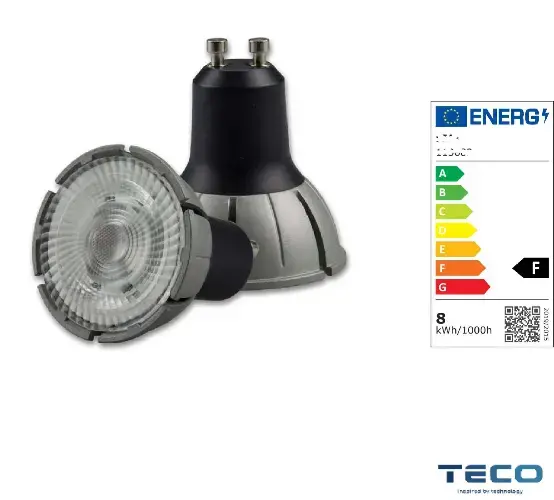
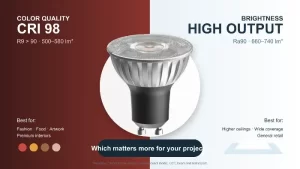
TECO GU10 LED bulb shown with its EU energy label, highlighting A-class energy efficiency and 8W power consumption.
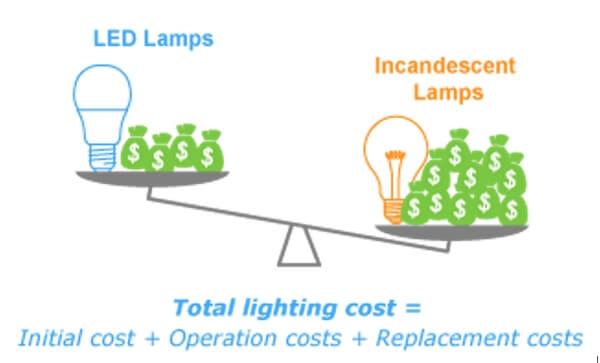
We’ve all heard the saying, "You buy cheap, you buy twice." But when it comes to light bulbs, this old adage only tells half the story. Sure, a $1 bulb might seem like a steal, but what about the hidden costs? Let’s break down the true expense of lighting your home and why LEDs, despite their slightly higher initial price tag, may be the most budget-friendly option in the long run.
The Hidden Costs of Incandescent Bulbs

Total cost of LED bulbs
Thinking the price tag is the only factor to consider when buying light bulbs is a common misconception. The truth is, cheap bulbs often come with hidden costs that can drain your wallet and harm the environment. These include:
-
Frequent replacements:
Incandescent bulbs have a notoriously short lifespan, burning out after just 1,000 hours on average. That means replacing them up to 24 times over the lifespan of an LED bulb. -
Energy guzzlers:
Incandescent bulbs waste most of their energy as heat instead of light, leading to higher electricity bills. -
Environmental impact:
Inefficient bulbs contribute to increased greenhouse gas emissions and place additional strain on power grids.
The Benefits of LEDs
Enter the world of LED bulbs—the energy-efficient champions of modern lighting. While their upfront cost may be slightly higher than incandescent bulbs, the long-term benefits far outweigh the price difference:
-
Long lifespan:
LEDs can last up to 50,000 hours, dramatically reducing the need for replacements. -
エネルギー効率:
LEDs use up to 90% less energy than incandescent bulbs, resulting in substantial savings on electricity bills. -
Eco-friendliness:
LEDs consume fewer resources and generate lower emissions, making them a more sustainable choice.

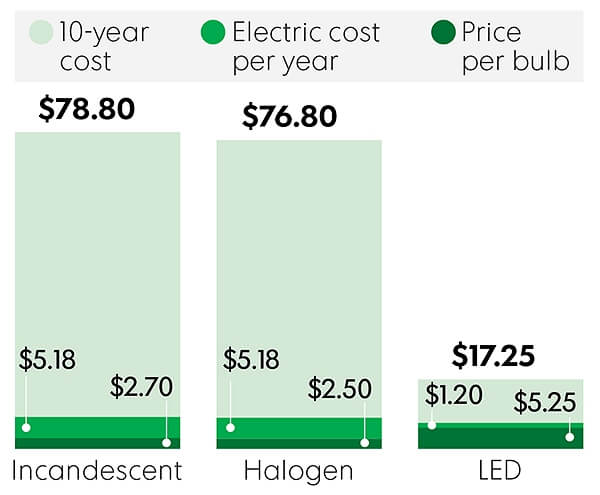
Cost comparison of LED bulbs
Energy Consumption Comparison
Let’s look at a real-world example. Imagine replacing a traditional 60W incandescent bulb with a GU10 LED bulb (such as an 80 SMD model). Here’s how they compare:
| 特徴 | Incandescent Bulb | GU10 LED Bulb |
|---|---|---|
| Cost | $1.20 | $5 – $10 |
| 寿命 | 1,000 hours | 50,000 hours |
| Energy Consumption (8 hours/day) | 0.6 kWh/day | 0.066 kWh/day |
| Annual Cost to Run (12¢/kWh) | $30.24 | $2.88 |
| Lifetime Replacements | 24 | 0.5 (rounded) |
| Lifetime Cost | $60.48 ($1.20 + $30.24 × 24) | $8.10 ($6 + $2.88 × 0.5) |
As you can see, the LED bulb saves $52.38 over its lifetime, even before considering the inconvenience of replacing incandescent bulbs multiple times.
LEDs: The Better Value
When lighting your home, it pays to look beyond the initial price tag. Factor in replacement frequency, energy consumption, and environmental impact. LEDs, with their long lifespan, superior energy efficiency, and eco-friendly design, offer outstanding value over time.
In short, switching to LEDs isn’t just a smart lighting upgrade—it’s a long-term investment in savings, sustainability, and performance.