LED電球は熱くなるのか、どの程度の熱さが危険なのか?
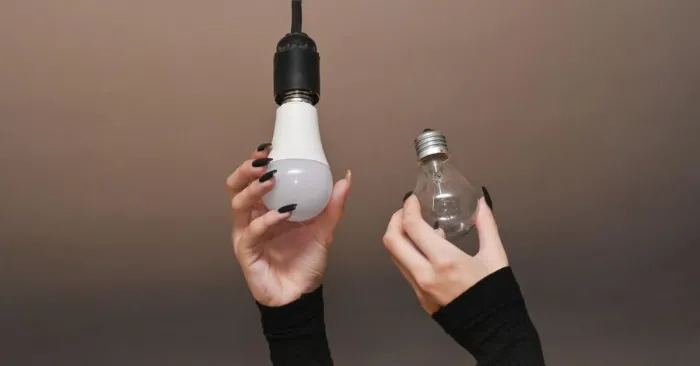
LED電球はハロゲン電球より冷たく感じますが、実際には冷たくありません。この小さな誤解が、購入者が製品の安全性を誤って判断する原因となることがあります。.
はい、LED電球は熱くなりますが、ほとんどの熱はLEDチップ、駆動回路、筐体周辺に留まります。優れたLED電球はこの熱を敏感な部品から遠ざけるため、電球は安全で安定した長寿命を保ちます。.
照明ビジネスにおいて、サンプル電球に触れたバイヤーから「なぜ温かいのですか?」とよく質問されます。私の答えは単純です。熱は普通のことです。本当の問題は、熱がどこへ行くか、どのように移動するか、そして製品設計がLEDを安全範囲内で動作させているかどうかです。.
LED電球はどのくらい熱くなるのか?
LED電球は触ると温かくまたは熱く感じることがありますが、通常ハロゲン電球や白熱電球よりもはるかに低温です。正確な温度はワット数、筐体素材、器具設計、室内の気流、使用時間に依存します。.
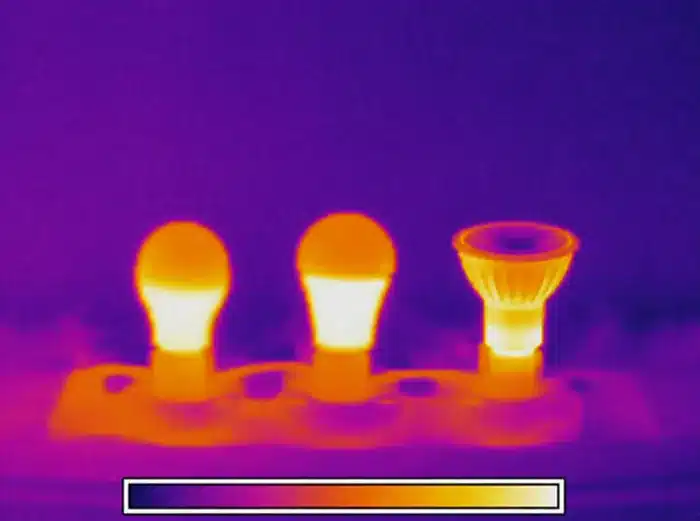
多くの人は、LED電球が消費電力が少ないため冷たいままと思いがちです。この考えは理解しやすいですが、正しくありません。LEDは効率的ですが、魔法ではありません。5WのLED電球は多くの場合40Wや50Wのハロゲン電球を置き換えるため、熱として無駄になるエネルギーははるかに少ないです。しかし、LEDは依然として電気の一部を熱に変換します。.
典型的な触感
| 電球タイプ | 一般的な触感 | LEDとの比較における熱リスク |
|---|---|---|
| 白熱電球 | 非常に熱い | 高い |
| ハロゲンスポットライト | 極めて熱い | 非常に高い |
| プラスチックボディのLED電球 | 温かい~熱い | 低い |
| 金属ボディのLED電球 | 筐体がより高温になる | 設計が優れていれば内部部品の温度は低い |
一般家庭ユーザーにとって、触った時の温度は最初に気づく兆候です。B2Bバイヤーにとっては、触感温度は物語の一部に過ぎません。外側が熱く感じられる電球でも、設計が優れている場合があります。逆に外側は涼しく感じられても内部に熱がこもり、LEDチップや駆動回路を早く損傷させる可能性もあります。.
なぜ「熱い」が必ずしも悪くないのか
工場でLEDスポットライトをテストする際、私はハウジングに触れるだけではありません。構造、放熱経路、動作状態を確認します。金属ハウジングが熱く感じられる場合、熱が適切に外部へ移動していることを意味し、それは通常、LEDチップ周辺に熱を留めるよりも良い状態です。.
一般的な間違いは、手触りだけでLEDの品質を判断することです。人の手は測定器ではありません。多くの人は表面が高温域にあると不快感を覚えますが、それは電球内部のLED接合温度を直接示すものではありません。真剣な購入者には、製品データシートの確認、温度試験レポートの要求、実際の器具での電球テストをお勧めします。.
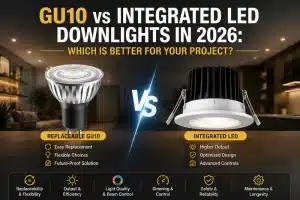
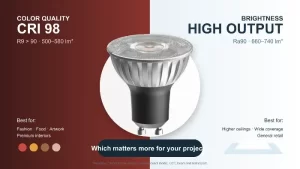
GU10 LEDスポットライトは良い例です。それらは小型で、埋め込み器具内で動作することが多く、気流が限られています。そのため、低ワット数のGU10でも長時間使用後は温かく感じることがあります。これは電球が不安全であることを意味するわけではありません。熱設計が強固でなければならないことを意味します。多くの交換ケースでは、4W~6WのGU10 LEDがはるかに高ワット数のハロゲン電球を置き換えられ、有用な明るさを保ちながら熱を大幅に削減します。.
なぜLED電球は熱を発生するのか?
LED電球は熱を発生します。なぜなら、どの光源も100%の電力を可視光に変換することはできないからです。熱はLEDチップ、駆動回路、電球内部の電気抵抗から発生します。.
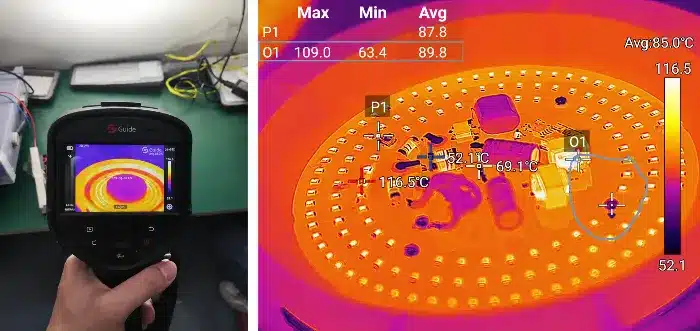
LEDチップは、電流が半導体材料を通過する際に光を生成します。一部のエネルギーは可視光となり、一部は熱となります。ドライバーもまた、入力電力を変換・制御するため熱を発生します。これはE27やGU10などの主電圧電球で特に重要です。.
LED電球内部の主な熱源
| 熱源 | 役割 | なぜ重要なのか |
|---|---|---|
| LEDチップ | 光を生成 | チップ温度が高いと光束出力と寿命が低下します |
| 駆動回路 | 電流を制御 | ドライバーの設計不良は過熱や早期故障の原因となります |
| PCB基板 | LED部品を保持 | 不良素材は熱伝達を遅らせます |
| 筐体 | 熱を外部へ移動 | 優れた筐体は内部部品を保護します |
| 器具 | 電球を保持 | 密閉器具は熱を閉じ込める可能性があります |
LEDの熱について、私はよく「光は前面から出るが、熱は背面から逃がさなければならない」という簡単な文で説明します。これが筐体の設計が非常に重要である理由です。電球がLEDチップから熱を逃がせない場合、光束出力がより早く低下する可能性があります。色が変化する可能性があります。ドライバーが保証寿命前に故障する可能性があります。.
接触温度が重要な理由
触感温度が重要なのは、人々が設置、交換、メンテナンス中に電球と接触するためです。ホテル、店舗、アパートのプロジェクトでは、製品が技術的に安全であっても、熱い表面は苦情の原因となる可能性があります。購入者は電気的安全性とユーザーの感触の両方を考慮する必要があります。.
しかし、触感温度だけを基準にすべきではありません。良く作られた電球は熱を表面に伝えるため、より温かく感じるかもしれません。粗悪な電球は、プラスチックボディが熱伝導を妨げるため、内部に熱を閉じ込めるかもしれません。外側はあまり熱く感じないかもしれませんが、LEDチップは損傷を受けている可能性があります。.
卸売購入者の方には、サンプルを承認する前に3つの質問をすることをお勧めします。第一に、電球は定格ワット数でちらつきや臭いなく動作するか?第二に、長時間動作後も明るさは安定しているか?第三に、サプライヤーはハウジング材料、ドライバーの品質、温度テストについて明確な回答を提供しているか?これらの質問は、「この電球は熱く感じる」と単に言うよりも有用です。“
LEDの熱は快適性の問題だけではありません。寿命の問題でもあります。内部温度の高さは、LED製品が早期に故障する主な原因の一つです。これが、品質の高い工場がアルミ部品、熱伝導ペースト、PCB材料、ドライバーのレイアウトを気にする理由です。これらの細かい点はカタログでは目立ちませんが、数千時間後に電球が正常に動作するかを決定します。.
なぜ金属製LED電球ハウジングはプラスチックより熱く感じるのか?
金属製LED電球ハウジングは、プラスチック製よりも熱く感じることが多いです。これは金属が熱をより良く伝導するためです。これはハウジングがLEDチップとドライバーから熱を逃がしている良い兆候である可能性があります。.
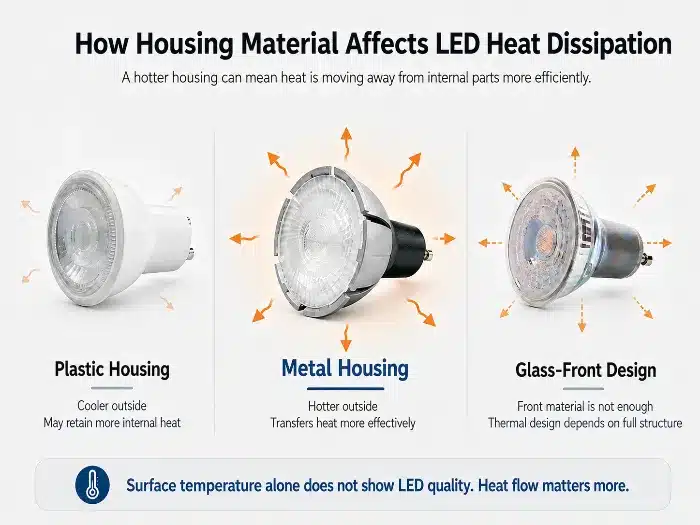
多くの購入者は、金属製LED電球がプラスチック製よりも熱いことに驚きます。彼らはより冷たいプラスチック電球の方が安全に違いないと考えます。多くの場合、その逆が真実かもしれません。金属は内部部品から熱を引き出し、空気中に放出します。プラスチックは熱伝導が弱いため、より多くの熱を内部に閉じ込める可能性があります。.
金属対プラスチックハウジング
| 筐体材料 | 表面の感触 | 熱伝導 | 共通の利点 | 一般的な懸念 |
|---|---|---|---|---|
| アルミニウム/金属 | より熱い | 強い | より長い寿命の可能性 | より高い触感温度 |
| プラスチック | 外側がより冷たい | 弱い | 接触時の不快感が低い | より高い内部熱リスク |
| セラミック | 温かい~熱い | 良好 | 安定して耐久性がある | より高いコスト |
| ハイブリッド設計 | バランス型 | 中程度から強い | コストと性能のバランス | 品質は設計に依存 |
私の考えでは、金属製ハウジングはラジエーターのようなものです。ラジエーターが熱く感じるのは、その役割を果たしているからです。エンジンが熱いのに冷たいままなら、心配になります。LED電球も同じ考え方です。LEDチップとドライバーは熱を逃がす経路が必要です。金属製ボディはその経路を提供します。.
真の購入者の疑問
本当の疑問は「ハウジングは熱いか?」ではなく、「熱は制御されているか?」です。答えが「はい」なら、より熱い金属ハウジングは電球の寿命を延ばす助けになります。答えが「いいえ」なら、電球は早期に故障する可能性があります。.
これはGU10スポットライトや調光可能なLEDスポットライトにとって非常に重要です。これらの製品はコンパクトです。また、光学部品、ドライバー部品、放熱のためのスペースも必要です。顧客が小さな筐体で高いルーメン出力を求める場合、熱の課題はさらに難しくなります。サプライヤーが薄い筐体と安価なドライバー部品を使用してコストを削減するだけの場合、製品は最初の週は問題なく見えるかもしれません。しかし、長期間使用すると輝度が低下したり、ちらついたり、故障したりする可能性があります。.
寿命が熱流に依存する理由
LEDの寿命は熱の流れと強く関連しています。LEDチップは高温を好みません。ドライバーのコンデンサも熱を好みません。長時間高温が続くと、材料の劣化が早まります。これが、放熱性の良い電球が安定した性能を長く維持できる理由です。.
B2B購入者には、5分後だけでなく、2〜3時間連続運転後のサンプル比較をお勧めします。また、実際の器具でのテストもお勧めします。開放型デスクランプと埋め込み型天井器具では、同じ熱条件にはなりません。開放空気中でうまく機能する電球も、密閉器具内では過熱する可能性があります。.
これが、サプライヤーとのコミュニケーションが重要な理由でもあります。プロフェッショナルなサプライヤーは、金属筐体がなぜ温かく感じるのか、どの材料が使用されているのか、製品がどのように熱を制御しているのかを説明すべきです。「LEDは冷たい」としか言わないサプライヤーは、真剣な回答をしていません。.
LEDの熱が許容範囲かどうかをどう判断するか?
電球が臭い、ちらつき、色ずれ、部品の軟化、急速な光束低下なしに動作し、定格の器具、電圧、周囲温度内で使用されている場合、LEDの熱は許容範囲です。.
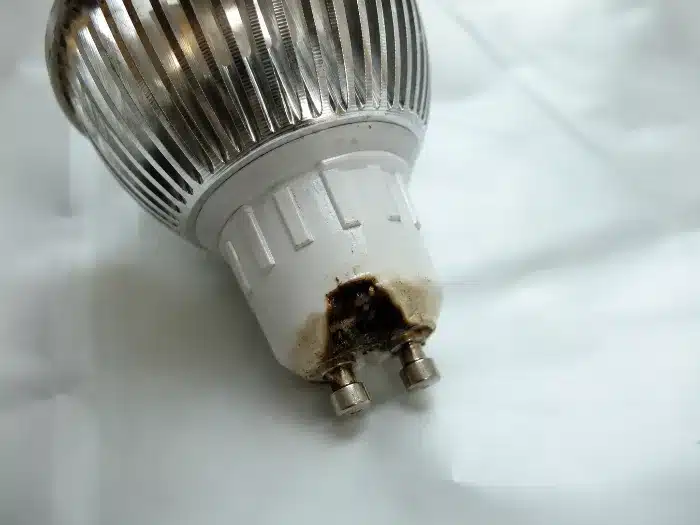
温かいLED電球は正常です。危険なほど熱いLED電球は通常、警告サインを示します。焦げたプラスチックのような臭いがするかもしれません。加熱後に点滅するかもしれません。長時間使用中に暗くなるかもしれません。ハウジングが変色したり、近くの材料を損傷するかもしれません。これらのサインは無視すべきではありません。.
購入者のための簡単な現場チェック
| 確認項目 | 通常の状況 | 警告サイン |
|---|---|---|
| 表面温度 | 温かいまたは熱いが安定している | 短時間でも触れられないほど熱い |
| におい | 匂いなし | 焦げ臭いまたは化学的なにおい |
| 光出力 | 安定 | 加熱後に低下 |
| フリッカー | 目に見えるちらつきなし | 10〜30分後にちらつき |
| 筐体 | 色変化なし | 黄変、ひび割れ、または変形 |
| 器具 | 電球の定格 | 定格未対応の電球を使用した密閉器具 |
通常、顧客には電球を使用する予定の場所と同じ場所でテストするようお伝えしています。これは単純に聞こえますが、多くの問題は誤った条件でのテストから発生します。サンプルは机の上では合格するかもしれませんが、密閉ダウンライトでは不合格になる可能性があります。電球は涼しいオフィスではうまく動作するかもしれませんが、レストランの天井やホテルの廊下ではより高温で動作する可能性があります。.
実用的な試験方法
大量購入前に簡単なテストが役立ちます。実際の器具に電球を取り付けます。少なくとも2時間点灯させます。部屋の状態を実際の使用状況に近づけてください。光出力、におい、ちらつき、ハウジングの状態、および周辺の材料を確認します。可能であれば、外表面に赤外線温度計を使用してください。より深いテストについては、LED基板およびドライバー領域の温度テストデータをサプライヤーに依頼してください。.
バイヤーがサプライヤーに尋ねるべきこと
| 質問 | なぜ役立つのか |
|---|---|
| 使用されているハウジング材質は何ですか? | 放熱設計を示しています |
| 電球は密閉器具に適していますか? | 狭い空間での過熱を防ぎます |
| 動作周囲温度範囲は何ですか? | プロジェクト現場に適合するのに役立ちます |
| どのドライバー部品が使用されていますか? | 耐熱性と寿命に影響します |
| エージング試験記録はありますか? | 生産管理を示しています |
| ターゲット市場向けに電球は認証されていますか? | 安全性と輸入検査をサポートします |
卸売事業においては、熱評価を品質管理の一部とするべきです。ワット数とルーメンだけで最も安価な電球を選ぶことはお勧めしません。一部のサプライヤーは高いルーメン数を強調しますが、熱を無視します。これは製品ページでは注目を集めるかもしれませんが、後々アフターサービスに問題を生じさせる可能性があります。.
優れたLED電球は、明るさ、ワット数、ハウジングサイズ、ドライバーの品質、および放熱のバランスが取れています。このバランスが適切であれば、電球の外殻が温かく、あるいは熱く感じられる場合でも、安全で信頼性が高い状態を維持できます。このバランスが崩れている場合、冷たく感じられるプラスチック製の電球でも寿命が短くなる可能性があります。.
結論
LED電球は確かに熱くなります。重要なのはゼロ熱ではなく、安全な熱制御、優れたハウジング設計、適切な器具での正しい使用です。.