発光効率とは?
最終更新日:2026年2月2日
What Is Luminous Efficacy?
発光効率 is a key indicator of how efficiently a light source converts electrical energy into visible light. It is defined as the ratio of luminous flux (measured in lumens, lm) to electrical power consumption (measured in watts, W), and is expressed in lumens per watt (lm/W).
In simple terms, luminous efficacy tells you how much usable light you get for each watt of electricity consumed. The higher the lm/W value, the more energy-efficient the light source.
How to Calculate Luminous Efficacy
The calculation is straightforward:
Luminous efficacy = Luminous flux (lm) ÷ Power consumption (W)
例:
If an LED bulb consumes 10 W and produces 800 lumens, its luminous efficacy is:
800 lm ÷ 10 W = 80 lm/W
This means the bulb produces 80 lumens of light for every watt of electricity used. Comparing lm/W values is one of the most effective ways to evaluate and select energy-efficient lighting.
How Is Luminous Efficacy Measured?
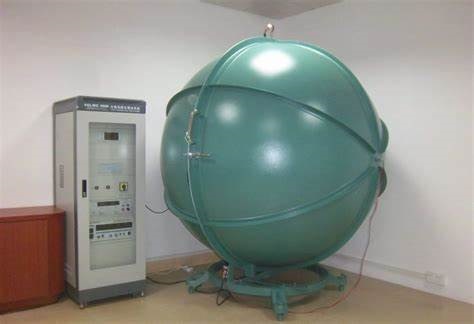
Accurate measurement of luminous efficacy requires professional testing equipment, typically including:
- Integrating spheres – to measure the total luminous flux emitted by a lamp
- Spectroradiometers / power analyzers – to measure electrical power consumption
By combining these measurements, luminous efficacy can be calculated precisely and consistently.
How to Achieve the Best Luminous Efficacy
Maximizing luminous efficacy is not only about choosing the right light source—it also involves design, application, and maintenance.
Choose High-Efficiency Light Sources
LED照明 is currently the most efficient mainstream lighting technology, with many modern LEDs achieving 100 lm/W or more, making them the preferred choice for energy-saving applications.
Optimize Luminaire Design
Reflectors and diffusers
High-quality optical components help direct light more effectively and reduce optical losses.Thermal management
Proper heat dissipation is critical. Overheating reduces LED efficiency and shortens lifespan, directly impacting luminous efficacy.
Implement Intelligent Lighting Controls
調光
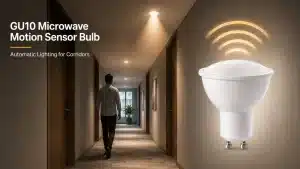
Dimmable fixtures allow brightness adjustment based on real needs, reducing energy use when full output is unnecessary.Occupancy and motion sensors
Automatically reduce or switch off lighting when areas are unoccupied, significantly improving overall system efficiency.
Perform Regular Maintenance
Cleaning
Dust and dirt can block light output. Keeping fixtures clean helps maintain designed luminous efficacy.Timely replacement
Aging light sources gradually lose efficiency. Replacing them on time ensures consistent performance.
Match Lighting to the Application
Design lighting systems based on the actual task or space requirements. Proper beam angles, mounting height, and distribution ensure light is delivered where it is most effective—without waste.
Keep Up with Technology Advances
Lighting technology evolves rapidly. Newer LED generations often provide higher luminous efficacy, better optics, and longer lifespans than older models.
Why Luminous Efficacy Matters
Luminous efficacy has a direct impact on energy use, operating costs, environmental sustainability, and visual comfort.
Reduced energy consumption
Higher efficacy means the same brightness with less electricity.Lower carbon emissions
Reduced power demand leads to fewer emissions from electricity generation.電気料金の削減
Homes and businesses benefit from long-term cost savings.Reduced maintenance costs
Efficient lighting systems often have longer lifespans, lowering replacement and labor expenses.Improved visual experience
High-efficacy lighting typically delivers more uniform brightness, stable color temperature, and better color rendering.Enhanced health and safety
Quality lighting reduces eye strain and improves visibility, contributing to comfort, productivity, and safety in both indoor and outdoor environments.
結論
Luminous efficacy is a fundamental metric for evaluating lighting performance. Selecting light sources and luminaires with high lm/W values plays a crucial role in energy conservation, environmental protection, and long-term economic benefits. By prioritizing luminous efficacy, users can build lighting systems that are efficient, sustainable, and visually comfortable.