Os sistemas de iluminação de baixa tensão são amplamente utilizados em autocaravanas, barcos, cabanas fora da rede e casas alimentadas por energia solar. No entanto, muitos utilizadores experienciam cintilação, zumbido, regulação de intensidade instável ou falha prematura das lâmpadas após mudarem para iluminação LED. Na maioria dos casos, estes problemas não são causados pelas próprias lâmpadas LED, mas por incompatibilidade do regulador de intensidade, práticas de instalação elétrica ou instabilidade de tensão.
Alta qualidade Lâmpadas LED dimmer de 12V são projetados para resolver estes problemas. Quando devidamente selecionados e instalados, proporcionam uma regulação de intensidade suave, longa vida útil e um consumo de energia significativamente menor em comparação com lâmpadas halogéneas ou incandescentes.
Este guia passo a passo explica como instalar lâmpadas LED dimerizáveis de 12V de alta qualidade em sistemas de baixa tensão, com foco na compatibilidade do sistema, segurança e confiabilidade a longo prazo. A orientação baseia-se nas recomendações de autoridades reconhecidas, como o Departamento de Energia dos EUA (DOE), a Sociedade de Engenharia de Iluminação (IES), ENERGY STAR e o Centro de Pesquisa em Iluminação (LRC).
Por que as Lâmpadas LED Dimer de 12V de Alta Qualidade São Ideais para Sistemas de Baixa Tensão
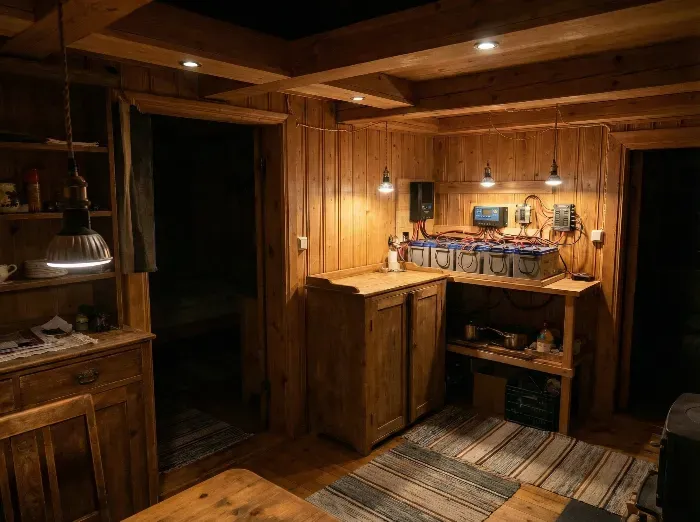
Os sistemas de baixa tensão impõem condições elétricas diferentes dos circuitos CA residenciais padrão. Flutuações de tensão, fornecimento de energia limitado e operação em CC exigem lâmpadas LED com drivers adequadamente projetados.
De acordo com o Departamento de Energia dos EUA, as lâmpadas LED geralmente utilizam 75–85% menos energia e duram 10–25 vezes mais duradouras do que as lâmpadas incandescentes ou halogéneas quando operadas dentro da sua gama elétrica projetada.¹ Estas vantagens são especialmente valiosas em sistemas de 12V onde a capacidade da bateria e o acesso à manutenção são limitados.
As lâmpadas LED dimmer de 12V de alta qualidade são preferidas porque oferecem:
- Funcionamento estável em intervalos típicos de sistemas de 12V (aproximadamente 10,5–14,4V)
- Compatibilidade com dimerizadores de baixa tensão baseados em PWM
- Menor geração de calor em luminárias confinadas
- Longa vida útil nominal (25.000–50.000 horas)
Características Técnicas Principais das Lâmpadas LED Dimer de 12V de Alta Qualidade
Nem todas as lâmpadas LED de 12V são adequadas para dimerização ou operação em baixa tensão. As seguintes características determinam se uma lâmpada terá um desempenho fiável.
Design do Driver e Método de Dimmer
Utilização de lâmpadas LED dimmer de 12V de alta qualidade modulação por largura de pulso (PWM) ou drivers de corrente constante otimizados para sistemas DC. O Centro de Investigação em Iluminação (RPI) observa que o desempenho do dimmer depende principalmente da compatibilidade entre driver e dimmer, e componentes incompatíveis são uma das principais causas de cintilação em sistemas LED de baixa tensão.
Saída de Lúmens e Eficiência
O brilho deve ser avaliado em lúmens, não em equivalência de potência.
| Aplicação Típica | Intervalo de Lúmens Recomendado |
|---|---|
| Iluminação interior de autocaravanas | 400–600 lm |
| Iluminação de cabine de barco | 300–500 lm |
| Áreas de tarefas ou leitura | 500–800 lm |
| Iluminação de destaque | 200–400 lm |
Lâmpadas LED dimerizáveis de 12V de alta qualidade geralmente fornecem 80–100 lúmens por watt, em comparação com 15–20 lm/W para lâmpadas halogéneas.
Qualidade da Cor (IRC e Temperatura de Cor)
O DOE recomenda um IRC de 80 ou superior para iluminação geral para garantir uma reprodução de cores precisa.³ Para espaços fechados ou de vivência, temperaturas de cor entre 2700K e 3000K are commonly preferred to reduce visual fatigue.
Thermal Management and Build Quality
Poor heat dissipation shortens LED lifespan. Quality bulbs use aluminum heat sinks and are designed to keep LED junction temperatures below 85°C, consistent with LM-80 and TM-21 testing methodologies.
Tools and Preparation Before Installation

Proper preparation significantly reduces installation issues and long-term failures.
Essential Tools
| Tool | Objetivo |
|---|---|
| Digital multimeter | Verify voltage stability |
| Wire strippers (14–18 AWG) | Clean electrical connections |
| Insulated screwdrivers | Safe work in confined spaces |
| Heat-shrink tubing or electrical tape | Secure connections |
| PWM-compatible 12V dimmer | Smooth dimming control |
A National Electrical Manufacturers Association (NEMA) emphasizes that mismatched dimmers are a common source of LED performance problems in low-voltage systems.
Pre-Installation Checks
Before installing any 12V dimmable LED bulb:
- Disconnect the battery or power source
- Measure system voltage (target range: 11–14V)
- Confirm bulb base compatibility (e.g., MR16 GU5.3, E26 12V)
- Verify dimmer type and current rating
- Inspect wiring for corrosion or loose connections
A American Boat & Yacht Council (ABYC) recommends corrosion protection and secure wiring for marine low-voltage systems.
Step-by-Step Installation of 12V Dimmable LED Bulbs
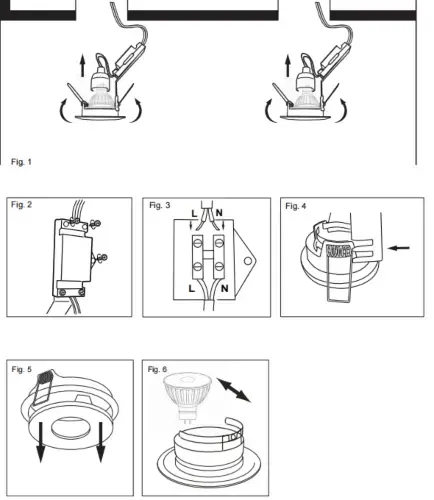
Step 1: Power Isolation and Safety
Disconnect the negative terminal of the battery or isolate the circuit breaker. The NFPA 70E standard confirms that de-energizing circuits is the most effective way to reduce electrical hazards during maintenance.
Step 2: Remove Existing Bulbs
Allow halogen bulbs to cool before removal. Note wiring polarity, especially in DC systems where polarity reversal can prevent LED operation.
Step 3: Install the 12V Dimmable LED Bulb
- Match positive and negative leads correctly
- Use appropriate connectors or terminals
- Avoid overtightening bulb bases
- Ensure airflow around the bulb housing
Step 4: Dimmer Integration
Install the PWM dimmer inline with the positive lead. Avoid AC TRIAC dimmers unless explicitly rated for DC LED systems.
Step 5: Testing and Calibration
Restore power and test:
- Full brightness stability
- Smooth dimming from 100% to low levels
- Absence of audible noise or flicker
A IES recommends gradual dimming tests to verify compatibility before finalizing installation.
Common Problems and Practical Solutions
| Problema | Likely Cause | Recommended Solution |
|---|---|---|
| Flicker at low dim levels | Dimmer incompatível | Replace with PWM DC dimmer |
| Ruído de zumbido | Insufficient electrical load | Add load resistor |
| No illumination | Polarity reversed | Correct wiring polarity |
| Short bulb life | Voltage spikes | Install DC voltage stabilizer |
| Uneven dimming | Mixed bulb types | Use identical LED models |
Cost, Energy, and Lifecycle Considerations
Although high-quality 12V dimmable LED bulbs have higher upfront costs, total cost of ownership is significantly lower.
| Métrica | Halogen 12V | 12V Dimmable LED |
|---|---|---|
| Typical lifespan | ~2,000 hours | 25.000–50.000 horas |
| Power consumption | 35–50W | 5–8W |
| Produção de calor | Muito alto | Baixo |
| Maintenance frequency | Frequent | Minimal |
ENERGY STAR reports that LED upgrades can achieve payback periods of 1–2 years in continuous-use applications.
When 12V Dimmable LED Bulbs May Not Be Appropriate
12V dimmable LED bulbs may not be ideal when:
- Voltage regulation is unstable and unfiltered
- Extremely high-output lighting is required
- Existing dimmers cannot be replaced
In such cases, integrated LED luminaires or regulated power systems may be more suitable.
Conclusão
Installing high-quality 12V dimmable LED bulbs is not simply a bulb replacement—it is a system-level upgrade. When drivers, dimmers, wiring, and voltage stability are properly matched, low-voltage lighting becomes efficient, reliable, and comfortable for long-term use.
By following a structured installation process and selecting components based on verified standards, users can avoid common dimming problems and achieve predictable lighting performance in RV, marine, and off-grid environments.
Planning a 12V dimmable LED lighting project for RVs, boats, or off-grid systems?
Share your application details, dimmer type, and power source with our technical team. We help professionals and system integrators specify stable, flicker-free 12V LED solutions designed for long-term performance—not trial-and-error installations.
Notas de rodapé
- National Electrical Manufacturers Association (NEMA), Lighting Controls,
https://www.nema.org/standards - American Boat & Yacht Council (ABYC), Electrical Systems,
https://abycinc.org/standards/ - NFPA 70E, Electrical Safety in the Workplace,
https://www.nfpa.org/codes-and-standards