| 1. Photobiology & Medical Logic |
| Circadian Rhythm | Human 24-hour biological rhythm is mainly guided and adjusted by external light exposure.
Sleep-friendly lighting should consider when the light is used. Evening and night lighting should avoid creating a strong “daytime signal” for the body. |
| Melatonin Suppression | Specific wavelengths can stimulate the retina and interfere with the secretion of melatonin, the core hormone related to sleep preparation.
A sleep-friendly lamp should reduce unnecessary short-wavelength blue light in evening scenes instead of simply increasing brightness. |
| Melanopsin | Non-visual retinal cells are especially sensitive to blue light around 440–460 nm and are directly connected with circadian response.
The key is not only visible warmth, but also whether the spectrum reduces stimulation in the melanopsin-sensitive blue-light range. |
| Non-Visual Effects | Light can affect endocrine rhythm, body temperature, alertness, and mood through non-visual biological pathways.
Professional lighting design should consider both visual comfort and biological response, especially in bedrooms, hotels, wellness spaces, and night-use areas. |
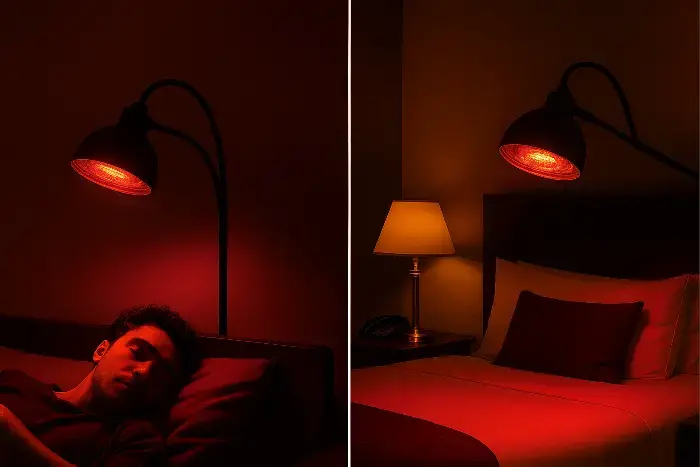
| Biological Darkness | Through spectrum control, the eye can still see the space while the body receives a lower “daytime” signal.
The design goal is not total darkness, but visible low-stimulation lighting that supports night-time orientation and a calmer evening environment. |
| 2. Optical & Hardware Engineering Parameters |
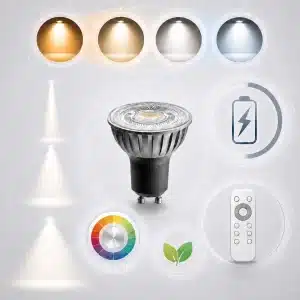
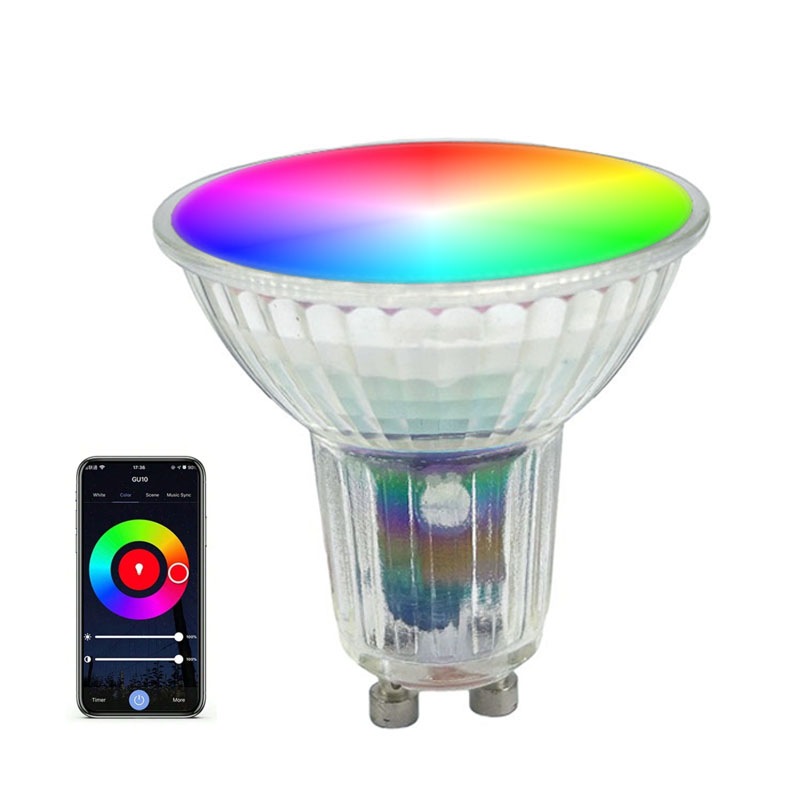
| Spectral Tuning / Spectrum Control | Multi-color LED mixing can be used to precisely control the spectrum and reduce unwanted wavelength bands.
A real sleep-friendly light should be evaluated by spectrum design, not only by how yellow or warm the light looks. |
| Blue-Light Hazard Mitigation | The key technical concern is reducing the high-energy short-wavelength blue peak around 450 nm.
A low-blue-light product should show reduced blue-rich energy near the 450 nm range, especially for night-time and pre-sleep applications. |
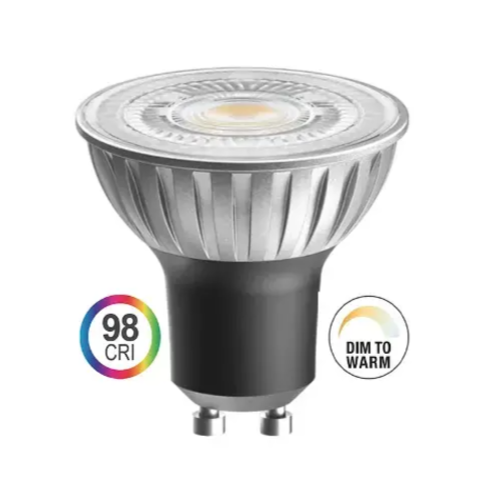
| Color Temperature Transition | Lighting can shift smoothly from daytime high CCT, such as 5000K, to ultra-warm night light, such as 1800K.
This supports a more natural day-to-night lighting rhythm, especially in human-centric lighting systems and hospitality projects. |
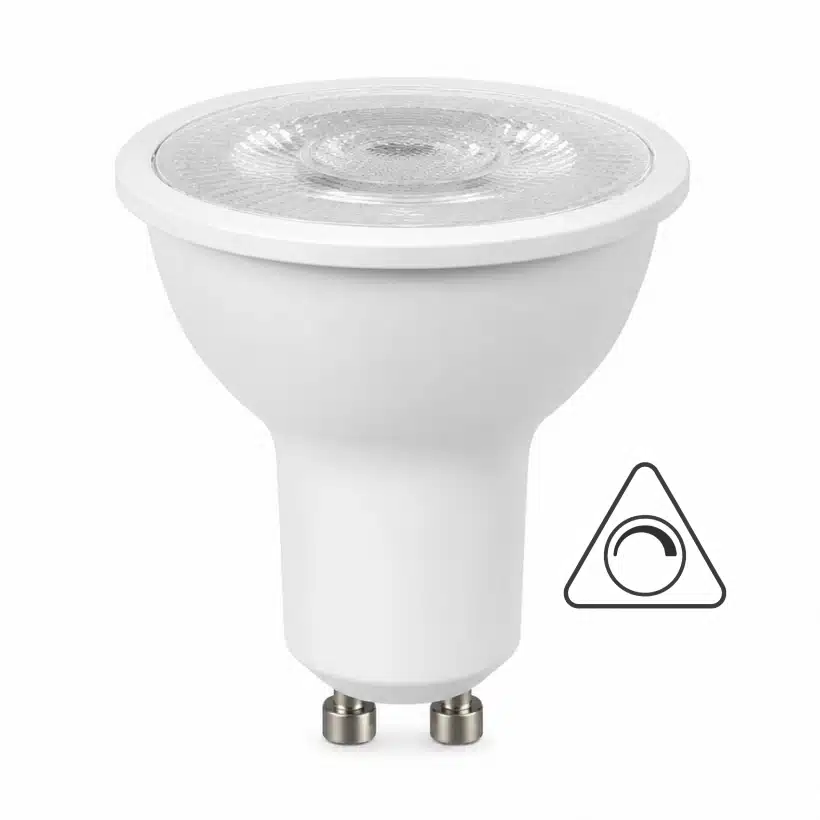
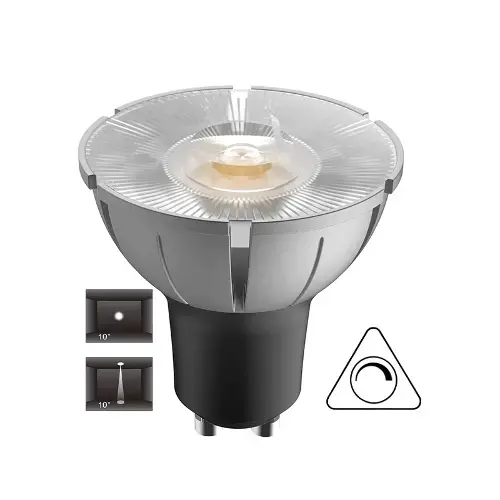
| Deep Dimming Capability | High-quality sleep-friendly lighting should support ultra-low output, such as 1% or even 0.1%, while keeping the light stable.
Deep dimming is critical for night scenes, bedside lighting, hotel rooms, and wind-down modes where very low brightness is required without instability. |
| Flicker-Free Driver | High-frequency or analog dimming topology can help remove invisible flicker that may cause visual fatigue or discomfort.
For sleep-friendly products, stable low-level dimming is as important as warm color temperature. Poor dimming may create flicker, ripple, or noise. |
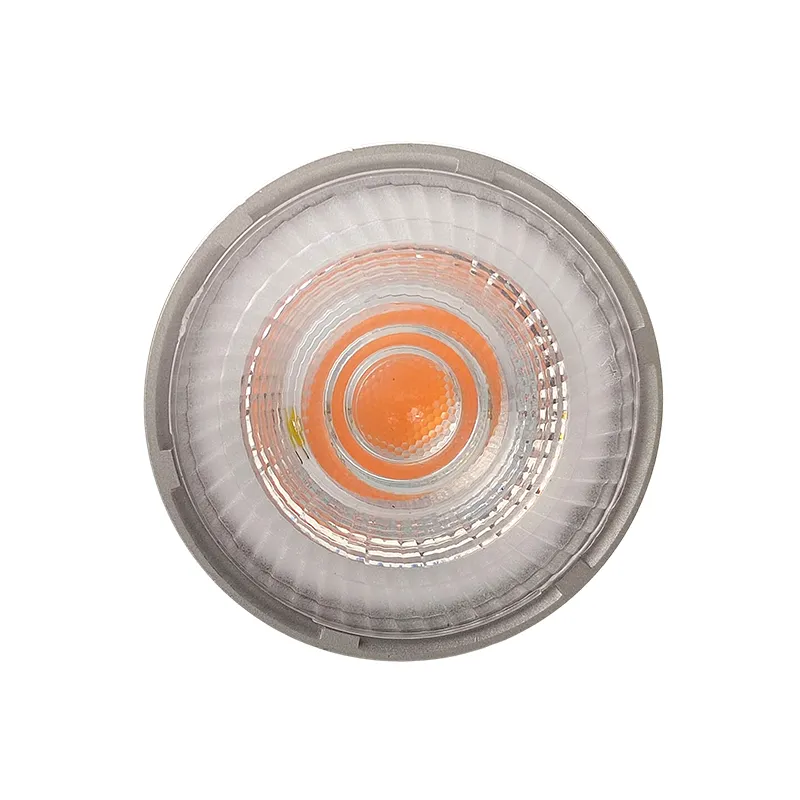
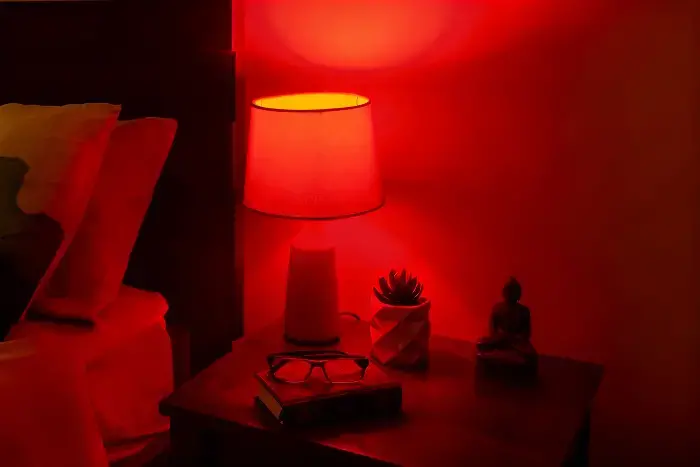
| Amber / Red LED Technology | Pure amber or red LED chips can be used as night-time base lighting because they naturally contain very little blue light.
Amber-like light is useful for bedrooms, bedside areas, corridors, hotel rooms, lounges, and other night-use spaces where low blue-light ambience is preferred. |
| CRI & TM-30 Metric | At extremely low color temperatures, spectral compensation such as R9 improvement helps maintain usable color rendering.
A sleep-friendly light should not sacrifice all visual function. Good color rendering helps avoid the heavy color distortion common in pure red or poor-quality amber lights. |
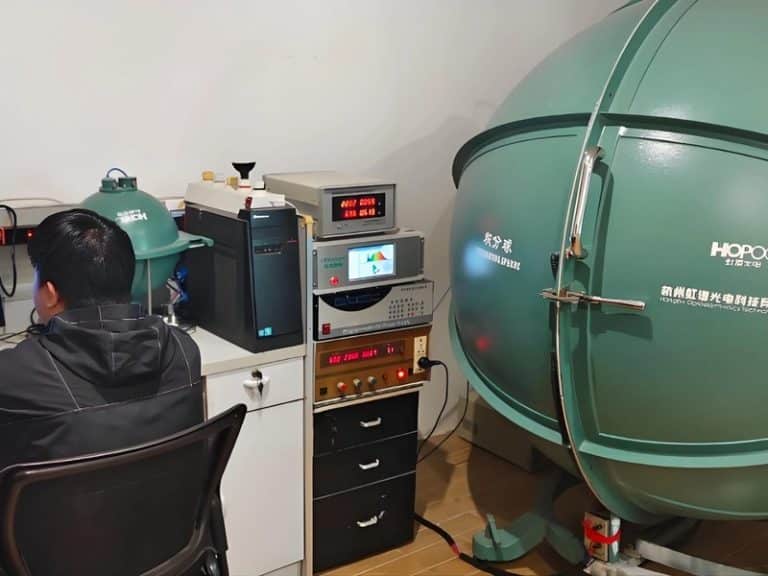
| Melanopic EDI | Based on CIE 026, melanopic equivalent daylight illuminance helps quantify the actual circadian stimulation of a light source.
For professional projects, melanopic data can make sleep-friendly claims more measurable and more credible than vague marketing language. |
| 3. User Experience & Smart Lighting Applications |
| Circadian Lighting System | A full circadian lighting system automatically tracks and simulates natural changes in color temperature and brightness across the day.
For smart homes, hotels, and wellness spaces, sleep-friendly lighting can be part of a broader day-to-night lighting strategy. |
| Sunset Simulation / Wind-Down Mode | In the evening, lighting can simulate sunset by gradually dimming and warming, helping the space feel more relaxed before sleep.
This is useful for bedrooms, hotel rooms, serviced apartments, lounges, and other areas where users need a calmer pre-sleep atmosphere. |
| Glare-Free Design | Micro-structured diffusers, recessed optical lenses, or concealed optics can help avoid harsh direct glare.
Sleep-friendly lighting should feel soft and non-intrusive, especially in bedside, corridor, and night-time circulation areas. |
| Low-Intensity Ambiance | Indirect reflection from walls and ceilings can create a night environment without visual pressure.
Low-intensity lighting is suitable for relaxation scenes, hotel night modes, bedrooms, lounges, wellness rooms, and soft corridor lighting. |
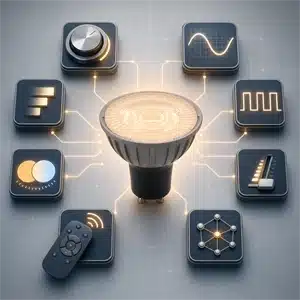
| Smart Sleep-Wake Automation | Smart lighting can work with sensors or smart home systems to automate dimming and color temperature schedules.
Automation can help create consistent evening and morning lighting scenes without requiring users to manually adjust every lamp. |
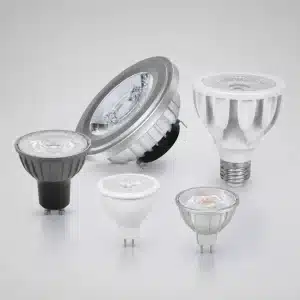
| Bedroom Luminaires | Bedroom-specific luminaires include wall lights, bedside lights, reading lights, and low-level footlights for night use.
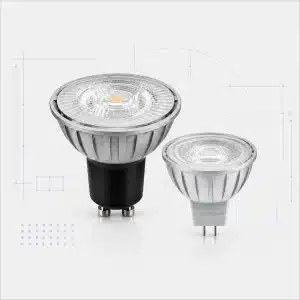
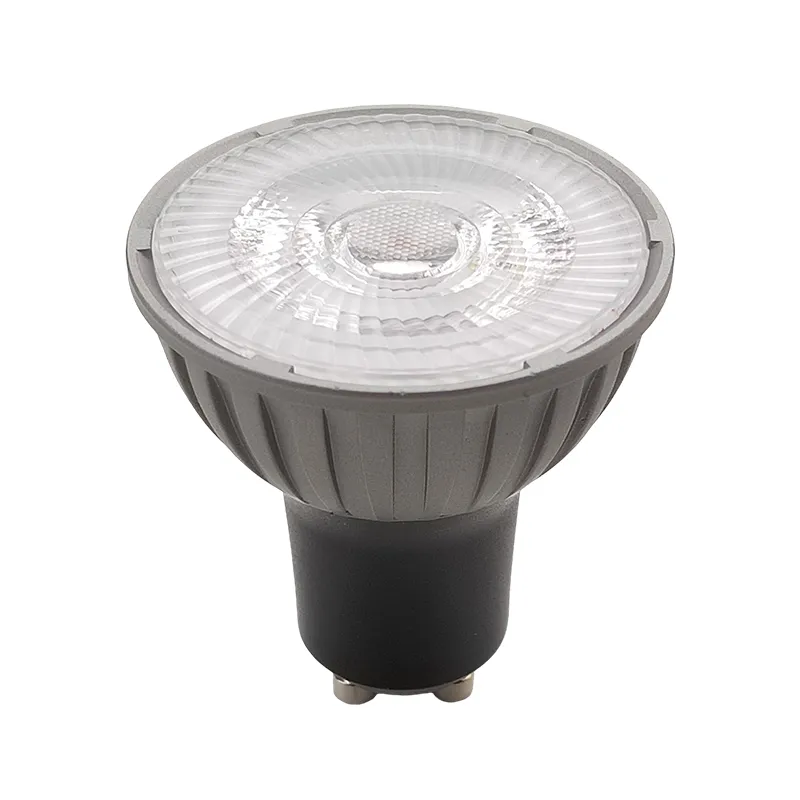
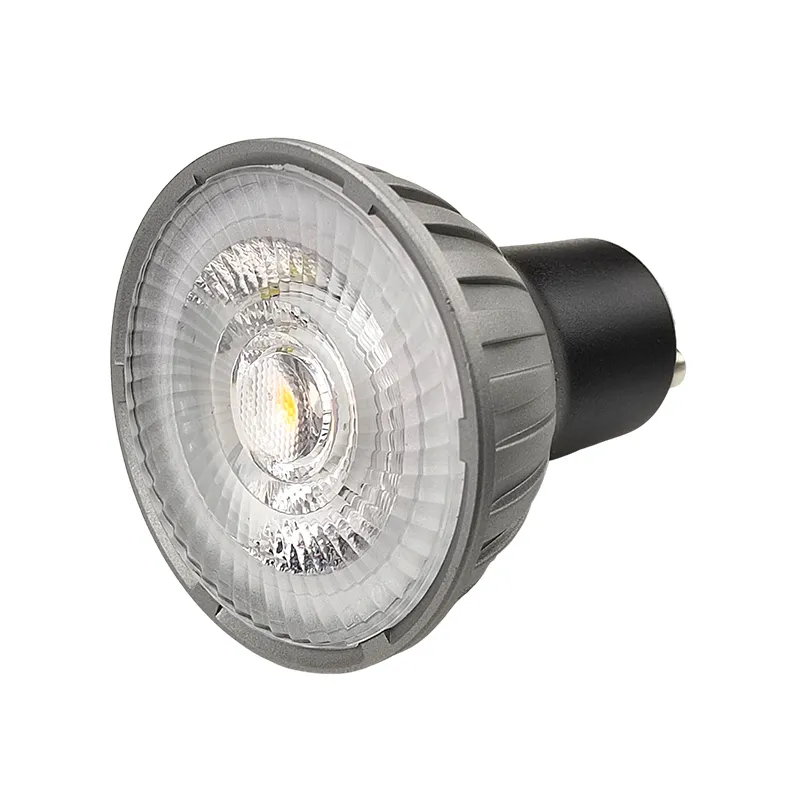
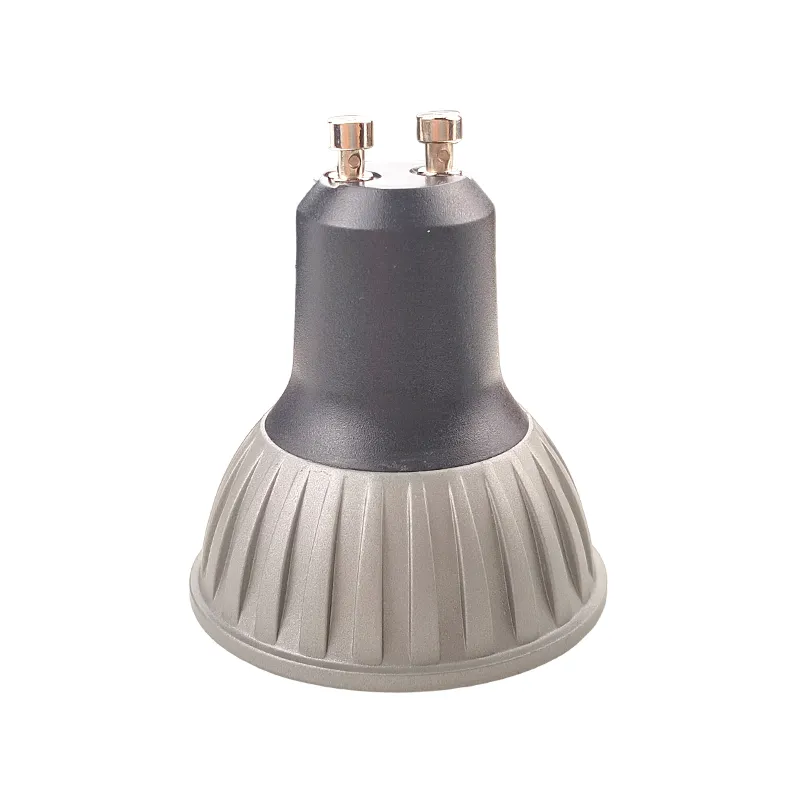
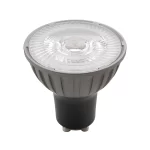
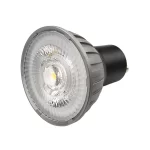
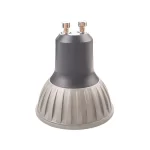
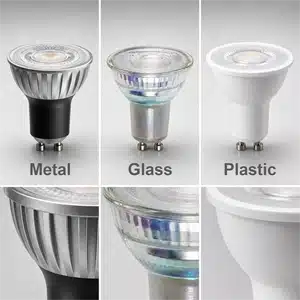
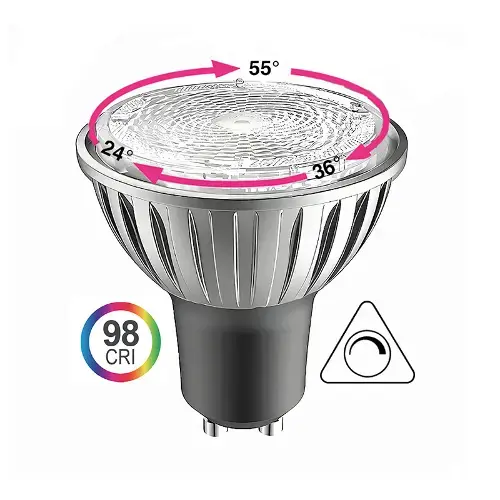
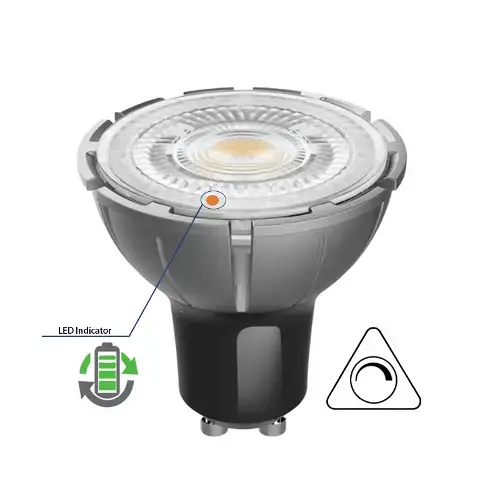
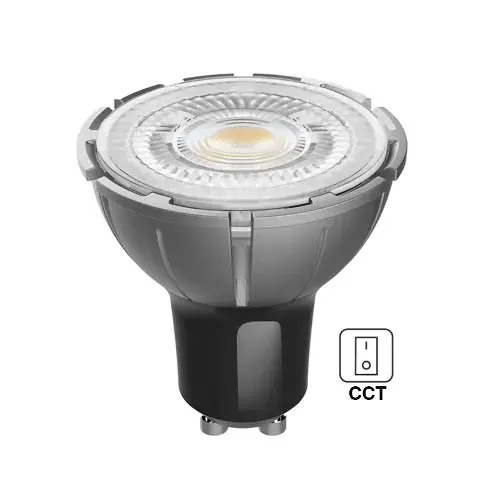
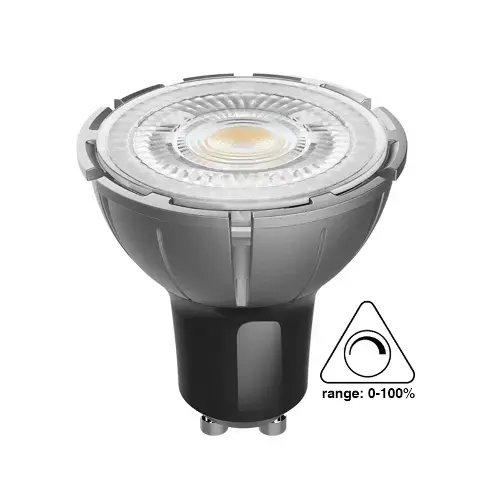
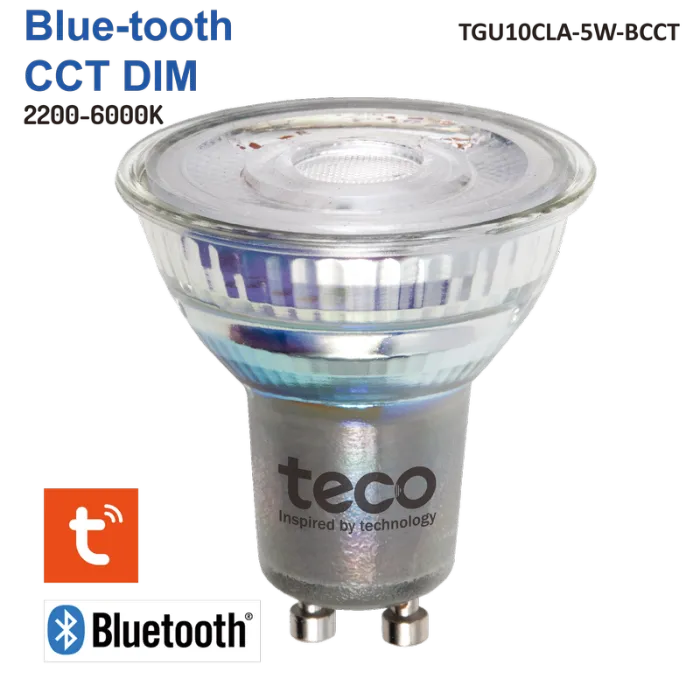
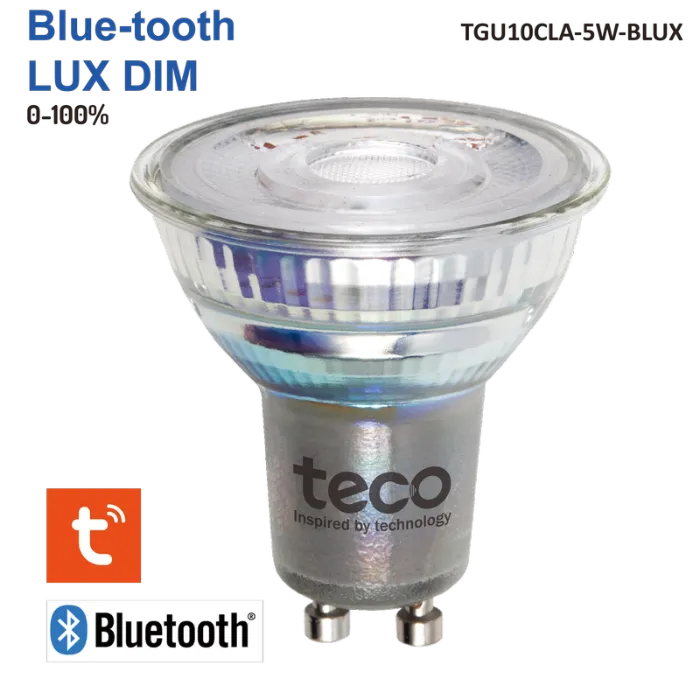
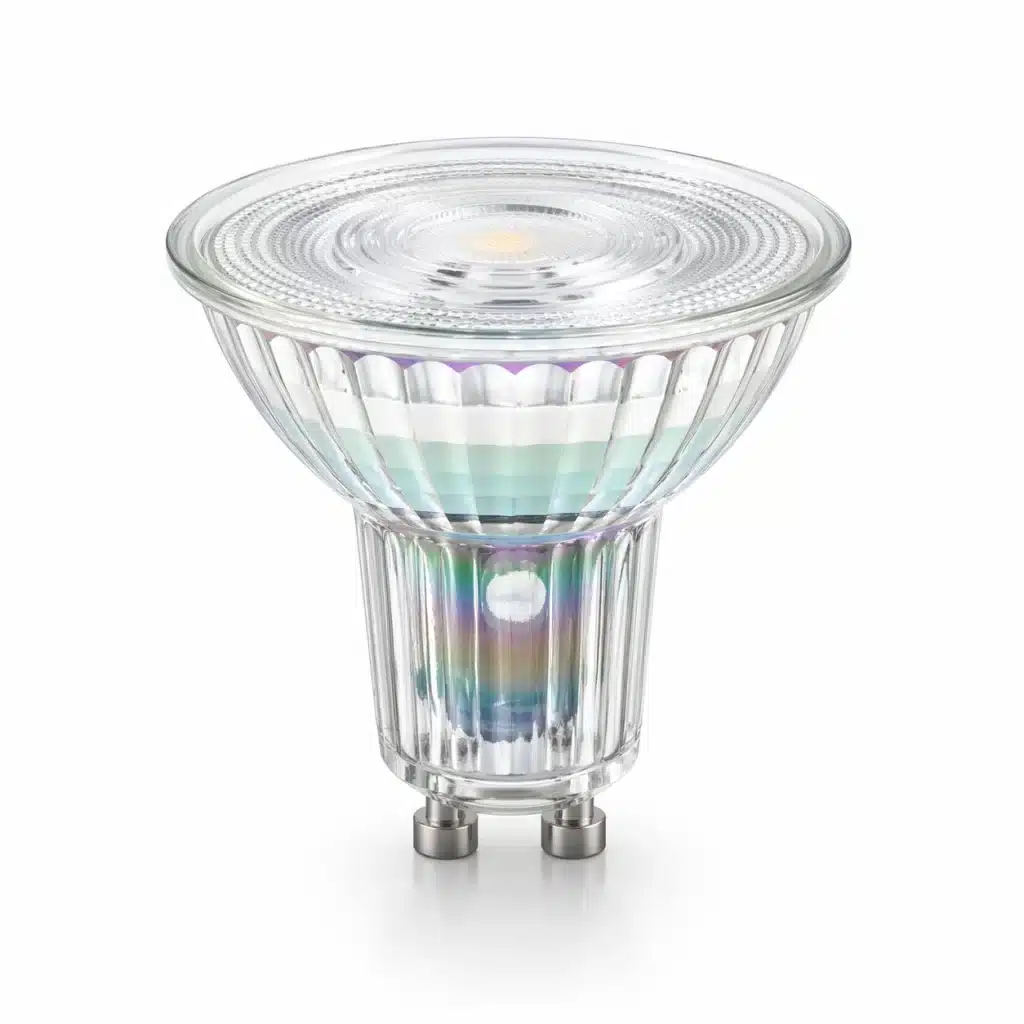
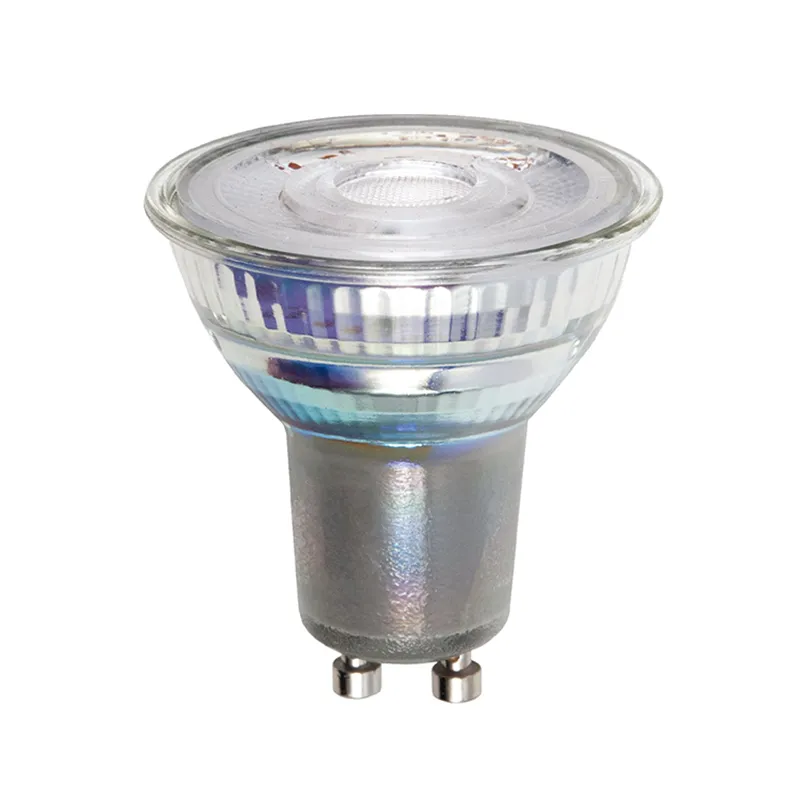
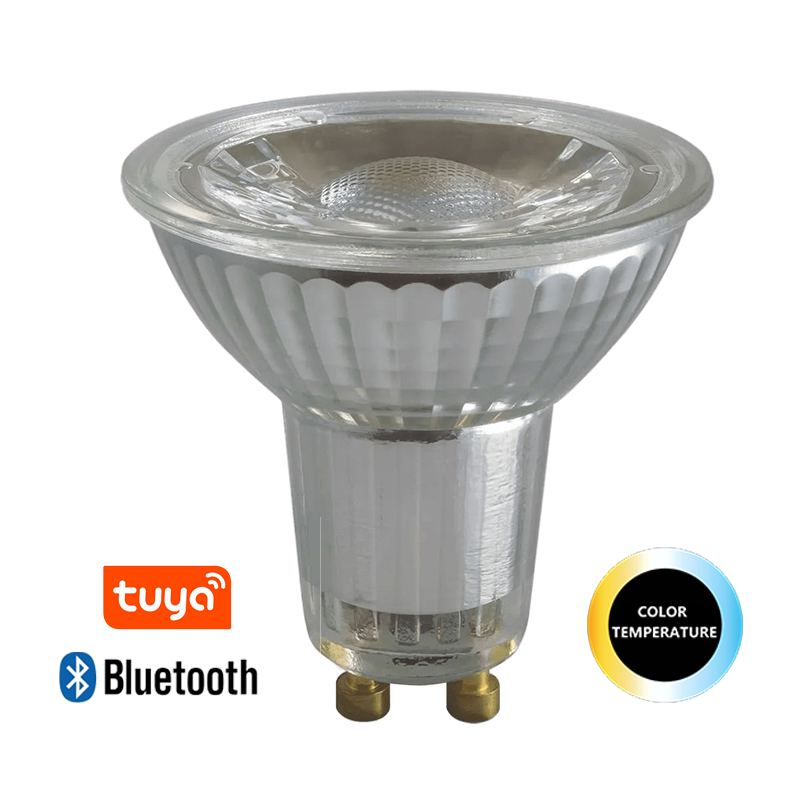
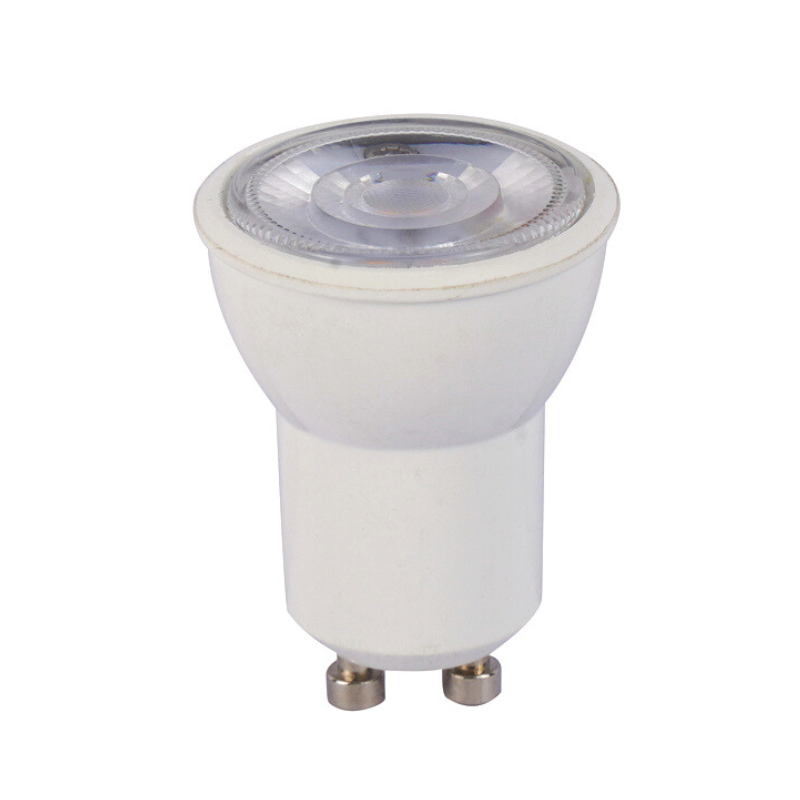
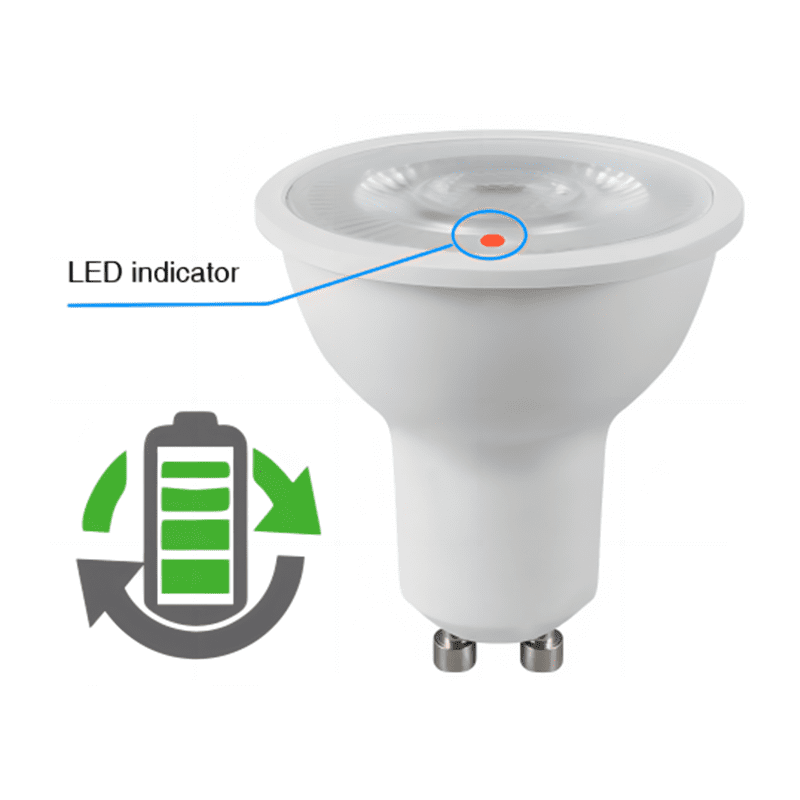
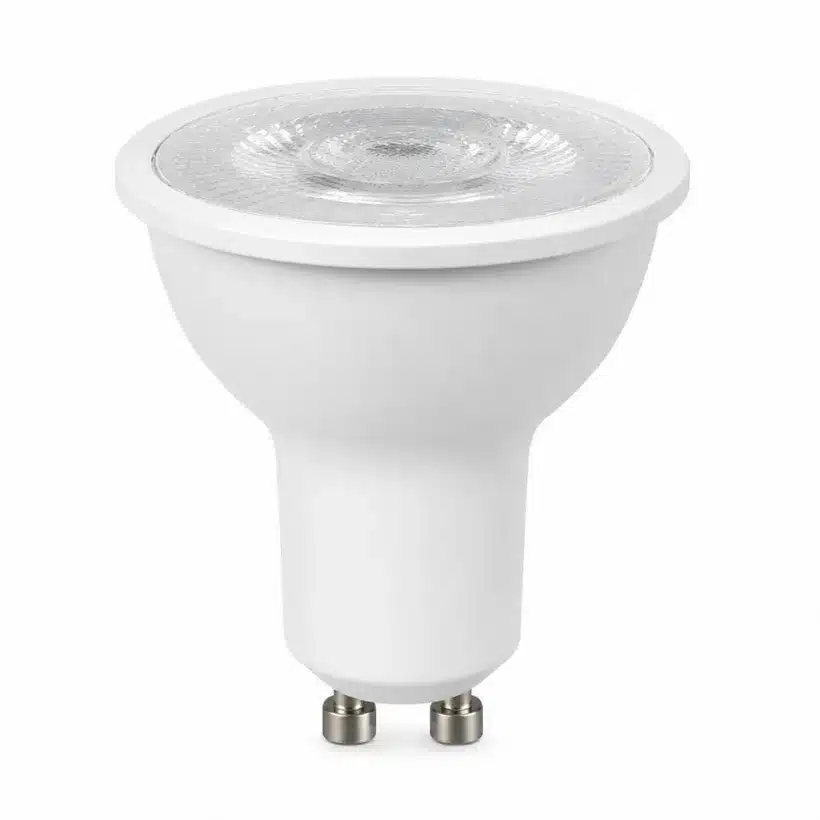
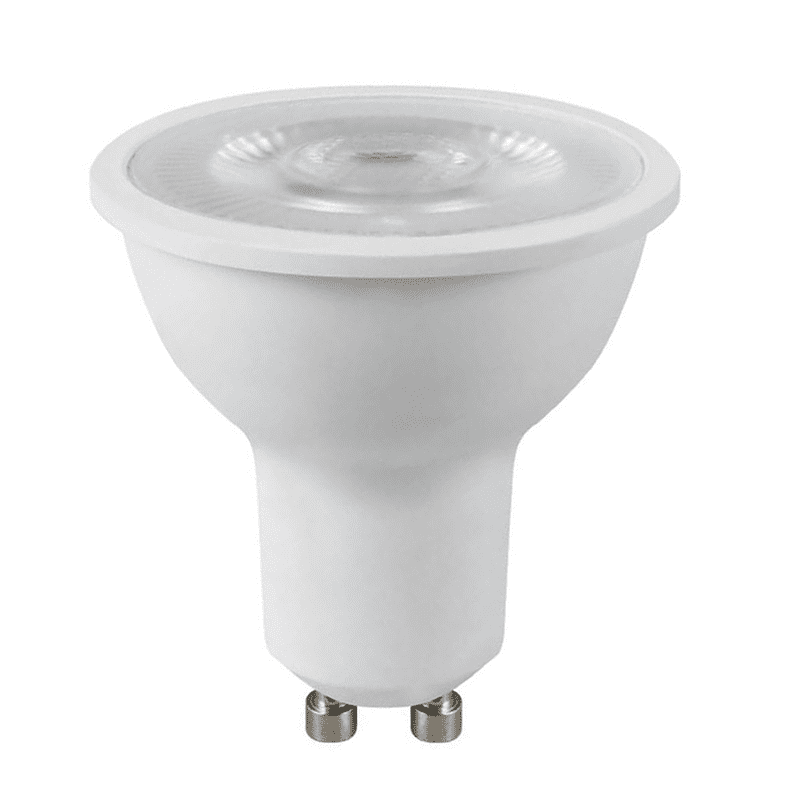
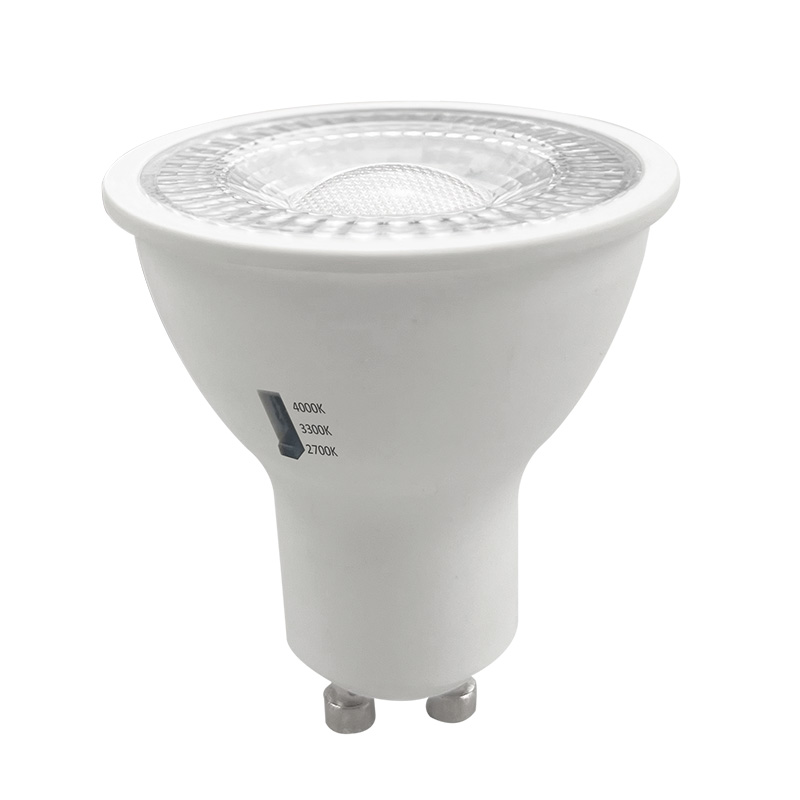
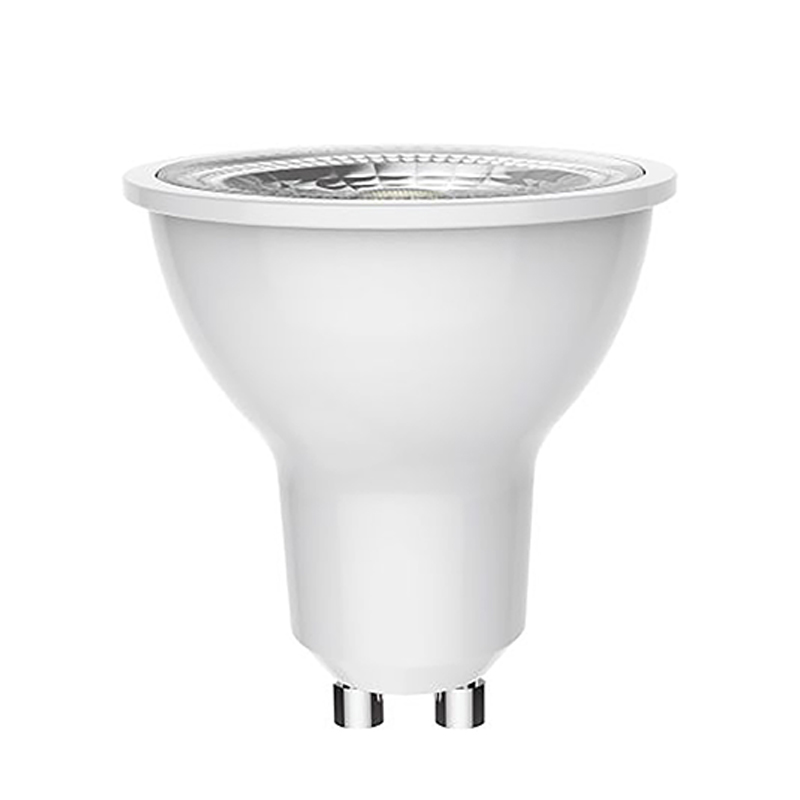
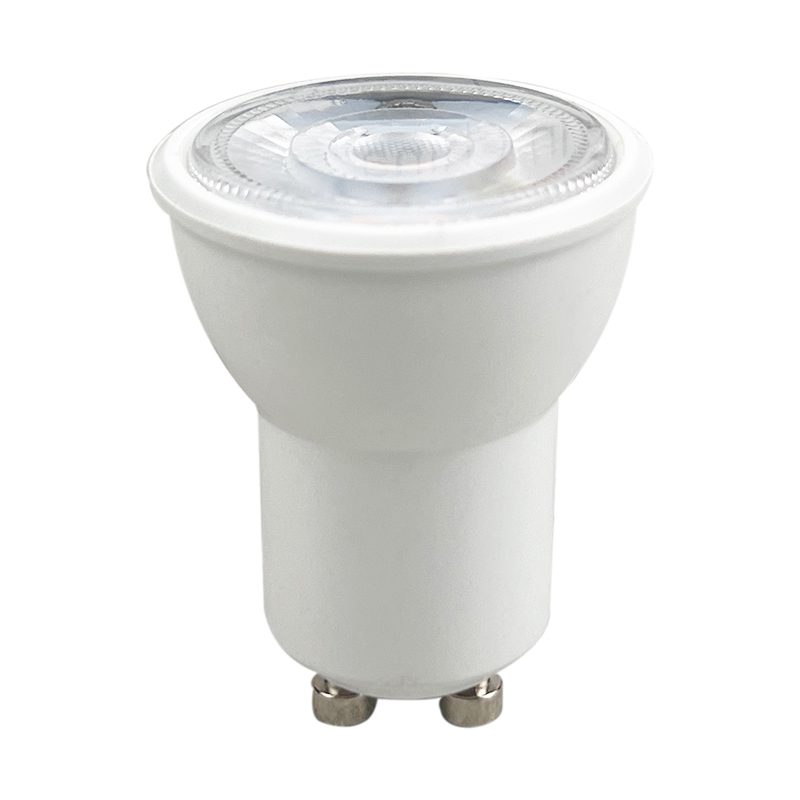
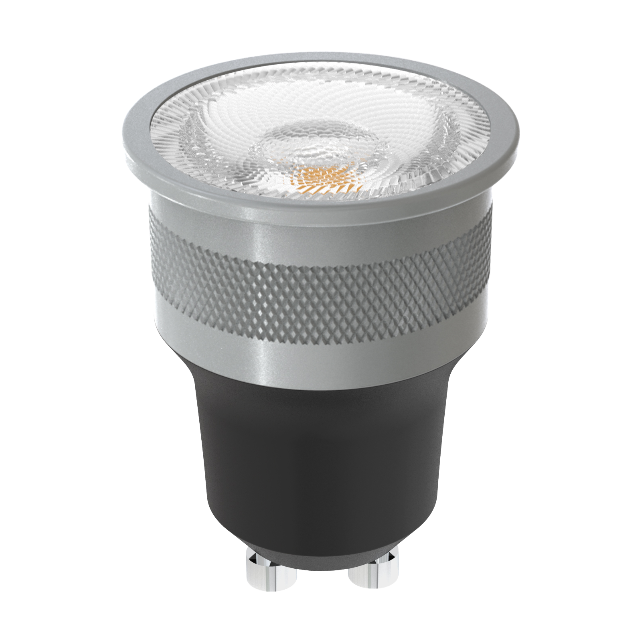
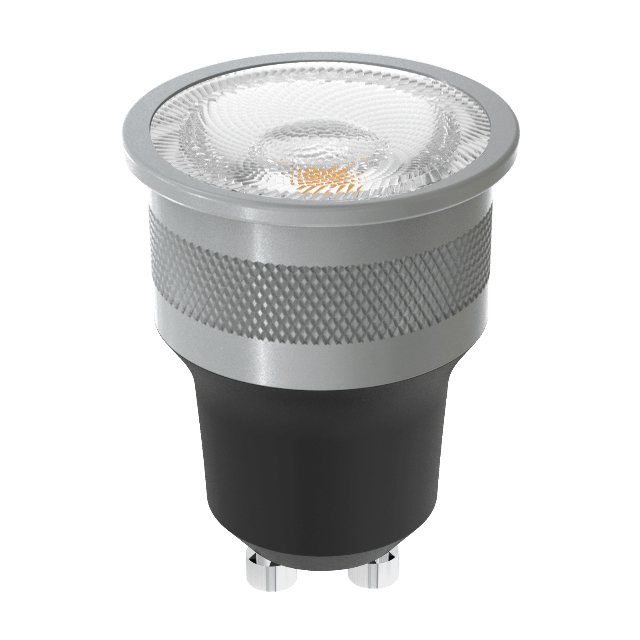
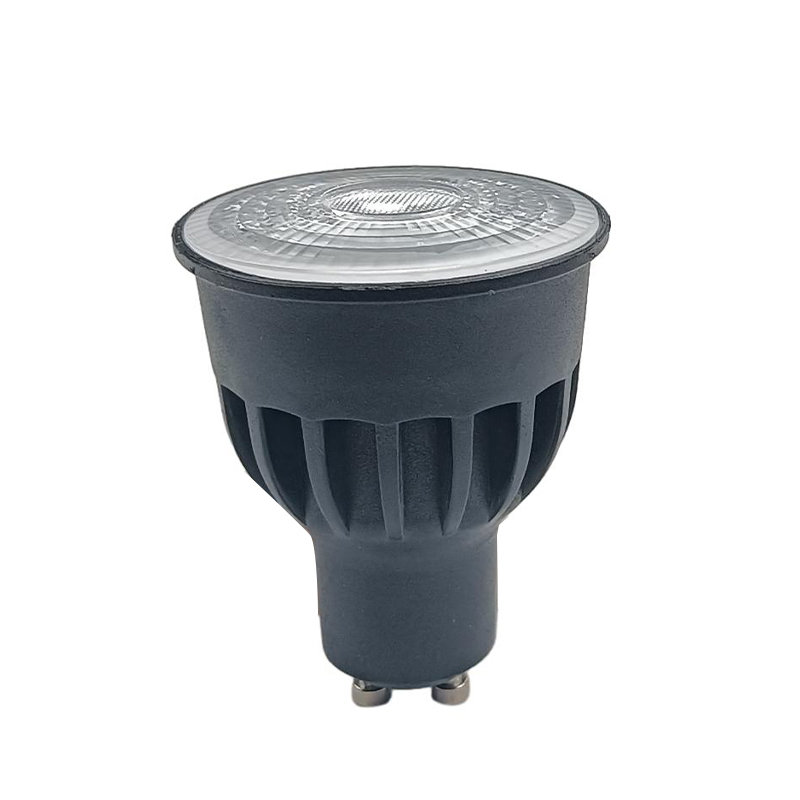
Sleep-friendly lamps are most valuable in bedroom downlights, bedside GU10 fixtures, hotel rooms, serviced apartments, and night-time pathway lighting. |
| 4. Buyer Concerns & Decision Triggers |
| Spectral Purity | A normal lamp may look yellow, but the blue pump around 450 nm can still remain in the spectrum.
Buyers should distinguish true low-blue-light design from simple warm-white color adjustment. Spectrum data is more meaningful than appearance alone. |
| Dynamic Adjustment | Static warm light is not the same as circadian lighting. People need higher-energy light during the day and low-blue-light scenes at night.
For high-end projects, lighting control should support smooth day-to-night transitions without obvious visual interruption. |
| Deep Dimming Stability | Below 5% brightness, many dimming systems may show invisible flicker, low-frequency ripple, noise, or instability.
Drivers and dimmers should have enough deep-dimming margin to keep ultra-low brightness stable, quiet, and comfortable. |
| Sleep Comfort vs Visual Function | Pure red or amber light may reduce blue stimulation but can make colors look heavily distorted and reduce usability for reading or washing.
A better product balances low melanopic stimulation with usable color rendering, such as maintaining Ra >80 or higher where practical. |
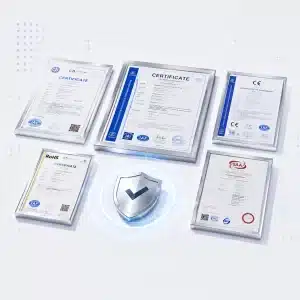
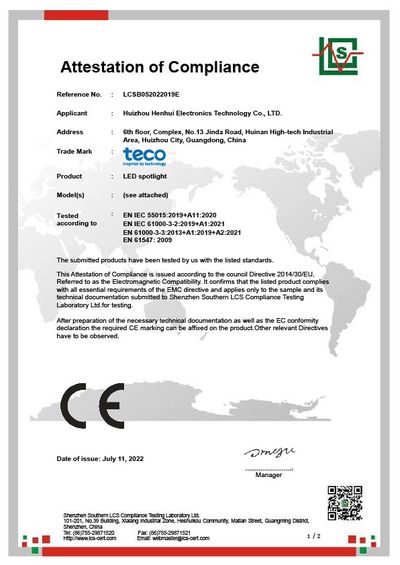
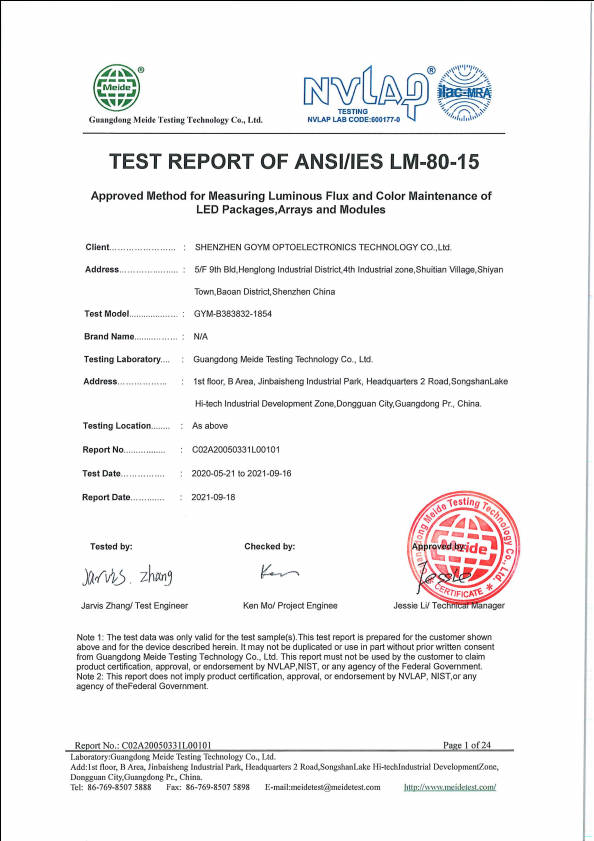
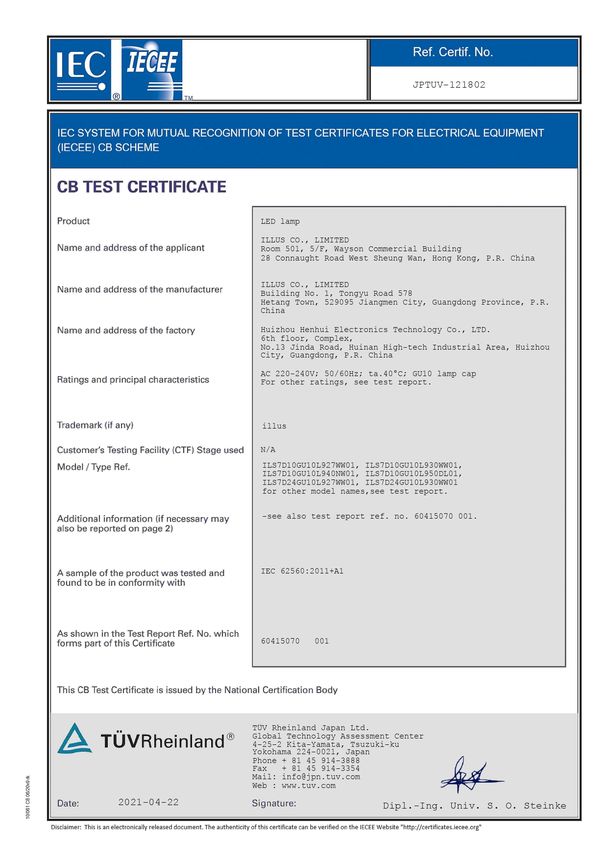
| Certification & Quantifiable Evidence | Buyers want evidence instead of vague wellness claims such as “healing” or “sleep improvement.”
Useful evidence may include WELL compliance, third-party M/P Ratio reports, spectrum reports, flicker data, and IEC/EN 62471 RG0 photobiological safety documentation. |