前沿与后沿调光技术解析:差异对比、兼容性及LED应用场景
是否曾遇到过LED灯烦人地闪烁或发出嗡嗡声,仿佛即将短路?当您的智能照明系统变成令人头疼的问题,浪费时间和金钱进行修复时,确实令人沮丧。.
前沿与后沿调光的区别在于斩波交流波形的方式——前沿在前端斩波适用于旧式负载,而后沿在后端修剪以实现更平滑的LED控制。兼容性关键在于匹配正确类型以避免问题;后沿调光通常对LED更安全,但务必核实具体细节以确保可靠性能。.

用于LED兼容性的前沿与后沿调光波形对比
如果你曾好奇为何某些调光器在白炽灯上表现优异,却在LED灯上失灵,请继续阅读。我们将解析技术原理,指出常见陷阱,并为你提供挑选适合项目的调光器的实用建议——让你免去反复试错的烦恼。.
什么是前沿调光及其工作原理?
厌倦了那些一开始就导致LED灯闪烁的调光器?前沿调光作为老式住宅的标配,常与现代灯泡产生兼容性问题,让您陷入黑暗——字面意义上的。.
前沿调光通过使用双向可控硅在每个半周期开始时斩波交流波形,提前降低电压以调暗灯光。它简单且廉价,但可能产生高浪涌电流,对LED驱动器造成压力。.
波形斩波基础原理
前沿调光依赖于一种称为双向可控硅的半导体器件1, ,它在交流正弦波正半周或负半周起始时触发。这种方式"斩断"波形前沿部分,有效降低传输至负载的平均电压。对于传统白炽灯泡,这通过减弱灯丝加热强度来模拟基于电阻的调光效果。.
但这对LED来说变得棘手:双向可控硅开启时的突然电流冲击可能压垮LED驱动器中的整流器和电容器,导致不稳定。根据美国能源部的说法,此方法是为白炽灯等电阻性负载优化的,而非LED中的容性负载(来源: energy.gov).
为何它仍在使用
你会在预算配置或改造工程中发现前沿调光器的身影,因为它们价格低廉——通常低于$20——且兼容标准墙盒。根据我在家庭自动化改造中的经验,它们对卤素灯处理尚可,但换成LED灯呢?嗡嗡声就此开始。这不是缺陷;这只是前LED时代技术不匹配的结果。.
实际触发机制
调光水平通过延迟双向可控硅的触发角来控制——例如,30度对应70%亮度。但若无滤波,这会导致电磁干扰(EMI),因此通用调光器会添加扼流圈。尽管如此,对于LED,根据IEEE标准的通用行业指南,其浪涌电流短暂可达稳态电流的10-20倍(来源: ieee.org).
简而言之,前沿调光简单直接但已过时——适用于传统设备,但对于您崭新的LED灯具则风险较高。.
什么是后沿调光及其为何更适配LED?
是否因LED灯在基础调光器下调光不均或过热而感到困扰?后沿调光技术作为更平稳的解决方案应运而生,专为与节能灯和谐共处而设计,避免各种问题。.
后沿调光使用MOSFET在交流波形末端进行斩波,提供平缓的电压斜坡下降,对LED驱动器更温和,减少闪烁并延长灯泡寿命——是现代设置的理想选择。.

后沿调光过程示意图
MOSFET的魔力如何实现
与三端双向可控硅不同,后沿调光器采用MOSFET2 在每个半周期末端附近关断,让波形完全建立后再修剪尾部。这避免了剧烈的浪涌冲击,为LED电源提供更接近正弦波的供电。.
能源之星指南强调这是LED的关键,指出在兼容系统中可将总谐波失真(THD)降至20%以下(来源: energystar.gov)。结果如何?从100%到1%的平滑调光,不再有恼人的嗡嗡声。.
LED友好特性实战解析
想象一下如同轻踩油门而非急刹——你的LED驱动器获得稳定供电,减轻了元件压力。我曾见过采用后沿调光器的项目彻底消除了前沿调光器无法解决的闪烁问题。它价格更高(约$30+),但对于智能家居或办公场所,这种可靠性物有所值。.
兼容性优势
后沿调光也能处理感性负载,例如低压LED的变压器,且电磁干扰更小。根据路创的技术文档,这是将白炽灯改造为LED灯而无需重新布线的首选方案。.
前沿与后沿调光的关键技术差异
困惑于为何同一灯具中一种调光器有效而另一种无效?核心技术分歧——双向可控硅与MOSFET——引发了截然不同的行为,常将平滑照明变成故障频发的混乱状态。.
主要区别可归结为波形斩波位置(前部与后部)、开关器件(前沿用双向可控硅,后沿用MOSFET)以及负载处理——前沿调光适用于电阻性负载且硬件成本较低,而后沿调光则通过更安静、更精确的控制,在容性LED负载上表现更优。.
前沿与后沿调光对比图
波形与开关机制
前沿调光使用双向可控硅在上升沿斩波,产生陡峭的电压尖峰;后沿调光则使用MOSFET在下降沿斩波,形成更平缓的曲线。下表详细说明:
| 方面 | 前沿调光 | 后沿调光 |
|---|---|---|
| 斩波点 | 半周期起始点 | 半周期结束 |
| 设备 | 三端双向可控硅(双向晶闸管) | MOSFET(电压控制型) |
| 浪涌电流 | 高(可达额定值的20倍) | 低(逐渐增强) |
| 噪音/电磁干扰 | 较高,需要滤波器 | 较低,固有抑制 |
NEMA标准数据显示,前沿调光在LED上的总谐波失真(THD)可超过50%,而后沿调光仅为10-20%。.
负载兼容性细节
前沿调光专为白炽灯设计——想象60W灯泡消耗稳定电流。LED及其开关模式电源讨厌这种尖峰;它会导致电解电容纹波。后沿调光更好地模拟电阻,与LED的非线性电流需求相匹配。.
实际上,前沿调光可能初始有效但随时间退化——电容器因浪涌而磨损。后沿调光?更稳定,尤其是在多灯泡串联中。.
成本与安装因素
前沿切相调光器随处可见,能直接装入旧接线盒,但后沿切相通常需要中性线来实现MOSFET控制。根据飞利浦照明的见解,这使得后沿切相成为LED密集型安装的未来之选(来源: lighting.philips.com).
这些差异并非只是技术细节;它们解释了您的设置为何会闪烁或不闪烁。.
LED兼容性:为何“可调光”并非保证
买了"可调光"LED灯,结果却发现它们在低亮度下嗡嗡作响或熄灭?那个标签只是个幌子——兼容性取决于调光器的匹配,承诺的平滑调光变成了时好时坏的性能。.
"可调光" LED 设计用于处理降低的电压,但并非普遍兼容;前沿调光可与部分兼容,而后沿调光总体上更安全,因为不匹配会导致闪烁或故障,无论灯泡的额定值如何。.

LED调光兼容性问题图示
"可调光"标签解析
制造商根据UL 153标准(来源: ul.com)。但"可调光"并未指定类型——有些通过更强大的驱动器容忍前沿调光的尖峰,有些则不能。.
根据我的项目经验,预算型LED可能声称支持调光,但因最低负载阈值而在低于10%亮度时失效。.
驱动器设计至关重要
LED驱动器使用需要稳定输入的降压转换器;前沿调光的斩波波形会使其混乱,导致不稳定。后沿调光提供更清洁的电源。一份DOE报告指出,30%的调光投诉源于这种不匹配(来源: energy.gov).
真实适配性测试
不要仅依赖标签——用您的调光器进行试点测试。一些LED支持两种调光,但在后沿调光下表现最佳。初期成功?可能不会持久;热量积累会暴露问题。.
本质上,"可调光"只是一个起点,而非保证——请明智匹配。.
错误选择调光器导致的常见LED调光问题
厌倦了LED灯在低亮度下出现残影,或像打了兴奋剂的冰箱一样嗡嗡作响?选错调光器类型会放大这些故障,让你的照明升级变成没完没了的维修活。.
选择错误会导致闪烁(波形不稳定)、可闻噪声(来自三端双向可控硅的电弧)以及断电(保持电流不足)——这些问题可通过改用后沿调光解决,但忽视它们可能导致灯泡烧毁。.
闪烁与不稳定
当前沿切相的尖峰超过驱动器的保持时间时,就会产生闪烁,导致肉眼可见的120Hz脉冲。这不是缺陷——而是不兼容,根据IESNA指南(来源: ies.org).
嗡嗡声
那嗡嗡声?是前沿调光中三端双向可控硅开关的切换噪音,因LED的低负载而放大。后沿调光的MOSFET是静音的。根据Leviton数据,在不匹配的安装中常见于10-20%(来源: leviton.com).
断电与过热
低于20-30%调光时,前沿切相可能无法维持电流,导致灯光熄灭。驱动器因纹波过热,缩短寿命。解决方案:匹配类型以确保稳定性。.
这些不是LED的缺陷;而是配对陷阱——及早发现它们。.
实际项目中如何选择前沿切相与后沿切相
为改造或新建项目选择调光器感到不知所措?不匹配可能打乱时间表和预算,但正确选择可确保从第一天起就获得可靠、无闪烁的照明。.
LED为主的项目选择后沿切相,因其兼容性好且噪音低;仅当混合传统负载时才坚持使用前沿切相,并务必先测试以降低风险。.
评估您的负载类型
LED灯?选择后沿切相——这是为它们的行为特性设计的,能降低系统风险。白炽灯或MLV变压器?前沿切相就足够了。我的看法:前沿切相适用于传统负载;后沿切相则契合LED的容性本质。.
考虑环境因素
对于卧室等安静空间,后沿调光可降低噪声。高振动区域?两者都可用,但需测试电磁干扰。根据NEC规范,确保后沿调光使用中性线(来源: nfpa.org).
预算与可扩展性
前沿切相前期成本更低,但长期风险更高——初始成功并不保证稳定性。对于大批量项目,后沿切相能减少返修,物有所值。.
优先匹配以获得持久效果。.
实用买家检查清单:批量采购前确保调光兼容性
担心订购数百个LED灯或调光器到货后不兼容?匆忙下单而不检查会导致退货和延误,但一套可靠的购买前流程能确保无缝集成。.
使用此检查清单:对照LED规格验证调光器类型,测试小批量样品,检查中性线接线,并审查保修条款——后沿调光可最大程度降低LED应用风险。.
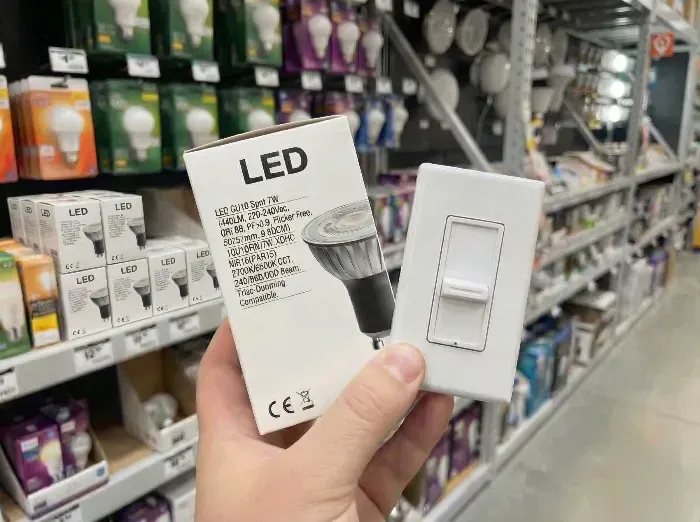
LED调光器采购检查清单
逐步验证流程
- 规格匹配:确认LED驱动器支持您的调光器类型(前沿或后沿)。寻找"通用"型号,但更推荐明确标注后沿调光兼容的产品。.
- 试点测试:在10%-100%亮度范围内对5-10个单元进行调光测试。观察闪烁/噪音——这些是常见的兼容性指标,而非产品缺陷。.
- 接线检查:后沿调光需中性线;前沿调光不一定需要。请参考安装指南。.
供应商与保修提示
向供应商索取兼容性图表——例如,Cree的列表将后沿调光列为优选方案(来源: cree.com)。部分LED支持前沿调光,但后沿调光风险更低,适合大批量应用。.
长期稳定性
批量采购会放大不匹配问题;正确配对可确保长期稳定性。稳定性关键何在?全在于匹配度。.
结论
掌握前沿与后沿调光差异,避免LED使用难题——在现代系统中选择后沿调光,实现可靠、无噪音且持久的调光效果。.