最后更新于2026年3月17日
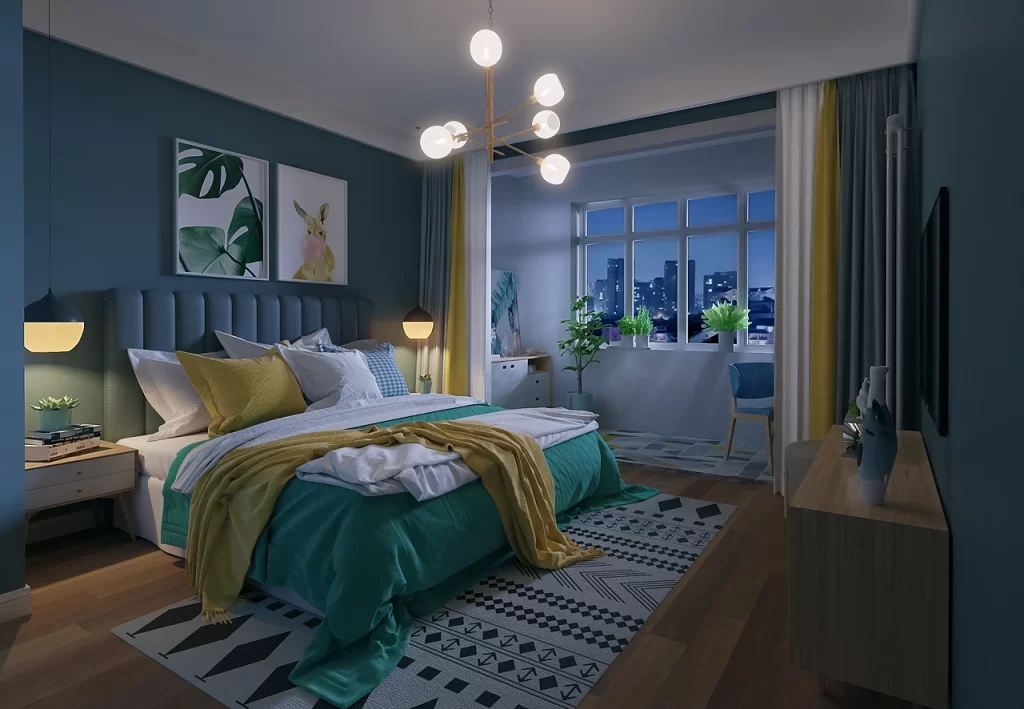
采用可调光LED灯具的现代卧室照明
引言
LED调光已成为现代照明系统的标准要求。从住宅到酒店环境、零售空间和商业办公室,可调光LED照明使用户能够控制亮度水平、创建灵活的照明场景并提高能源效率。.
然而,LED调光的工作原理与传统白炽灯或卤素灯不同。由于LED依赖电子驱动器调节电流,LED驱动器与调光开关之间的兼容性至关重要。.
在许多安装中,由于调光技术不匹配,会出现闪烁、嗡嗡声或亮度不稳定等问题。.
本指南解释了LED调光的工作原理、现代照明系统中使用的主要调光技术,以及如何在住宅和商业照明项目中确保兼容性。.
选择合适的调光系统对于避免闪烁、确保兼容性以及实现稳定的照明性能至关重要。.
对于专门寻找灯具的读者,请参阅我们的指南 可调光LED灯泡.
快速指南:如何选择合适的LED调光系统
在详细探讨每种调光技术之前,这里有一个快速选择指南:
• TRIAC(切相调光):最适合住宅改造项目
• PWM:最适合稳定且精确的调光性能
• 0–10V:最适合商业照明系统
• DALI:最适合智能建筑和高级控制
选择合适的调光系统有助于避免兼容性问题,确保流畅无闪烁的性能。.
什么是LED调光?
LED调光指的是通过控制供给LED驱动器的电流来调节LED照明设备亮度的能力。.
与白炽灯随电压降低自然变暗不同,LED芯片需要恒定的电流供应。LED驱动器解读调光信号并调整电流输出来调节亮度。.
这一过程使LED照明系统能够实现:
- 可调节的亮度水平
- 提高能源效率
- 可定制的照明场景
- 增强视觉舒适度
LED调光广泛应用于住宅照明、商业照明、酒店环境以及建筑照明设计中。.
LED调光工作原理

可调光LED射灯安装示例
LED调光依赖于控制流经LED芯片电流的电子驱动器。.
当调光器发送控制信号时,LED驱动器会调整供给LED的电流,从而改变亮度输出。.
通常使用两种主要原理:
相位切割调光
相位切割调光通过修改交流波形来减少输送到LED驱动器的电功率。.
有两种常见的切相方法:
- 前沿调光(TRIAC)
- 前沿调光
后沿调光器通常与LED照明更兼容,因为它们专为电子负载设计。.
👉 详细对比请参阅:
https://tecolite.com/triac-dimming-vs-0-10v-dimming-key-differences-compatibility-applications/
脉冲宽度调制(PWM)
PWM调光通过高频快速开关LED来实现。“开启”时间与“关闭”时间之间的比例决定了感知亮度。.
由于开关切换发生在高频,人眼感知到的是平滑的亮度变化。.
PWM调光广泛应用于智能照明系统和专业照明控制中。.
👉 相关指南:
https://tecolite.com/pwm-frequency-led-flicker/
LED调光系统类型
不同的照明安装根据应用需求使用不同的调光技术。.
| 调光技术 | 典型应用 | 控制方式 |
|---|---|---|
| TRIAC / 切相调光 | 住宅照明 | 交流波形控制 |
| 脉宽调制 | 智能照明系统 | 高频开关 |
| 0–10V调光 | 商业建筑 | 模拟控制信号 |
| DALI | 智能商业照明 | 数字控制网络 |
每种调光系统根据应用场景、控制要求和驱动器兼容性具有不同的优势。.
TRIAC调光
TRIAC调光常用于住宅照明系统,通过截取部分交流波形来减少输送到LED驱动器的电能。.
尽管广泛使用,但如果LED驱动器与调光器不兼容,TRIAC调光有时可能导致闪烁。.
PWM调光
PWM调光常用于LED驱动器和智能照明系统。由于它在每个脉冲周期内保持恒定电流,因此能够提供非常稳定的亮度控制。.
0–10V调光
0–10V调光广泛应用于商业照明安装。低电压控制信号决定亮度水平,实现集中照明控制。.
该技术常见于:
- 办公室照明
- 零售商店
- 仓库
- 商业建筑
DALI调光
DALI(数字可寻址照明接口)是一种用于先进照明系统的数字照明控制协议。.
DALI系统允许每个灯具独立控制,并与楼宇自动化系统集成。.
调光器兼容性详解
调光器兼容性是影响LED调光性能的最重要因素之一。.
使用不兼容的调光器可能导致:
- 闪烁
- 嗡嗡声
- 亮度不稳定
- 调光范围有限
| 调光器类型 | LED兼容性 | 典型用途 |
|---|---|---|
| 前沿(TRIAC)调光器 | 中等 | 老旧住宅系统 |
| 后沿调光器 | 高 | 现代LED安装 |
| 0–10V调光 | 高 | 商业照明 |
| DALI控制 | 非常高 | 智能建筑 |
为避免兼容性问题,应使用专为LED负载设计的调光器。.
常见LED调光问题
尽管可调光LED照明被广泛使用,但安装不当可能导致几种常见问题。.
| 问题 | 原因 | 解决方案 |
|---|---|---|
| 频闪 | 不兼容的调光器 | 更换为LED兼容调光器 |
| 嗡嗡噪声 | 调光器中的电气振动 | 使用后沿调光器 |
| 有限的调光范围 | 驱动器限制 | 使用高质量LED驱动器 |
| 灯光无法调暗 | 安装了非调光灯具 | 安装可调光LED灯泡 |
👉 详细故障排除,请参阅:
https://tecolite.com/led-gu10-bulb-flickering/
选择正确的调光系统
选择正确的调光系统取决于照明应用、控制要求和系统兼容性。.
| 应用 | 推荐的调光技术 |
|---|---|
| 住宅照明 | TRIAC或后沿调光 |
| 零售照明 | 0–10V调光 |
| 酒店照明 | TRIAC或DALI |
| 智能建筑 | DALI照明控制 |
一般而言:
• 简单改造项目选择TRIAC
• 选择0–10V用于稳定的商业照明
• 高级控制系统选择DALI
• 选择PWM以实现高性能调光
正确的系统选择确保亮度控制稳定,防止闪烁或兼容性问题。.
寻找可靠的可调光LED照明?
如果您正在为住宅或商业照明项目采购可调光LED照明产品,选择兼容的LED灯和驱动器至关重要。.
Teco专注于高性能可调光LED射灯,包括GU10和MR16灯,设计用于与常见调光系统实现稳定的调光兼容性。.
我们的工程团队与分销商、照明设计师和项目承包商合作,提供可靠的可调光LED照明解决方案。.
欢迎随时联系我们获取技术建议或产品信息。.
结论
LED调光技术提供灵活的照明控制、更高的能效以及可定制的照明环境。然而,实现可靠的调光性能需要选择兼容的调光技术、驱动器和控制系统。.
对于大多数项目:
• 住宅应用使用TRIAC
• 商业照明使用0–10V
• 智能建筑系统使用DALI
选择正确的调光系统是实现稳定、无频闪LED照明性能的关键。.