什么是COB LED?
最后更新于2026年2月2日
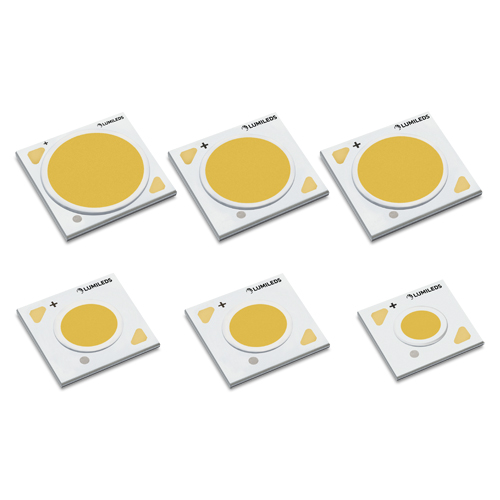
COB(板上芯片)是一种LED技术,其中 多颗LED芯片直接封装在陶瓷或金属基板上 形成一个单一的照明模块。与传统LED封装相比,COB LED提供 更高的发光效率、更均匀的光输出、更长的使用寿命以及更紧凑的结构.
由于这些优势,近年来COB LED在现代照明应用中得到了广泛采用。.
什么是SMD LED?
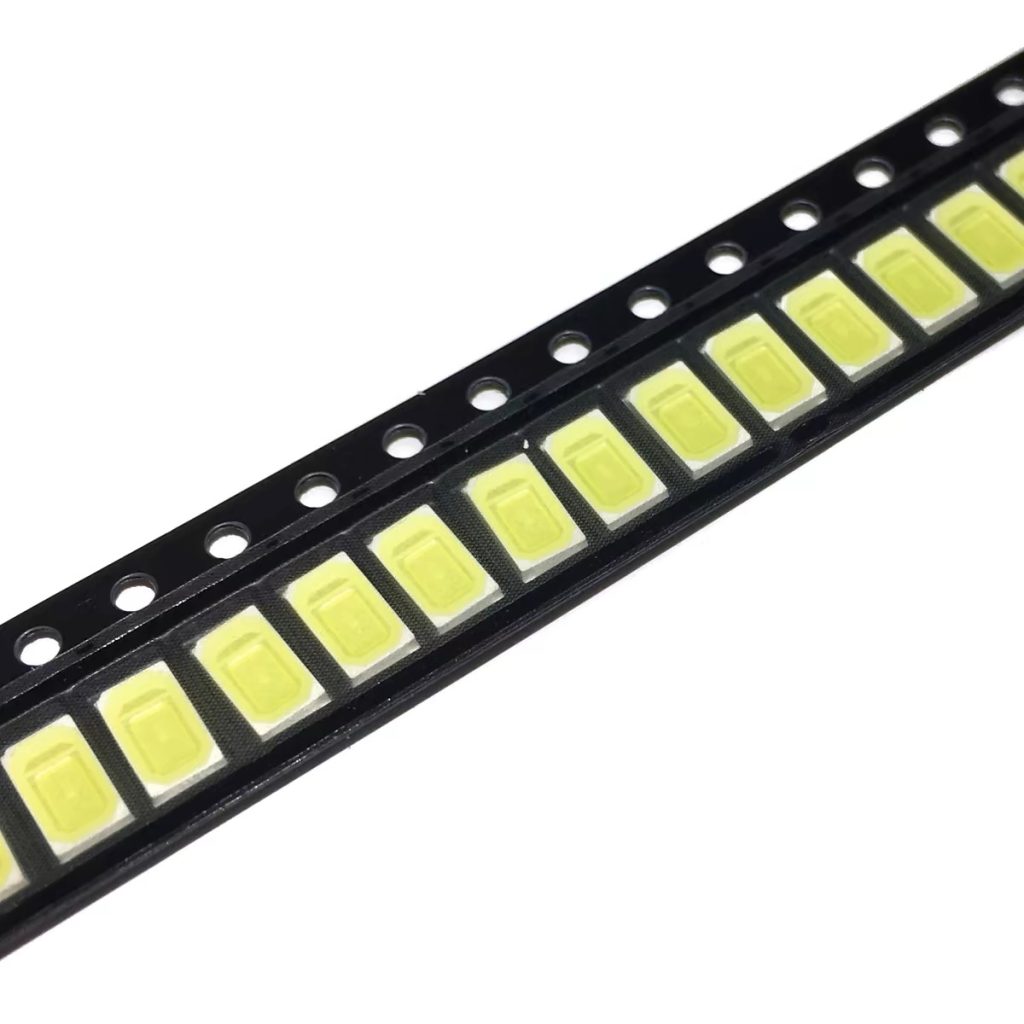
SMD(表面贴装器件)LED是一种将芯片封装在小型表面贴装封装内的LED类型。.
SMD LED以其 尺寸小、功耗低、亮度高、设计灵活, ,使其成为各种照明产品中最常用的LED技术之一。.
COB LED与SMD LED的主要区别
| LED类型 | COB LED | SMD LED |
|---|---|---|
| 亮度 | 更高 | 降低 |
| 寿命 | 更长 | 更短 |
| 尺寸 | 较小 | 较大 |
| 成本 | 更高 | 降低 |
| 能源效率 | 更高效 | 效率较低 |
哪种LED技术更适用?
COB和SMD LED各有优势,适用于不同的应用场景。.
COB LED
适用于需要 高光输出、高效率、均匀照明. 。它们通常用于 商业照明、工业照明和高质量住宅照明.SMD LED
更多 性价比高 并提供更强的 设计灵活性. 。它们广泛应用于 预算敏感的项目、户外照明、装饰照明以及需要多个光点的应用.
COB芯片的缺点
尽管COB LED具有优势,但也存在一些局限性:
成本较高
制造过程更为复杂,需要先进设备,导致生产成本较高。.散热挑战
多颗LED芯片集中在一个区域,使得热管理至关重要。不良的热设计会缩短使用寿命并降低效率。.维护困难
由于芯片集成在单块电路板上,单独更换芯片不切实际。通常需要维修或更换整个模块。.光学控制限制
与多点SMD设计相比,精确的光束成形和光分布可能更具挑战性,特别是在需要高级光学应用的情况下。.
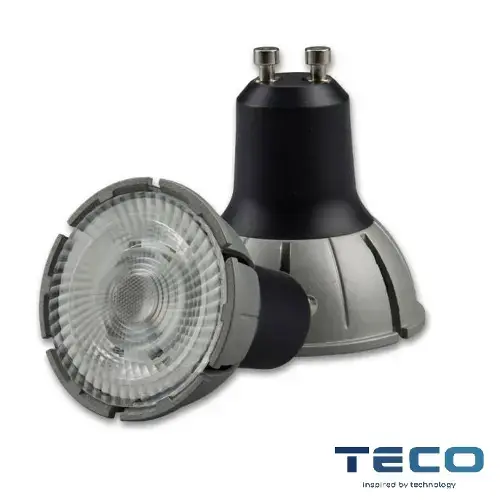
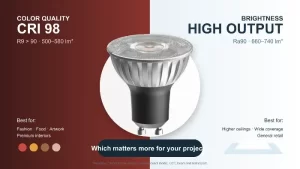
产品图像展示TECO GU10 LED灯泡的前面和侧面轮廓,具有黑色底座和宽大的透明扩散罩。.
COB芯片的未来替代技术
未来可能有几种新兴技术部分替代或补充COB LED:
迷你LED
更小的芯片尺寸允许 更高的光学密度、更精细的光线控制, ,以及在紧凑设计中改进的性能。.Micro LED
更小的芯片提供 卓越的亮度与精准度, ,但目前成本仍然较高,且大规模生产仍在发展中。.量子点技术
承诺 更广的色域和更高的发光效率, ,尽管稳定性和成本仍需进一步改善。.
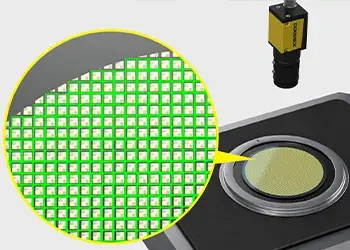
一个康耐视机器视觉摄像头位于绿色LED网状滤光片旁,滤光片置于圆形支架中,展示在暗色平台上,带有一个指向滤光片的标注箭头。.
COB芯片未来预测
如今,COB技术在许多照明场景中仍是一种强大的解决方案。然而,随着新技术不断成熟,照明行业预计将发生演变:
- COB 技术将在以下方面持续改进 成本降低、热管理和光学控制.
- Mini LED 与 Micro LED 正逐步进入高端照明领域,并可能在特定应用中替代COB。.
- 量子点技术 随着技术挑战的解决,可能会扩展到更多照明领域。.
目前,确定哪种技术最终将成为COB LED的主导替代方案还为时过早。.