目录
    Aggiungi un'intestazione per iniziare a generare l'indice dei contenuti

    MR8、MR11、MR16、GU4、GU5.3和GU10灯泡之间有何区别?

    MR8、MR11、MR16、GU4、GU5.3和GU10灯泡之间有何区别?

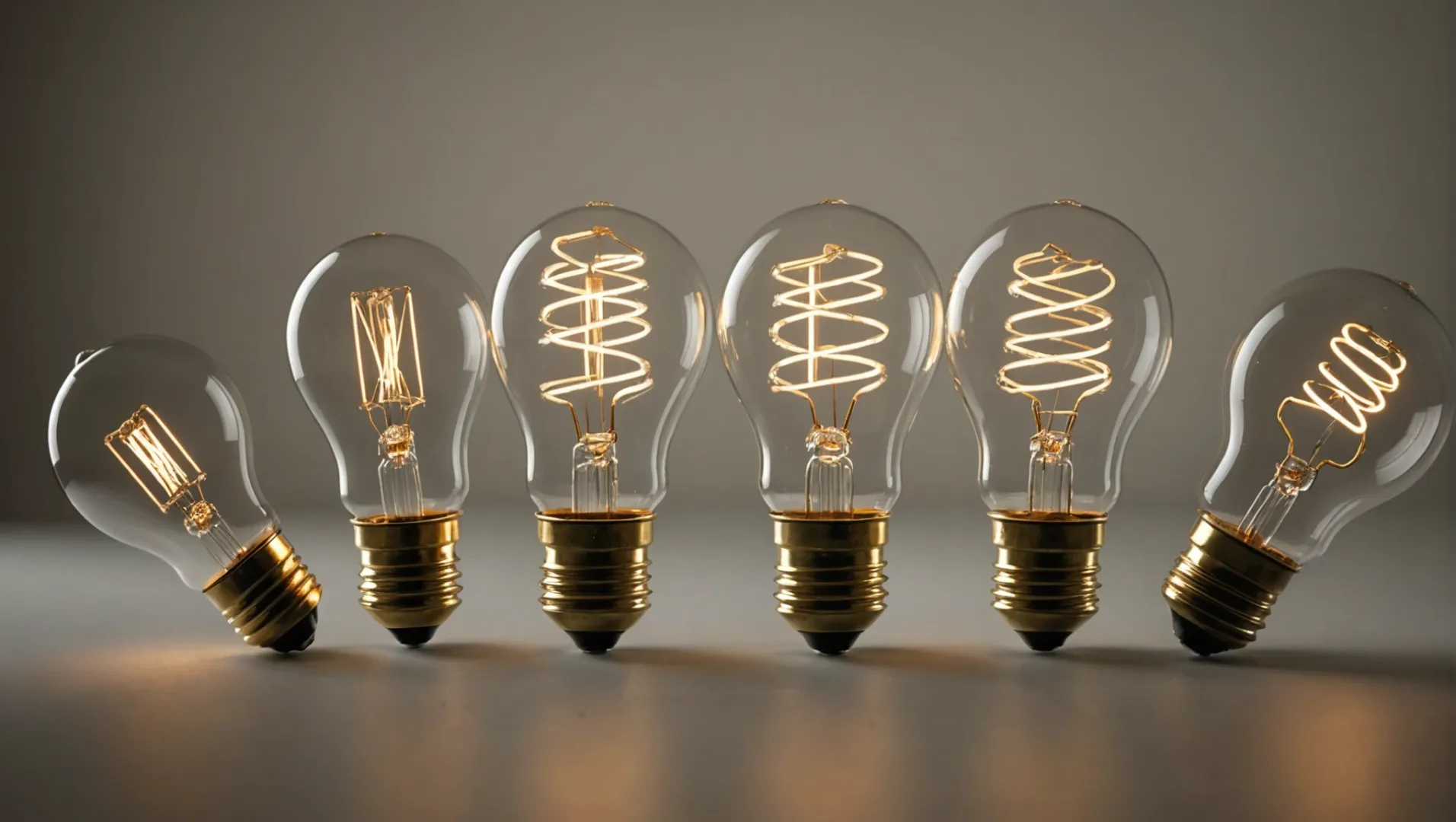
    Different types of MR and GU light bulbs placed side by side for comparison.

    选择合适的灯泡可能感觉像在迷宫中穿行——一步走错,您就会陷入黑暗!但别担心,我来为您照亮前路!

    MR8, MR11, MR16, ,GU4、GU5.3和 GU10 灯泡主要在尺寸、底座类型、电压要求和光束角度上有所不同。. MR 灯泡采用多面反射器实现聚焦照明,而 GU 灯泡的引脚底座尺寸因不同灯具而异。.

    了解这些差异对于在选择或更换灯泡时做出明智决定至关重要。在本指南中,我们将深入探讨每种类型的具体细节,并探索它们的最佳使用场景,以帮助您选择完美的灯泡。.

    声明: MR16灯泡采用多面反射器实现聚焦照明
    ✔ 正确
    MR16灯泡设计有多面反射器,可将光线集中成狭窄光束,非常适合聚光照明。.

    底座类型如何影响灯泡兼容性?

    了解灯泡底座类型对于确保与照明灯具的兼容性至关重要。.

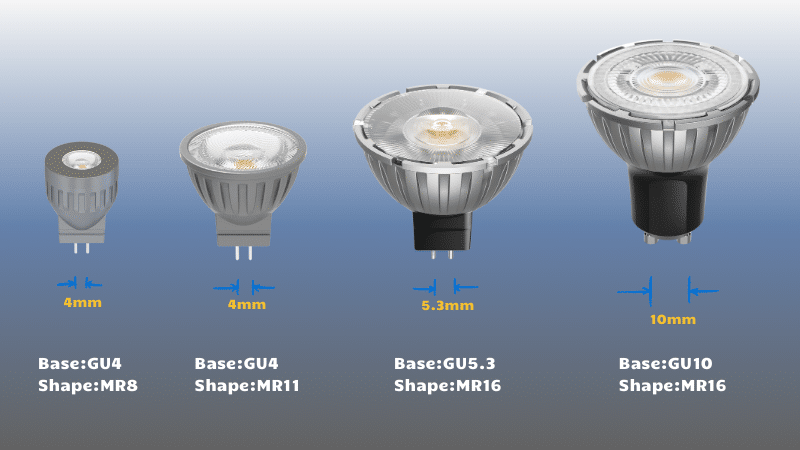
    灯泡底座类型,如GU4、GU5.3和GU10,通过定义引脚尺寸和配置来确定与灯具的兼容性。错误的底座类型可能导致安装不当和电气问题,因此将底座类型与灯具要求匹配至关重要。.
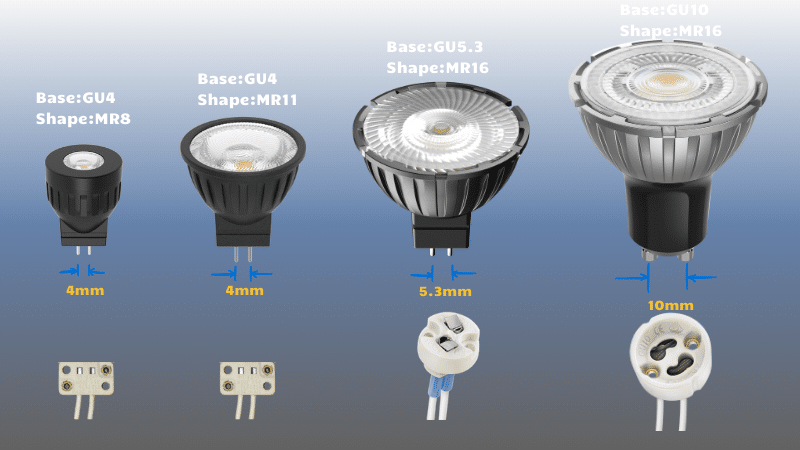
    Comparison of bulb base types: GU4, GU5.3, and GU10.
    灯泡底座类型

    引脚底座尺寸的重要性

    底座类型主要通过引脚底座尺寸显著影响灯泡与灯具的兼容性。例如,GU4、GU5.3和GU10底座各有特定的直径和引脚间距,以匹配相应的插座。使用错误的底座类型可能导致灯泡无法牢固安装甚至无法通电。.

    • GU4:通常用于低压应用,这种灯头的引脚间距为4毫米,适用于紧凑型灯具。.
    • GU5.3:具有5.3毫米引脚间距,这种底座常见于聚光灯,如我们的 三色温MR16 LED灯泡, ,这需要更多的功率和精度。.
    • GU10:与之前的底座不同,GU10采用旋转锁定机制,常见于主电压应用。.

    在购买灯泡前,检查灯具规格以确保其具有正确的 针脚底座尺寸1.

    电压兼容性

    电压兼容性是另一个与底座类型相关的关键因素。不同的底座可能意味着不同的电压要求,影响灯泡的性能和安全性。.

    • 低电压:像GU4和GU5.3这样的底座通常工作在12V,某些灯具中需要变压器。.
    • 主电压:GU10灯泡根据您所在地区直接工作在120V或240V,无需变压器。.

    匹配电压要求与您的电气系统至关重要,以避免潜在危险。.

    对设计和美观的影响

    底座类型的选择也会影响您的照明设置的设计和美观。. MR 带有多面反射器的灯泡提供适合重点照明的聚焦光束。同时,, GU 灯泡根据其引脚配置和底座类型提供更广泛的光分布选项。.

    了解不同灯泡设计和底座类型如何协同工作,有助于在您的空间中创造理想的照明效果。.

    声明: GU10灯泡需要变压器才能工作
    ❌ 错误
    GU10灯泡工作于市电电压(120V/240V),无需变压器。.
    声明: 使用错误的灯泡底座类型可能导致电气问题
    ✔ 正确
    错误的底座类型可能无法正确安装,导致电气问题。.

    瓦数在选择灯泡时扮演什么角色?

    选择正确的灯泡需要理解瓦数如何影响能耗和亮度。.

    灯泡的瓦数决定了功耗,并间接影响亮度。更高的瓦数通常意味着更亮,但也意味着更多的能源消耗,因此在效率和照明需求之间取得平衡至关重要。.
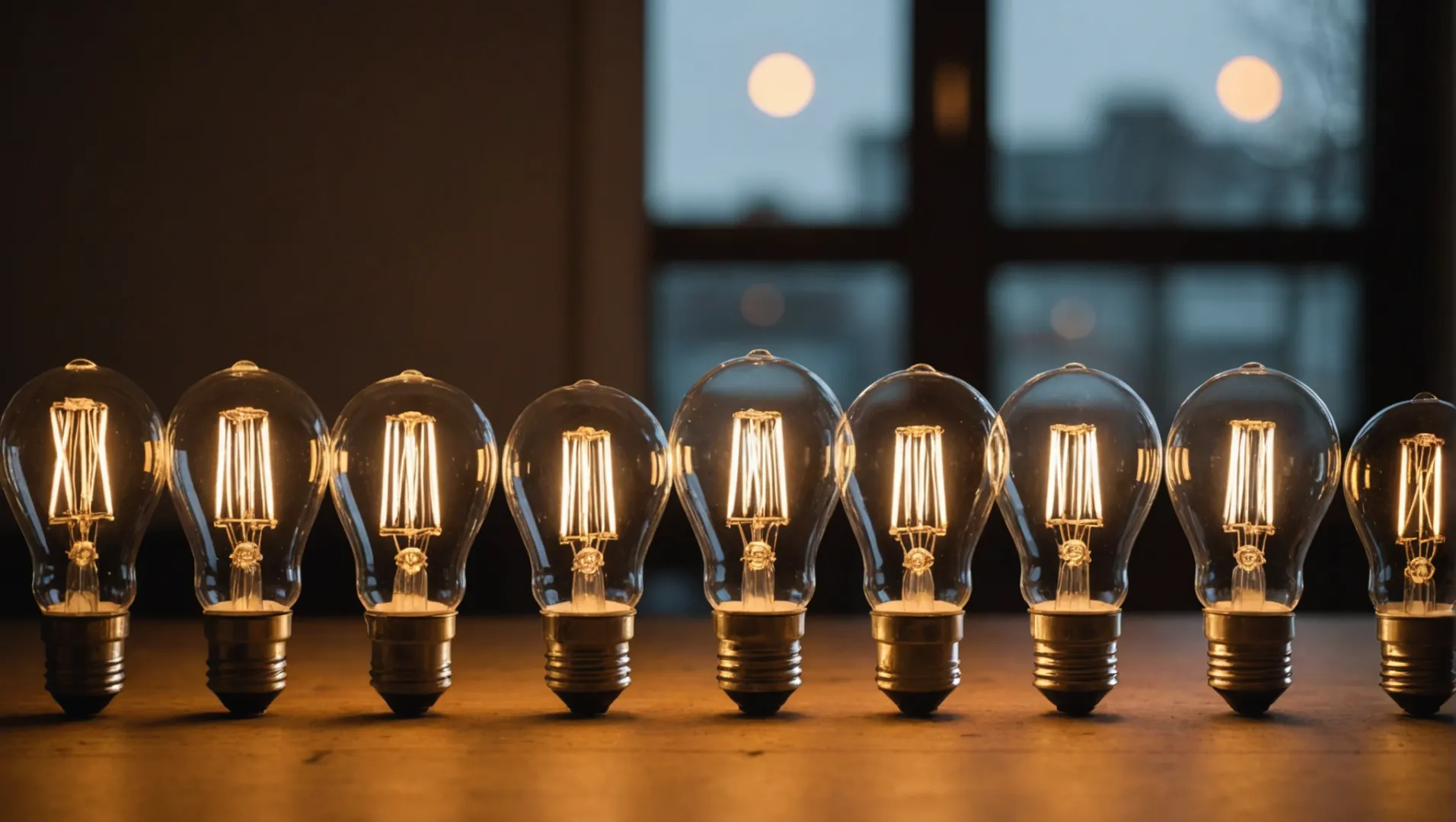
    Different types of light bulbs with varying wattages on a table.
    多种瓦数的灯泡

    理解瓦特数与流明数

    瓦特是衡量灯泡能耗的单位。传统上,更高的瓦数意味着更亮的灯泡,但随着照明技术的进步,情况并非总是如此。现在,流明被用来衡量亮度。在选择灯泡时,应关注流明以了解亮度,关注瓦数以了解能耗。.

    例如,一个LED灯泡可能仅需10瓦就能产生与传统60瓦白炽灯泡相同的亮度,这使其更加节能。.

    Comparing Wattage Across Bulb Types

    Different types of bulbs, such as MR8, MR11, MR16, GU4, GU5.3, and GU10, have varying wattage ratings. Understanding these can help you choose the right bulb for your needs:

    灯泡类型 Typical Wattage Range Equivalent Incandescent Wattage
    MR8 1.8 – 2.5 W 20 – 25 W
    MR11 3.5 – 5.5 W 35 – 55 W
    MR16 5 – 10 W 50 – 100 W
    GU10 5 – 10 W 50 – 100 W

    Balancing Efficiency and Brightness

    When selecting a bulb, consider both your energy efficiency goals and your lighting needs. For areas where you need bright light, such as kitchens or workspaces, you may choose a higher-wattage bulb or one with high lumens. Conversely, for ambient lighting, lower wattage bulbs may suffice.

    Also consider other factors such as 光束角2shape3 to ensure the bulb fits your lighting fixture and meets your aesthetic preferences.

    声明: Higher wattage always means a brighter bulb
    ❌ 错误
    Brightness is measured in lumens, not wattage. Higher wattage mainly indicates greater energy consumption.
    声明: LED bulbs are more energy-efficient than incandescent bulbs
    ✔ 正确
    LED bulbs use significantly less wattage to produce the same brightness as incandescent bulbs.

    How Do Size and Shape Impact Lighting Effectiveness?

    Understanding how the size and shape of bulbs affect lighting can transform your space.

    The size and shape of a bulb influence its beam angle, light distribution, and compatibility with fixtures. For example, MR16 bulbs, with their multifaceted reflectors, provide focused lighting, making them ideal for spotlights, while GU10 bulbs are often used for broader applications due to their base and shape.

    Various light bulbs of different shapes and sizes on a neutral background.
    Bulb Size and Shape Impact

    The Role of Size in Lighting

    Bulb size determines not only the physical fit4 within a fixture but also affects how light is distributed. Smaller bulbs like the MR8 are compact and often used in tight spaces where precision is essential. These small sizes are particularly effective in accent lighting, drawing attention to specific areas without overwhelming the space.

    In contrast, larger bulbs such as the MR16 or GU10 provide more extensive coverage due to their size. This makes them suitable for general lighting purposes where a broader beam is needed. The diameter of MR bulbs, indicated by numbers like 8, 11, or 16, relates to eighths of an inch, highlighting the variation in size which influences their application.

    Shape’s Influence on Light Distribution

    The shape of a bulb can significantly impact the beam angle and focus. MR bulbs, known for their multifaceted reflectors (MR stands for Multifaceted Reflector), concentrate light into a narrow beam. This property makes them ideal for track lighting or recessed downlights where spotlighting is desired.

    Conversely, GU bulbs have a broader design that allows for a wider spread of light. The pin base designations (like GU4 or GU5.3) indicate different pin spacing that can affect both the fixture fit and the direction of light emission.

    灯泡类型 直径 Best Use Case
    MR8 25mm Accent Lighting
    MR11 35mm Cabinet Lighting
    MR16 50mm Spotlights
    GU10 50mm General Illumination

    Shape and Fixture Compatibility

    The bulb’s shape also affects its compatibility with various fixtures. A bulb that doesn’t match the fixture’s design can result in inefficient lighting or even safety hazards. For example, using an MR16 bulb in a fixture designed for broader beam GU10 bulbs might not yield the desired effect.

    Understanding these nuances ensures that you select the right bulb type for your specific needs, enhancing both functionality and aesthetics of your lighting setup.

    声明: MR16 bulbs are not ideal for general illumination
    ❌ 错误
    MR16 bulbs can be used in applications where safety is a key consideration, such as bathrooms, when properly specified and installed.
    声明: GU10 and MR16 bulbs can both provide broader light distribution
    ✔ 正确
    A broader light distribution can be achieved by using wide beam angle optics in both GU10 and MR16 bulbs.

    What Are the Typical Voltage Requirements for These Bulbs?

    Voltage requirements vary among MRGU bulbs, affecting performance and compatibility.

    MR8, MR11, and MR16 bulbs typically require 12 volts, while GU10 bulbs use 120 volts. Understanding these voltage requirements is essential for ensuring bulb compatibility with your fixture and preventing damage.

    Different types of light bulbs with voltage specifications
    Bulbs Voltage Requirements

    Understanding Bulb Voltage Requirements

    When it comes to lighting, voltage plays a crucial role in determining both the performance and compatibility of a bulb. Let’s break down the voltage needs for each of the popular bulb types: MR8, MR11, MR16, GU4, GU5.3, and GU10.

    MR Bulbs

    • MR8, MR11, 、以及 MR16 bulbs are designed to work primarily with a low voltage system, typically at 12 volts. This makes them ideal for applications like track lighting and landscape lighting where a transformer is used to step down the voltage.

    • Due to their design, these bulbs provide focused lighting, often used in settings that require precise illumination.

    GU Bulbs

    • GU4GU5.3 bulbs also operate at 12 volts, similar to MR bulbs. Their pin base design means they are often found in similar low-voltage applications.

    • In contrast, GU10 bulbs are built for high voltage systems, requiring 120 volts or 230 volts. This makes them suitable for direct connection to the standard household electrical system without the need for a transformer.

    灯泡类型 Voltage Requirement
    MR8 12V
    MR11 12V
    MR16 12V
    GU10 120V / 230V

    Why Voltage Matters?

    Choosing the correct voltage is essential for several reasons:

    1. Compatibility: Ensuring that the bulb matches your fixture’s voltage prevents electrical issues.
    2. 效率: Using the wrong voltage can lead to reduced bulb lifespan and inefficiency.
    3. Safety: Incorrect voltage usage increases the risk of overheating or damage to your lighting system.

    Practical Applications

    Understanding these voltage differences can guide you in selecting the right bulb for your needs:

    • For outdoor pathways or garden areas, low voltage MR bulbs or GU bulbs5 are often preferred due to safety and ease of installation with transformers.
    • Indoor settings like kitchens or bathrooms that use recessed lighting might benefit from high-voltage GU10 bulbs for their straightforward installation.

    By considering these voltage requirements, you can ensure optimal performance and longevity of your lighting solutions.

    声明: MR16 bulbs require 120 volts for operation
    ❌ 错误
    MR16 bulbs typically operate at 12 volts and therefore require a suitable transformer, not a 120-volt direct supply.
    声明: GU10 bulbs connect directly to household electrical systems
    ✔ 正确
    GU10 bulbs operate at mains voltage (120V or 230–240V, depending on region), making them suitable for direct connection to household wiring.

    结论

    By understanding these bulb differences, I’ve found that optimal lighting solutions are just a choice away! Choose wisely based on your fixture’s requirements to enhance both functionality and ambiance.


    1. Learn detailed specifications and uses of various bulb pin bases.: The most common light bulb base sizes include: · Standard-Medium, a regular sized screw in base: E26 or E27 · Candelabra, a smaller screw in base: E12 … 

    2. Understand how beam angle affects light distribution.: The beam angle measures the light spread from a source, such as a light bulb. Broader beam angles result in more spread-out light, but the light is also less … 

    3. Discover how shape influences lighting effectiveness.: Remember, the shape of a bulb determines how it shines and disperses its light, and every shape has a usage function: i.e., an intended fixture to be used in! 

    4. Learn how different bulb sizes influence light spread.: Their design, featuring a reflective surface and a bulged shape, allows for broad and diffused light distribution, making them ideal for track lighting and … 

    5. Learn why GU bulbs are a top choice for outdoor settings.: Max Efficiency. Very low energy consumption to save you money while reducing carbon emissions. Save up to 50% compared to standard LED bulbs. 50,000 hours … 

    用我们高质量的服务提升您的业务

    相关博客

    pexels-photo-3760069-3760069.jpg

    让我们了解您的询问

    我们将立即回复您的询问!

    快速联系工厂

    联系我们

    请填写以下表格,我们将很快与您联系。.