إجابة سريعة: 24° مقابل 36° — أيهما أفضل؟

- شعاع 24° → شدة أعلى، إضاءة مركزة، تباين أقوى
- شعاع 36° → تغطية أوسع، انتظام أفضل، عدد أقل من التركيبات
على ارتفاع 3 أمتار، 36° تغطي ~50–70% مساحة إضافية من 24°
الخلاصة:
استخدم 24° للإضاءة التأكيدية, ، و 36° للإضاءة العامة في معظم المشاريع التجارية.
النقاط الرئيسية
- 24° = لوكس عالي + تركيز قوي
- 36° = تغطية واسعة + انتظام أفضل
- 24° يعزز وضوح المنتج
- 36° يقلل عدد الوحدات
- مزج الاثنين يعطي أفضل النتائج
لماذا 24° و 36° هما زوايا الشعاع الأكثر استخدامًا
الواقع في الموقع
في البيئات التجارية (التجزئة، الضيافة):
- تتراوح ارتفاعات السقف عادةً 2.5–4م
- وقت التثبيت محدود
يجب توحيد التوريد
24° و 36° هما الخياران الأكثر عملية وتوفرًا على نطاق واسع.
شرح تقني
وفقًا لتصنيفات حزمة IES:
- 24° → حزمة مركزية (<30°)
36° → فيضان ضيق (30–40°)
توفر هذه الزوايا توازنًا مثاليًا بين:
- شدة الإضاءة
- منطقة التغطية
- مرونة المسافات
منظور المصنع المباشر
في مشاريع الضيافة الكبيرة:
- فوق 60% من الطلبات هي 24° أو 36°
- بسبب التوافق مع أنظمة المسارات وضوابط التعتيم
24° مقابل 36°: الاختلافات الرئيسية في لمحة
| ميزة | شعاع 24° | 36° شعاع |
|---|---|---|
| انتشار الحزمة | ضيق | متوسط |
| شدة الإضاءة | عالية | متوسط |
| التغطية | صغير | كبير |
| التجانس | أقل | أعلى |
| كمية التركيبات | المزيد | أقل |
| أفضل استخدام | إضاءة زخرفية | الإضاءة العامة |
جودة الظل: فرق بصري رئيسي
زاوية الشعاع لا تؤثر فقط على السطوع—بل كيف تبدو الأشياء.
- شعاع 24° → ظلال حادة ومحددة
- شعاع 36° → ظلال ناعمة، منتشرة
التأثير العملي:
- 24° → مثالي لـ المجوهرات، الساعات، المواد ذات الملمس
36° → أفضل لـ ملابس، ضيافة، إضاءة محيطة
رؤية رئيسية:
تخلق الحزم الضيقة عمقًا وتباينًا، بينما تحسن الحزم الأوسع الراحة البصرية.
معادلة قطر الحزمة (أداة التصميم)
حساب عرض الشعاع
عرض الحزمة = 2 × ارتفاع التثبيت × ظل(زاوية الحزمة ÷ 2)
مثال (سقف 3 أمتار)
- 24° → ~1.27 متر قطر
36° → ~1.95م قطر
36° توفر تغطية أكبر بشكل ملحوظ.
مرجع (اختبار قياس الضوء):
https://www.ies.org/standards/lm-79/
مقارنة انتشار الحزمة (فرق التغطية)
| الارتفاع | تغطية 24° | تغطية 36° |
|---|---|---|
| 2.5م | ~1.06 متر | ~1.62م |
| 3م | ~1.27 متر | ~1.95 متر |
رؤية رئيسية:
التغييرات الطفيفة في زاوية الشعاع تُحدث فروقًا كبيرة في توزيع الإضاءة.
مقارنة اللوكس: أيها أكثر سطوعًا؟

مع نفس كمية اللومن الناتجة:
- 24° → مركزة → إضاءة أعلى
- 36° → انتشار → لوكس أقل
Example (800lm @ 3m)
- 24° → ~1800 lux
- 36° → ~900 lux
CBCP (Center Beam Candle Power)
CBCP measures the peak intensity at the center of the beam.
- 24° typically delivers 30–50% higher CBCP
creates stronger visual focus
In retail lighting, higher CBCP makes products stand out more clearly.
مرجع:
https://cie.co.at/publications
Spacing Differences in Real Installations
Based on IES guidelines:
https://www.ies.org/handbook
| الارتفاع | 24° Spacing | 36° Spacing |
|---|---|---|
| 2.5م | ~2.0m | ~3.0m |
| 3م | ~2.4m | ~3.6m |
التأثير العملي:
- 36° reduces fixture count by 30–40%
- lowers installation and wiring cost
- improves overall uniformity
Warning: Beam Angle vs Ceiling Height
If ceiling height exceeds 3.5m:
- 36° beams may not deliver sufficient lux
- lighting becomes flat and underpowered
Recommendation:
- استخدم 24° or narrower beams
- especially for accent or vertical lighting
This is one of the most common mistakes in commercial projects.
Manufacturer Insight: Common Real-World Mistake
In many retail projects:
Clients choose 36° beams to reduce fixture quantity.
النتيجة:
- poor contrast
- weak product focus
- reduced visual impact
Our recommendation:
- استخدم 24° beams for key areas
- combine with 36° for ambient lighting
Glare Control Consideration
- 24° beams usually offer better glare control
36° beams may produce more spill light if optics are poor
High-quality lens design is critical.
When to Use 24° Beam Angle
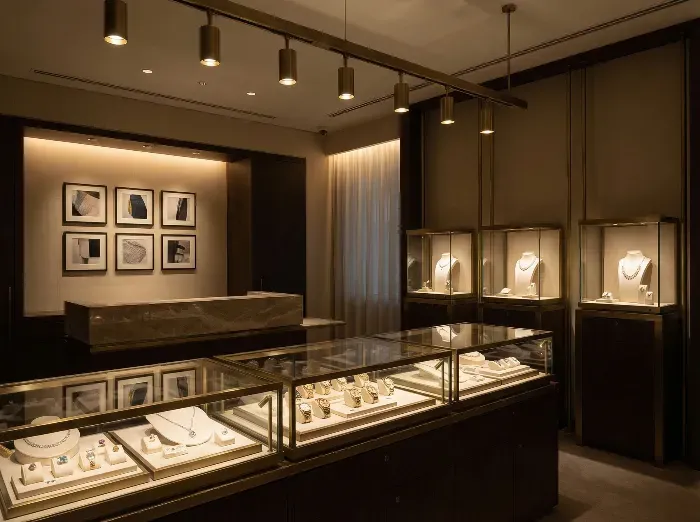
Use 24° when you need:
- الإضاءة التكميلية
- high contrast
- إضاءة مركزة
Applications:
- retail displays
- artwork lighting
- reception areas
Target: >1000 lux
When to Use 36° Beam Angle
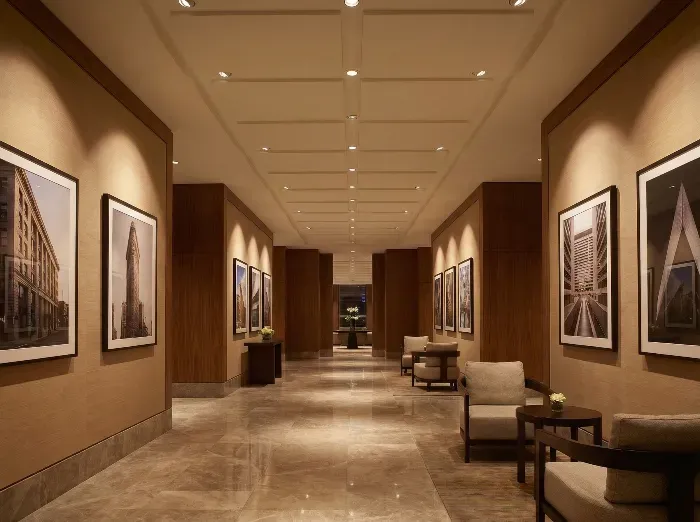
Use 36° when you need:
- general lighting
- uniform distribution
- fewer fixtures
Applications:
- corridors
- hotel lobbies
- open commercial areas
Target: 500–800 lux
Application Note (Fixture Selection)
In higher ceilings (4–6m):
- larger fixtures like AR111
- combined with شعاع 24°
provide better intensity than standard GU10 lamps.
Real Project Examples
التجزئة
- 24° → product focus
- 36° → background
Hotel Lobby
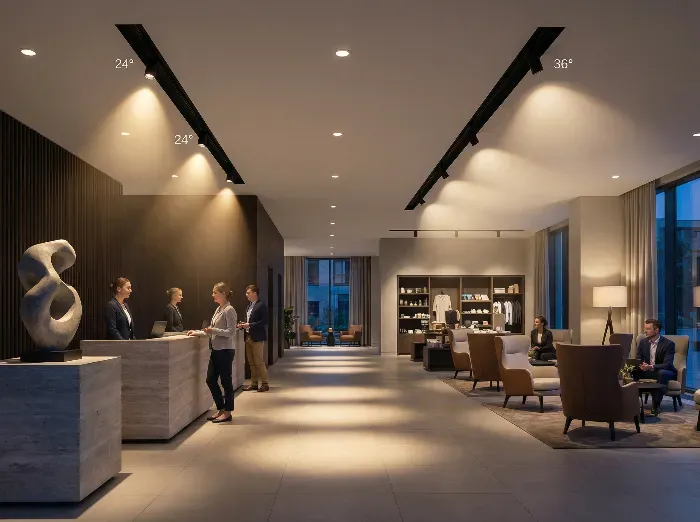
- 36° grid for floor
- 24° for architectural features
Gallery
- 24° for artwork
- 36° for ambient
Combining both angles delivers optimal results.
Common Mistakes When Choosing Beam Angles
- Using 36° for high ceilings
- Using only one beam angle
- Ignoring spacing rules
- Not simulating lighting
Solution:
- use Dialux / Relux
- verify beam angle before installation
FAQ: 24° vs 36° Beam Angle
Which is better for 3m ceiling?
36° for general lighting.
Is 24° too narrow?
No — ideal for accent lighting.
Can I mix 24° and 36°?
Yes — standard professional approach.
Which saves more cost?
36° reduces fixture count but may reduce lighting quality.
Inventory Strategy for Distributors
For general commercial demand:
- 60% → 36° beam (general use)
- 40% → 24° beam (accent use)
This mix:
- reduces stock risk
- covers most applications
- improves turnover
Final Recommendation: How to Choose
- Need focus → choose 24°
- Need coverage → choose 36°
- Need both → combine both
رؤية هندسية
In real projects:
- mixed beam strategy reduces cost by 20–30%
- improves lighting performance
- minimizes rework
Conclusion: Business Value
Choosing the right beam angle:
- reduces installation cost
- improves lighting quality
- avoids rework
- enhances long-term performance
24° = precision lighting tool
36° = efficiency lighting tool
Planning a commercial lighting project?
Our engineering team can help you:
- select beam angles
- optimize spacing
- simulate lighting
to avoid costly mistakes before installation.