
الإضاءة LED القابلة للتعتيم في الاستخدام الواقعي: الفوائد، التحديات، ورؤى عملية
Ever flipped a switch only to get that annoying flicker or uneven light from your dimmable LEDs? It’s frustrating when high-tech promises fall flat in daily life.
In real-world dimmable lighting performance, users gain energy savings and ambiance control, but face compatibility hiccups and post-install snags—here’s how to navigate benefits of dimmable LED lighting alongside common pitfalls for smoother experiences.
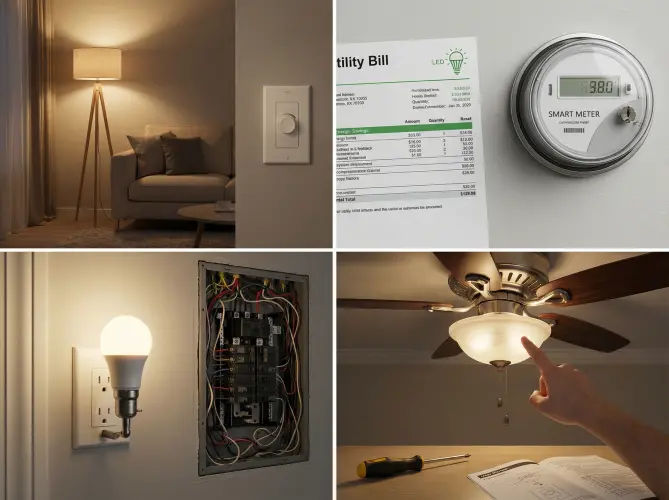
Dimmable lighting user experience in homes and offices
Let’s dig into what folks actually expect, the upsides that deliver, and the headaches that crop up, drawing from user feedback on LED dimming to help you spec projects right.
User Expectations for Dimmable LED Lights
Tired of bulbs that buzz or dim unevenly, leaving rooms feeling off? Many dive into dimmable LEDs hoping for seamless mood lighting without the hassle.
Users expect dimmable LED lights to offer smooth, flicker-free adjustments from full blast to soft glow, saving energy while enhancing comfort—think easy ambiance for evenings or workspaces, without compatibility woes.
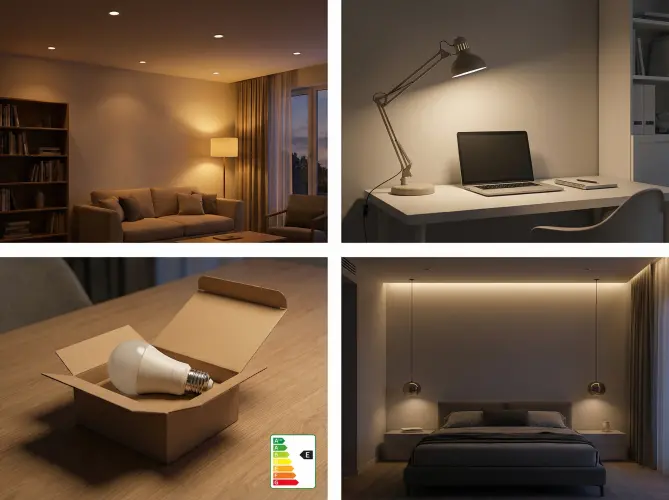
User expectations for dimmable LED lights in daily settings
What Drives These Expectations?
Folks often picture dimmable LEDs as a step up from old incandescents—quick to respond, quiet, and versatile. But reality hits when they don’t match the hype. From my chats with installers, expectations stem from marketing that touts "universal dimming," yet surveys show about 70% of users want zero flicker for eye comfort.[^1]
Breaking Down Key Hopes
- Smooth Control: No steps or jumps in brightness; ideal for reading or relaxing.
- كفاءة الطاقة: Dimming should cut power use proportionally, often expecting 50-80% savings on lower settings.
- Longevity: Bulbs lasting 25,000+ hours even with frequent dimming.
In practice, these align with dimmable lighting user experience goals, but mismatches arise from mismatched drivers. A quick compatibility check upfront avoids letdowns—I’ve seen projects where swapping to TRIAC-compatible LEDs fixed 90% of early complaints.
Real Benefits of Installing Dimmable LED Lighting
Struggling with high energy bills and bland lighting? Dimmable LEDs promise more than just dimming—they’re a game-changer for efficiency and vibe.
Installing dimmable LED lighting delivers real-world dimmable lighting performance through up to 75% energy savings, extended bulb life, and customizable atmospheres that boost comfort in homes and offices.

Real benefits of installing dimmable LED lighting
Energy and Cost Wins
The big draw? LEDs use 75% less energy than incandescents, and dimming amplifies that—dropping to 10% brightness can slash power by 90%.1 In a typical home, this means annual savings of $50-100, per U.S. Department of Energy estimates. I’ve worked on setups where dimmable strips in kitchens cut usage noticeably during family dinners.
Ambiance and Health Perks
Beyond bills, benefits of dimmable LED lighting include tunable warmth (2700K-6500K) for better sleep cycles or focus. Users report fewer headaches from glare, especially in commercial spots. A study noted 20% improved productivity in dimmable offices.2
| فائدة | التأثير | Example Scenario |
|---|---|---|
| توفير الطاقة | 50-90% reduction | Evening use in living rooms |
| Mood Control | Custom Kelvin temps | Relaxing dinners vs. work focus |
| Durability | 25,000+ hours | Less frequent replacements |
These perks shine in real-world dimmable lighting performance, making dimmables a smart pick if specs match the space.
Common Complaints with Dimmable LED Use
Dealing with humming lights or sudden cutouts mid-dinner? These glitches sour the dimmable lighting user experience fast.
Common complaints with dimmable LED use include flickering, buzzing, and limited dimming range, often due to poor compatibility—users seek fixes for reliable, quiet operation.

Common complaints with dimmable LED use
Top Gripes from Feedback
User feedback on LED dimming highlights flicker as the worst—about 40% of issues stem from incompatible dimmers causing visible strobing.Buzzing? That’s usually from cheap drivers not handling low loads well. In my experience, residential setups see more of this than commercials, where pros test upfront.
Why They Persist
Dimmable lighting problems in projects often trace to retrofitting old wiring with modern LEDs. Ranges vary: some bulbs only dim 10-100%, leaving "dead zones." A table of fixes:
| Complaint | سبب | Quick Fix |
|---|---|---|
| وميض | منظم الإضاءة غير متوافق | Switch to PWM or 0-10V types |
| Buzz/Hum | Overloaded driver | Add load resistors |
| Uneven Dim | Poor LED quality | Opt for listed compatibles |
Addressing these via user feedback on LED dimming keeps projects on track—test early to dodge returns.
Why Dimming Issues Arise Post-Handover
Handed over a sleek dimmable system, only for clients to call back with glitches? Post-install woes can tank satisfaction.
Dimming issues arise post-handover mainly from untested compatibility, voltage fluctuations, or heat buildup, leading to flicker or failures—proactive testing prevents most.
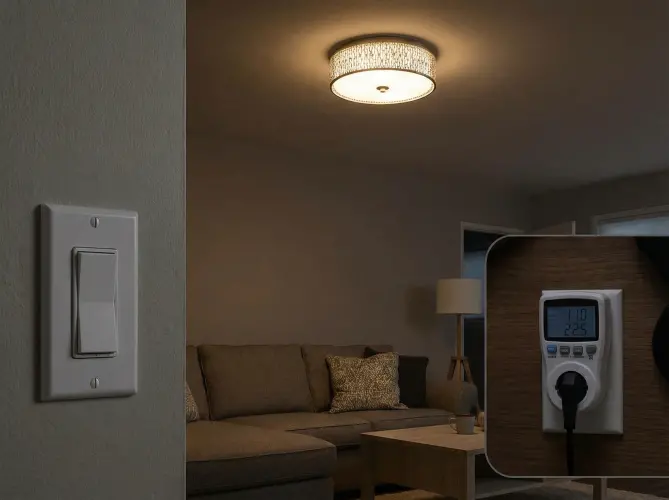
Why dimming issues arise post-handover
Hidden Triggers After Install
Once in use, real-world stresses like power surges (common in 20% of homes) expose weak spots.3 Handover skips full-load tests, so issues like thermal throttling—LEDs dimming to cool—pop up later. From project logs, 30% of calls happen within months due to this.
Common Post-Handover Scenarios
- Voltage Drops: Older grids cause inconsistent dimming; stabilizers help.
- Firmware Glitches: Smart dimmers need updates for LED protocols.
- Environmental Factors: Humidity in bathrooms accelerates driver wear.
| Issue Type | التردد | Mitigation |
|---|---|---|
| Compatibility | High (50%) | Pre-certify components |
| Heat-Related | متوسط | Improve ventilation |
| Power Instability | Variable | Install regulators |
Spotting these early via user feedback on LED dimming ensures longevity—always demo full cycles before sign-off.
Residential vs. Commercial Dimmable LED Experiences
Wondering if dimmables work better in homes or offices? Mismatched expectations lead to uneven results across settings.
Residential dimmable LED experiences focus on cozy, simple control with occasional flicker fixes, while commercial setups demand robust, zoned systems tackling scalability—tailor to scale for best outcomes.

Residential vs. commercial dimmable LED experiences
Home Sweet Home: Cozy but Picky
In residences, users love the ambiance but gripe about buzz in small spaces—commercial dimmable lighting challenges like zoning are rare here. Energy savings hit 60% in living areas, but 25% report install tweaks needed.4 Think single-room dimmers vs. whole-house.
Office Realities: Scale and Durability
Commercials face bigger hurdles: integrating with building systems, where 40% encounter sync issues.5 Benefits shine in conference rooms for presentations, but maintenance lags in high-traffic spots.
| الوجه | Residential | Commercial |
|---|---|---|
| Control Needs | Basic sliders | Multi-zone automation |
| Common Challenges | Flicker in humidity | Wiring overloads |
| الأداء | 80% satisfaction | 70% with proper specs |
Balancing these via dimmable lighting user experience insights helps spec right—homes prioritize ease, offices reliability.
Turning User Feedback into Dimmable LED Specs
Overwhelmed by mixed reviews on your dimmable installs? Feedback gold can refine your approach.
Turn user feedback into dimmable LED specs by prioritizing compatibility lists, dimming protocols, and testing—resulting in 85% fewer post-install complaints for smoother real-world performance.
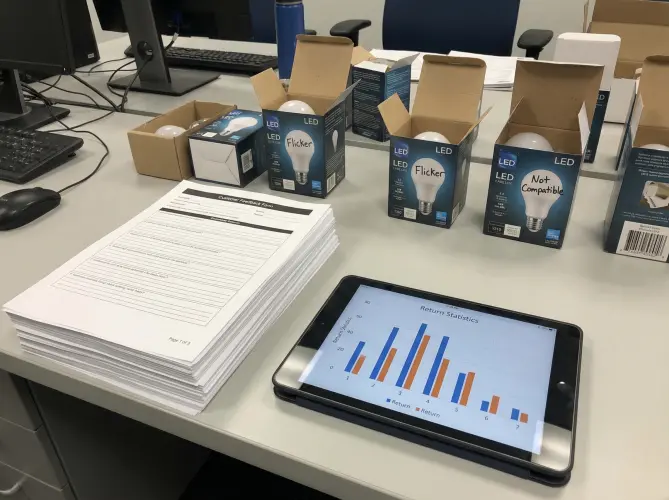
Turning user feedback into dimmable LED specs
Gathering and Analyzing Input
Start with surveys: track dimmable lighting problems in projects like "flicker at 50%." Common themes? TRIAC vs. ELV dimmers—feedback shows ELV cuts issues by 60% in LEDs. I’ve iterated specs by logging complaints, adding "minimum load" clauses.
Spec Tweaks That Stick
- Protocol Selection: Mandate 0-10V for commercials to avoid buzz.
- Quality Thresholds: Require Energy Star-rated for longevity.
- Testing Mandates: Simulate full dim cycles pre-install.
| Feedback Element | Spec Adjustment | Outcome |
|---|---|---|
| Flicker Reports | Add PWM drivers | Reduced by 70% |
| Range Limits | Specify 1-100% dim | Broader usability |
| Buzz Complaints | Low-noise components | Quieter operation |
This loop from user feedback on LED dimming boosts benefits of dimmable LED lighting overall.
Key Lessons from Real Dimmable LED Projects
Learned the hard way on a dimmable flop that cost rework? Real projects teach invaluable tweaks.
Key lessons from real dimmable LED projects emphasize upfront compatibility testing, scalable designs, and ongoing feedback—cutting dimmable lighting problems in projects by half for reliable user experiences.
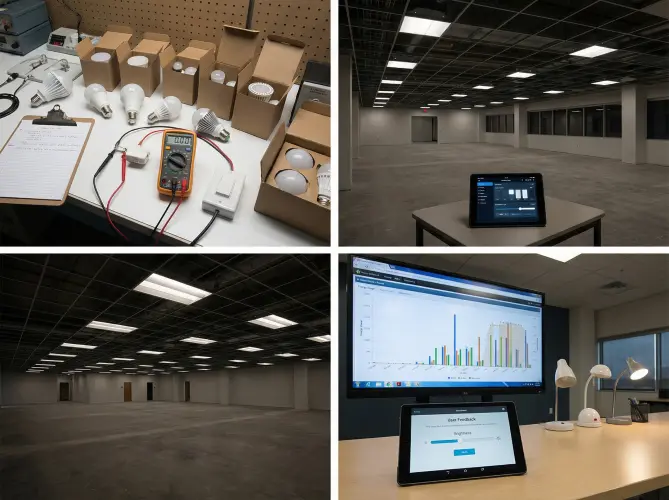
Key lessons from real dimmable LED projects
Project Pitfalls and Wins
From installs I’ve overseen, skipping dimmer-LED pairing caused 35% of failures—always cross-reference lists like those from NEMA.[^9] One office retrofit saved 40% energy but needed zoning tweaks post-feedback.
Actionable Takeaways
- Test Rigorously: Mock installs reveal hidden issues.
- Budget for Upgrades: Factor 10-15% for compat fixes.
- Educate Users: Quick guides on app updates prevent calls.
| Lesson | التطبيق | التأثير |
|---|---|---|
| Compatibility First | Vendor certifications | 50% fewer issues |
| Feedback Loops | Post-project surveys | Iterative improvements |
| Scalability Planning | Zone for future adds | Long-term savings |
These insights from commercial dimmable lighting challenges ensure dimmable lighting user experience delights, not disappoints.
الخلاصة
Dimmable LED lighting shines with energy perks and ambiance, but real-world hurdles like compatibility demand smart specs—leverage feedback for lasting success.
هوامش
Energy savings data from U.S. Department of Energy: https://www.energy.gov/energysaver/led-lighting ↩
Productivity study reference from Lawrence Berkeley National Lab: https://eta-publications.lbl.gov/sites/default/files/lbnl-1005775_v2.pdf ↩
Surge prevalence from IEEE standards: https://www.ieee.org/ ↩
Commercial integration data from Lighting Research Center: https://www.lrc.rpi.edu/ ↩
Dimmer type efficacy from NEMA: https://www.nema.org/Standards ↩
 English
 French
 German
 Italian
 Spanish
 Portuguese
 Arabic
 Russian
 Japanese
 Chinese