
مصابيح LED مقابل المصابيح المتوهجة: مقارنة تكلفة حقيقية
آخر تحديث في 2 فبراير 2026
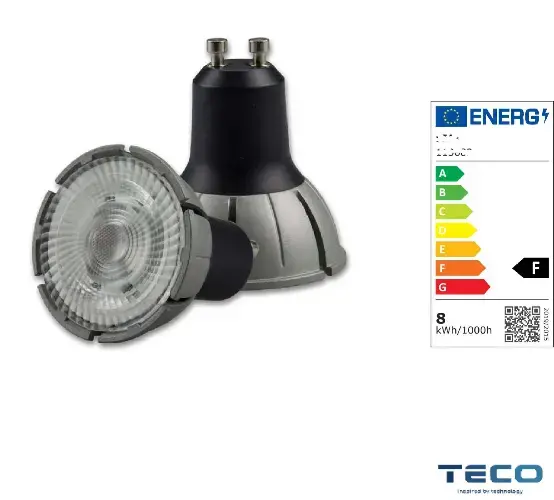
يظهر مصباح LED TECO GU10 مع ملصق الطاقة الأوروبي الخاص به، مسلطًا الضوء على كفاءة الطاقة من الفئة أ واستهلاك الطاقة 8 واط.
لقد سمعنا جميعًا القول،, "إذا اشتريت رخيصًا، فستشتري مرتين." ولكن عندما يتعلق الأمر بالمصابيح الكهربائية، فإن هذه المقولة القديمة تروي نصف القصة فقط. بالتأكيد، قد يبدو المصباح الرخيص وكأنه صفقة، ولكن ماذا عن التكاليف الخفية؟ دعنا نحلل التكلفة الحقيقية لإضاءة منزلك ولماذا قد تكون مصابيح LED، على الرغم من سعرها الأولي الأعلى قليلاً، الخيار الأكثر توفيرًا على المدى الطويل.
التكاليف الخفية للمصابيح المتوهجة
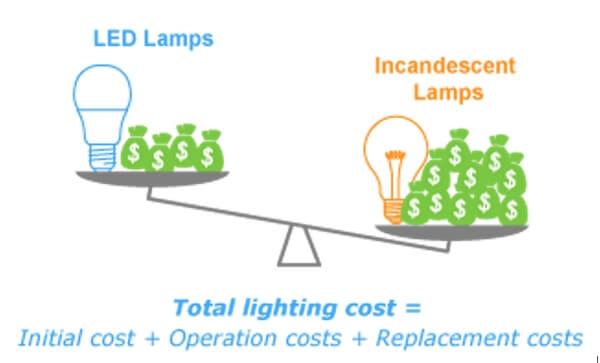
التكلفة الإجمالية لمصابيح LED
اعتقاد أن سعر الشراء هو العامل الوحيد الذي يجب مراعاته عند شراء المصابيح الكهربائية هو سوء فهم شائع. الحقيقة هي،, المصابيح الرخيصة غالبًا ما تأتي بتكاليف خفية التي يمكن أن تستنزف محفظتك وتضر بالبيئة. وتشمل هذه:
-
استبدال متكرر:
تتمتع المصابيح المتوهجة بعمر قصير سيء السمعة، حيث تحترق بعد 1,000 ساعة فقط في المتوسط. وهذا يعني استبدالها حتى 24 مرة خلال عمر مصباح LED. -
مستهلكات الطاقة:
تضيع المصابيح المتوهجة معظم طاقتها كحرارة بدلاً من الضوء، مما يؤدي إلى فواتير كهرباء أعلى. -
التأثير البيئي:
تساهم المصابيح غير الفعالة في زيادة انبعاثات غازات الاحتباس الحراري وتشكل عبئًا إضافيًا على شبكات الكهرباء.
فوائد مصابيح LED
ادخل عالم مصابيح LED - أبطال الإضاءة الحديثة الموفرة للطاقة. بينما قد تكون تكلفتها الأولية أعلى قليلاً من المصابيح المتوهجة، فإن الفوائد طويلة المدى تفوق بكثير فرق السعر:
-
عمر طويل:
يمكن أن تدوم مصابيح LED لمدة تصل إلى 50,000 ساعة، مما يقلل بشكل كبير من الحاجة إلى الاستبدال. -
كفاءة الطاقة:
تستخدم مصابيح LED طاقة أقل بنسبة تصل إلى 90٪ من المصابيح المتوهجة، مما يؤدي إلى توفير كبير في فواتير الكهرباء. -
الصديقة للبيئة:
تستهلك مصابيح LED موارد أقل وتولد انبعاثات أقل، مما يجعلها خيارًا أكثر استدامة.
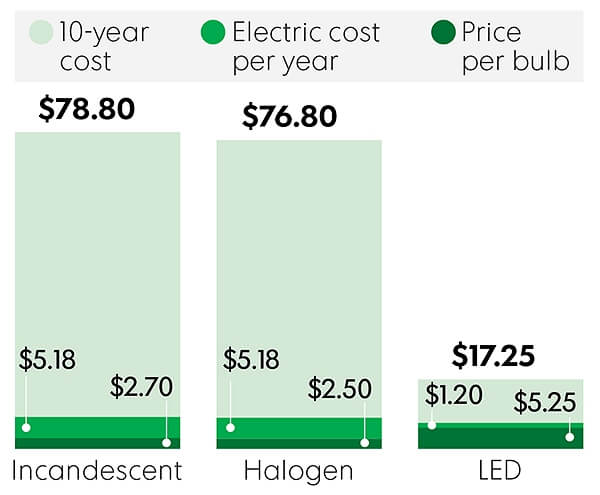
مقارنة تكلفة مصابيح LED
مقارنة استهلاك الطاقة
لنلقِ نظرة على مثال واقعي. تخيل استبدال مصباح متوهج تقليدي بقوة 60 واط بمصباح GU10 LED (مثل نموذج 80 SMD). إليك كيفية مقارنتهما:
| ميزة | المصباح المتوهج | مصباح GU10 LED |
|---|---|---|
| التكلفة | $1.20 | $5 – $10 |
| العمر التشغيلي | 1,000 ساعة | 50,000 ساعة |
| استهلاك الطاقة (8 ساعات/يوم) | 0.6 كيلوواط ساعة/يوم | 0.066 كيلوواط/ساعة يوميًا |
| التكلفة السنوية للتشغيل (12 سنت/كيلوواط ساعة) | $30.24 | $2.88 |
| استبدالات العمر الافتراضي | 24 | 0.5 (مقرب) |
| التكلفة مدى الحياة | $60.48 ($1.20 + $30.24 × 24) | $8.10 ($6 + $2.88 × 0.5) |
كما ترى، فإن مصباح LED يوفر $52.38 خلال عمره الافتراضي, ، حتى قبل التفكير في إزعاج استبدال المصابيح المتوهجة عدة مرات.
مصابيح LED: القيمة الأفضل
عند إضاءة منزلك، من المفيد النظر إلى ما هو أبعد من سعر الشراء الأولي. ضع في الاعتبار تكرار الاستبدال، واستهلاك الطاقة، والتأثير البيئي. تقدم مصابيح LED، بعمرها الطويل، وكفاءتها العالية في استهلاك الطاقة، وتصميمها الصديق للبيئة، قيمة استثنائية مع مرور الوقت.
باختصار، التحول إلى مصابيح LED ليس مجرد ترقية ذكية للإضاءة - بل هو استثمار طويل الأجل في التوفير والاستدامة والأداء.


 English
  French
  German
  Italian
  Spanish
  Portuguese
  Arabic
  Russian
  Japanese
  Chinese