Updated: September 4, 2026
Do not use a non-dimmable LED bulb on a dimmer unless the lamp and control system are explicitly rated as compatible. The common results are flicker, buzzing, unstable low-end output, overheating, driver stress and early failure. For retrofit projects, match the lamp type, socket, voltage, dimmer type and load range before approving samples or bulk orders.
| Symptom | Likely cause | Buyer action |
|---|---|---|
| Sfarfallio a bassa luminosità | Driver and dimmer mismatch | Use a tested dimmable LED and compatible dimmer |
| Buzzing or humming | Control waveform instability | Check leading-edge or trailing-edge requirements |
| Short lamp life | Thermal or electrical stress | Replace with a properly rated dimmable lamp |
For installers and distributors, this is also a warranty and callback risk. Send Tecolite the existing lamp type, dimmer model, socket, voltage and target quantity before approving replacements.
È Sicuro Usare Lampadine LED Non Dimmerabili con un Interruttore Dimmer?
L'illuminazione non è solo questione di visibilità; si tratta di creare un'atmosfera che sembri casa. Ma cosa succede quando si mescolano componenti sbagliati?
Utilizzare lampadine LED non dimmerabili con un interruttore dimmer generalmente non è sicuro. Può causare sfarfallio, ronzio e persino danneggiare le lampadine a causa di circuiti incompatibili. Utilizza sempre LED dimmerabili con interruttori dimmer per garantire un funzionamento corretto e la sicurezza.
Anche se potresti aver ricevuto una risposta diretta, capire perché i LED non dimmerabili reagiscono in questo modo ed esplorare alternative sicure può farti risparmiare tempo e denaro. Approfondisci questa guida per scoprire informazioni essenziali per le tue soluzioni di illuminazione domestica.
✔ Vero
I LED non dimmerabili mancano del circuito per gestire le variazioni di tensione, causando sfarfallio.
Cosa Succede Quando Si Usano LED Non Dimmerabili su un Dimmer?
Scopri i potenziali problemi nell'utilizzo di LED non dimmerabili con dimmer e come evitarli.
Utilizzare LED non dimmerabili su un interruttore dimmer provoca sfarfallio e ronzio a causa di circuiti incompatibili, potenzialmente causando danni alla lampadina. Assicurati sempre di abbinare LED dimmerabili con interruttori dimmer per mantenere funzione e sicurezza.

Comprendere la compatibilità tra LED e dimmer
Le lampadine LED, sia dimmerabili che non dimmerabili, sono progettate con circuiti specifici che ne dettano il funzionamento. I LED non dimmerabili mancano dei componenti necessari per regolare l'output luminoso, una caratteristica fondamentale richiesta quando interfacciati con un interruttore dimmer. Quando queste lampadine non compatibili vengono utilizzate con dimmer, possono sorgere diversi problemi.
Problemi Comuni con LED Non Dimmerabili su Interruttori Dimmer
Sfarfallio e Emissione Luminosa Incoerente
- I LED non dimmerabili spesso sfarfallano perché non possono regolare le fluttuazioni di potenza indotte dagli interruttori dimmer. A differenza delle lampadine a incandescenza, i LED necessitano di una corrente costante per funzionare correttamente. Quando abbinati a un dimmer, ricevono livelli di tensione incoerenti, portando a un'emissione luminosa irregolare.
Ronzii Udibili
- Un altro problema comune è un rumore di ronzio che emana dalla lampadina o dal dispositivo. Questo suono si verifica perché i componenti elettronici nei LED non dimmerabili non sono attrezzati per gestire il segnale di dimmerazione. Il rumore non è solo disturbante ma anche un'indicazione di sforzo sulla lampadina.
Danni Potenziali alla Lampadina
- L'uso prolungato di LED non dimmerabili su un dimmer può causare danni ai componenti interni della lampadina. Questo danno deriva dalla costante fluttuazione della corrente, che la lampadina non è progettata per gestire. Comprendere i Circuiti dei LED1 può fornire ulteriori approfondimenti sul perché ciò accade.
Alternative e soluzioni
Passare a LED Dimmerabili: Optare per lampadine LED specificamente etichettate come dimmerabili quando si utilizzano interruttori dimmer. Queste lampadine hanno circuiti integrati per gestire agevolmente gli ingressi di tensione variabili.
Verificare la Compatibilità del Dimmer: Anche con i LED dimmerabili, assicurati che il tuo interruttore dimmer sia compatibile. Non tutti i dimmer funzionano bene con ogni tipo di LED, quindi controllare le specifiche è essenziale.
Considera le opzioni di illuminazione intelligente: Le lampadine intelligenti offrono una soluzione innovativa, consentendo il controllo tramite app e dispositivi per la casa intelligente senza dimmer tradizionali.
Comprendendo questi aspetti, i proprietari di casa possono prendere decisioni informate sulla loro configurazione di illuminazione ed evitare le insidie comuni dell'uso di componenti incompatibili.
❌ Falso
I LED non dimmerabili non sono compatibili con i dimmer e possono sfarfallare.
✔ Vero
I LED dimmerabili hanno circuiti per gestire i segnali di dimmerazione, riducendo il rumore.
Perché i LED non dimmerabili sfarfallano o ronzano su un dimmer?
Quando i LED non dimmerabili sfarfallano o ronzano, disturbano l'atmosfera e potrebbero indicare potenziali problemi.
I LED non dimmerabili sfarfallano o ronzano sui dimmer perché i loro circuiti non sono progettati per livelli di potenza fluttuanti, a differenza dei LED dimmerabili. Questo disallineamento porta a un'erogazione di energia incoerente, causando sfarfallio o ronzio della lampadina.

La differenza nei circuiti
I LED non dimmerabili sono progettati per funzionare a una tensione costante. Se abbinati a un dimmer, che varia la tensione per controllare la luminosità, il circuito del LED non dimmerabile non può elaborare efficacemente questi cambiamenti. Ciò provoca sfarfallio mentre il LED cerca di adattarsi ai livelli di potenza fluttuanti.
I LED dimmerabili, d'altra parte, hanno circuiti integrati in grado di gestire variazioni di tensione, permettendo loro di passare dolcemente attraverso diversi livelli di luminosità senza sfarfallio o ronzio.
Il fenomeno del ronzio
Il ronzio si verifica quando la tensione incompatibile causa vibrazioni all'interno dei componenti del LED o nell'interruttore dimmer stesso. Ciò può essere particolarmente evidente in ambienti silenziosi, diventando fonte di irritazione. I materiali e la costruzione dei LED non dimmerabili non sono attrezzati per gestire queste vibrazioni, a differenza delle loro controparti dimmerabili.
Rischi Potenziali Coinvolti
L'uso di LED non dimmerabili con dimmer non solo influisce sulle prestazioni ma comporta anche rischi. L'uso prolungato può portare a surriscaldamento, riducendo significativamente la durata della lampadina e potenzialmente danneggiando il dispositivo o l'interruttore.
Inoltre, lo sfarfallio e il ronzio costanti possono indicare stress sui componenti elettrici, che potrebbero eventualmente portare a guasti. Pertanto, è fondamentale capire come funziona la tecnologia di dimmerazione2 e assicurati la compatibilità per sicurezza ed efficienza.
Soluzioni per la compatibilità
Per evitare questi problemi, considera di passare a LED dimmerabili, progettati per essere compatibili con vari tipi di dimmer. Cerca etichette come "dimmerabile" sulla confezione o consulta un esperto di illuminazione per scegliere le lampadine appropriate. Inoltre, gli interruttori dimmer moderni spesso riportano elenchi di compatibilità, rendendo più facile abbinarli alle tue lampadine. Controlla Compatibilità delle lampadine LED con i dimmer3 prima di effettuare un acquisto.
✔ Vero
Non-dimmable LEDs aren’t designed to handle fluctuating power levels.
❌ Falso
Dimmable LEDs have circuitry to manage voltage changes efficiently.
Can Using Non-Dimmable LEDs with a Dimmer Cause Long-Term Damage?
Non-dimmable LEDs and dimmer switches may seem like a harmless mismatch, but the long-term implications can be significant.
Yes, using non-dimmable LEDs with a dimmer can cause long-term damage. The incompatible circuitry can lead to overheating and reduced lifespan of the bulbs, as well as potential damage to the dimmer itself. Ensure compatibility by using dimmable LEDs with dimmers.

How Incompatibility Leads to Damage
Non-dimmable LEDs are designed to operate at a constant voltage and current. When connected to a dimmer switch, which reduces the voltage and current flow to control brightness, these bulbs struggle to cope. This mismatch in electrical requirements leads to excessive heat generation4 within the bulb.
When an LED is subjected to heat beyond its threshold, several issues arise:
- Overheating: A non-dimmable power supply can adjust the duty cycle within a certain voltage fluctuation range to ensure the bulb works properly, but too low an input voltage can cause the control chip’s duty cycle to exceed 90% or even 100%, which can rapidly lead to chip damage.
- Circuitry Stress: The LED’s internal circuitry, not designed for fluctuating power, may burn out prematurely.
- Diminished Lifespan: Constant stress reduces the bulb’s overall lifespan.
Dimmer Switch at Risk
It’s not just the bulbs that are at risk. The dimmer switch itself can suffer from:
- Increased Wear: Handling inconsistent loads can wear out internal components faster.
- Potential Malfunctions: Over time, the dimmer might not function correctly even with compatible bulbs.
Why Stick to Dimmable LEDs?
Dimmable LEDs are specifically designed to handle varying voltage and current levels without compromising on performance. They contain specialized circuitry that adjusts to dimming inputs, preventing overheating and other potential issues. This adaptability5 ensures both longevity and optimal performance of the lighting system.
| Caratteristica | Non-Dimmable LEDs | Dimmable LEDs |
|---|---|---|
| Circuitry | Standard | Advanced |
| Gestione del calore | Povero | Eccellente |
| Lifespan with Dimmer | Ridotto | Maintained |
| Dimmer Compatibility | No | Sì |
Preventive Measures
To avoid costly mistakes:
- Always check bulb packaging for dimming compatibility.
- Consult with an electrician if unsure about your existing setup.
- Invest in high-quality dimmable LEDs from reputable manufacturers.
By understanding these dynamics, homeowners can make informed choices that enhance both safety and efficiency in their lighting systems.
✔ Vero
Mismatch in electrical requirements causes overheating in non-dimmable LEDs.
❌ Falso
Dimmable LEDs are designed to maintain lifespan with dimming.
How to Choose the Right LED Bulbs for Your Dimmer Switch?
Selecting the right LED bulbs for your dimmer switch ensures both efficiency and longevity. Here’s how to make the right choice.
To choose the right LED bulbs for your dimmer switch, opt for bulbs labeled as ‘dimmable’ and ensure compatibility with your specific dimmer model. Check manufacturer guidelines for optimal performance.
Understanding LED Compatibility
Not all LED bulbs are created equal, especially when it comes to dimming. Dimmable LED bulbs are specifically designed with a circuitry that interacts seamlessly with dimmer switches, unlike their non-dimmable counterparts.
Steps to Selecting the Right LED Bulbs
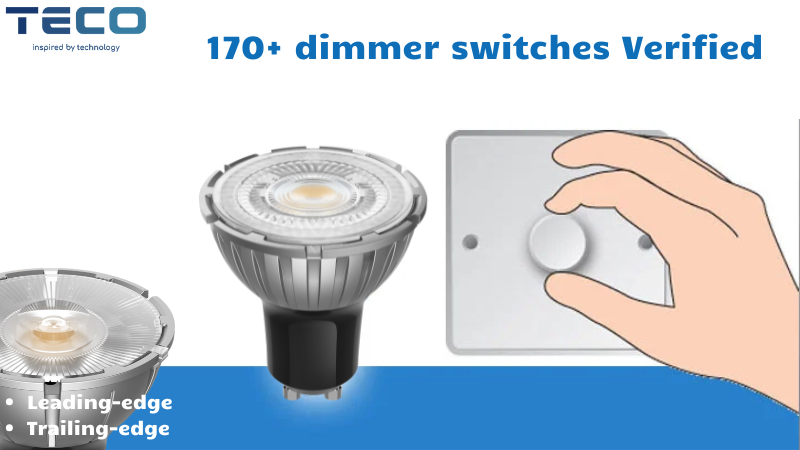
Identify Your Dimmer Type: First, check the type of dimmer switch you have. There are various types, such as trailing edge and leading edge dimmers, each compatible with different LEDs.
Look for Dimmable Labels: Always choose LED bulbs explicitly labeled as ‘dimmable’. This ensures that the bulb’s internal components are compatible with dimming controls.
Check Manufacturer Compatibility: Many manufacturers provide lists or charts indicating which of their bulbs work best with certain dimmers. This compatibility chart6 can help prevent issues like flickering or buzzing.
Consider Bulb Wattage: Ensure that the total wattage of your LED bulbs does not exceed the maximum wattage rating of your dimmer switch. Exceeding this limit can lead to overheating and damage.
Test Before Finalizing: Once you’ve selected a bulb, test it with your dimmer to ensure smooth dimming capabilities without flickering or buzzing.
Benefits of Using Compatible LED Bulbs
Utilizing compatible LEDs ensures that your lighting system operates efficiently, prolongs the life of both the bulbs and the dimmer switch, and maintains the desired ambiance in your home. Moreover, you reduce the risk of electrical issues that could lead to costly repairs or replacements.
Errori comuni da evitare
- Avoid purchasing cheap, non-branded LEDs as they often lack proper dimming technology.
- Do not mix different types of LEDs on the same circuit, as this can lead to inconsistent performance.
- Keep abreast of energy-saving tips7 to maximize efficiency without compromising lighting quality.
❌ Falso
Only LED bulbs labeled ‘dimmable’ are compatible with dimmers.
✔ Vero
Non-dimmable LEDs lack circuitry for smooth dimming, causing flicker.
Conclusione
Always pair dimmable LEDs with compatible dimmers to avoid flickering and damage. Ensure your lighting setup is both safe and efficient by choosing the right components for your system.
Recommended Dimmable LED Lighting Solutions
To ensure safe and stable dimming performance, always choose high-quality dimmable LED lighting designed for compatibility with modern dimmer systems. This helps eliminate flickering, buzzing, and potential compatibility issues.
Instead of focusing on a single bulb type, it is better to select lighting based on application and fixture requirements.
Explore Our LED Lighting Collection
Our full range of LED lighting solutions includes dimmable options designed for residential, commercial, and architectural applications.
Key benefits across our product range:
- Flicker-free dimming performance
- Compatible with leading and trailing-edge dimmers
- High CRI options for better color accuracy
- Energy-efficient LED technology
- Multiple beam angles and color temperatures available
Choosing the Right Solution
Different lighting environments require different solutions:
- Accent lighting → precise beam control and stable dimming performance
- General lighting → smooth dimming with wide beam distribution
- Commercial projects → high reliability and long lifespan requirements
All product categories are designed to support dimmable applications when paired with compatible dimmer systems.
Explore Dimmable GU10 LED Spotlights
This link explains flickering and buzzing in non-dimmable LEDs.: There is interference between the dimming switch and the bulb as the two devices are not designed to work togther, and at least one of the items needs to be … ↩
Gain insight into how dimming technology operates for informed bulb choices.: There are two main ways in which we dim LEDs. There is pulse-width modulation (PWM) dimming and constant current reduction (CCR). Each type has its own pros … ↩
Ensure your LED bulbs and dimmers are compatible to avoid flickering.: One caveat: if you’re going to use a bulb with built-in dimming smarts, be sure that you don’t use it with an existing, in-wall dimmer switch. ↩
Explore how mismatched electrical requirements lead to overheating issues.: The obvious is it was not designed for dimming and that would cause it to burn up. ↩
Learn about specialized circuitry in dimmable LEDs for safe dimming.: The voltage is free to adjust to whatever it needs to be to make the LED happy. In fact, it will settle at a constant voltage (more or less). – … ↩
Ensures you select the right bulb for your dimmer.: This test program is designed to meet or exceed the latest testing criteria for evaluating performance of. LED bulbs with Leviton dimmers. We measure a number … ↩
Learn ways to save energy with efficient lighting.: In this article, we’re going to cover 10 ways that LED lighting can actually help you save money and increase your savings. ↩