琥珀色 vs 赤色 vs ウォームホワイト:夜間にはどの光を使うべきか?
人工照明は、人体が休息の準備をする上で重要な役割を果たします。寝室、ホテル、医療施設、居住環境では、夜間の間違った光スペクトルが睡眠開始を遅らせ、メラトニン生成を減少させ、概日リズムを乱す可能性があります。.
夜間照明として最も議論される選択肢の中には 赤色光、琥珀色の光、暖白色の光. 。それぞれ異なるスペクトル特性と生理的効果を持ちます。この記事は、照明デザイナー、エンジニア、知識のあるユーザーが夜間使用に最も適した光を選択するための、構造化されたエビデンスベースの比較を提供します。.
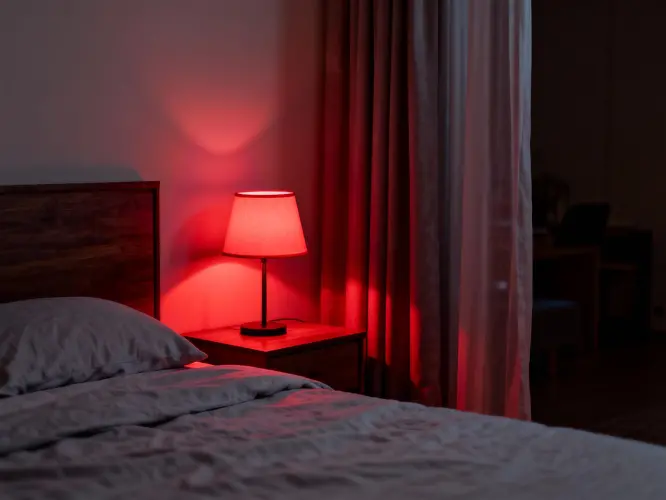
夜間の琥珀色 vs 赤 vs 暖白色の光 – スペクトルと睡眠への影響比較
睡眠における夜間照明の重要性
人間の概日リズムは、特に短波長の青色光による光曝露によって調節されています。夕方に青色光が豊富な光に曝露されると、脳は覚醒状態を維持するよう信号を受け、睡眠を開始させるホルモンであるメラトニンを抑制します。.
ハーバード医科大学と国立衛生研究所の研究は、夜間の低強度の青色光でさえ、メラトニン放出を大幅に遅らせ、概日タイミングをシフトさせうることを確認しています。この影響は、旅行やストレスにより居住者が既に睡眠障害を経験している可能性があるホテル、アパート、医療施設などの環境で特に重要です。.
照明の専門家にとって、夜間の照明はしたがってバランスを取る必要があります 視覚的安全性, 快適さ, 、および 生物学的影響—単なる明るさや美的感覚ではありません。.
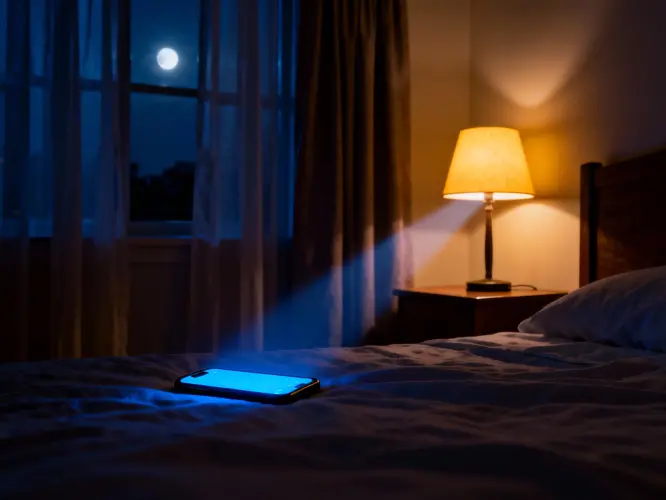
夜間の青色光曝露は自然なメラトニン産生を妨げます
スペクトルの違い:赤 vs 琥珀色 vs 暖白色
これらの光タイプの主な違いは、その 分光パワー分布, 、単なる知覚色だけでなく。.
| ライトタイプ | 典型的な波長 / 相関色温度 | 青色光含有量 | 概日リズムへの影響 |
|---|---|---|---|
| 赤 | 620–700 nm(単色光) | なし | 最小限 |
| 琥珀色 | ~2000–2500K | 非常に低い | 低 |
| 暖白色 | ~2700K | 中程度 | 中程度 |
赤色光は長波長のみを放出し、メラノプシン感受性網膜細胞を刺激しません。琥珀色光は青色波長を大幅に削減しながら、より良い視覚的使用性を維持します。暖白色光は、昼白色よりも柔らかいものの、夜間に使用すると概日リズムシグナルに影響を与える十分な青色エネルギーを依然として含んでいます。.
この区別は、睡眠支援環境を意図した照明仕様において極めて重要です。.
メラトニン生成を最もサポートする光は?
生理学的観点から、, 赤色光はメラトニンの保持レベルが最も高い, 、続いて琥珀色の光が近接します。暖白色の光は、低輝度であっても、メラトニンを測定可能な程度に抑制し続けます。.
発表された制御研究 生物リズムジャーナル は、夕方の赤色光への曝露が自然なメラトニンレベルの90%以上を維持する一方、琥珀色光は約80〜90%を維持することを示しています。暖白色照明は、残留青色成分により、メラトニンをより大幅に減少させることが一般的です。.
| ライトタイプ | メラトニン保持 | 夜間使用推奨 |
|---|---|---|
| 赤 | 非常に高い | 寝室、睡眠ゾーン |
| 琥珀色 | 高い | 読書、動線エリア |
| 暖白色 | 中程度 | 移行期または夕方のみ |
睡眠に焦点を当てた用途、特にホスピタリティや住宅の寝室では、この区別は居住者の休息の質と翌日の覚醒度に直接影響します。.

夜間の異なる光スペクトル下でのメラトニン反応
実用的な夜間照明階層
生物学的影響と機能的な使用性に基づくと、明確な階層が浮かび上がります:
1. 赤色光 – 最大の概日リズム保護
赤色光は、睡眠が優先されるエリアでの最適な選択肢です。これは概日リズムへの影響が最も少なく、ベッドサイドランプ、ナイトライト、寝室やホテルスイート内の低照度経路照明に理想的です。.
2. 琥珀色の光 – 機能性と快適性のバランス
琥珀色光は、ある程度の視覚的明瞭さが必要とされる場合の実用的な妥協点を提供します。完全な暗闇や赤色のみの照明が非現実的である可能性があるリビングスペース、夜間のホテル廊下、読書エリアに適しています。.
3. 暖白色光 – 夜間使用は限定的に
Warm white lighting should be reserved for early evening or transitional periods and used at very low illuminance levels when applied at night.
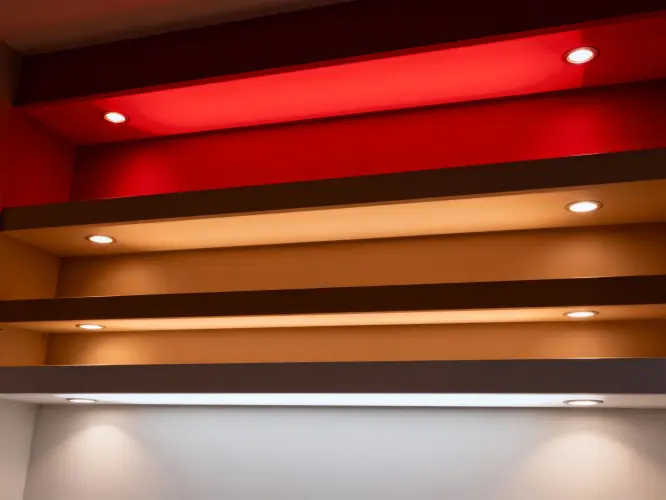
Recommended hierarchy for low blue light night lighting
Choosing the Right Light for Different Scenarios
| Space | Recommended Light | Target Illuminance | Design Rationale |
|---|---|---|---|
| Bedroom | Red / Amber | <5 lux | Preserve melatonin |
| Living Room (night) | 琥珀色 | 10–20 lux | Comfort without alertness |
| Hallways / Hotels | Amber / Warm White (dimmed) | 5–10 lux | Safety + circadian care |
| Late-night task use | 琥珀色 | 20–50 lux | Visual clarity with reduced blue |
Designers should also consider beam control, glare reduction, and dimming compatibility. In professional applications, combining spectral control with automated dimming schedules provides the most reliable circadian-friendly solution.
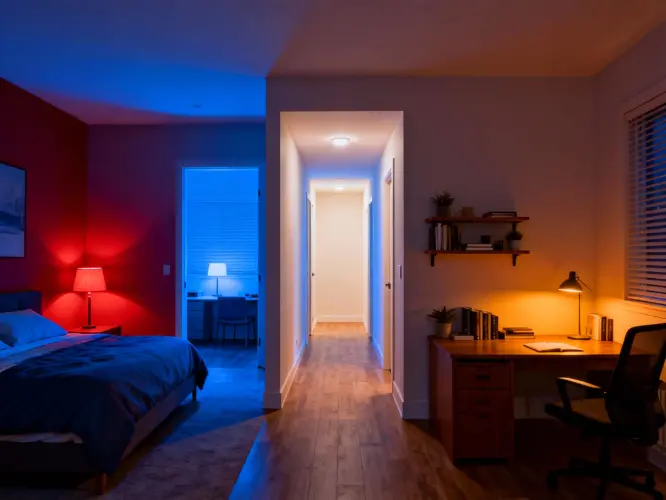
Selecting night lighting based on space function
Key Limitations and Design Trade-Offs
While red and amber lighting offer strong biological advantages, they are not universal solutions. Red light has limited color rendering and may not be suitable for detailed tasks. Amber light improves usability but still requires careful intensity control.
Effective night-time lighting design is therefore not about choosing a single “perfect” color, but about layering light, controlling brightness, and matching spectrum to activity.
Recognizing these trade-offs is essential for credible, real-world lighting design.
Final Recommendations
- 使用 red light in sleep-critical environments where circadian protection is the priority.
- Apply amber light in semi-active night-time spaces requiring usability without excessive stimulation.
- Limit warm white light to early evening or transitional periods and always pair it with dimming.
- Prioritize low illuminance, controlled beam angles, and consistent spectral performance over brightness alone.
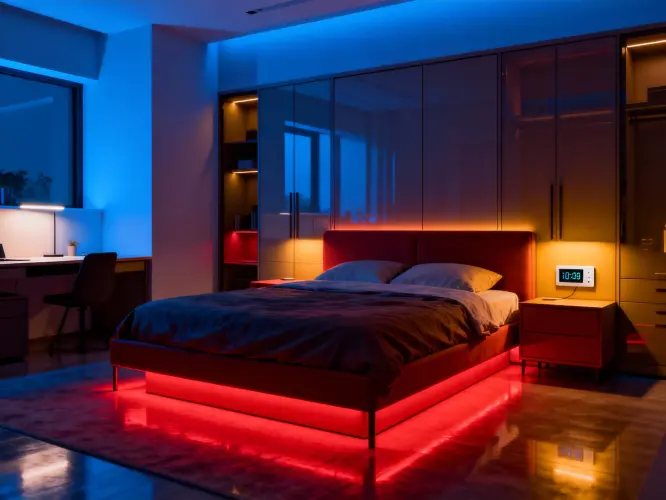
Practical strategies for circadian-friendly night lighting
結論
When comparing amber vs red vs warm white light at night, the evidence is clear: red light offers the least circadian disruption, amber provides a balanced alternative, and warm white should be used cautiously after dark. Thoughtful spectral selection, combined with appropriate brightness control, can significantly improve sleep quality and night-time comfort in both residential and commercial settings.
If you are designing, specifying, or sourcing night-time lighting solutions for residential, hospitality, or healthcare projects, reviewing spectral data—not just color temperature—is essential.
Consider evaluating your current lighting against circadian-friendly criteria, testing low-blue alternatives in key spaces, or consulting with lighting suppliers who provide verified spectral performance data rather than generic “warm light” claims.
Making informed lighting choices at night is a small design decision with long-term human impact.
脚注