Are GU10 LED Bulbs Dimmable? Compatibility, Flicker & Dimmer Guide
Last updated on March 4, 2026
GU10 LED bulbs are widely used in residential, retail, hospitality, and commercial lighting. Many users ask the same question when upgrading from halogen lighting:
As lâmpadas LED GU10 são dimmeráveis?
The answer is yes—but only if the lamp, driver, and dimmer are compatible.
Unlike traditional halogen lamps, LED bulbs rely on electronic drivers to regulate current. This means dimming performance depends not only on the bulb itself, but also on the type of dimmer, electrical load, and installation environment.
In this guide, we explain how dimmable GU10 LED bulbs work, how to choose the right product, and how to avoid common dimming issues such as flicker, buzzing, or unstable brightness.
What Are GU10 LED Bulbs?
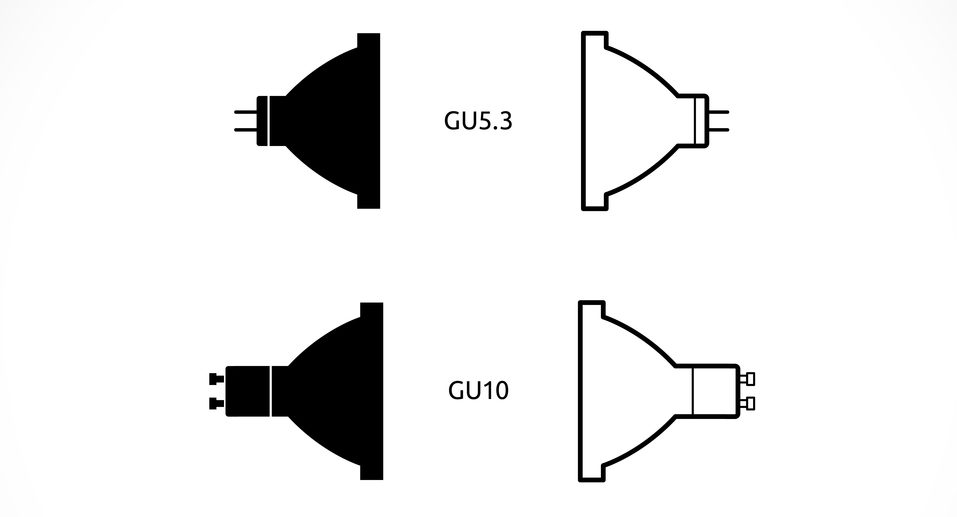
GU10 LED bulbs are directional spotlight lamps designed for accent and task lighting. The GU10 base features a twist-and-lock connection with two pins spaced 10 mm apart, allowing quick installation in compatible fixtures.
Compared with traditional halogen GU10 lamps, LED versions offer several advantages:
- Lower power consumption
- Longer operating life
- Reduced heat output
- More consistent color performance
Typical GU10 LED bulbs operate between 3W and 7W, while producing brightness comparable to 35W–75W halogen spotlights, depending on optical design and efficiency.
Todas as Lâmpadas LED GU10 São Dimmeráveis?
Não. Not all GU10 LED bulbs support dimming.
A GU10 lamp can only dim smoothly when it includes a dimmable driver circuit designed to interpret signals from compatible dimmers.
Attempting to dim a non-dimmable LED bulb can cause:
- Flickering light output
- Audible buzzing
- Driver overheating
- Shortened lifespan
- Immediate lamp failure
When selecting GU10 lamps, always confirm that the packaging or product datasheet clearly states “regulável”.
For a deeper explanation of how LED dimming systems work, see:
[LED Dimming Explained: Compatibility, Flicker Issues & Dimmer Types]
Why Choose Dimmable GU10 LED Bulbs?
Dimmable GU10 LEDs provide much greater control over lighting environments.
Instead of operating at full brightness all the time, dimming allows lighting to be adjusted based on the needs of the space.
Common advantages include:
Flexible lighting atmosphere
Adjust brightness for relaxation, dining, retail displays, or workspaces.
Reduced energy consumption
Lower brightness levels reduce electrical power consumption.
Longer lamp lifespan
Reduced operating temperature and electrical stress can extend component life.
Improved visual comfort
Lower brightness levels reduce glare and eye fatigue.
In commercial projects such as hotels and restaurants, dimming is often essential for creating layered lighting scenes.
Key Features of Dimmable GU10 LED Bulbs
Dimmable GU10 LEDs offer multiple specification options that influence lighting performance.
Typical Specifications
| Caraterística | Typical Range |
|---|---|
| Potência | 3W – 7W |
| Halogen Equivalent | 35W – 75W |
| Brilho | 250 – 700 lumens |
| Temperatura de Cor | 2700K – 6500K |
| Ângulo do feixe | 15° – 60° |
| Tempo de vida | Up to 40,000 hours |
Color Temperature Options
- 2700K–3000K: Warm residential lighting
- 3500K–4000K: Neutral retail or office lighting
- 5000K–6500K: Bright task lighting or commercial environments
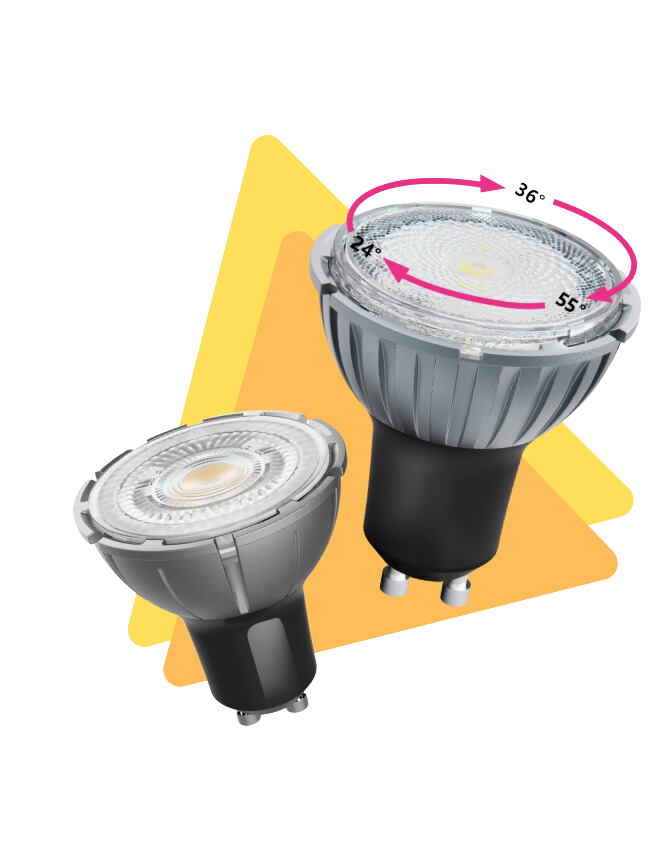
Beam Angle Selection
| Ângulo do feixe | Aplicação |
|---|---|
| 15°–24° | Iluminação de destaque |
| 36° | General spotlighting |
| 60° | Wide ambient lighting |
Choosing the correct beam angle ensures proper light distribution without hotspots.
GU10 LED Dimmer Compatibility
One of the most important factors in dimming performance is dimmer compatibility.
Most GU10 dimming issues are caused by mismatched dimmers rather than defective lamps.
Common Dimmer Types
| Tipo de Dimerizador | Compatibilidade | Notas |
|---|---|---|
| Trailing Edge | Best | Designed for electronic loads |
| Leading Edge | Moderado | May cause flicker |
| TRIAC | Common | Works with compatible drivers |
| Smart Dimmer | Depends | Requires system compatibility |
Trailing-edge dimmers generally provide smoother dimming curves and lower electrical noise for LED lighting.
For a detailed technical explanation, see:
[Leading Edge vs Trailing Edge Dimming Explained]
Why GU10 LED Bulbs Flicker on Dimmers
Flicker is one of the most common issues in LED dimming systems.
Typical causes include:
Dimmer incompatível
Older dimmers designed for incandescent loads often perform poorly with LEDs.
Minimum load not met
Many dimmers require a minimum electrical load to function correctly.
Driver limitations
Low-quality drivers may not properly interpret phase-cut waveforms.
Mixed lamp models
Using different LED lamps on the same circuit can cause unstable behavior.
For a deeper technical explanation of flicker mechanisms, see:
[Why Do LED Lights Flicker and How to Stop It]
Installation Tips for Dimmable GU10 LEDs
Correct installation improves both performance and lifespan.
Turn off power before installation
Always switch off the circuit breaker before replacing lamps.
Use compatible dimmers
Choose LED-rated dimmers whenever possible.
Check total load
Ensure the total wattage on the dimmer falls within its operating range.
Install correctly
Push the GU10 bulb into the socket and twist to lock it in place.
Choosing the Right Dimmable GU10 LED Bulb
Selecting the correct lamp requires evaluating several technical parameters.
Brightness (Lumens)
Always compare lamps by lumens rather than wattage.
Color Rendering Index (CRI)
- CRI 80+ for general lighting
- CRI 90+ for retail, hospitality, and display lighting
Ângulo do feixe
Match beam angle to ceiling height and fixture spacing.
Dimmer Compatibility
Confirm compatibility with the dimmers used in the project.
Thermal Design
Well-designed heat management improves reliability and lifespan.
For comparison between GU10 and other spotlight formats, see:
[MR16 vs GU10 LED Bulbs: A Comprehensive Comparison]
GU10 LED Lighting in Commercial Applications
Dimmable GU10 LEDs are widely used in commercial environments.
Iluminação para hotelaria
Hotels use GU10 dimming to create comfortable nighttime atmospheres.
Retail display lighting
Spotlights highlight products while allowing brightness adjustment.
Iluminação residencial
Living rooms, kitchens, and bedrooms benefit from adjustable lighting scenes.
Museums and galleries
Precise dimming helps protect sensitive materials while maintaining visibility.
These applications require stable dimming performance and consistent color quality.
FAQ: Dimmable GU10 LED Bulbs
As lâmpadas LED GU10 são dimmeráveis?
Some GU10 LED bulbs are dimmable, but not all. Always verify that the product specifically states dimming compatibility.
Why do GU10 LED bulbs flicker on dimmers?
Flicker typically occurs when the dimmer is incompatible with the LED driver or when the minimum load requirement is not met.
What dimmer works best with GU10 LEDs?
Trailing-edge dimmers generally provide the most stable dimming performance.
Can GU10 LEDs replace halogen GU10 lamps?
Yes. Most GU10 LED bulbs are designed as direct replacements for halogen lamps while consuming significantly less power.
Conclusão
Dimmable GU10 LED bulbs provide an efficient and flexible lighting solution for both residential and commercial environments.
However, stable dimming performance depends on correct compatibility between the lamp, driver, and dimmer. By selecting the right bulb specifications and ensuring proper installation, GU10 LEDs can deliver reliable, flicker-free lighting with long service life.
For more guidance on LED dimming technology and compatibility, explore our complete dimming guide:
[LED Dimming Explained: Compatibility, Flicker Issues & Dimmer Types]