Dimmable LED Bulb Noise: Causes of Buzzing, Humming and Safer Fixes
Updated: September 10, 2026
Dimmable LED bulb noise is usually a compatibility and driver-design problem, not just a sound problem. Buzzing, humming or whining can come from dimmer waveform chopping, low-load instability, magnetic vibration, capacitor noise or poor thermal design. For B2B replacement projects, confirm the dimmer model, lamp base, voltage, wattage range and low-end dimming behavior before approving samples.
| Noise symptom | Common cause | Safer action |
|---|---|---|
| Buzzing at low brightness | Dimmer and LED driver mismatch | Test a trailing-edge compatible dimmable lamp |
| Humming from the fixture | Transformer or load-range instability | Check minimum load and 12V driver compatibility |
| High-pitch whining | Driver component vibration | Compare samples under the real dimmer and fixture |
For distributors and project buyers, the practical target is quiet operation across the required dimming range, not only whether the package says dimmable.
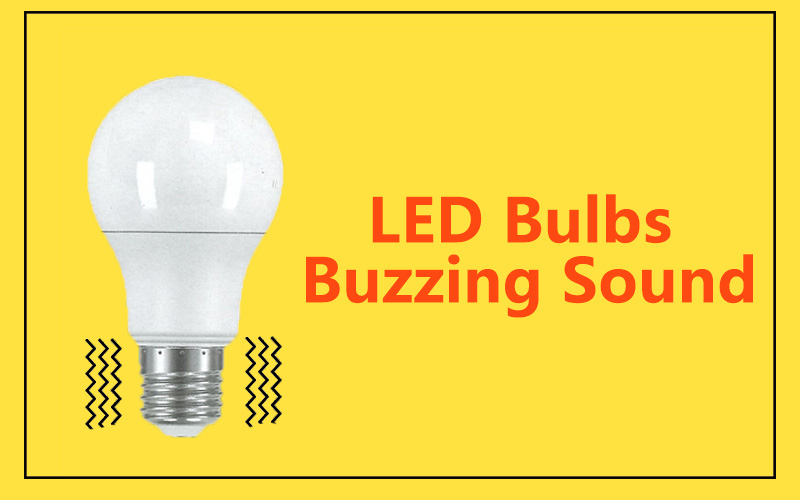
Instala lâmpadas LED dimmáveis para conforto, mas em vez de iluminação silenciosa, ouve um zumbido ou assobio. Este ruído pode ser perturbador numa casa ou escritório calmo.
As lâmpadas LED dimmeráveis produzem ruído porque suas partes eletrónicas vibram quando alimentadas por corrente alternada ou emparelhadas com dimmers incompatíveis. Essas vibrações criam zumbidos, murmúrios ou gemidos dentro das frequências audíveis.
O barulho nem sempre significa perigo, mas afeta o conforto e a qualidade. Deixe-me explicar por que acontece e como geri-lo.
Por que uma lâmpada dimmerável faz barulho?
Quando baixa o brilho, ouve um zumbido que aumenta à medida que a luz escurece? Muitas pessoas notam isto.
Uma lâmpada dimmer faz barulho porque a corrente alternada é cortada por um dimmer, fazendo com que os indutores, condensadores ou drivers no interior da lâmpada vibrem.
Aprofundar: A Física por Trás do Barulho
O barulho existe em quase todos os dispositivos elétricos. Nas lâmpadas LED, provém de fontes de alimentação comutadas. Estes circuitos utilizam indutores e condensadores para converter CA em CC. Durante a comutação, os núcleos magnéticos expandem e contraem ligeiramente. Esta vibração pode cair na gama de 20Hz–20kHz, que é audível para os humanos.
As causas principais incluem:
- Design do driver: Circuitos de baixa qualidade não conseguem suprimir a vibração.
- Frequência de ressonância: Quando a frequência interna se sobrepõe à gama audível.
- Incompatibilidade do dimmer: Os dimmers antigos cortam a onda de forma muito brusca, estressando os componentes.
| Causa do Barulho | Por que Acontece | Corrigir |
|---|---|---|
| Frequência de ressonância | Sobreposição com a audição humana (20Hz–20kHz) | Empurre a frequência acima de 20kHz |
| Dimmer incompatível | Cortes bruscos de corrente estressam o driver | Use um dimmer LED de borda de descida |
| Design mecânico fraco | Carcaça fina amplifica a vibração | Adicionar silicone ou espuma para absorver o som |
Os engenheiros tentam projetar circuitos que evitem frequências audíveis. Se não conseguirem, usam almofadas de silicone, esponjas ou áreas de superfície maiores para absorver vibração.
Por que é que as minhas luzes LED estão a fazer barulho?

Liga as suas luzes LED e ouve um zumbido ou ronco. Porquê?
As luzes LED fazem barulho quando as peças eletrónicas no seu interior vibram devido à ondulação da corrente alternada ou quando são utilizadas com interruptores dimmer incompatíveis.
Mergulhe mais fundo: Fontes comuns de ruído
- Corrente de ondulação CA – A corrente residual após a conversão sacode o driver.
- Carcaça solta – Por vezes, o suporte da lâmpada ou o candeeiro vibra.
- Circuitos sobrecarregados – Demasiados LEDs num único dimmer aumentam o stress.
- Ressonância do driver – Os circuitos de comutação operam em faixas audíveis.
Alguns dimmers, especialmente Dimmers PWM com baixas frequências (cerca de 2kHz), também geram ruído. Esta baixa frequência pode fazer vibrar os condensadores cerâmicos (MLCC). Ajustar a frequência de dimming para 8kHz ou superior reduz tanto o ruído como as métricas de cintilação (SVM, PstLM).
As a designer, I know not all noise comes from the bulb. Triac-based leading-edge dimmers are also noise sources due to their simple circuits. Replacing them with trailing-edge dimmers often solves the problem.
How to stop dimmer lights from buzzing?
A buzzing light can ruin a relaxing atmosphere. Can you stop it? Yes.
You can stop buzzing by using LED-compatible trailing-edge dimmers, choosing high-quality bulbs, and adjusting dimming frequencies above 8kHz.
Dive Deeper: Practical Fixes
1. Replace Old Dimmers
Leading-edge dimmers cause sharp current cuts. Trailing-edge dimmers deliver smoother signals, reducing both flicker and sound.
2. Use Certified Bulbs
High-quality bulbs include buffering materials to suppress vibration. They are also tested under standards such as Energy Star (≤30dB at 1m).
3. Adjust PWM Frequency
Low PWM dimming frequencies create noise. Raising the frequency above 8kHz avoids both audible buzzing and visual flicker.
4. Spread Load Across Circuits
Too many LEDs on one dimmer increase stress. Splitting the load reduces vibration.
| Fix Method | Difficulty | Cost Impact | Effectiveness |
|---|---|---|---|
| Replace with trailing-edge dimmer | Baixo | Médio | Alta |
| Buy certified bulbs | Baixo | Médio | Alta |
| Adjust PWM frequency | Médio | Baixo | Alta |
| Split load per circuit | Médio | Baixo | Médio |
Why is my LED power supply making a buzzing sound?

Sometimes the bulb itself is quiet, but the external driver hums.
An LED power supply buzzes because its transformer or inductor vibrates during AC-to-DC conversion, especially when frequency falls in the audible range.
Dive Deeper: Inside the Driver
The driver regulates current. Coils, capacitors, and switching chips can all vibrate. If switching frequency is too low, or filtering is weak, buzzing happens.
Typical Causes:
- Magnetic core expansion inside inductors.
- Loose coil windings acting like tiny speakers.
- Poor ripple filtering leaving unstable signals.
Design Solutions:
- Increase switching frequency above 20kHz.
- Encapsulate coils in resin or silicone.
- Strengthen housing to reduce resonance.
If your power supply buzzes loudly, it may be overloaded or poorly designed. Replacing it with a quality, quiet driver usually solves the issue.
Why does my LED make a whining sound?
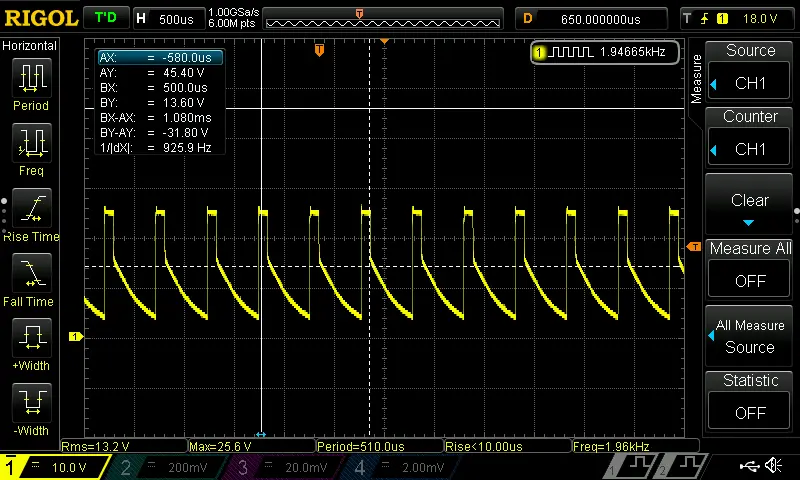
Sometimes the sound is not buzzing, but a sharp high-pitched whine.
An LED whines when its driver runs near 15–20kHz, which is close to human hearing limits.
Dive Deeper: Whining Explained
Unlike buzzing (low-frequency), whining is thin and sharp. It usually comes from:
- Switching frequency overlap – Driver runs near hearing range.
- Thin casings – The bulb body amplifies high-pitched vibrations.
- Small MLCC capacitors – Ceramic capacitors vibrate at certain dimming frequencies.
Buzzing vs Whining vs Humming
| Noise Type | Frequency Range | Source | Fix Recommendation |
|---|---|---|---|
| Zumbido | 100Hz – 5kHz | Ripple, poor dimmer | Use trailing-edge dimmers |
| Humming | 50Hz – 200Hz | Transformer vibration | Replace driver, tighten components |
| Whining | 15kHz – 20kHz | Driver switching, MLCC caps | Adjust PWM >8kHz, use quality bulbs |
If your LED makes a whining sound, the best fix is to upgrade to bulbs with well-designed drivers and pair them with modern dimmers.
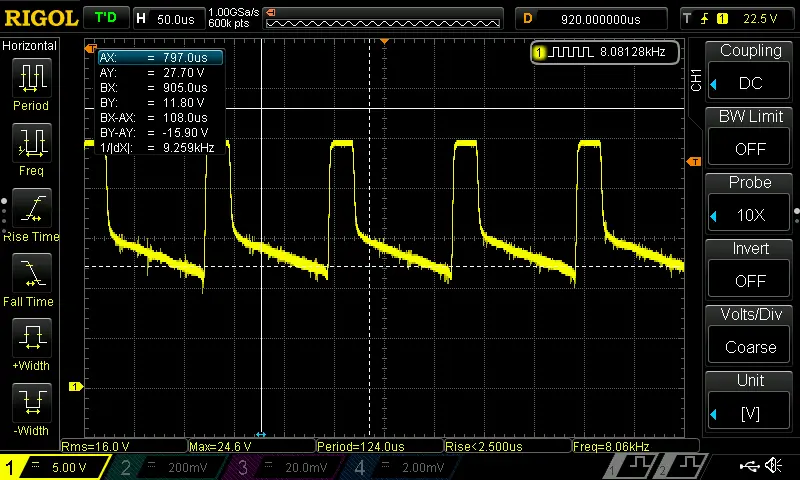
Conclusão
LED noise comes from vibration in drivers, capacitors, inductors, and sometimes dimmers. By using quality bulbs, trailing-edge dimmers, and correct design, buzzing and whining can be reduced below 30dB at 1m, keeping lighting both silent and comfortable.
Why I Trust Teco for Quiet LED Lighting
In my own projects, I found that not all LED suppliers take acoustic comfort seriously. Many low-cost bulbs save money on drivers, which leads to noise and flicker. At Teco, we manufacture dimmable LED spotlights with strict quality control. Our designs avoid resonance in the 20Hz–20kHz range, and we use silicone damping and advanced circuit design to minimize noise.
Because we run four production lines in China, we can supply bulk orders to large buyers while keeping consistent quality. We also provide custom logo service and rare styles that help our clients stand out in competitive markets in Europe, Saudi Arabia, UAE, USA, and Southeast Asia.
If you are a buyer like William, who cares about both quality and price, working with a factory like ours ensures that you avoid delays, unstable products, or fake certificates. You get certified, reliable, and silent LED lighting that your customers will trust.