Я часто задумываюсь о влиянии диммирования моих светодиодных ламп на их срок службы. Это распространённый выбор для многих из нас, стремящихся к энергоэффективности и созданию атмосферы в наших домах. Но действительно ли частое диммирование изнашивает их быстрее?
Частое затемнение светодиодных ламп, как правило, продлевает их срок службы, так как снижает тепловую нагрузку. Однако такие факторы, как качество драйверов светодиодов и частота циклов включения/выключения, также играют значительную роль в определении долговечности.
Хотя обнадеживает тот факт, что затемнение действительно может принести пользу светодиодным лампам, снижая износ, другие аспекты, такие как частота циклов и качество драйвера, также имеют решающее значение. Давайте подробно рассмотрим эти факторы, чтобы оптимизировать вашу систему освещения.
[claim claim=”Частое диммирование сокращает срок службы светодиодных ламп.” istrue=”false” explanation=”Диммирование, как правило, продлевает срок службы светодиодов, снижая термическое напряжение.”]
Как тепловое напряжение влияет на срок службы светодиодов?
Термическое напряжение — это важный фактор, влияющий на срок службы светодиодных ламп. Понимание его механизма может помочь оптимизировать их работу.
Тепловая нагрузка существенно влияет на срок службы светодиодов, вызывая со временем деградацию материалов. Эффективное управление теплом с помощью качественных компонентов и правильной конструкции необходимо для продления их срока службы.
Основы теплового напряжения
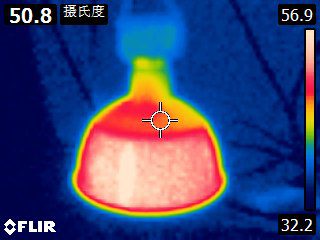
Термическое напряжение возникает при значительном изменении температуры, влияющем на физические свойства материала. Для светодиодов, являющихся полупроводниками, постоянное воздействие высоких температур может привести к раннему выходу из строя из-за деградации материала и снижения эффективности.
Светодиоды выделяют тепло как побочный продукт излучения света. Если это тепло не эффективно отводится, оно может накапливаться и вызывать ухудшение компонентов. Это тепловой менеджмент1 имеет решающее значение для поддержания производительности светодиодов с течением времени.
Почему тепло является серьёзной проблемой
Хотя светодиоды, как правило, более эффективны, чем традиционные лампы, они также более чувствительны к теплу. Чрезмерное тепловое напряжение может привести к таким проблемам, как:
- Снижение световой отдачи (яркости)
- Смещение цвета или изменения в световом потоке
- Физическое повреждение компонентов светодиода
Ниже представлена таблица, иллюстрирующая взаимосвязь между температурой и сроком службы светодиодов:
| Температура светодиода Tj (°C) | Ожидаемый срок службы (часы) |
|---|---|
| 75 | 50,000 |
| 85 | 40,000 |
| 95 | 30,000 |
Снижение термического напряжения
Ключ к снижению теплового напряжения заключается в эффективных стратегиях рассеивания тепла:
- Радиаторы: Используйте материалы с высокой теплопроводностью для отвода тепла от светодиода.
- Улучшенный дизайн корпуса: Убедитесь, что корпус лампы обеспечивает достаточный воздушный поток для рассеивания тепла.
- Качественные компоненты: Инвестируйте в высококачественные драйверы светодиодов, способные выдерживать температурные колебания.
Уделяя внимание этим аспектам, пользователи могут значительно продлить срок службы своих светодиодных ламп.
Практическое применение и соображения
На практике контроль температуры окружающей среды, в которой используются светодиоды, также может играть роль в снижении термического напряжения. Например, использование светодиодов2 в более прохладной среде или использование дополнительных систем охлаждения может помочь поддерживать оптимальные рабочие условия.
Кроме того, понимание конкретных требований каждой светодиодной установки имеет жизненно важное значение. Индивидуальные решения, основанные на применении — будь то в жилом освещении или промышленных условиях — могут быть адаптированы для эффективного управления тепловыделением.
[claim claim=”Термическое напряжение вызывает деградацию материала светодиодов.” istrue=”true” explanation=”Термическое напряжение приводит к деградации материала, сокращая срок службы светодиодов.”]
[claim claim=”Светодиоды менее чувствительны к теплу, чем традиционные лампы.” istrue=”false” explanation=”Светодиоды более чувствительны к теплу, что влияет на их производительность и срок службы.”]
Какую роль играют драйверы светодиодов в долговечности?
Драйверы светодиодов являются важными компонентами, влияющими на срок службы светодиодных ламп, но как именно они способствуют долговечности?
Драйверы светодиодов жизненно важны для долговечности светодиодных ламп, обеспечивая стабильное питание и минимизируя нагрузку на компоненты.
Понимание драйверов светодиодов
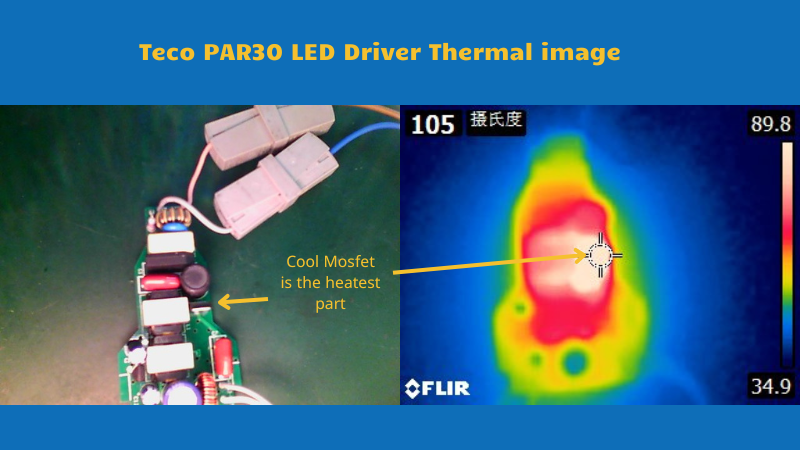
Драйверы светодиодов выступают в роли электрических регуляторов, управляющих потоком питания к светодиодным лампам. Они преобразуют высоковольтный переменный ток от источника питания в низковольтный постоянный ток, подходящий для светодиодов. Этот процесс преобразования необходим, поскольку светодиоды предназначены для работы на определённом уровне тока и напряжения. Без эффективного драйвера светодиоды могут получать нестабильное питание, что приводит к преждевременному выходу из строя.
Важность качества драйвера
Качество драйвера светодиода существенно влияет на срок службы лампы. Высококачественные драйверы обеспечивают стабильный и постоянный ток, снижая тепловую нагрузку на светодиоды. Когда светодиод работает в стабильных условиях, его компоненты подвергаются меньшему износу, тем самым продлевая срок его службы. И наоборот, некачественные драйверы могут привести к колебаниям в питании, увеличивая риск перегорания.
Влияние на производительность диммирования
Диммируемые светодиодные системы в значительной степени зависят от способности драйвера обрабатывать различные уровни тока. Хороший драйвер плавно адаптируется к этим изменениям, не вызывая мерцания или шума, которые со временем могут ухудшить состояние светодиода. Неадекватные драйверы могут испытывать трудности с диммированием, вызывая неравномерное освещение и потенциально сокращая срок службы светодиода.
Роль в управлении температурой
Drivers also contribute to managing the thermal output of LEDs. Excess heat is a primary factor in reducing LED lifespan. Efficient drivers help dissipate heat effectively, maintaining optimal operating temperatures and preventing damage to LED components. This thermal regulation is crucial in prolonging the life of the bulb.
Evaluating Different Driver Types
There are various types of LED drivers, including constant current and constant voltage drivers. Constant current drivers are preferred for most applications as they maintain a steady current output regardless of changes in voltage, which is crucial for maintaining longevity. However, the choice between these types depends on specific application needs and compatibility with the LED system.
In summary, choosing high-quality LED drivers3 is paramount for ensuring the longevity of your LED bulbs. They not only provide necessary electrical regulation but also enhance dimming capabilities and thermal management, all of which contribute to extending the life of your lighting systems.
[claim claim=”LED drivers convert AC to DC current for LEDs.” istrue=”true” explanation=”LED drivers convert high voltage AC to low voltage DC suitable for LEDs.”]
[claim claim=”Poor-quality drivers increase LED lifespan.” istrue=”false” explanation=”Poor-quality drivers cause power fluctuations, reducing LED lifespan.”]
Are Frequent On/Off Cycles Detrimental to LEDs?
Frequent on/off cycles are common in daily use, but how do they affect the lifespan of LED bulbs?
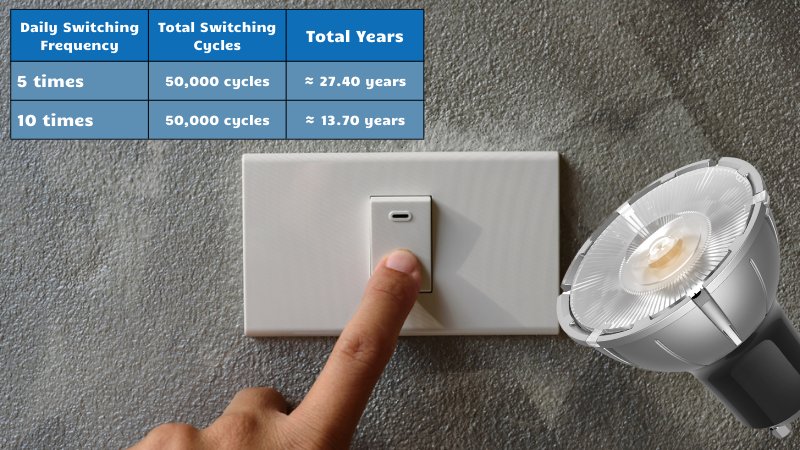
Frequent on/off cycles can negatively impact LED longevity by causing thermal stress and affecting the drivers. However, high-quality LED drivers can mitigate these effects, ensuring that the bulbs last longer despite frequent cycling.
Understanding Thermal Stress and Its Impact
LEDs generate heat during operation, which can lead to thermal stress4 if the bulbs are switched on and off frequently. This stress results from rapid temperature changes that occur each time the bulb is cycled. While LEDs are generally more resilient to thermal stress compared to traditional incandescent bulbs, excessive cycling can still shorten their lifespan.
For instance, consider a workspace where lights are frequently turned on and off throughout the day. Each cycle subjects the LEDs to a quick change in temperature, potentially leading to microcracks or degradation in the bulb’s components over time. This constant thermal expansion and contraction can wear down the materials used in LEDs, reducing their effective life.
The Role of LED Drivers in Managing Cycles
The LED driver is crucial in regulating power supply to the bulb, ensuring it operates efficiently. High-quality drivers can handle frequent on/off cycles better than lower-quality alternatives.
A robust driver will manage the electrical load smoothly, reducing the strain on the LED components during cycling. In contrast, a subpar driver might allow voltage spikes or drops when the bulb is turned on or off, which can exacerbate wear and tear.
Balancing Energy Efficiency with Longevity
While it’s tempting to turn off lights to save energy, it’s important to balance this with potential impacts on bulb longevity. In environments where frequent cycling is unavoidable, investing in LED bulbs with superior drivers can help mitigate potential damage.
For homeowners or businesses looking to optimize their lighting setup, understanding these dynamics is crucial. Implementing smart lighting systems that gradually adjust brightness rather than abrupt cycling can also be an effective strategy for prolonging LED lifespan.
[claim claim=”Frequent cycling shortens LED lifespan due to thermal stress.” istrue=”true” explanation=”Thermal stress from frequent on/off cycles can degrade LED components.”]
[claim claim=”High-quality LED drivers don’t affect bulb longevity during cycles.” istrue=”false” explanation=”High-quality drivers reduce damage from cycling but can’t eliminate it.”]
Can Dimmed LEDs Save More Energy?
Explore how dimming LED bulbs can lead to significant energy savings.
Dimmed LEDs consume less power by reducing their light output, leading to substantial energy savings. This simple yet effective method not only lowers electricity bills but also contributes to a sustainable environment. However, the exact savings depend on several factors, including the type of LED and its usage patterns.

Understanding LED Dimming
When you dim an LED bulb, you essentially reduce the power it consumes. Unlike incandescent bulbs, which waste a lot of energy as heat, LEDs are designed to be more efficient. When dimmed, LEDs decrease their light output by lowering the current flowing through them. This results in less energy consumption and subsequently lower electricity bills.
The Mechanics Behind Energy Savings
To truly grasp how dimming saves energy, consider the basic principle: power consumption is directly proportional to light output. For instance, if you dim your LED to 50% of its maximum brightness, it typically uses about 50% of the energy compared to when it is fully lit. This linear relationship is key to understanding how dimming can lead to energy efficiency.
| Brightness Level | Потребление энергии |
|---|---|
| 100% | 100% |
| 75% | 75% |
| 50% | 50% |
| 25% | 25% |
Factors Influencing Energy Savings
However, not all LEDs are created equal. The quality of the LED driver significantly affects energy savings. High-quality drivers ensure that the bulb dims smoothly without flickering or losing efficiency. Additionally, the environment in which the LED is used also plays a role. For example, dimming lights in areas that don’t require full brightness, such as hallways or during nighttime, maximizes savings.
Environmental and Economic Benefits
Dimming LEDs contributes not only to economic savings but also environmental benefits. Reduced energy consumption lowers carbon footprints and supports sustainable energy practices. Households and businesses can significantly cut their electricity expenses by integrating dimmable LEDs into their lighting systems.
Ultimately, while dimming provides immediate benefits in terms of reduced power consumption and costs, it’s essential to consider the quality and suitability of the LED for your specific needs to fully capitalize on these advantages. To explore more about these benefits, check out our section on The Role of LED Drivers5 in ensuring efficiency and longevity.
[claim claim=”Dimming LEDs to 50% saves 50% energy.” istrue=”true” explanation=”LEDs consume less power when dimmed, directly reducing energy use.”]
[claim claim=”All LED drivers ensure smooth dimming.” istrue=”false” explanation=”Only high-quality drivers provide efficient, flicker-free dimming.”]
Заключение
By understanding how dimming impacts LED lifespan, I can make smarter choices about my lighting that not only enhance my home environment but also save energy.
Explore techniques for optimizing LED performance through effective heat management.: The first solution may be to select an enclosure with a material composition rated for high thermal conductivity. If enough heat can escape though the enclosure … ↩
Learn how environmental control can extend LED bulb lifespan.: However, LED lights are designed to work much better in colder temperatures compared to traditional lighting. You can use these luminaires in cold storage … ↩
Learn how to select efficient LED drivers for better bulb longevity.: It is important to know your LED’s specs so you know the recommended drive currents and heat sink requirements so you don’t burn the LED out … ↩
Learn how thermal stress affects LED longevity and how to minimize it.: Inefficient drivers generate extra heat, compounding overall thermal stress on LED components and potentially reducing the device’s lifespan. ↩
Discover how LED drivers enhance energy savings and bulb longevity.: LED drivers’ ability to deliver precise power to LEDs significantly reduces energy consumption compared to traditional lighting technologies. LEDs consume up to … ↩