Última actualización: 17 de marzo de 2026
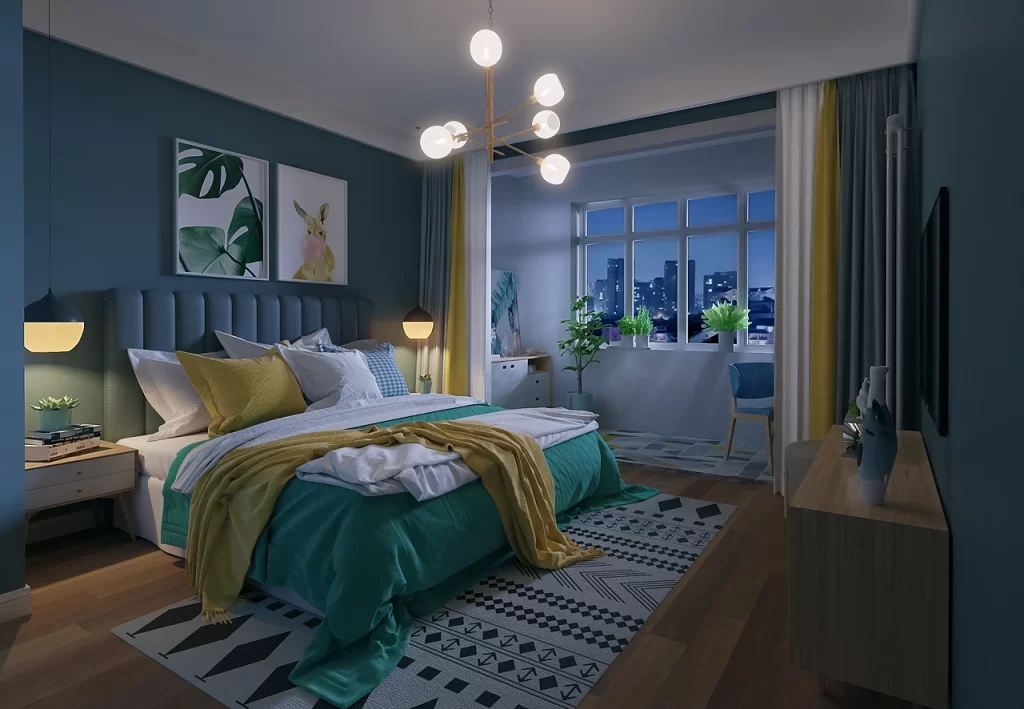
Iluminación moderna para dormitorio con luminarias LED regulables
Introducción
La atenuación LED se ha convertido en un requisito estándar en los sistemas de iluminación modernos. Desde hogares residenciales hasta entornos de hostelería, espacios minoristas y oficinas comerciales, la iluminación LED regulable permite a los usuarios controlar los niveles de brillo, crear escenas de iluminación flexibles y mejorar la eficiencia energética.
Sin embargo, la regulación LED funciona de manera diferente a la iluminación incandescente o halógena tradicional. Debido a que los LED dependen de controladores electrónicos para regular la corriente, la compatibilidad entre el controlador LED y el interruptor regulador es esencial.
En muchas instalaciones, ocurren problemas como parpadeo, zumbido o brillo inestable debido a tecnologías de atenuación incompatibles.
Esta guía explica cómo funciona la atenuación LED, las principales tecnologías de atenuación utilizadas en sistemas de iluminación modernos y cómo garantizar la compatibilidad en proyectos de iluminación residencial y comercial.
Elegir el sistema de regulación adecuado es fundamental para evitar parpadeos, garantizar compatibilidad y lograr un rendimiento de iluminación estable.
Para lectores que buscan específicamente lámparas, consulte nuestra guía de bombillas LED regulables.
Guía rápida: Cómo elegir el sistema de regulación LED adecuado
Antes de explorar cada tecnología de regulación en detalle, aquí hay una guía de selección rápida:
• TRIAC (corte de fase): ideal para proyectos de renovación residencial
• PWM: ideal para un rendimiento de atenuación estable y preciso
• 0–10V: ideal para sistemas de iluminación comercial
• DALI: mejor para edificios inteligentes y control avanzado
Seleccionar el sistema de atenuación correcto ayuda a evitar problemas de compatibilidad y garantiza un rendimiento suave y sin parpadeos.
¿Qué es la atenuación LED?
La atenuación LED se refiere a la capacidad de ajustar el brillo de los accesorios de iluminación LED controlando la corriente eléctrica suministrada al controlador LED.
A diferencia de las lámparas incandescentes, que se atenúan naturalmente a medida que disminuye el voltaje, los chips LED requieren un suministro de corriente constante. El controlador LED interpreta las señales de atenuación y ajusta la salida de corriente para regular el brillo.
Este proceso permite a los sistemas de iluminación LED lograr:
- niveles de luz ajustables
- eficiencia energética mejorada
- escenas de iluminación personalizables
- confort visual mejorado
La regulación LED se utiliza ampliamente en iluminación residencial, iluminación comercial, entornos hoteleros y diseño de iluminación arquitectónica.
Cómo funciona la atenuación LED

Ejemplo de instalación de foco LED regulable
La regulación LED depende de controladores electrónicos que controlan la corriente eléctrica que fluye a través de los chips LED.
Cuando un regulador envía una señal de control, el controlador LED ajusta la corriente suministrada a los LED, lo que cambia la salida de brillo.
Se utilizan comúnmente dos principios principales:
Atenuación por Corte de Fase
La atenuación por corte de fase modifica la forma de onda de CA para reducir la cantidad de energía eléctrica suministrada al controlador LED.
Existen dos métodos comunes de corte de fase:
- Atenuación de borde principal (TRIAC)
- Regulación de borde posterior
Los reguladores de borde posterior suelen ser más compatibles con la iluminación LED porque están diseñados para cargas electrónicas.
👉 Para una comparación detallada, consulte:
https://tecolite.com/triac-dimming-vs-0-10v-dimming-key-differences-compatibility-applications/
Modulación por Ancho de Pulso (PWM)
La atenuación PWM funciona encendiendo y apagando rápidamente el LED a alta frecuencia. La proporción entre el tiempo “encendido” y “apagado” determina el brillo percibido.
Debido a que el cambio ocurre a alta frecuencia, el ojo humano percibe un cambio de brillo suave.
La atenuación PWM se utiliza ampliamente en sistemas de iluminación inteligente y controles de iluminación profesional.
👉 Guía relacionada:
https://tecolite.com/pwm-frequency-led-flicker/
Tipos de sistemas de regulación LED
Diferentes instalaciones de iluminación utilizan diferentes tecnologías de atenuación según los requisitos de la aplicación.
| Tecnología de Atenuación | Aplicación Típica | Método de Control |
|---|---|---|
| TRIAC / Corte de Fase | Iluminación residencial | Control de forma de onda CA |
| PWM | Smart lighting systems | High-frequency switching |
| Atenuación 0–10V | Commercial buildings | Analog control signal |
| DALI | Smart commercial lighting | Digital control network |
Each dimming system has different advantages depending on application, control requirements, and driver compatibility.
TRIAC Dimming
TRIAC dimming is commonly used in residential lighting systems. It works by cutting part of the AC waveform to reduce the electrical energy delivered to the LED driver.
Although widely used, TRIAC dimming can sometimes cause flicker if the LED driver is not compatible with the dimmer.
Regulación PWM
PWM dimming is often used in LED drivers and smart lighting systems. Because it maintains constant current during each pulse cycle, it can provide very stable brightness control.
Atenuación 0–10V
0–10V dimming is widely used in commercial lighting installations. A low-voltage control signal determines brightness levels, allowing centralized lighting control.
This technology is common in:
- office lighting
- tiendas minoristas
- warehouses
- commercial buildings
DALI Dimming
DALI (Digital Addressable Lighting Interface) is a digital lighting control protocol used in advanced lighting systems.
DALI systems allow each fixture to be individually controlled and integrated with building automation systems.
Explicación de la compatibilidad del regulador
Dimmer compatibility is one of the most important factors affecting LED dimming performance.
Using an incompatible dimmer may result in:
- parpadeo
- buzzing noise
- unstable brightness
- rango de atenuación limitado
| Tipo de atenuador | Compatibilidad LED | Uso típico |
|---|---|---|
| Leading-edge (TRIAC) dimmer | Medio | Sistemas residenciales antiguos |
| Trailing-edge dimmer | Alta | Modern LED installations |
| Atenuación 0–10V | Alta | Iluminación comercial |
| DALI control | Muy alta | Edificios inteligentes |
To avoid compatibility problems, dimmers designed specifically for LED loads should be used.
Common LED Dimming Problems
Although dimmable LED lighting is widely used, improper installation can lead to several common issues.
| Problema | Causa | Solution |
|---|---|---|
| Parpadeo | atenuador incompatible | reemplazar con atenuador compatible con LED |
| Ruido de zumbido | electrical vibration in dimmer | utilizar atenuador de borde posterior |
| Rango de regulación limitado | limitaciones del driver | utilizar drivers LED de alta calidad |
| Luces que no se atenúan | non-dimmable lamps installed | install dimmable LED bulbs |
👉 For detailed troubleshooting, see:
https://tecolite.com/led-gu10-bulb-flickering/
Choosing the Right Dimming System
Selecting the correct dimming system depends on the lighting application, control requirements, and system compatibility.
| Aplicación | Recommended Dimming Technology |
|---|---|
| Iluminación residencial | TRIAC or trailing-edge dimming |
| Retail lighting | Atenuación 0–10V |
| Hospitality lighting | TRIAC or DALI |
| Edificios inteligentes | DALI lighting control |
In general:
• choose TRIAC for simple retrofit projects
• choose 0–10V for stable commercial lighting
• choose DALI for advanced control systems
• choose PWM for high-performance dimming
Proper system selection ensures stable brightness control and prevents flicker or compatibility issues.
Looking for Reliable Dimmable LED Lighting?
If you are sourcing dimmable LED lighting products for residential or commercial lighting projects, selecting compatible LED lamps and drivers is essential.
Teco specializes in high-performance dimmable LED spotlights including GU10 and MR16 lamps designed for stable dimming compatibility with common dimmer systems.
Our engineering team works with distributors, lighting designers, and project contractors to provide reliable dimmable LED lighting solutions.
Feel free to contact us for technical advice or product information.
Conclusión
LED dimming technology provides flexible lighting control, improved energy efficiency, and customizable lighting environments. However, achieving reliable dimming performance requires selecting compatible dimming technologies, drivers, and control systems.
For most projects:
• use TRIAC for residential applications
• use 0–10V for commercial lighting
• use DALI for smart building systems
Choosing the correct dimming system is the key to achieving stable, flicker-free LED lighting performance.