Dim-to-Warm vs LED classiques : pourquoi cela semble plus naturel
La technologie de l'éclairage a rapidement progressé au cours de la dernière décennie, mais une question revient sans cesse chez les concepteurs, les gestionnaires d'hôtels et les utilisateurs résidentiels : Pourquoi certaines lumières LED semblent chaleureuses et accueillantes, tandis que d'autres paraissent plates ou stériles ?
Une grande partie de la réponse réside dans le comportement de la lumière lors de l'atténuation. Les LED classiques réduisent simplement la luminosité. Les LED à variation de température réduisent la luminosité et chaud la température de couleur en même temps, imitant la lueur incandescente et correspondant plus étroitement aux signaux d'éclairage naturel.
Cette différence peut sembler minime sur le papier, mais dans des environnements réels — chambres d'hôtes, restaurants, salons, salles de séjour — le contraste est immédiatement perceptible. La chaleur affecte le confort. Le confort influence le comportement. Et une lumière qui évolue au fil de la soirée semble intrinsèquement plus humaine.
Cet article décompose les différences techniques et expérientielles entre les LED à gradation vers le chaud et les LED classiques, explique pourquoi la gradation vers le chaud semble plus naturelle, et explore où chaque technologie donne les meilleurs résultats dans la conception d'éclairage moderne.
Fonctionnement des LEDs à gradation vers le chaud
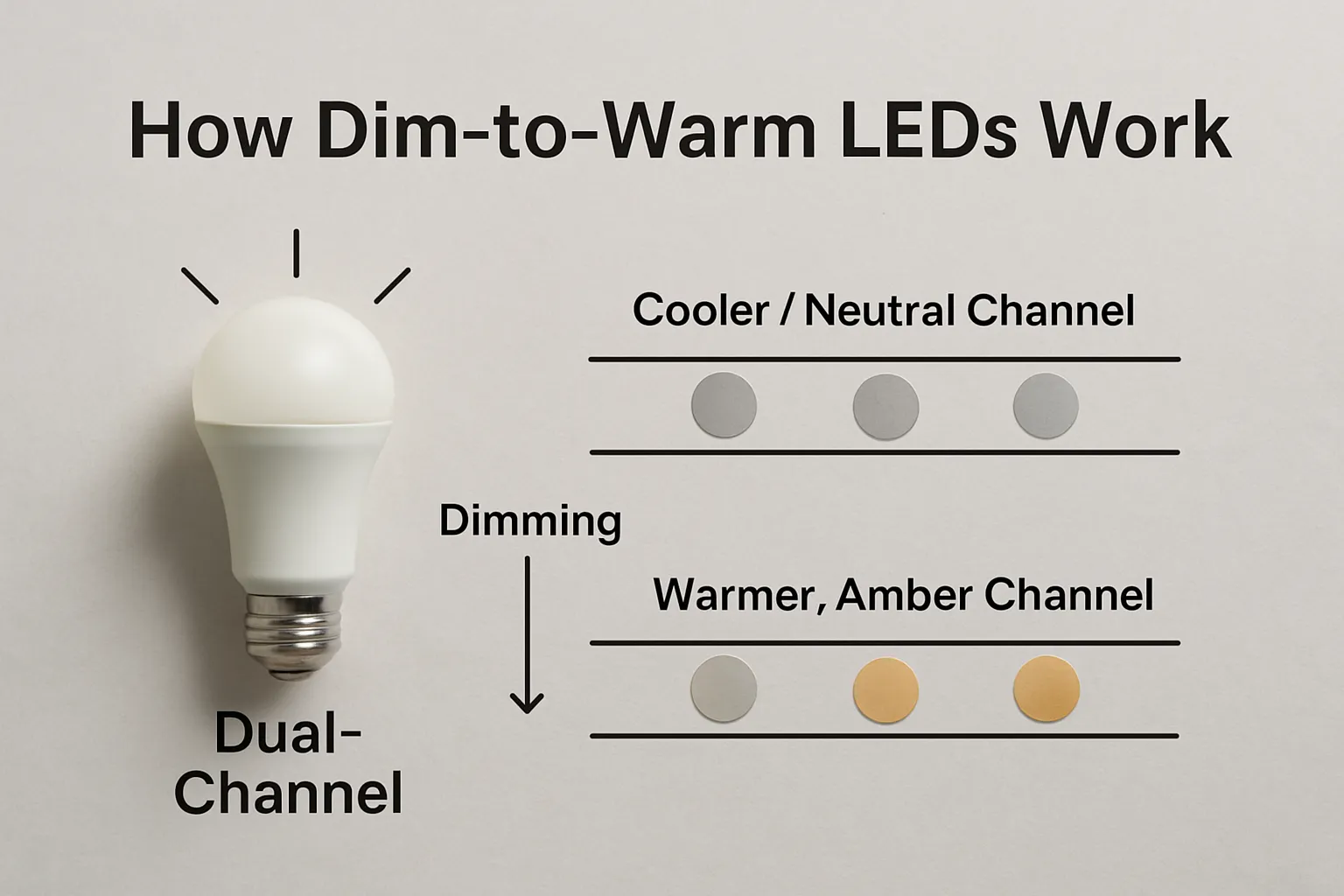
Les LED classiques produisent une température de couleur fixe—2700K, 3000K, 4000K, ou toute CCT choisie. Les LED à variation de température se comportent différemment : leur température de couleur diminue progressivement avec la baisse de luminosité, passant d'un blanc neutre à pleine puissance à une teinte ambrée chaude à faible intensité.
Un LED typique à gradation vers le chaud passe de 3000K → 1800K, correspondant étroitement à la courbe d'une lampe halogène. Cette seule caractéristique change la façon dont les gens perçoivent un espace.
Systèmes à Double Canal ou à Phosphore Accordé
Les LEDs à gradation vers le chaud utilisent généralement l'une des deux approches suivantes :
1. LEDs à double canal
Deux groupes de LED—un plus froid, un plus chaud—fonctionnent simultanément.
Lorsque la sortie diminue, le pilote réduit le canal froid et augmente le canal chaud.
Cela garantit :
- Changements progressifs de température de couleur
- Pas de sauts brusques entre les CCT
- Haute précision de contrôle même à de faibles niveaux d'intensité
2. LED à phosphores ajustés
Une approche plus intégrée où la chimie des phosphores répond de manière prévisible tout au long de la courbe de gradation.
Ceci est souvent utilisé dans les ampoules grand public compactes.
Le rôle du pilote
Le pilote LED détermine la fluidité avec laquelle l'ampoule passe d'une température à l'autre.
Un pilote bien conçu garantit :
- Performance sans scintillement
- Rendu des couleurs précis (souvent IRC 90+)
- Sortie stable avec gradateurs TRIAC ou à front descendant
- Capacité de gradation profonde en dessous de 10%
Selon les directives du Société d'ingénierie de l'éclairage (IES), le décalage spectral cohérent pendant la gradation joue un rôle majeur dans le confort visuel et doit correspondre aux attentes circadiennes humaines.
Pourquoi les LED classiques semblent souvent froides ou artificielles
Les LED classiques ont été initialement conçues pour l'efficacité, et non pour l'expérience émotionnelle. Leur température de couleur fixe reste inchangée, qu'elles soient atténuées ou à pleine intensité.
Cela crée plusieurs défis dans les environnements hôteliers et résidentiels :
Spectre fixe = Ambiance fixe
Un LED standard à 4000K paraîtra toujours net — même lorsqu'il est atténué à 20%.
La luminosité change, mais l'atmosphère non.
Les concepteurs décrivent cela comme :
- “ Plat ”
- “ Froid ”
- “ Trop clinique ”
- “ Manque de chaleur en soirée ”
Les spectres riches en bleu affectent la perception
La plupart des LED classiques présentent des pics notables dans la plage des 450 nm (longueur d'onde bleue).
Recherche du Centre de Recherche sur l'Éclairage (LRC) montre :
- La lumière riche en bleu signale la vigilance
- Warm (low-blue) light signals relaxation
- Light spectrum strongly influences comfort, not just brightness
So even if a regular LED is dimmed, its unchanged spectral distribution can continue to stimulate alertness—an undesirable effect in bedrooms, lounges, or dining spaces.
Static CCT Cannot Match Human Rhythms
Human circadian patterns expect a natural shift throughout the day:
- Bright and cool in the morning
- Warm and low intensity in the evening
Regular LEDs ignore this biological cue, which is why they often feel “wrong” in nighttime environments.
Why Dim-to-Warm LEDs Feel So Natural
Dim-to-warm LEDs trigger familiarity—people instinctively recognize the warm fade of halogen and incandescent light because those sources behaved the same way for decades.
But beyond nostalgia, the natural feel comes from three deeper reasons.
1. They Follow the Pattern of Natural Light

Outdoor light gradually warms as the sun sets.
A dim-to-warm LED mimics this progression:
| Lighting Condition | Approximate CCT |
|---|---|
| Midday sunlight | 5000–5500K |
| Afternoon light | 3500–4000K |
| Sunset | 2000–2500K |
| Candlelight | 1800K |
By following this trajectory, dim-to-warm LEDs create light that aligns with human expectations.
2. Shadows Become Softer and More Comfortable
Warm light contains more red and yellow wavelengths, reducing:
- Harsh contrast
- Éblouissement
- Visible imperfections
This makes skin tones look healthier—one reason hotels and restaurants rely heavily on dim-to-warm lighting.
3. They Support Evening Relaxation
Studies cited by the WELL Building Standard indicate that reducing blue light in the evening helps maintain relaxation and aligns better with nighttime biology.
For B2B users—hotels, designers, developers—this translates to measurable impacts:
- Better guest satisfaction
- Longer dwell time in lounges or restaurants
- Increased perceived value of interior design
Technical Comparison: Dim-to-Warm vs Regular LEDs
Below is a summary of how both technologies differ in performance and perception.
Color Behavior
| Fonctionnalité | Dim-to-Warm | Regular LED |
|---|---|---|
| Température de couleur | Changes with dimming | Fixed |
| Plage | 3000K → 1800K typical | 2700K / 3000K / 4000K etc. |
| Resembles Halogen? | Oui | Non |
Visual Comfort
| Aspect | Dim-to-Warm | Regular LED |
|---|---|---|
| Natural feel | Haut | Faible |
| Evening comfort | Forte | Weak |
| Warmth perception | Dynamic | Static |
Applications
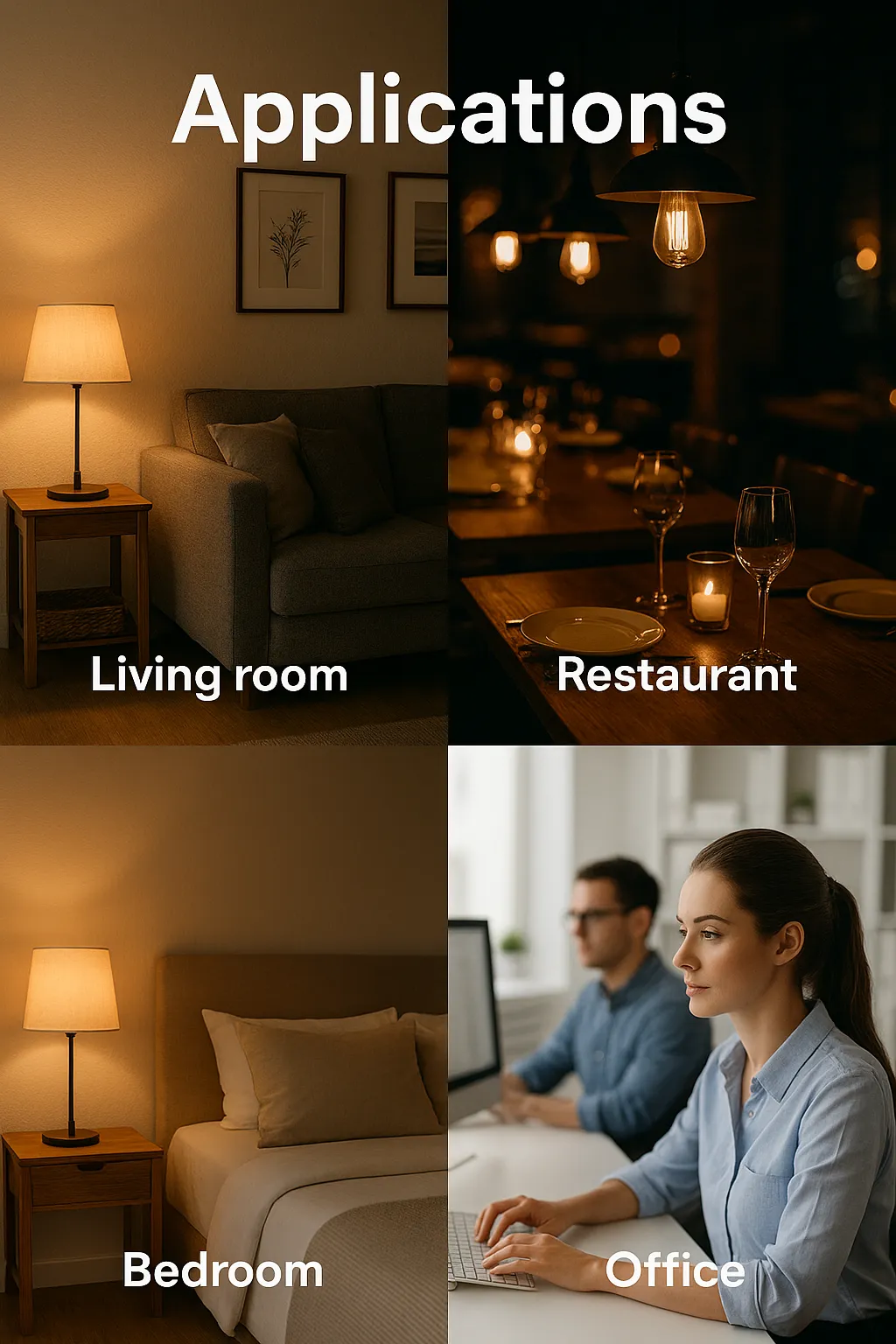
Dim-to-warm excels in:
- Salons
- Chambres à coucher
- Hôtels
- Restaurants
- Wellness spaces
- Boutique retail
Regular LEDs suit:
- Bureaux
- Warehouses
- Educational environments
- Industrial facilities
Best Places to Use Dim-to-Warm LEDs

Hospitality Design
Hotels rely heavily on environmental tone.
A dim-to-warm approach allows:
- Brighter CCT for cleaning and daytime setup
- Warmer tones for evenings and guest relaxation
Public areas such as lobbies benefit from gradual transitions that follow the hotel’s operational flow.
Résidentiel
Dim-to-warm LEDs enhance:
- Chambres à coucher
- Salons
- Dining areas
- Hallways used at night
These spaces shift from activity to relaxation, which matches dim-to-warm behavior perfectly.
Commercial Dining
Restaurants prefer 2000–2400K for dinner service.
Dim-to-warm LEDs reach these levels naturally, improving:
- Présentation des plats
- Skin tone appearance
- Overall ambiance
Is Upgrading Worth It?
For most applications where atmosphere matters, yes.
Cost Difference
Dim-to-warm LEDs are typically:
- 10–25% more expensive
- Slightly more complex in driver design
Value Return
The return is seen in:
- Better design outcomes
- Improved guest or occupant comfort
- Longer stays and higher satisfaction in hospitality environments
- More natural nighttime lighting in homes
Given that LEDs already reduce energy costs significantly, the upgrade is often justified for projects prioritizing atmosphere.
The Key Idea: Natural Light Is Not Static
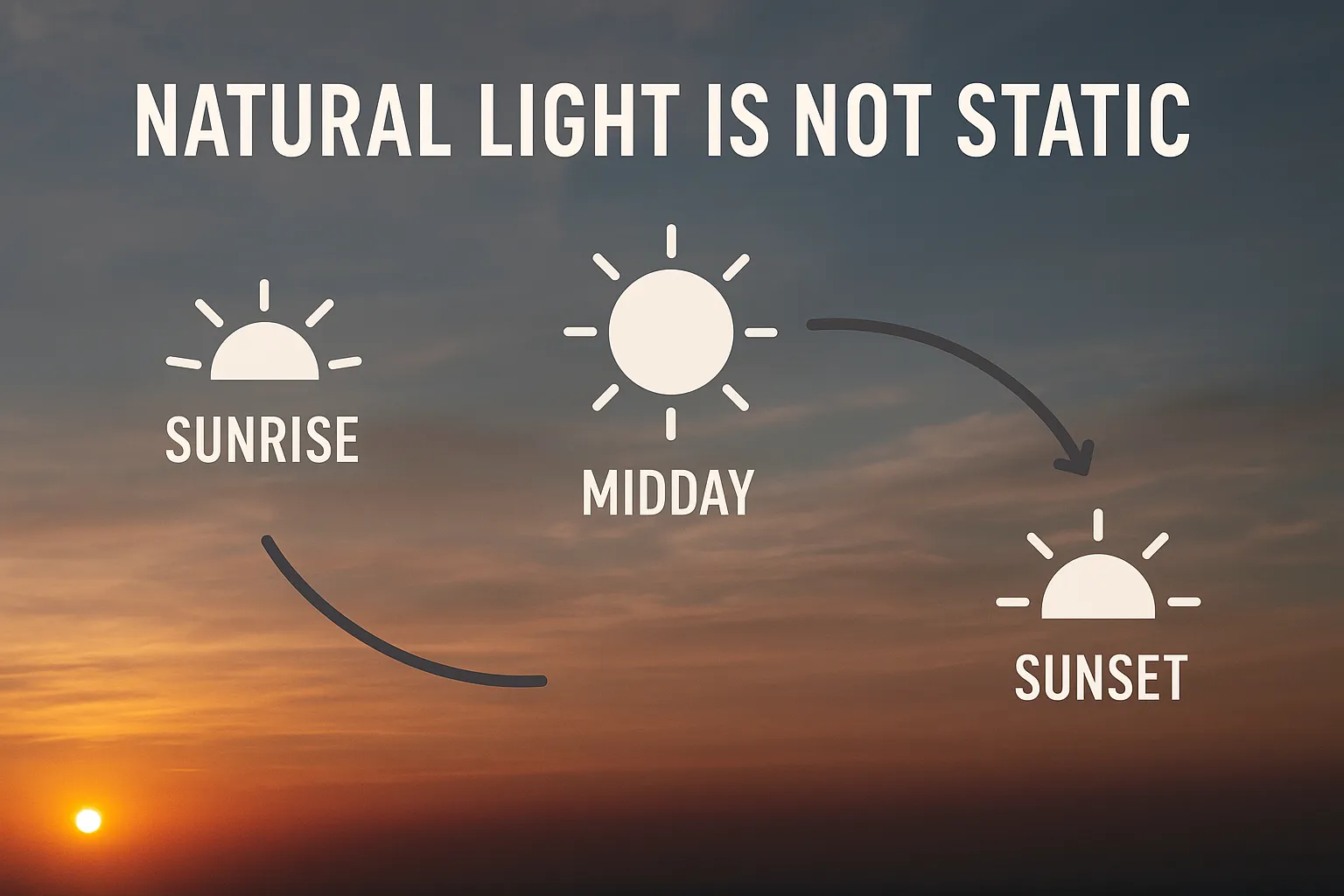
Regular LEDs dim in one direction—down.
Dim-to-warm LEDs dim in two dimensions—down et warm.
This dual behavior mirrors both incandescent technology and natural light cycles.
People instinctively perceive this as more relaxing and more familiar.
For designers, this flexibility becomes a powerful tool.
For end users, it simply feels better.
That is the core reason dim-to-warm continues to grow in hospitality, premium residential builds, and any project where comfort is a design priority.
Conclusion
Dim-to-warm LEDs and regular LEDs serve different purposes. Regular LEDs prioritize efficiency and clarity, while dim-to-warm LEDs prioritize atmosphere and comfort.
If the goal is a lighting environment that evolves naturally through the evening, supports relaxation, and enhances material textures, dim-to-warm is the clear choice.
Its dynamic color shift creates a more human experience—one that regular LEDs, with their fixed spectrum, cannot replicate.
If you need high-CRI dim-to-warm GU10, MR16, or A-series lamps, or want recommendations based on CCT curve, dimmer compatibility, or hospitality applications, we can assist.
• Request a sample
• Get a project-based quotation
• Ask for dimming test reports or photometrics
Contact us via WhatsApp, Email, or the Project Inquiry Form to receive tailored recommendations for your lighting application.