Теплый свет при затемнении vs обычные светодиоды: почему это кажется более естественным
Технологии освещения быстро развивались за последнее десятилетие, но один вопрос продолжает возникать среди дизайнеров, операторов отелей и домашних пользователей: Почему одни светодиодные лампы кажутся тёплыми и привлекательными, а другие — плоскими или стерильными?
Основная часть ответа заключается в том, как ведёт себя свет при затемнении. Обычные светодиоды просто снижают яркость. Светодиоды с затемнением до тёплого тона снижают яркость и теплой цветовой температуры одновременно, имитируя свечение ламп накаливания и более точно соответствуя естественным световым сигналам.
Эта разница может казаться незначительной на бумаге, но в реальных условиях — гостиничных номерах, ресторанах, лаунжах, гостиных — контраст заметен сразу. Теплота влияет на комфорт. Комфорт влияет на поведение. А свет, который меняется по мере наступления вечера, ощущается по своей природе более человечным.
В этой статье подробно рассматриваются технические и практические различия между светодиодами с затемнением до тёплого тона и обычными светодиодами, объясняется, почему затемнение до тёплого тона кажется более естественным, и исследуется, где каждая технология проявляет себя лучше всего в современном световом дизайне.
Как работают светодиоды с функцией Dim-to-Warm
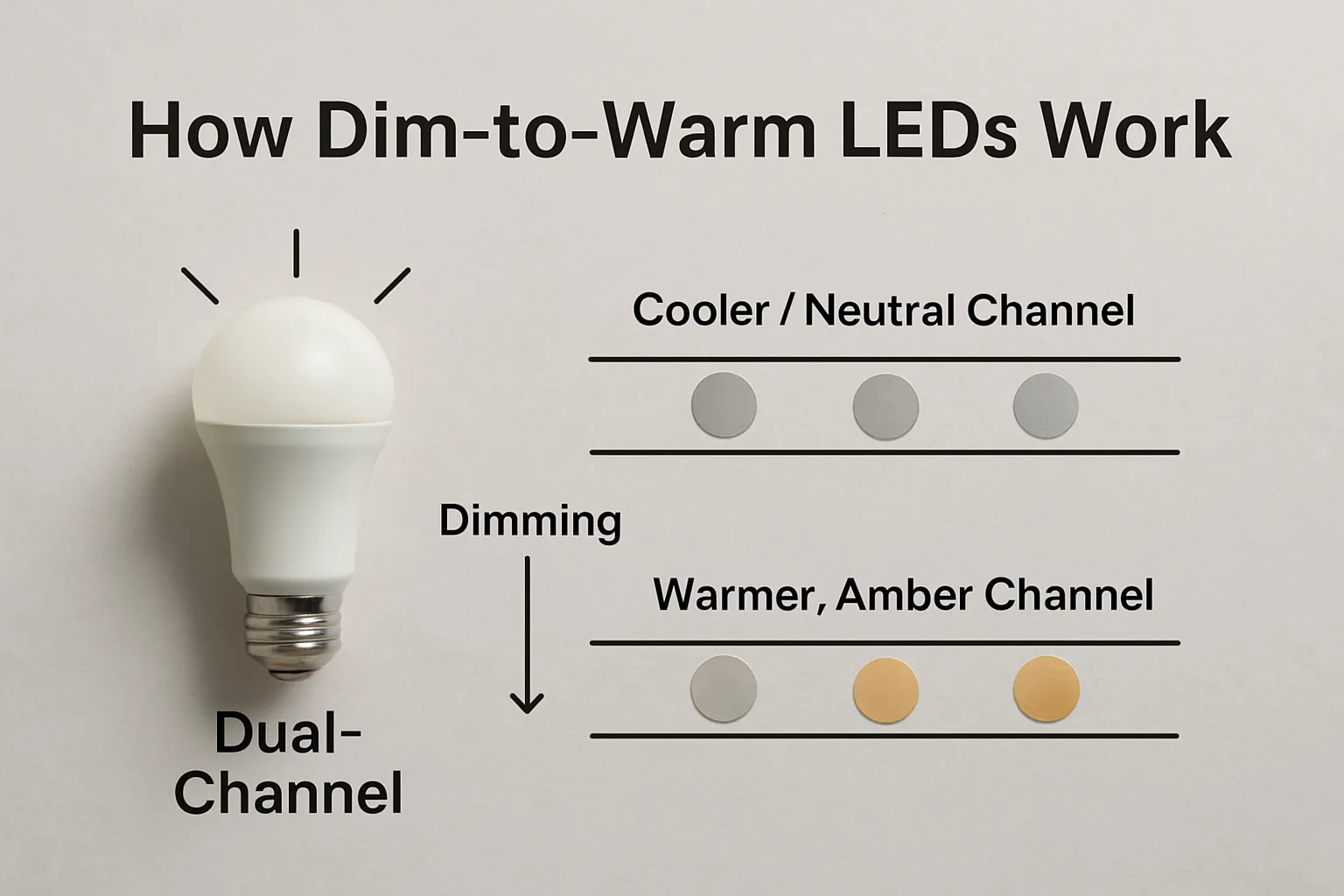
Обычные светодиоды производят фиксированную цветовую температуру — 2700K, 3000K, 4000K или любую выбранную CCT. Светодиоды с затемнением до теплого света ведут себя иначе: их цветовая температура постепенно снижается по мере уменьшения яркости, переходя от нейтрального белого при полной мощности к теплому янтарному оттенку на низких уровнях.
Типичная светодиодная лампа с функцией затемнения до теплого света переходит от 3000K → 1800K, точно повторяя кривую галогенной лампы. Одна эта характеристика меняет то, как люди воспринимают пространство.
Двухканальные или фосфорно-настроенные системы
Светодиоды с затемнением до теплого света обычно используют один из двух подходов:
1. Двухканальные светодиоды
Две группы светодиодов — одна холоднее, одна теплее — работают одновременно.
По мере снижения мощности драйвер уменьшает холодный канал и увеличивает теплый.
Это обеспечивает:
- Плавные изменения цветовой температуры
- Отсутствие резких скачков между CCT
- Высокая точность управления даже при глубоком затемнении
2. Фосфорно-настроенные светодиоды
Более интегрированный подход, при котором химия люминофора предсказуемо реагирует на кривую затемнения.
Это часто используется в компактных потребительских лампах.
Роль водителя
Драйвер светодиода определяет, насколько плавно лампа переходит между температурами.
Хорошо спроектированный драйвер обеспечивает:
- Без мерцания
- Точная цветопередача (часто CRI 90+)
- Стабильная работа с симисторными или trailing-edge диммерами
- Возможность глубокого затемнения ниже 10%
Согласно рекомендациям Общество инженеров освещения (IES), согласованный спектральный сдвиг во время затемнения играет важную роль в визуальном комфорте и должен соответствовать циркадным ожиданиям человека.
Почему обычные светодиоды часто кажутся холодными или неестественными
Обычные светодиоды изначально разрабатывались для эффективности, а не для эмоционального восприятия. Их фиксированная цветовая температура остаётся неизменной как при затемнении, так и на полной яркости.
Это создает несколько проблем в гостиничном и жилом секторах:
Фиксированный спектр = фиксированное настроение
Обычный светодиод 4000K всегда будет выглядеть четким — даже при затемнении до 20%.
Яркость меняется, но атмосфера — нет.
Дизайнеры описывают это как:
- “Плоский”
- “Холодный”
- “Слишком стерильный”
- “Не хватает теплоты вечером”
Спектры с преобладанием синего влияют на восприятие
Большинство обычных светодиодов имеют заметные пики в диапазоне 450 нм (синяя длина волны).
Исследования из Центр исследований освещения (LRC) показывает:
- Богатый синим светом сигнализирует о бодрствовании
- Warm (low-blue) light signals relaxation
- Light spectrum strongly influences comfort, not just brightness
So even if a regular LED is dimmed, its unchanged spectral distribution can continue to stimulate alertness—an undesirable effect in bedrooms, lounges, or dining spaces.
Static CCT Cannot Match Human Rhythms
Human circadian patterns expect a natural shift throughout the day:
- Bright and cool in the morning
- Warm and low intensity in the evening
Regular LEDs ignore this biological cue, which is why they often feel “wrong” in nighttime environments.
Why Dim-to-Warm LEDs Feel So Natural
Dim-to-warm LEDs trigger familiarity—people instinctively recognize the warm fade of halogen and incandescent light because those sources behaved the same way for decades.
But beyond nostalgia, the natural feel comes from three deeper reasons.
1. They Follow the Pattern of Natural Light

Outdoor light gradually warms as the sun sets.
A dim-to-warm LED mimics this progression:
| Lighting Condition | Approximate CCT |
|---|---|
| Midday sunlight | 5000–5500K |
| Afternoon light | 3500–4000K |
| Sunset | 2000–2500K |
| Candlelight | 1800K |
By following this trajectory, dim-to-warm LEDs create light that aligns with human expectations.
2. Shadows Become Softer and More Comfortable
Warm light contains more red and yellow wavelengths, reducing:
- Harsh contrast
- Glare
- Visible imperfections
This makes skin tones look healthier—one reason hotels and restaurants rely heavily on dim-to-warm lighting.
3. They Support Evening Relaxation
Studies cited by the WELL Building Standard indicate that reducing blue light in the evening helps maintain relaxation and aligns better with nighttime biology.
For B2B users—hotels, designers, developers—this translates to measurable impacts:
- Better guest satisfaction
- Longer dwell time in lounges or restaurants
- Increased perceived value of interior design
Technical Comparison: Dim-to-Warm vs Regular LEDs
Below is a summary of how both technologies differ in performance and perception.
Color Behavior
| Характеристика | Dim-to-Warm | Regular LED |
|---|---|---|
| Цветовая температура | Changes with dimming | Fixed |
| Range | 3000K → 1800K typical | 2700K / 3000K / 4000K etc. |
| Resembles Halogen? | Да | Нет |
Visual Comfort
| Aspect | Dim-to-Warm | Regular LED |
|---|---|---|
| Natural feel | Высокий | Низкий |
| Evening comfort | Strong | Weak |
| Warmth perception | Dynamic | Static |
Applications
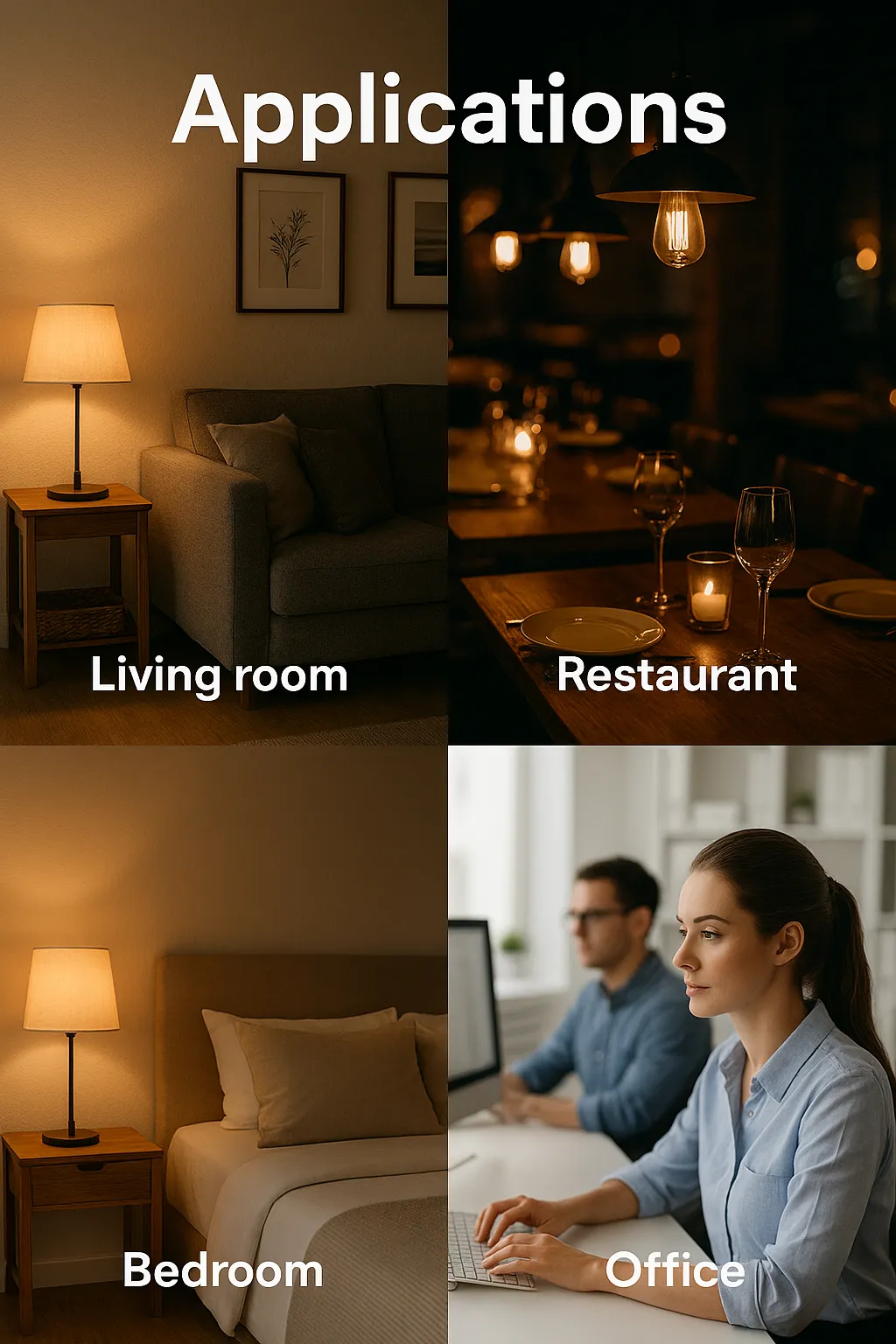
Dim-to-warm excels in:
- Living rooms
- Спальни
- Hotels
- Restaurants
- Wellness spaces
- Boutique retail
Regular LEDs suit:
- Offices
- Warehouses
- Educational environments
- Industrial facilities
Best Places to Use Dim-to-Warm LEDs

Hospitality Design
Hotels rely heavily on environmental tone.
A dim-to-warm approach allows:
- Brighter CCT for cleaning and daytime setup
- Warmer tones for evenings and guest relaxation
Public areas such as lobbies benefit from gradual transitions that follow the hotel’s operational flow.
Residential
Dim-to-warm LEDs enhance:
- Спальни
- Living rooms
- Dining areas
- Hallways used at night
These spaces shift from activity to relaxation, which matches dim-to-warm behavior perfectly.
Commercial Dining
Restaurants prefer 2000–2400K for dinner service.
Dim-to-warm LEDs reach these levels naturally, improving:
- Food presentation
- Skin tone appearance
- Overall ambiance
Is Upgrading Worth It?
For most applications where atmosphere matters, yes.
Cost Difference
Dim-to-warm LEDs are typically:
- 10–25% more expensive
- Slightly more complex in driver design
Value Return
The return is seen in:
- Better design outcomes
- Improved guest or occupant comfort
- Longer stays and higher satisfaction in hospitality environments
- More natural nighttime lighting in homes
Given that LEDs already reduce energy costs significantly, the upgrade is often justified for projects prioritizing atmosphere.
The Key Idea: Natural Light Is Not Static
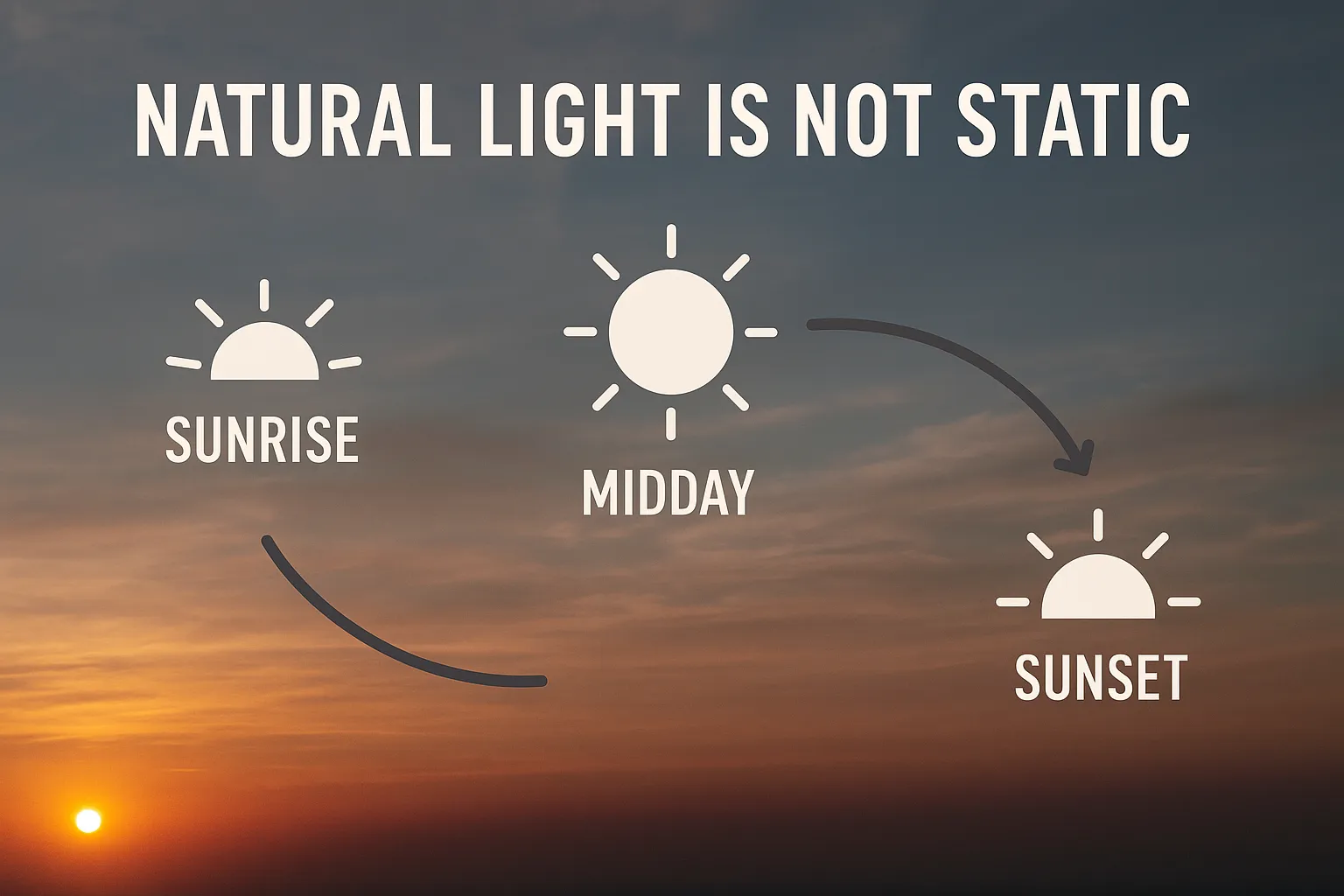
Regular LEDs dim in one direction—down.
Dim-to-warm LEDs dim in two dimensions—down и warm.
This dual behavior mirrors both incandescent technology and natural light cycles.
People instinctively perceive this as more relaxing and more familiar.
For designers, this flexibility becomes a powerful tool.
For end users, it simply feels better.
That is the core reason dim-to-warm continues to grow in hospitality, premium residential builds, and any project where comfort is a design priority.
Заключение
Dim-to-warm LEDs and regular LEDs serve different purposes. Regular LEDs prioritize efficiency and clarity, while dim-to-warm LEDs prioritize atmosphere and comfort.
If the goal is a lighting environment that evolves naturally through the evening, supports relaxation, and enhances material textures, dim-to-warm is the clear choice.
Its dynamic color shift creates a more human experience—one that regular LEDs, with their fixed spectrum, cannot replicate.
If you need high-CRI dim-to-warm GU10, MR16, or A-series lamps, or want recommendations based on CCT curve, dimmer compatibility, or hospitality applications, we can assist.
• Request a sample
• Get a project-based quotation
• Ask for dimming test reports or photometrics
Contact us via WhatsApp, Email, or the Project Inquiry Form to receive tailored recommendations for your lighting application.