Lampadina LED Dimmabile Rumore: Cause di Ronzio, Rombi e Riparazioni Più Sicure
Aggiornato: 10 settembre 2026
Il rumore delle lampadine LED dimmerabili è solitamente un problema di compatibilità e progettazione del driver, non solo un problema acustico. Ronzio, ronzio o fischi possono provenire dal taglio della forma d'onda del dimmer, instabilità a basso carico, vibrazione magnetica, rumore del condensatore o progettazione termica scadente. Per progetti di sostituzione B2B, confermare il modello del dimmer, la base della lampada, la tensione, la gamma di wattaggio e il comportamento di attenuazione a bassa estremità prima di approvare i campioni.
| Sintomo di rumore | Causa comune | Azione più sicura |
|---|---|---|
| Ronzio a bassa luminosità | Incompatibilità tra dimmer e driver LED | Prova una lampada dimmerabile compatibile con trailing-edge |
| Ronzio dall'apparecchio | Instabilità del trasformatore o del range di carico | Verificare il carico minimo e la compatibilità del driver 12V |
| Fischio acuto | Vibrazione del componente del driver | Confronta i campioni con il vero dimmer e apparecchio |
Per distributori e acquirenti di progetti, l'obiettivo pratico è un funzionamento silenzioso su tutta la gamma di attenuazione richiesta, non solo se la confezione indica che è dimmerabile.
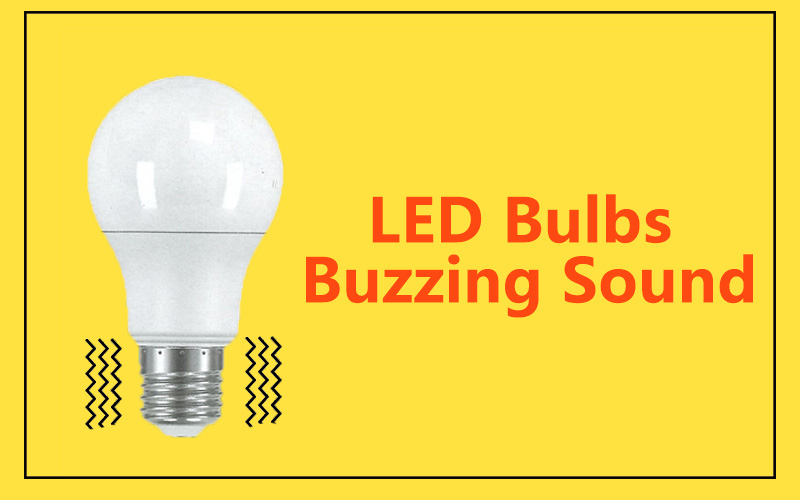
Installate lampadine LED dimmerabili per comodità, ma invece di un'illuminazione silenziosa, sentite ronzii o fischi. Questo rumore può essere fastidioso in una casa o ufficio tranquillo.
Le lampadine LED dimmerabili producono rumore perché i loro componenti elettronici vibrano quando alimentati da corrente alternata o accoppiati con dimmer incompatibili. Queste vibrazioni creano ronzii, ronzio o sibili all'interno delle frequenze udibili.
Il rumore non significa sempre pericolo, ma influisce sul comfort e sulla qualità. Lasciatemi spiegare perché succede e come gestirlo.
Perché una lampadina dimmerabile produce rumore?
Quando abbassate la luminosità, sentite un tono di ronzio che aumenta man mano che la luce si attenua? Molte persone lo notano.
Una lampadina dimmerabile produce rumore perché la corrente alternata viene troncata da un dimmer, causando la vibrazione di induttori, condensatori o driver all'interno della lampadina.
Approfondimento: La fisica dietro il rumore
Il rumore esiste in quasi tutti i dispositivi elettrici. Nelle lampadine LED, proviene da alimentatori a commutazione. Questi circuiti usano induttori e condensatori per convertire la corrente alternata in continua. Durante la commutazione, i nuclei magnetici si espandono e si contraggono leggermente. Questa vibrazione può cadere nell'intervallo 20Hz–20kHz, che è udibile dall'uomo.
Le cause principali includono:
- Progettazione del driver: I circuiti scadenti non riescono a sopprimere la vibrazione.
- Frequenza di risonanza: Quando la frequenza interna si sovrappone alla gamma udibile.
- Dimmer non corrispondente: I vecchi dimmer tagliano l'onda troppo bruscamente, sollecitando i componenti.
| Causa del Rumore | Perché Succede | Riparazione |
|---|---|---|
| Frequenza di risonanza | Si sovrappone all'udito umano (20Hz–20kHz) | Spingere la frequenza sopra i 20kHz |
| Dimmer incompatibile | I tagli netti di corrente sollecitano il driver | Usa un dimmer LED a bordo posteriore |
| Progettazione meccanica debole | L'involucro sottile amplifica la vibrazione | Aggiungi silicone o schiuma per assorbire il suono |
Gli ingegneri cercano di progettare circuiti che evitino le frequenze udibili. Se non possono, usano cuscinetti in silicone, spugne o superfici più ampie per assorbire le vibrazioni.
Perché le mie luci LED fanno rumore?

You switch on your LED lights and hear buzzing or humming. Why?
LED lights make noise when electronic parts inside them vibrate due to AC supply ripple or when used with incompatible dimmer switches.
Dive Deeper: Common Sources of Noise
- AC ripple current – Residual current after conversion shakes the driver.
- Loose housing – Sometimes the lamp holder or fixture vibrates.
- Overloaded circuits – Too many LEDs on one dimmer increase stress.
- Driver resonance – Switching circuits operate at audible ranges.
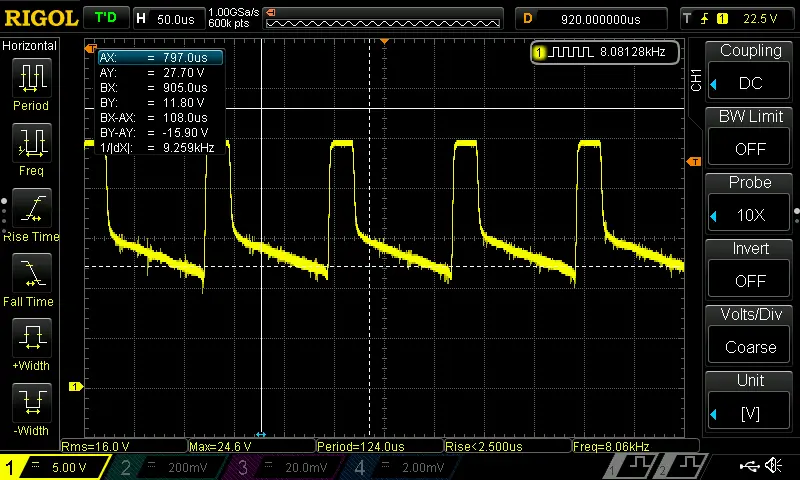
Some dimmers, especially PWM dimmers with low frequencies (around 2kHz), also generate noise. This low frequency can cause ceramic capacitors (MLCC) to vibrate. Adjusting the dimming frequency to 8kHz or above reduces both noise and flicker metrics (SVM, PstLM).
As a designer, I know not all noise comes from the bulb. Triac-based leading-edge dimmers are also noise sources due to their simple circuits. Replacing them with trailing-edge dimmers often solves the problem.
How to stop dimmer lights from buzzing?
A buzzing light can ruin a relaxing atmosphere. Can you stop it? Yes.
You can stop buzzing by using LED-compatible trailing-edge dimmers, choosing high-quality bulbs, and adjusting dimming frequencies above 8kHz.
Dive Deeper: Practical Fixes
1. Replace Old Dimmers
Leading-edge dimmers cause sharp current cuts. Trailing-edge dimmers deliver smoother signals, reducing both flicker and sound.
2. Use Certified Bulbs
High-quality bulbs include buffering materials to suppress vibration. They are also tested under standards such as Energy Star (≤30dB at 1m).
3. Adjust PWM Frequency
Low PWM dimming frequencies create noise. Raising the frequency above 8kHz avoids both audible buzzing and visual flicker.
4. Spread Load Across Circuits
Too many LEDs on one dimmer increase stress. Splitting the load reduces vibration.
| Fix Method | Difficulty | Cost Impact | Effectiveness |
|---|---|---|---|
| Replace with trailing-edge dimmer | Basso | Medio | Alto |
| Buy certified bulbs | Basso | Medio | Alto |
| Adjust PWM frequency | Medio | Basso | Alto |
| Split load per circuit | Medio | Basso | Medio |
Why is my LED power supply making a buzzing sound?

Sometimes the bulb itself is quiet, but the external driver hums.
An LED power supply buzzes because its transformer or inductor vibrates during AC-to-DC conversion, especially when frequency falls in the audible range.
Dive Deeper: Inside the Driver
The driver regulates current. Coils, capacitors, and switching chips can all vibrate. If switching frequency is too low, or filtering is weak, buzzing happens.
Typical Causes:
- Magnetic core expansion inside inductors.
- Loose coil windings acting like tiny speakers.
- Poor ripple filtering leaving unstable signals.
Design Solutions:
- Increase switching frequency above 20kHz.
- Encapsulate coils in resin or silicone.
- Strengthen housing to reduce resonance.
If your power supply buzzes loudly, it may be overloaded or poorly designed. Replacing it with a quality, quiet driver usually solves the issue.
Why does my LED make a whining sound?
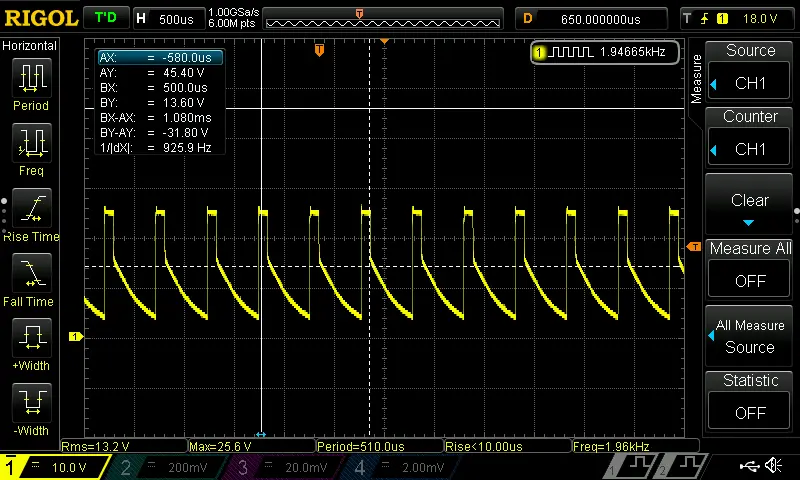
Sometimes the sound is not buzzing, but a sharp high-pitched whine.
An LED whines when its driver runs near 15–20kHz, which is close to human hearing limits.
Dive Deeper: Whining Explained
Unlike buzzing (low-frequency), whining is thin and sharp. It usually comes from:
- Switching frequency overlap – Driver runs near hearing range.
- Thin casings – The bulb body amplifies high-pitched vibrations.
- Small MLCC capacitors – Ceramic capacitors vibrate at certain dimming frequencies.
Buzzing vs Whining vs Humming
| Noise Type | Frequency Range | Source | Fix Recommendation |
|---|---|---|---|
| Buzzing | 100Hz – 5kHz | Ripple, poor dimmer | Use trailing-edge dimmers |
| Humming | 50Hz – 200Hz | Transformer vibration | Replace driver, tighten components |
| Whining | 15kHz – 20kHz | Driver switching, MLCC caps | Adjust PWM >8kHz, use quality bulbs |
If your LED makes a whining sound, the best fix is to upgrade to bulbs with well-designed drivers and pair them with modern dimmers.
Conclusione
LED noise comes from vibration in drivers, capacitors, inductors, and sometimes dimmers. By using quality bulbs, trailing-edge dimmers, and correct design, buzzing and whining can be reduced below 30dB at 1m, keeping lighting both silent and comfortable.
Why I Trust Teco for Quiet LED Lighting
In my own projects, I found that not all LED suppliers take acoustic comfort seriously. Many low-cost bulbs save money on drivers, which leads to noise and flicker. At Teco, we manufacture dimmable LED spotlights with strict quality control. Our designs avoid resonance in the 20Hz–20kHz range, and we use silicone damping and advanced circuit design to minimize noise.
Because we run four production lines in China, we can supply bulk orders to large buyers while keeping consistent quality. We also provide custom logo service and rare styles that help our clients stand out in competitive markets in Europe, Saudi Arabia, UAE, USA, and Southeast Asia.
If you are a buyer like William, who cares about both quality and price, working with a factory like ours ensures that you avoid delays, unstable products, or fake certificates. You get certified, reliable, and silent LED lighting that your customers will trust.