目录
    添加页眉,开始生成目录

    LED灯泡是如何制造的?从设计到量产的全流程指南

    LED灯泡是如何制造的?从设计到量产的全流程指南

    对于海外分销商、进口商及OEM/ODM买家而言,了解LED灯泡的制造过程不仅是技术兴趣,更是评估供应商能力、判断质量风险及预测交付可靠性的基础。在Tecolite,我们通过结构化、透明的八阶段工作流程管理LED灯泡开发,确保从概念到出货的一致性。.

    本文概述了我们流程的每个阶段、各项决策背后的工程标准,以及提供给买方的文档。它为采购团队评估工厂能力和长期供应稳定性提供了清晰的参考。.


    阶段1 – 概念定义与工程设计

    有效的制造始于材料到达生产线之前很久。第一阶段定义产品的用途、性能目标和工程约束。.

    engineer reviewing LED driver PCB design on computer screen

    设计目标

    每个项目均以可量化参数为起点:

    • 光通量输出、功率、光效(流明/瓦)
    • 色温选项、显色指数目标、色容差容限
    • 光束角度与光学轮廓
    • 电压范围、功率因数/总谐波失真、驱动器拓扑
    • 机械外形与材料限制
    • 质保预期(通常为2–5年)

    工程分析

    我们的机械和电子工程师进行:

    • 热仿真 用于估算封闭或开放式灯具下的结温。.
    • 光学建模 用于测试透镜几何形状和光束分布。.
    • 可行性评估 用于模具、注塑收缩和装配人体工程学。.

    这些评估减少了后续设计变更,并从一开始就确保符合IEC/UL安全要求。.

    交付给买方的成果

    • 2D/3D CAD图纸
    • 含备选方案的初步物料清单
    • 热仿真报告
    • DFM(面向制造的设计)说明

    此阶段使采购团队能够评估设计是否符合品牌定位与市场需求。.


    阶段二 – 原型制作、验证与工程迭代

    原型制作弥合了理论设计与实际性能之间的差距。在Tecolite,原型在获准进行试生产前需经过结构化的技术评估。.

    原型制造

    早期样品通过以下方式生产:

    • CNC铣削散热器或底座
    • 用于配合和公差检查的3D打印外壳
    • 手工组装的驱动器和LED板

    验证测试

    每个原型均在真实工况下进行全面测试:

    • 热性能 (外壳温度、LED结温估算)
    • 光学输出 (流明、色温、显色指数、光束均匀度)
    • 电气安全与电磁干扰
    • 频闪表现 (Pst LM, SVM)
    • 兼容性 与常见调光器兼容(适用于可调光型号)

    工程调整

    测试数据指导迭代,例如:

    • 调整MCPCB厚度以降低热阻
    • 重新平衡LED间距以实现均匀光束分布
    • Optimizing driver tuning for PF/THD targets

    This stage typically involves 2–3 prototype rounds before final specification lock.

    Buyer Documentation

    • Prototype photos and test data
    • Revision history
    • Technical issue log with resolutions

    This provides purchasing teams with visibility before tooling investment.


    Stage 3 – Component Qualification & Supply Chain Control

    LED bulb performance heavily depends on component quality. Tecolite maintains a strictly controlled supply chain with defined qualification standards.

    Display of multiple framed certificates showing RoHS compliance, CE approval, ISO standards, and SAA certification for product quality assurance.

    LED Binning & Qualification

    We evaluate:

    • LM-80 test data for lumen maintenance
    • TM-21 lifetime projections
    • Flux, CCT, and Vf bin distribution
    • SDCM tolerance over multiple lots

    Driver Component Evaluation

    Key metrics include:

    • Efficiency (≥88% typical)
    • Ripple and flicker performance
    • Surge protection rating
    • Thermal derating behavior

    Incoming Quality Control (IQC)

    Critical components undergo:

    • Visual inspection
    • Electrical measurement
    • Random sampling with SPC control charts
    • Lot traceability registration

    Documentation Provided to Buyers

    • Approved Vendor List
    • IQC inspection records
    • LM-80/TM-21 summaries
    • Certificates of Analysis for key batches

    This ensures long-term stability across repeated production cycles.


    Stage 4 – SMT Process and LED Module Construction

    SMT (Surface-Mount Technology) is central to LED bulb quality. Controlled reflow profiles and AOI inspection minimize failure rates.

    Production Steps

    1. Solder paste printing with ±10% volume tolerance
    2. Pick-and-place with ±0.1 mm placement accuracy
    3. Reflow soldering with controlled thermal curve
    4. AOI inspection for solder joints and polarity
    5. Functional testing for LED arrays

    Process Controls

    • Reflow temperature: 235–245°C
    • ESD protection: <100V surface charge
    • Copper substrate flatness tolerance: ≤0.7%

    LED Module Assembly

    LEDs are mounted, bonded, and thermally interfaced to MCPCBs for optimal heat dissipation.

    Buyer Outputs

    • Reflow profile logs
    • AOI defect reports
    • SMT lot traceability

    This gives buyers confidence that the modules are stable and consistent.


    Stage 5 – Driver Integration & Housing Assembly

    At this stage, the mechanical and electrical components are combined to form a fully functional LED bulb.

    Driver Assembly

    Drivers are:

    • Potted or mechanically secured
    • Inspected for solder quality
    • Tested for surge robustness and insulation resistance

    Mechanical Housing Assembly

    Housing components are:

    • Injection-molded with controlled shrinkage
    • Fitted to LED modules
    • Sealed via ultrasonic welding or screw-lock mechanisms

    Thermal & Mechanical Checks

    • TIM (Thermal Interface Material) coverage
    • Torque verification
    • Creepage and clearance compliance

    This ensures mechanical strength and long-term reliability.

    Documentation for Buyers

    • Assembly WI (Work Instructions)
    • Torque measurement reports
    • BOM finalization

    Stage 6 – Optical, Electrical & Reliability Testing

    This is the core of Tecolite’s quality assurance. Every batch undergoes full optical and electrical validation.

    LED testing lab with integrating sphere spectroradiometer and technicians performing optical measurements

    光学测试

    Conducted using integrating spheres and goniophotometers:

    • Lumen output
    • CCT and CRI
    • Beam angle distribution
    • SDCM consistency

    Electrical Testing

    Conducted using certified equipment:

    • PF (≥0.9 for most models)
    • THD (≤15%)
    • Surge immunity (1–2 kV depending on market)
    • Hi-pot insulation testing

    Reliability & Stress Testing

    • Burn-in testing for 2–4 hours
    • Thermal soak tests in controlled chambers
    • Voltage fluctuation tests
    • Dimmer matrix testing for compatibility

    Documentation Provided

    • LM-79 photometric report
    • Electrical test summary
    • Reliability testing logs

    Stage 7 – Packaging, Labeling & Final Inspection

    Packaging must protect the product during global shipping while presenting clear branding.

    workers packing LED bulb boxes on a factory assembly line

    Packaging Process

    • Drop test validation
    • Vibration simulation
    • Label compliance check (CE/UKCA/UL as required)
    • Barcode and traceability assignment

    Final QA Inspection

    AQL inspection (level II) is performed:

    • Visual inspection
    • Function test
    • Safety verification

    Buyer Deliverables

    • Final inspection reports
    • Packaging photos
    • Pallet layout plan

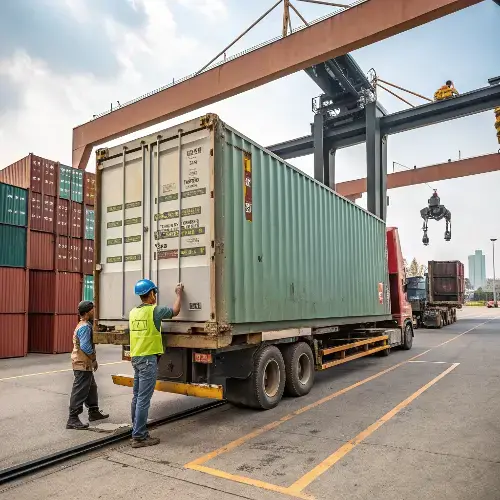
    Stage 8 – Shipment, Documentation & Post-Delivery Support

    Shipping is managed with transparency to avoid delays for overseas buyers.

    Workers in protective gear secure a green shipping container on a red truck amid port operations, surrounded by cranes and other cargo stacks under a clear sky.

    Logistics Preparation

    • CI, PL, and packing list
    • BL or AWB
    • COA for quality records
    • HS code and customs conformity

    Post-Shipment Support

    • First Article validation support
    • RMA handling procedures
    • Technical assistance for installation queries

    This ensures predictable logistics and stable long-term cooperation.


    结论

    Reliable LED bulb manufacturing requires disciplined procedures, transparent documentation, and stable process control. Tecolite’s eight-stage framework provides buyers with visibility and confidence—from concept and engineering validation to assembly, testing, and final shipment.

    By controlling every detail, we reduce risk, prevent variability, and deliver consistent performance across every batch. For distributors, wholesalers, and OEM/ODM partners, this process is the foundation of dependable supply and long-term partnership stability.

    用我们高质量的服务提升您的业务

    相关博客

    pexels-photo-3760069-3760069.jpg

    让我们了解您的询问

    我们将立即回复您的询问!

    快速联系工厂

    联系我们

    请填写以下表格,我们将很快与您联系。.