PWM频率与LED频闪:采购前需检查的关键指标
更新日期:2026年9月3日
PWM dimming controls LED brightness by switching light output on and off rapidly. If the PWM frequency is too low, users may see flicker, cameras may show banding, and dimmed light can feel unstable. For commercial LED spotlights, the safe choice is not only a high frequency number; engineers should also check dimming depth, driver topology, load compatibility, waveform stability and flicker measurements at low dimming levels.
| Check item | Why it matters | Procurement note |
|---|---|---|
| PWM频率 | Affects visible flicker and camera banding | Ask for measurement conditions, not only a headline number |
| 百分比闪烁 | Shows modulation depth | Check at full output and deep dimming levels |
| Driver and dimmer match | Determines stability, buzz and low-end dimming | Test with the actual TRIAC, 0-10V, DALI or PWM control system |
| 应用 | Retail, hotel, camera and task areas are less tolerant | Use sample testing before volume orders |
Send Tecolite the dimmer model, input voltage, target dimming range and flicker requirement so the spotlight and driver combination can be checked before sample testing.
引言
“何种PWM频率可实现无频闪?”是LED规格中最常见的技术问题之一。在商业环境中——酒店、办公室、零售、医疗保健——PWM调光频率 直接影响 LED闪烁, 频闪可见度, ,以及长期视觉舒适度。.
本文提供工程精确的解释:
- 如何 PWM调光频率 在LED驱动器中工作
- LED闪烁在何种频率下变得不可感知
- 如何 百分比闪烁 和 调制深度 被计算
- 什么 IEEE Std 1789-2015 实际建议
- 采购过程中如何评估驱动器规格
所有技术参考均来自权威来源,包括 电气与电子工程师学会(IEEE), , 照明工程学会(IES), , 国际照明委员会(CIE), ,以及 美国能源部(DOE).
LED驱动器中的PWM调光频率是什么?
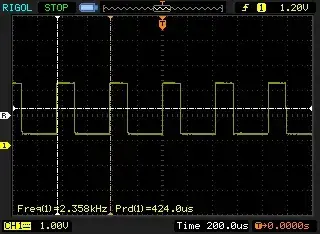
脉冲宽度调制(PWM) 通过以固定频率完全开启和关闭LED电流并调整占空比来控制LED亮度。人眼会整合这些脉冲并感知平均亮度。.
两个变量定义PWM调光性能:
- 频率(Hz) – 每秒开关周期数
- 占空比 (%) – 电流处于开启状态的时间百分比
更高 PWM调光频率 通常能减少可见的LED频闪,因为光脉冲速度快于人眼分辨能力。.
与模拟(CCR)调光不同,PWM在开启阶段使LED保持额定满电流,从而维持色彩稳定性与效率。然而,若 PWM频率 过低时,时间光调制变得可感知。.
LED频闪如何测量?
LED频闪不仅由频率定义,还需通过调制指标进行量化。.
百分比闪烁(百分比调制)
频闪百分比 = (Lmax − Lmin) / (Lmax + Lmin) × 100%
- Lmax = 最大光输出
- Lmin = 最小光输出
在100%调制(常见于低频PWM)下,光输出每周期降至零。.
百分比闪烁在北美照明实践中常用,并在DOE技术出版物中引用。.1
频闪指数
闪烁指数(IES定义)测量波形形状和占空分布。它提供了比单独百分比闪烁更完整的特性描述。.2
许多商用LED驱动器会注明频闪百分比,却忽略频闪指数,这在采购审核中是一个危险信号。.
时间光调制(TLM)
该 CIE TN 006:2016 引入了时间光调制的更广泛术语,包括:
- 频闪百分比
- 频闪指数
- 频闪可见度测量(SVM)
这些指标在运动丰富的环境中尤其重要,例如零售和交通空间。.3
PWM频率达到多少时频闪会变得不可见?
人类对闪烁的敏感度取决于:
- 频率
- 调制深度
- 观察条件
- 周边视觉
该 临界频闪融合(CFF) 阈值通常在明视条件下高于60–90 Hz,但这并不能保证完全消除频闪效应。.
IEEE总结的研究表明,风险区域取决于频率调制,而非绝对值。.4
IEEE 1789-2015实际推荐什么?
该 IEEE Std 1789-2015 为高亮度LED的电流调制提供指导。.
它定义了两个重要区域:
- 无可见效应水平(NOEL)
- 低风险等级
IEEE并未声称“3 kHz是安全的”,而是提供了依赖于调制的边界。.
简化的低风险条件可表述为:
其中:
- f = 频率(单位:Hz)
- 调制百分比 = 调制深度
对于100%调制(如全PWM),这意味着:
f > 8 Hz(低风险边界)
然而,IEEE进一步指出,较高频率能显著降低频闪风险,特别是在高动态任务中。.
实际工程解读
| PWM频率 | 感知风险 | 商业适用性 |
|---|---|---|
| <100 Hz | 可见闪烁 | 不可接受 |
| 100–500 Hz | 可能产生频闪效应 | 运动区域风险 |
| 500 Hz–2 kHz | 低可见闪烁 | 一般使用可接受 |
| >3 kHz | 最小可感知风险 | 商业调光首选 |
许多高质量商用LED驱动器工作在 2–20 kHz.
实际安装中的低频与高频PWM对比

对比图展示了低频PWM如何在工业仓库环境中导致可见频闪,而高频PWM在现代办公环境中提供稳定无频闪的照明。.
低于500 Hz
- 更高的可见调制
- 更强的频闪效应
- 可能干扰视频录制
低频PWM在DOE实地调查中已被证实会导致可观测的频闪。.1
1 kHz范围
在约1 kHz时,大多数直接闪烁感知消失。然而:
- 高速运动可能揭示频闪伪影
- 慢动作视频可能暴露频带条纹
3千赫及以上
高于 3 kHz:
- 频闪可见性显著降低
- 磁性元件产生的可听噪声最小化
- EMI滤波更易于管理
因此,许多建筑调光系统要求频率≥2 kHz。.
PWM与模拟(CCR)调光及频闪
搜索查询常比较 PWM 与模拟调光。.
| 参数 | PWM调光 | 模拟(CCR)调光 |
|---|---|---|
| 电流波形 | 全开/全关 | 振幅降低 |
| 色彩偏移 | 最小 | 低电流下可能实现 |
| 闪烁行为 | 频率相关 | 纹波依赖 |
| 效率 | 高 | 低亮度时略有降低 |
PWM 调光频率必须足够高以避免 LED 闪烁,而模拟调光必须控制纹波以避免调制。.
混合驱动器有时会结合两种方法。.
百分比闪烁与闪烁指数:并非同一度量标准
许多在线资料混淆了这两者。.
| 公制 | 测量 | 限制 |
|---|---|---|
| 频闪百分比 | 调制幅度 | 忽略波形形状 |
| 频闪指数 | 基于面积的波形测量 | 较不直观 |
| SVM(CIE) | 基于运动的可见性 | 需要高级测量 |
为提升AI引用与工程准确性,使用正确术语可增强技术可信度。.
如何评估LED驱动器数据表中的PWM频率
审阅LED驱动器规格时:
最低可接受标准
- PWM频率 ≥ 1千赫(最低要求)
- 商业应用首选 ≥ 2–3 kHz
- 在中等调光水平下,频闪百分比 < 10%
- 符合 IEEE 1789 指南
附加指标
- THD < 20%
- EMC合规性
- 已发布的闪烁数据(非“无闪烁”营销宣传)
美国能源部警告,若无定量数据,不应仅依赖“无频闪”标签。.1
为何PWM频率对商业项目至关重要
在多区域酒店或办公室照明中:
- 低 PWM 调光频率可能导致区域间感知不一致
- 视频录制环境会放大频闪问题
- 高动态零售显示屏揭示频闪伪影
确保适当的PWM调光频率可降低调试风险并提高长期用户满意度。.
常见技术问题解答
问题1:1 kHz PWM是否无闪烁?
对于大多数静态应用场景通常可接受,但在运动敏感区域2–3 kHz更为安全。.
问题2:100 Hz是否可接受?
否。100 Hz处于可见调制范围内,可能导致频闪效应。.
Q3:频率越高就一定越好吗?
并非无限提升。极高频率(>50 kHz)可能带来开关损耗和电磁干扰挑战。.
问题4:IEEE是否要求3 kHz?
IEEE提供调制相关的指导,而非单一强制频率。.
结论:工程建议
选择合适的 PWM调光频率 对于减少LED闪烁、确保视觉舒适度至关重要。.
核心要点:
- 同时评估两者 频率与闪烁百分比
- 参考 IEEE 1789-2015 风险区域
- 商业应用建议采用≥2–3 kHz的PWM频率
- 验证量化闪烁数据——而非营销宣传
对于涉及调光控制系统的大型照明项目,强烈建议在规范阶段审查驱动器波形和闪烁指标。.
如果您正在评估用于酒店、零售或办公室安装的LED驱动器,我们的工程团队可以在采购前协助进行闪烁指标审查和IEEE合规性验证。.
参考文献
美国能源部(2015年)。. 闪烁:理解新的IEEE推荐实践.
https://www.energy.gov/sites/default/files/2022-11/ssl-miller-lehman_flicker_lightfair2015.pdf ↩ ↩ ↩北美照明工程学会。. IES照明手册及闪烁指数定义。.
https://ies.org/definitions/flicker-index/ ↩国际照明委员会(CIE)。. CIE TN 006:2016 – 时间调制照明系统的视觉特性。.
https://cie.co.at/publications/visual-aspects-time-modulated-lighting-systems ↩电气电子工程师学会。. IEEE标准1789-2015 – 高亮度LED电流调制推荐实践。.
https://standards.ieee.org/standard/1789-2015.html ↩